The Unseen Hero: The Fall Guy and the Philosophy of the Stand-In
Exploring The Fall Guy's blend of action, romance, and an homage to stunt work, examining the philosophical weight of invisibility and the pursuit of authenticity.
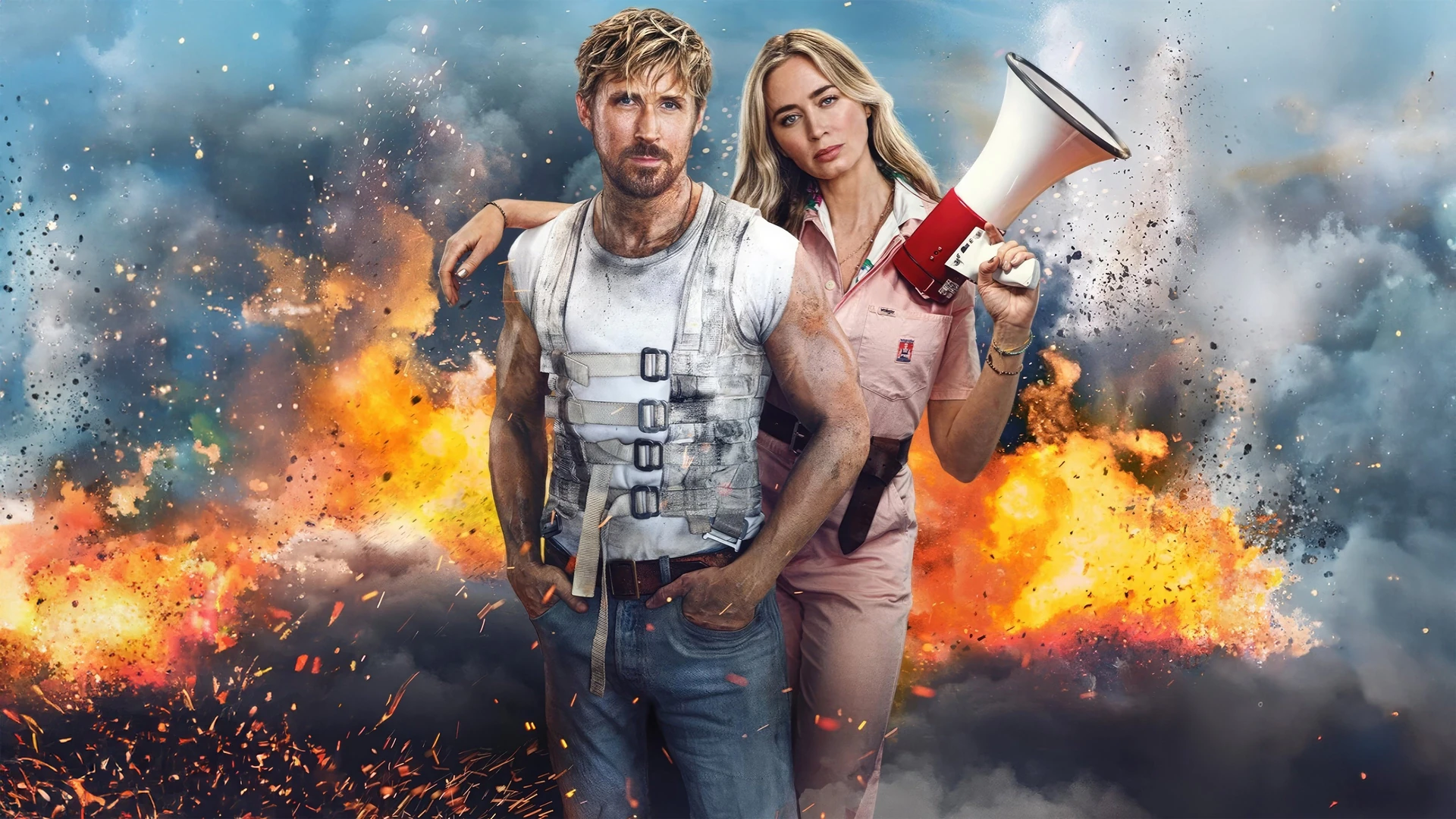
“The true measure of a man is not what he does when he has everything, but what he does when he has nothing.” — Unknown
The Fall Guy (2024), David Leitch’s love letter to the unsung heroes of cinema, arrived with a considerable buzz, propelled by the undeniable charisma of Ryan Gosling and Emily Blunt. It’s a film that, at first glance, promises pure popcorn entertainment—a high-octane action-comedy wrapped in a charming romance. And it largely delivers on that promise, earning generally positive marks from critics and audiences alike for its exhilarating stunts and magnetic lead performances. However, beneath the dazzling explosions and witty banter, there’s a quieter, more profound conversation happening about invisibility, authenticity, and the existential weight of being a stand-in. While some critics, myself included, found its central mystery plot a tad thin or convoluted at times, the film’s deeper thematic currents are what truly linger, inviting us to reflect on who gets to be the hero, both on screen and in life.
The Invisible Laborer and the Authentic Self
Let’s address the elephant in the room first: the plot. Many reviews, and indeed my own experience, pointed to The Fall Guy’s narrative as its weakest link. The mystery surrounding the missing star, Tom Ryder (Aaron Taylor-Johnson), and the conspiracy Colt Seavers (Ryan Gosling) unravels, often feels like a necessary but ultimately secondary vehicle for the real show: the stunts and the romance. It’s a bit messy, occasionally predictable, and sometimes struggles to maintain consistent pacing. But here’s the rub: is the convoluted plot a flaw, or is it, ironically, a meta-commentary on the often-chaotic and secondary nature of narrative coherence in blockbuster filmmaking, where spectacle reigns supreme?
Regardless, what truly shines is the film’s heartfelt tribute to stunt performers. Colt Seavers is the ultimate “fall guy”—the one who takes the literal and metaphorical hits so the star can look good. His entire professional identity is built on being seen, but not really seen. He embodies the invisible labor that underpins so much of our entertainment. This raises profound questions about recognition and self-worth. For Colt, the career-ending accident isn’t just a physical injury; it’s a blow to his sense of purpose and his place in the world. He’s not just recovering from a fall; he’s grappling with the fear of becoming truly invisible.
Key themes to explore:
- The invisibility of essential work — how society often overlooks the foundational contributions that enable grander narratives.
- The existential dilemma of the ‘stand-in’ — living in someone else’s shadow, performing another’s heroism, and the struggle to forge one’s own identity.
- The pursuit of authenticity — Colt’s journey isn’t just about solving a mystery or winning back Jody (Emily Blunt); it’s about reclaiming himself as Colt, not just Tom Ryder’s double.
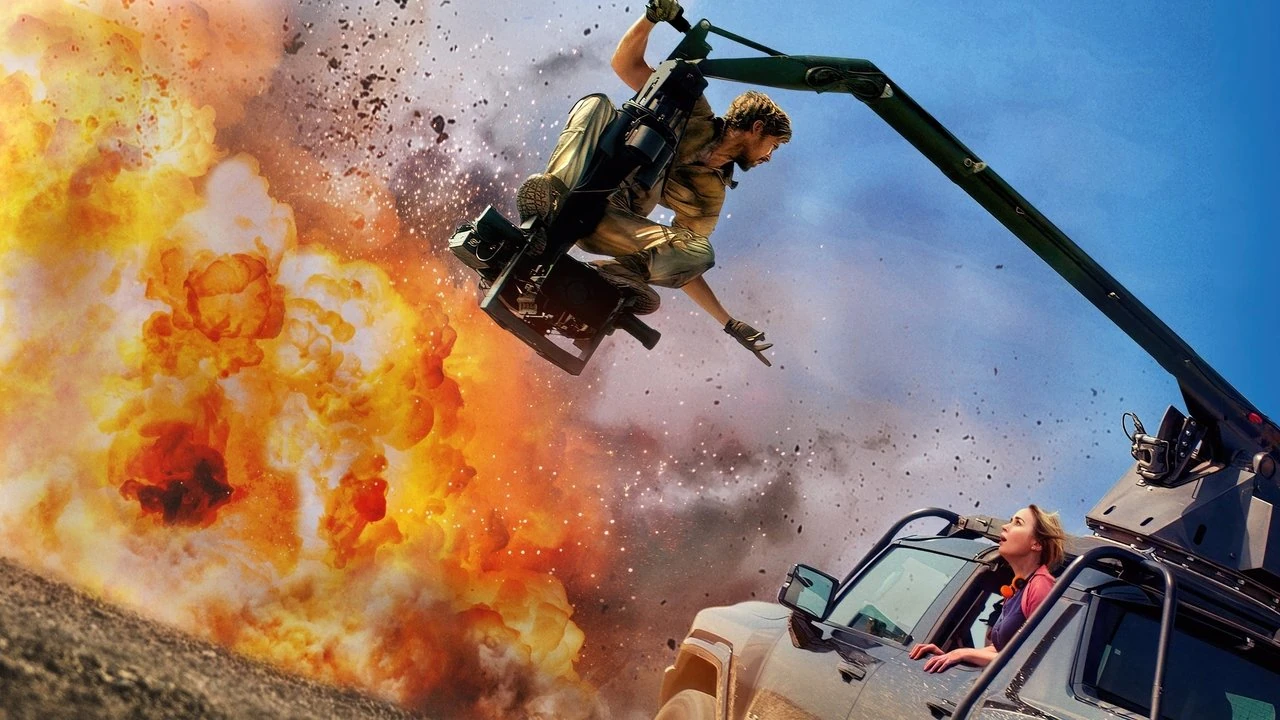 Colt Seavers, battered but determined, navigating the treacherous world behind the scenes, a testament to the stuntman’s resilience.
The Artifice of Cinema and the Reality of Risk
The Fall Guy is a movie about making a movie, which immediately plunges us into a fascinating exploration of artifice versus reality. We see the meticulous construction of dangerous scenes, the careful choreography, and then the stunning, often terrifying execution. This meta-narrative is where the film finds some of its sharpest philosophical edges. The very job of a stuntman is to create the illusion of danger, yet the danger itself is profoundly real. This is a powerful paradox.
The ultimate act of cinematic deception lies not in making the impossible seem real, but in making the real so dangerous it appears impossible—all for the sake of a story.
Critics were divided on how well the film balanced its various elements. Some felt the romance, while charming, occasionally pulled focus from the stunt work’s celebration. Others found the tonal shifts between slapstick comedy, gritty action, and genuine emotional drama a bit uneven. Yet, perhaps this very “messiness” reflects the chaotic reality of filmmaking, where disparate elements are forced together, sometimes awkwardly, to create a cohesive whole. The film doesn’t shy away from showing the sheer risk involved—the broken bones, the near misses, the constant flirtation with serious injury or death. It forces us to confront the ethical implications of a job that demands such physical sacrifice for entertainment. It’s a job built on illusion, yet demanding ultimate physical truth from its practitioners. The vibrant chemistry between Gosling and Blunt, portraying Colt and Jody, acts as a crucial anchor, a beacon of genuine human connection amidst the manufactured chaos and dangers of their professional lives. Their relationship grounds the spectacle in an emotional reality, reminding us what Colt is fighting for beyond just a paycheck or a movie credit.
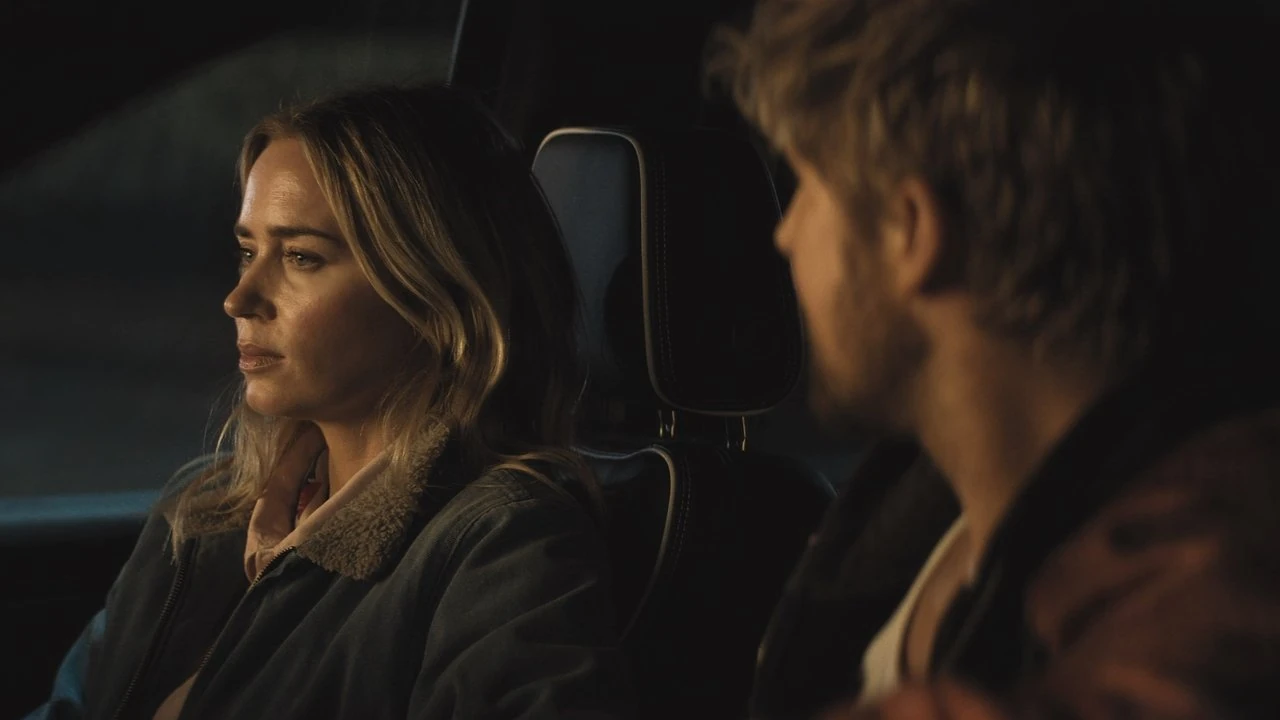 Ryan Gosling and Emily Blunt share a moment of genuine connection amidst the high-stakes chaos of a film set, highlighting the human heart of the story.
Beyond the Stunt: Love, Legacy, and Redemption
At its heart, The Fall Guy asks a fundamental question: what does it mean to “fall” and rise again? Colt’s journey is one of profound redemption, not just for his career, but for his emotional life. His accident stripped him of his professional identity and, consequently, his confidence in his personal relationships. The film argues that true heroism isn’t always about being in the spotlight; it’s about showing up, doing the hard work, and taking the hits for those you care about. It’s about the quiet, often unacknowledged bravery of facing your fears, both physical and emotional.
The film also subtly explores the concept of legacy. How do you want to be remembered when your job is to make someone else look heroic? For stunt performers, their greatest triumph is often to disappear seamlessly into the character, allowing the star to take all the credit. The Fall Guy is an argument for acknowledging that legacy, for giving credit where credit is due, and for understanding that the collective effort is what truly makes art. It’s about the inherent value in every single role, no matter how unseen. Colt’s ultimate triumph isn’t just about saving the day; it’s about being seen and loved for who he is, not just for what he does for others.
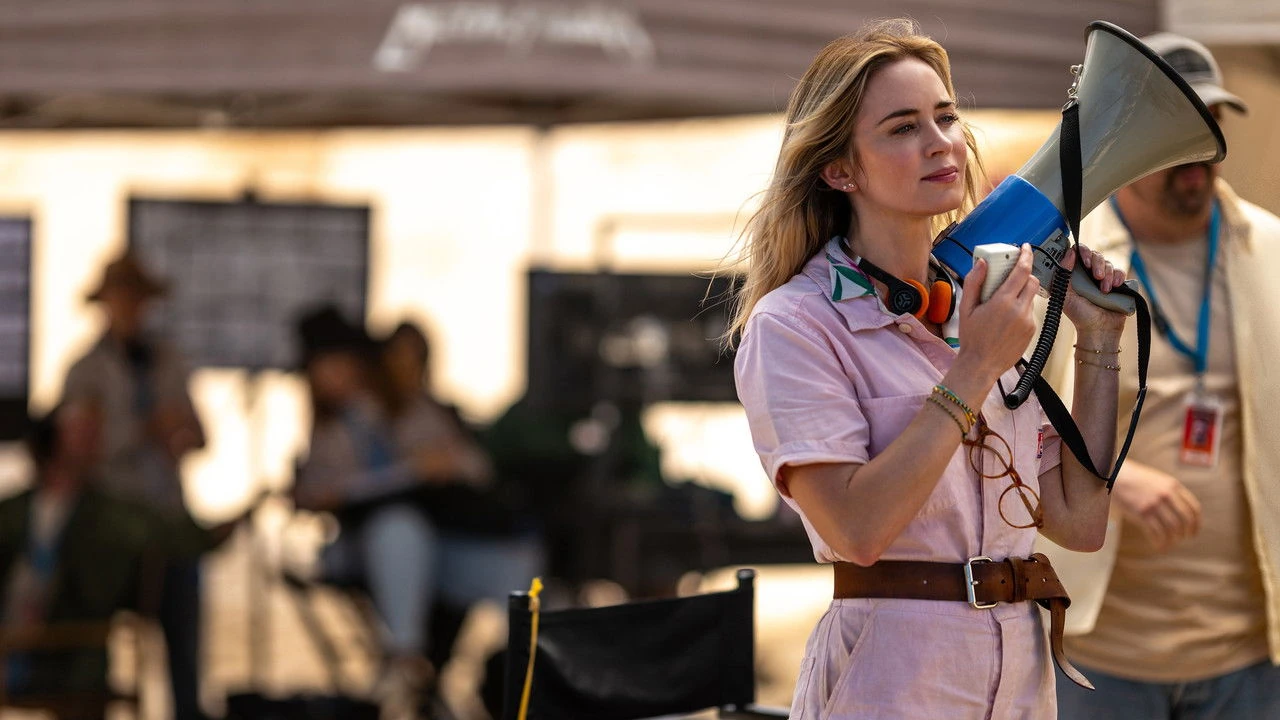 A dynamic stunt sequence showcasing the precision and danger involved, emphasizing the incredible skill and bravery of stunt performers.
While The Fall Guy might struggle to deliver a truly groundbreaking plot, its true philosophical value lies in its earnest, high-octane plea for us to see beyond the manufactured glamour and acknowledge the real people, real risks, and real heart that bring cinematic magic to life.
In its vibrant, often messy, but undeniably entertaining package, The Fall Guy offers a compelling meditation on the nature of heroism, the ethics of entertainment, and the deep human need for recognition. It reminds us that often, the most courageous acts are performed by those standing just out of frame, taking the literal fall so that others can fly. It asks us to consider: who are the “fall guys” in our own lives, and are we truly seeing their invaluable contributions?
Where to Watch
- Peacock Premium
- Peacock Premium Plus
What’s Up? explores the philosophical depths of cinema.