The Unsung Sisyphus: The Family Man and the Burden of the Ordinary Hero
Exploring The Family Man's portrayal of the dual life, the banality of heroism, and the sacrifices made for nation and family.
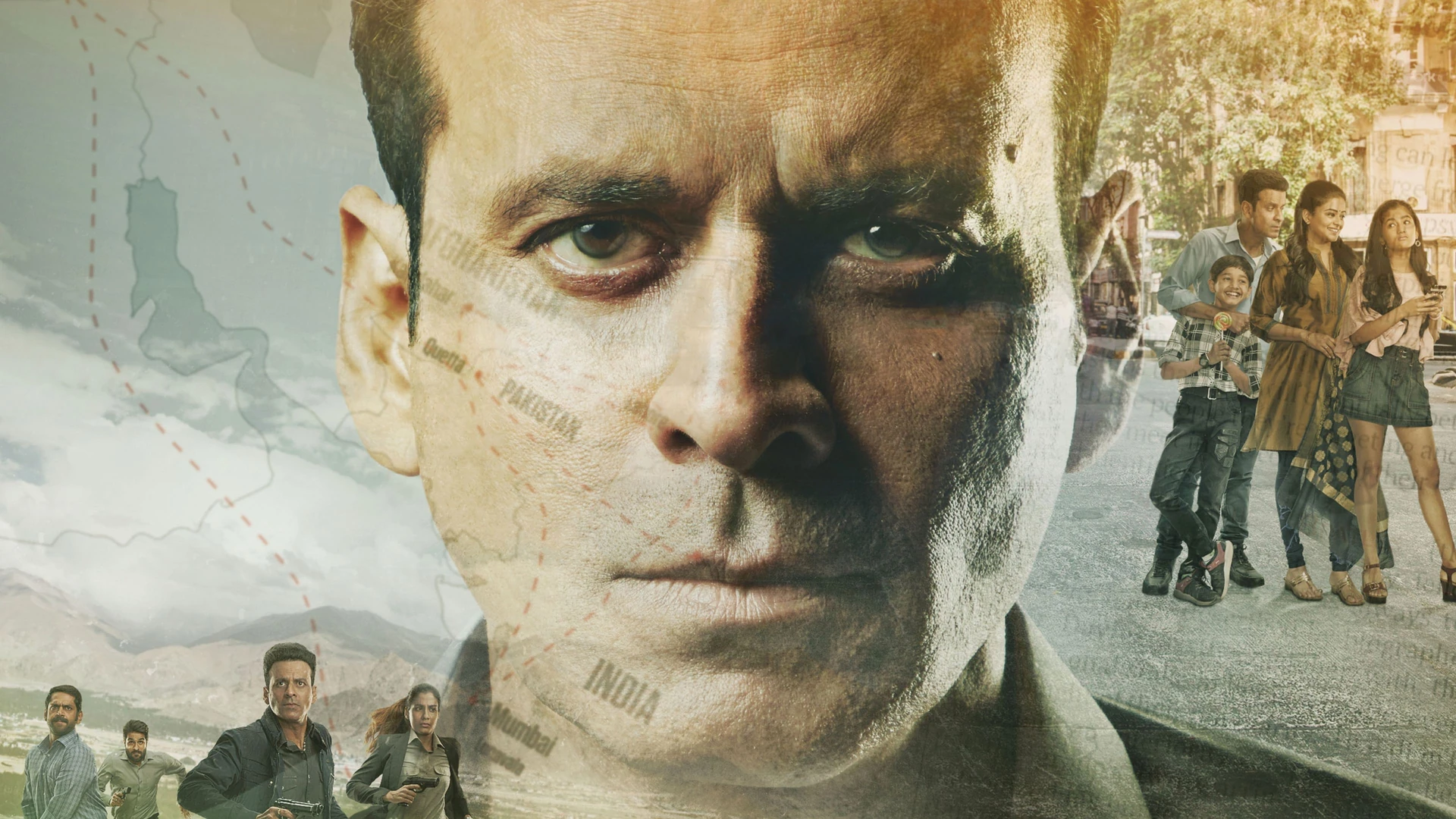
“The most ordinary men are capable of the most extraordinary evil, and of the most extraordinary good.” — Jean-Paul Sartre
In the sprawling, often chaotic landscape of contemporary streaming, where high-octane thrillers and domestic dramas jostle for our attention, Amazon Prime Video’s The Family Man (2019) arrived with a deceptively simple premise: a middle-class man juggling a seemingly mundane government job with the complex demands of family life. But beneath the surface of its relatable, often humorous portrayal of everyday existence, the series quickly unfolds into a taut, thrilling espionage narrative. What makes The Family Man truly compelling, however, isn’t just its critical darling status—boasting an impressive 96% on Rotten Tomatoes and an 8.7/10 on IMDb, a testament to its widespread acclaim—but its profound, almost existential exploration of what it truly means to be a hero in an increasingly complex, morally ambiguous world. While the overwhelming sentiment praised its sharp writing, stellar performances, and thrilling pace, even in its brilliance, some nuanced critiques emerged, often pointing to occasional tonal shifts or plot conveniences that, for a few viewers, momentarily pulled them from its otherwise immersive reality.
The Divided Self: Srikant Tiwari and the Banality of Espionage
At the heart of The Family Man’s philosophical resonance is Srikant Tiwari, brilliantly embodied by Manoj Bajpayee. Srikant isn’t your typical James Bond figure; he’s a man grappling with EMI payments, teenage children’s mood swings, a wife who feels unheard, and the constant threat of a low-paying job that demands his soul. This isn’t just a plot device; it’s a deep dive into the divided self, the constant negotiation between one’s public persona and private reality. For Srikant, his “boring” government job as a senior analyst for the National Investigation Agency (NIA) is a cover for a high-stakes, dangerous life protecting the nation from terrorist threats.
Critics universally lauded Bajpayee’s nuanced performance, highlighting his ability to pivot seamlessly from harried father to ruthless operative. This duality is where the series truly shines, exposing the banality of heroism. Unlike cinematic spies who live glamorous, unattached lives, Srikant’s heroism is messy, grounded, and perpetually at odds with his domestic duties. He’s a Sisyphus, pushing the boulder of national security up a hill, only to come home and face the equally daunting task of helping his daughter with her science project. Some minor criticisms, however, did touch upon how the series, particularly in its initial episodes, sometimes stretched the credibility of Srikant’s ability to maintain such a tight secret from his intelligent wife, Suchi. While essential for the premise, a few viewers found this aspect occasionally strained the otherwise realistic fabric of the show.
Key themes to explore:
- The Veil of Secrecy — how it erodes trust and intimacy in personal relationships.
- Duty vs. Desire — the constant conflict between patriotic obligation and the longing for a normal family life.
- The Unsung Sacrifice — the invisible emotional and psychological toll on those who protect us, often without recognition.
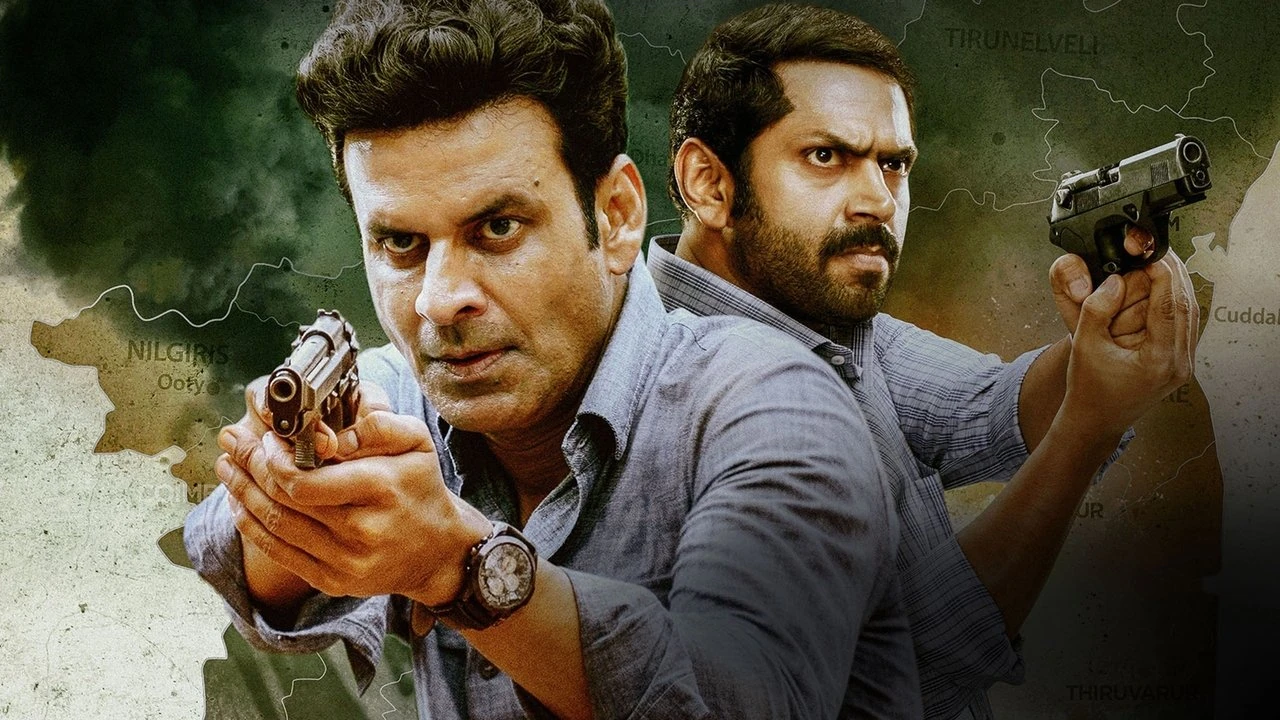 Srikant Tiwari (Manoj Bajpayee) caught between the intense demands of his secret life and the everyday chaos of his family.
The Moral Grey: Weighing the Costs of “The Greater Good”
The Family Man doesn’t shy away from the morally ambiguous world of intelligence work. The series excels at depicting the complexities of geopolitical conflicts, the motivations behind extremism, and the often-uncomfortable decisions made in the name of “the greater good.” It asks us to confront the ethical dilemmas inherent in counter-terrorism, where lines blur between right and wrong, and collateral damage is an unfortunate, often inevitable, reality. The pacing, especially in the later parts of each season, was praised for its relentless tension and thrilling action sequences, pulling viewers into these fraught scenarios.
The show masterfully portrays that true heroism isn’t about clear-cut victories, but about enduring the constant, nagging doubt of whether the sacrifices made were truly worth it.
While the series garnered immense praise for its thrilling narrative, some viewers and critics noted that occasionally, the show’s desire to deliver high-stakes action sometimes led to plot points that felt a little too convenient or coincidental, especially when connecting disparate international and domestic threads. These moments, while few, could momentarily detract from the otherwise gritty realism that defines much of the series. Yet, even through these minor narrative bumps, the series consistently forces us to ponder the consequences of violence and the human cost of ideological battles. It challenges the simplistic narratives often presented in mainstream media, offering a more nuanced, albeit uncomfortable, look at the cycle of extremism and response. The personal struggles of Srikant’s family, particularly his wife Suchi, who feels increasingly alienated and misunderstood, serve as a poignant counterpoint to the national threats, emphasizing that the costs of his job extend far beyond the battlefield.
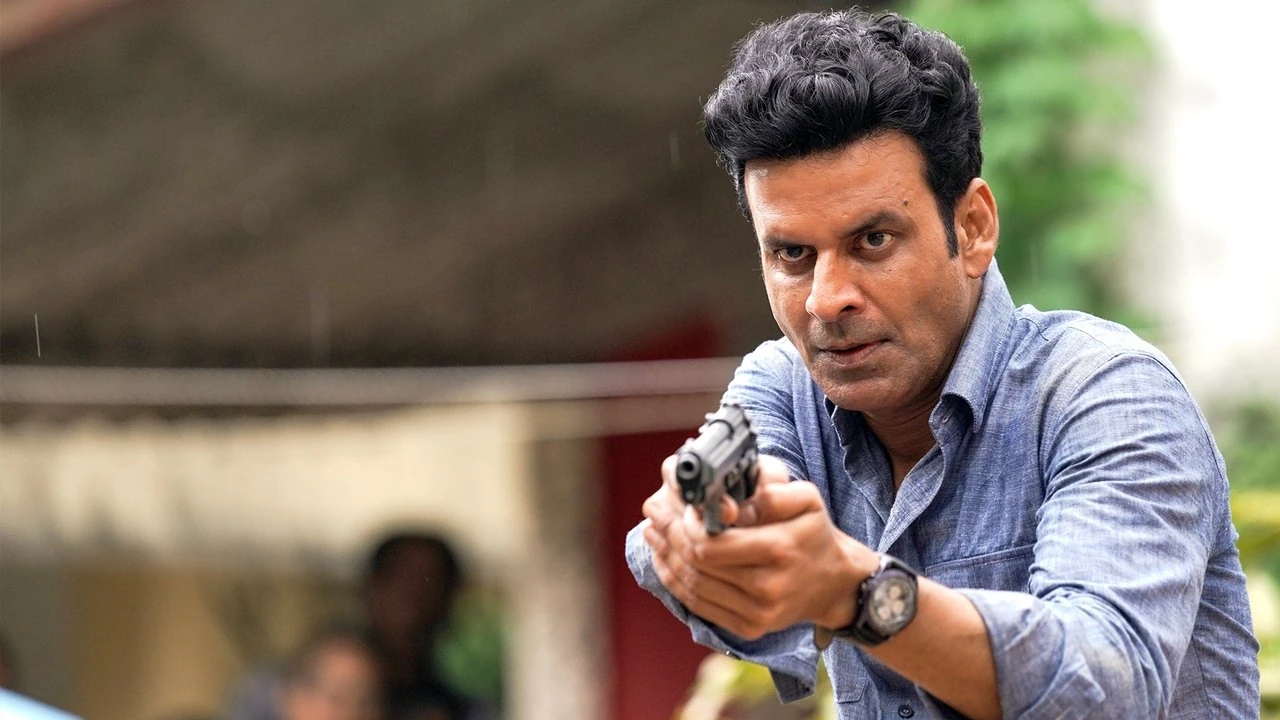 The intense gaze of a character confronting the harsh realities and ethical compromises of their mission.
Beyond the Surface: Relatability in the Face of the Extraordinary
What truly elevates The Family Man beyond a mere spy thriller is its unwavering commitment to relatability. Despite its high-stakes premise and global implications, the series grounds itself in universal human experiences: marital discord, teenage rebellion, financial stress, and the search for identity and purpose. It’s this blend of the extraordinary with the utterly mundane that creates its unique philosophical texture. The struggle to maintain a semblance of normalcy, to shield one’s loved ones from the inherent dangers of one’s profession, is a deeply existential burden.
The director, Raj & DK (a duo, not a single ‘nan’ director as per the IMDb data, which often refers to series as having multiple directors), skillfully weave humor and pathos into the narrative, preventing it from becoming overly bleak. This tonal balance, while occasionally perceived as uneven by a small segment of the audience who preferred a more consistent dramatic approach, is arguably one of the show’s greatest strengths. It mirrors life itself – moments of levity amidst profound tension, ordinary conversations punctuated by existential dread. The Family Man asks us to consider: What does it mean to be a responsible individual when your responsibilities are split between the intimate sphere of family and the vast, abstract sphere of the nation? How do we reconcile our personal desires for peace and stability with the demands of a world constantly teetering on the brink?
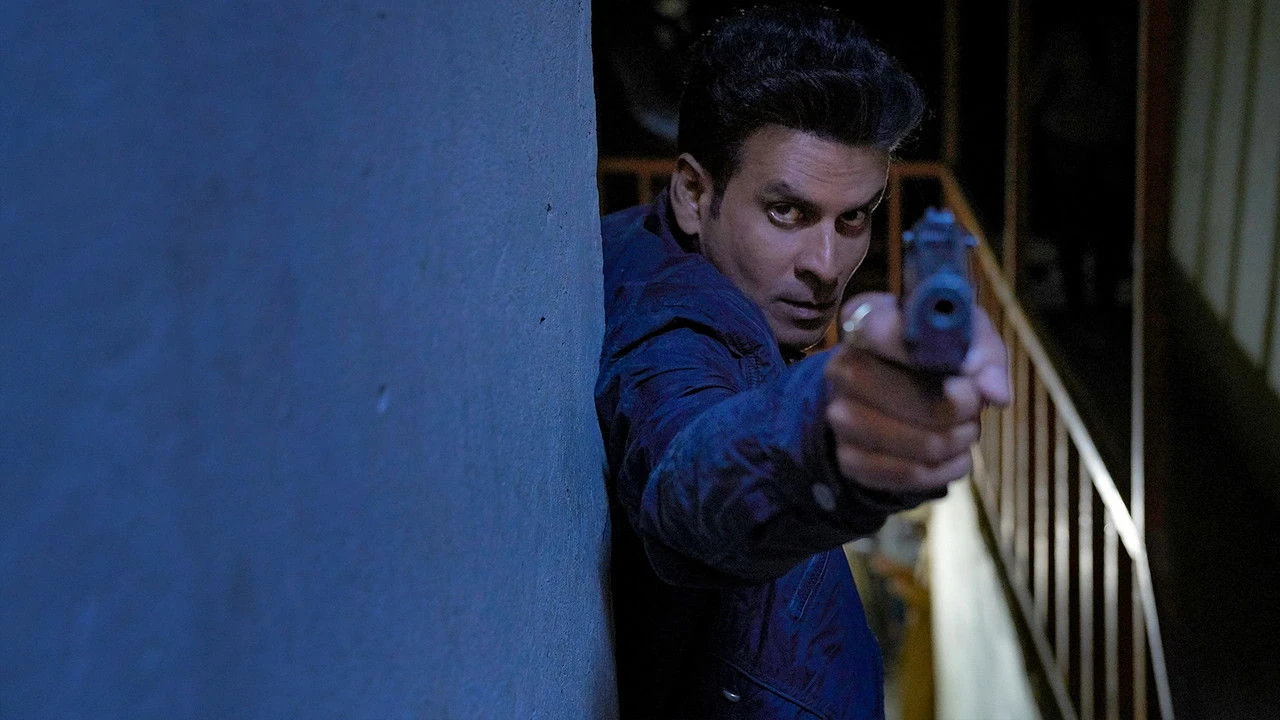 A quiet moment of reflection, hinting at the profound internal struggles beneath a calm exterior.
The series’ enduring legacy lies not just in its thrilling plotlines or its critical acclaim, but in its ability to force us to confront the uncomfortable truth: that the heroes among us often look just like us, burdened by the same anxieties, their silent battles waged not just against external threats, but within the very fabric of their own divided lives.
The Family Man isn’t just an action-packed crime drama; it’s a mirror held up to the complexities of modern existence. It champions the unsung, the overlooked, and the deeply human. It asks us to look beyond the flashy headlines and consider the quiet, agonizing sacrifices made by ordinary people doing extraordinary things. It’s a compelling, thought-provoking journey into the heart of what it means to be a hero, a spouse, a parent, and a citizen in an increasingly interconnected and perilous world, leaving us with a lingering question: how much of ourselves are we truly willing to give, and at what cost, for something larger than ourselves?
Where to Watch
- Amazon Prime Video
- Amazon Prime Video with Ads
What’s Up? explores the philosophical depths of cinema.