The Freelancer's Burden: Ethics, Extremism, and the Existential Weight of Rescue
Exploring The Freelancer, a gripping thriller that dives into the moral complexities of a mercenary's mission to rescue a trapped girl from war-torn Syria.
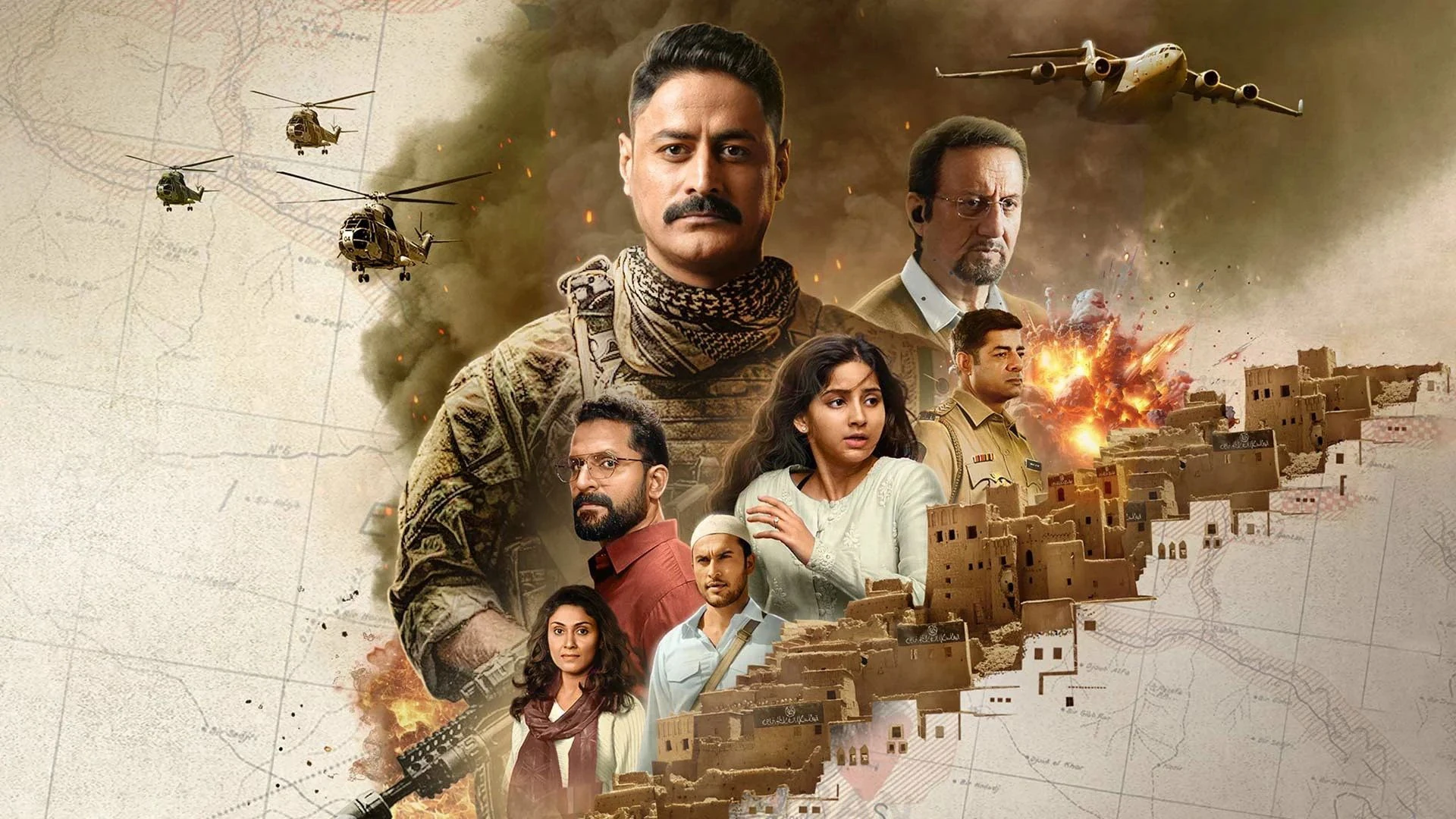
“The ultimate value of life depends upon awareness and the power of contemplation rather than upon mere survival.” — Aristotle
The Freelancer, the 2023 TV series, dropped onto our screens with a premise that immediately grabbed attention: an ex-cop turned mercenary tasked with rescuing a young woman from the clutches of ISIS in war-torn Syria. It’s a setup that practically begs for both visceral action and profound moral reckoning. While audiences largely embraced its gripping narrative, with many praising Mohit Raina’s intense portrayal and Anupam Kher’s gravitas, critical consensus wasn’t entirely uniform. Some noted that despite its compelling core, the series occasionally stumbled with its pacing, feeling a tad stretched in places, and perhaps, at times, relied on established thriller tropes. Yet, even with these acknowledged imperfections, The Freelancer undeniably carves out space for a deeply philosophical dive into the harrowing realities of modern conflict and the unbearable weight of human responsibility.
The Moral Imperative of the Impossible Mission
At its heart, The Freelancer isn’t just an action-thriller; it’s a profound meditation on the moral imperative to act when others cannot or will not. Avinash Kamath, our titular freelancer, isn’t driven by simple patriotism or even pure altruism in the traditional sense, but by a deeper, almost elemental sense of duty. He embodies the question: what do we owe to those caught in circumstances beyond their control? The series, based on Shirish Thorat’s book A Ticket To Syria, thrusts us into Aliya’s nightmare – a newly married girl tricked into entering a caliphate that quickly becomes her prison. Her helplessness is palpable, a stark reminder of the vulnerability of individuals against the backdrop of geopolitical chaos and extremist ideologies.
The philosophical weight here lies in the burden of knowledge. Once Avinash knows Aliya’s plight, can he truly walk away? The series suggests a resounding no. His mission transcends mere contractual obligation, morphing into an almost existential quest for redemption and justice in a world where both seem increasingly scarce. It raises questions about the nature of heroism itself – is it defined by the cape, or by the quiet, often brutal, commitment to a single, impossible task? This isn’t about grand gestures; it’s about the grinding, relentless pursuit of a singular life, against odds that would crush a lesser man.
Key themes to explore:
- Duty beyond the badge — how personal ethics supersede formal structures.
- The fragility of freedom — demonstrated through Aliya’s terrifying entrapment.
- The anatomy of extremism — how ISIS operates not just militarily, but ideologically, preying on innocence.
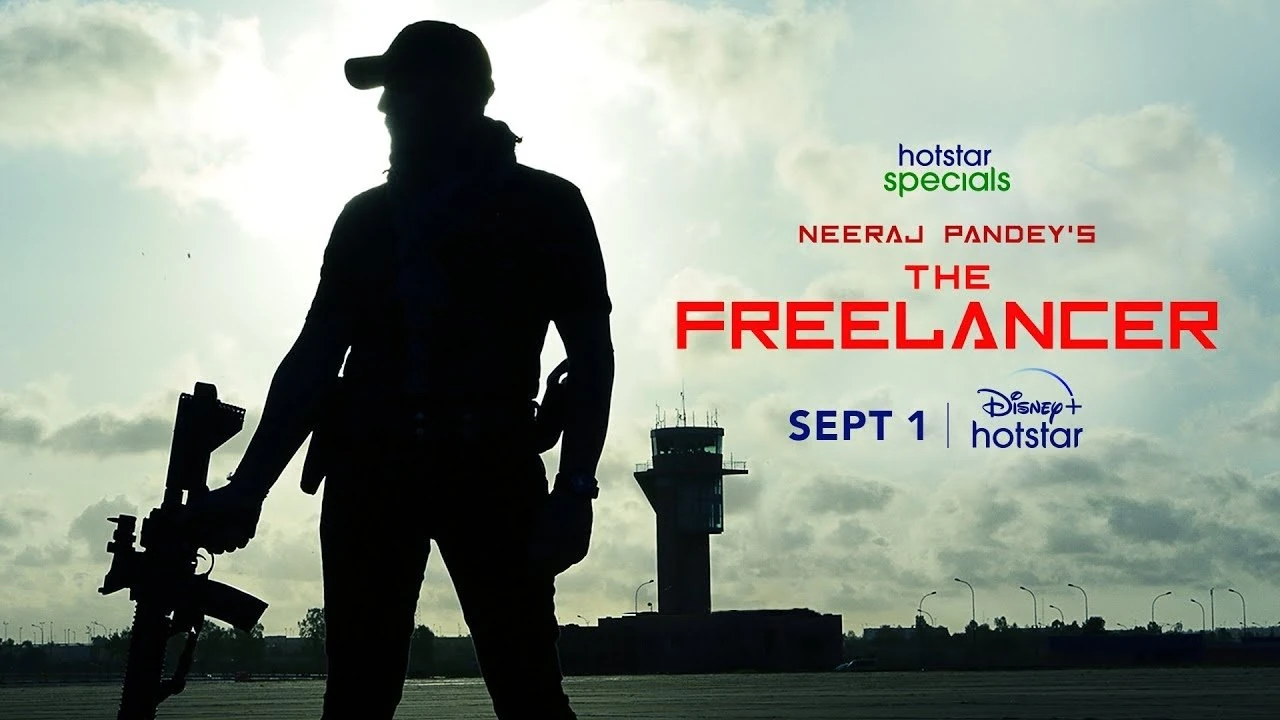 A close-up shot of a determined face, reflecting the heavy burden of a perilous mission.
Navigating the Labyrinth: Strengths, Stumbles, and Human Resilience
The series’ strength, as many critics and viewers pointed out, lies in its unflinching portrayal of the grim realities of the Syrian conflict and the terrifying grip of ISIS. It doesn’t shy away from the brutality, but it also tries to humanize the victims and even some of the more complex characters, adding layers that prevent it from becoming a simplistic good-versus-evil narrative. Mohit Raina’s performance as Avinash, an emotionally scarred but fiercely competent operative, anchors the narrative, giving us a protagonist whose internal struggles are as compelling as his external battles. Anupam Kher, as the analytical and world-weary Dr. Khan, provides a crucial intellectual and emotional counterpoint, guiding Avinash with wisdom honed by experience.
However, as some reviews highlighted, the show’s ambitious scope occasionally leads to uneven pacing. There are moments where the intricate plotting, while necessary for the thriller aspect, can feel protracted, causing the narrative momentum to ebb and flow. This is a common pitfall for series attempting to balance deep philosophical inquiry with genre expectations. Despite these structural quibbles, the series consistently brings us back to the human element. We see the faces behind the headlines, the individual tragedies woven into the tapestry of war. The series doesn’t just show us what happened; it forces us to confront why it matters, echoing the profound impact of real-life stories.
This is where we discover the true weight of choice — not in the outcome, but in the becoming of a person willing to stake everything for another, against the crushing indifference of the world.
What truly works here is the portrayal of resilience. Aliya’s struggle for survival, her quiet defiance, and Avinash’s unwavering resolve become testaments to the indomitable human spirit. It’s a grim reminder that even in the darkest corners, the will to live, to fight, and to reclaim one’s humanity can persist. The series, for all its action set pieces, ultimately becomes a character study of those pushed to their absolute limits.
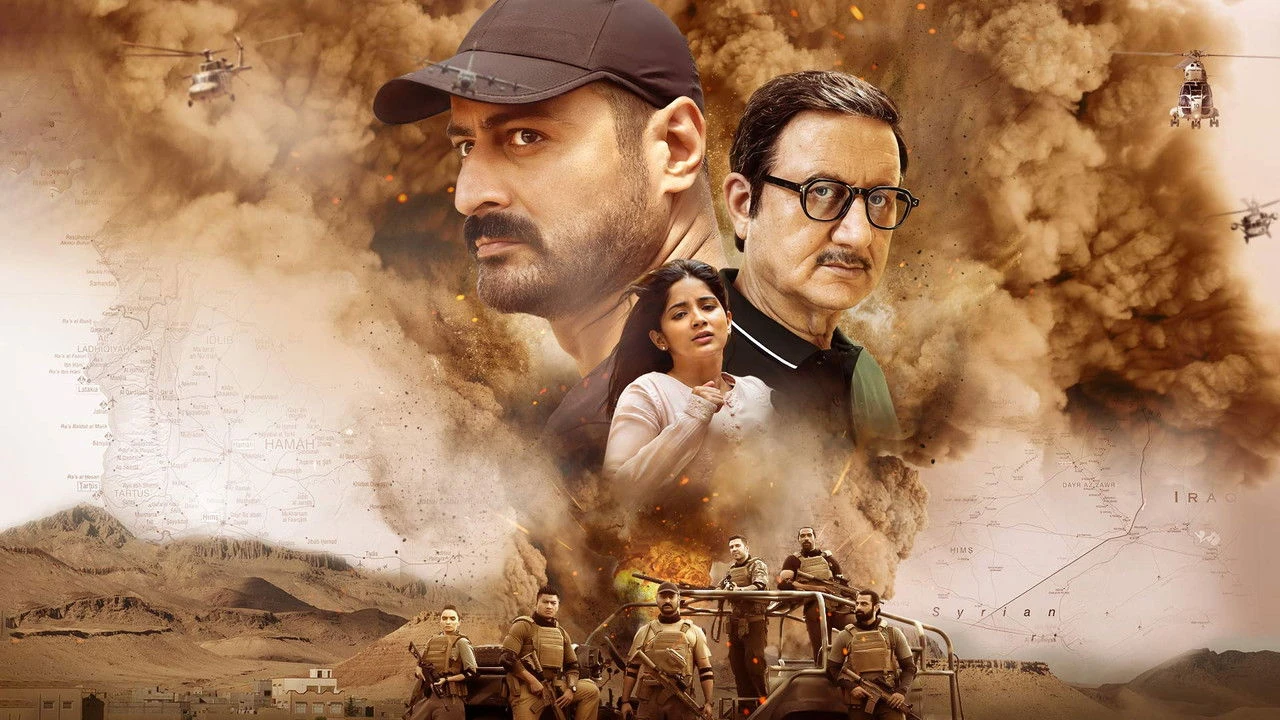 A scene depicting tension and careful planning, emphasizing the strategic and dangerous nature of the rescue.
Beyond the Surface: The Existential Echoes of a Modern Crusade
Beyond the thrilling premise and commendable performances, The Freelancer dares to ask deeper, more existential questions about our contemporary world. In an era marked by proxy wars, information warfare, and the rise of non-state actors like ISIS, what does it mean to fight for justice? Where do the lines blur between mercenary work and moral crusade? Avinash is not a state actor, bound by international laws or diplomatic protocols. He operates in the shadows, a lone wolf guided by a personal code that often clashes with conventional morality. This makes him a fascinating philosophical figure – a man who embodies the moral ambiguities of modern conflict.
The series implicitly explores the nature of evil – not as a cartoonish villainy, but as an insidious ideology that manipates faith, hope, and desperation. It forces us to consider how such a system ensnares individuals and the immense difficulty of extracting oneself from its grip. The rescue mission itself becomes a metaphor for reclaiming agency, for pulling a soul back from the abyss of ideological corruption and physical captivity. It’s a reminder that sometimes, hope isn’t a grand political solution, but a single, desperate act of defiance by one individual for another.
The narrative also subtly touches on the fragility of identity when one is stripped of freedom and choice, as Aliya is. Her journey, even within the confines of her situation, is one of internal survival, of clinging to the remnants of who she was before the nightmare began. The Freelancer serves as a stark mirror, reflecting the global anxieties of our time, the vulnerability of innocence, and the enduring, though often painful, necessity of human connection and rescue.
The lingering question The Freelancer leaves us with isn’t just whether Aliya is rescued, but what kind of world produces such nightmares, and what kind of individual is willing to descend into that darkness to retrieve a lost soul, forever altered by the journey.
Ultimately, The Freelancer might have its structural imperfections, and its narrative might occasionally stretch the bounds of belief for some, but its core philosophical inquiry remains potent. It’s a story that compels us to look at the shadows of our world, not just with fear, but with a profound sense of shared humanity and the enduring, often solitary, struggle for light. It asks us to consider the price of freedom, the cost of courage, and the quiet, relentless will to reclaim what is lost, even when the world seems to have given up.
What’s Up? explores the philosophical depths of cinema.