The Gentlemen's Paradox: Inherited Empires and the Perils of Pretence
Exploring Guy Ritchie's The Gentlemen (2024), its themes of legacy, identity, and moral compromise, balancing critical reception with philosophical depth.
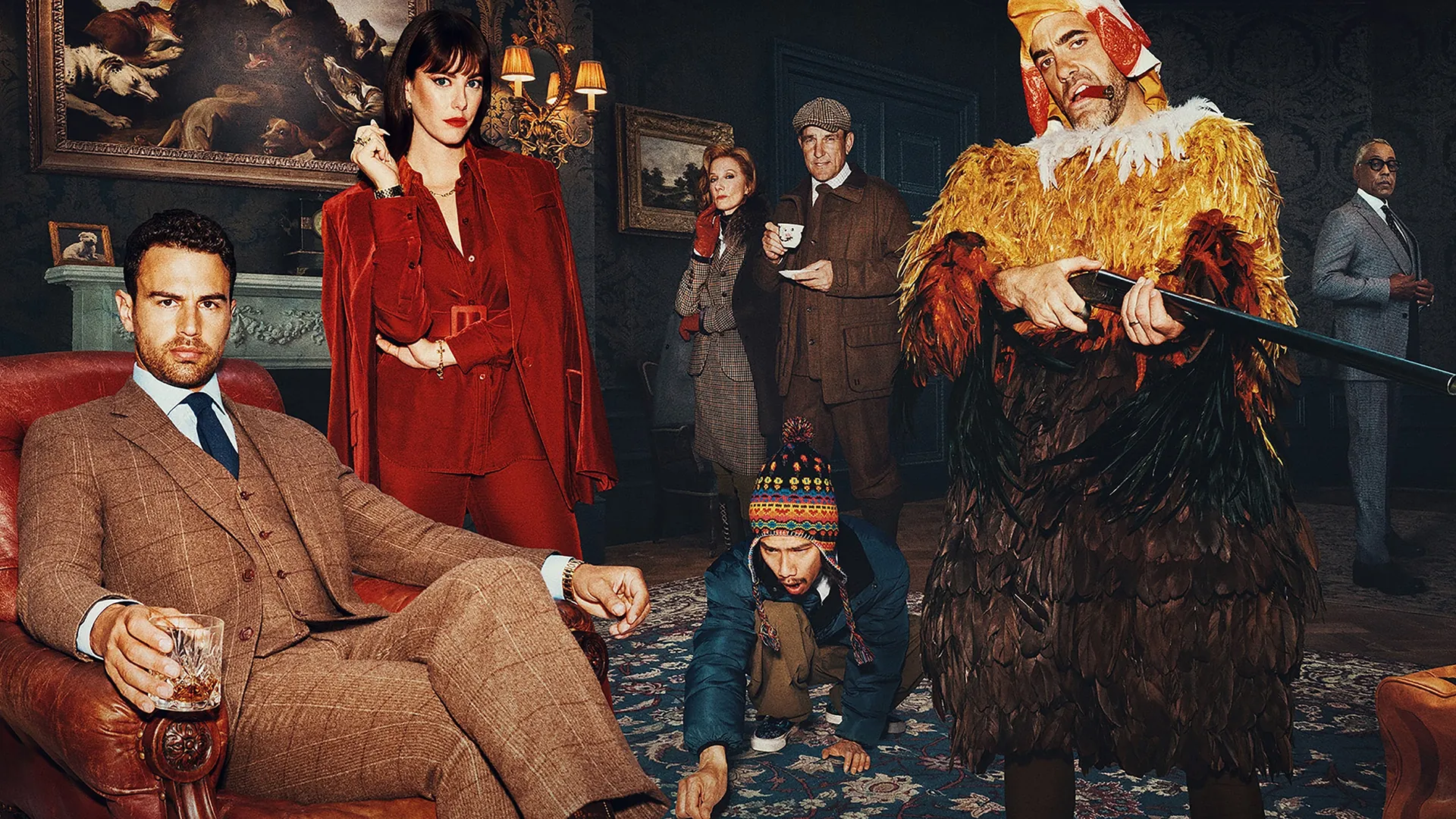
“We inherit not only our fathers’ traits, but also their debts.” — A less poetic adaptation of an old truth
Guy Ritchie’s The Gentlemen (2024) series sashays onto our screens with all the swagger and sartorial elegance we’ve come to expect from the director. It’s a stylish, quick-witted romp through the British criminal underworld, echoing the cinematic universe Ritchie established with his 2019 film of the same name. And honestly, it’s a lot of fun. But beneath the slick suits and rapid-fire banter, what does this aristocratic descent into cannabis cultivation really say about us? While the series garnered a respectable 71% on Rotten Tomatoes and a “mixed or average” 65/100 on Metacritic, critics were quick to point out its familiarity, some calling it a comfortable retread rather than a bold new chapter. Yet, even in its familiar grooves, The Gentlemen dares to ask some rather intriguing questions about legacy, identity, and the often-perilous performance of gentlemanliness.
The Uncomfortable Crown: Nobility, Illicit Empire, and Identity
At its core, The Gentlemen is a story of Eddie Horniman (Theo James), a decorated soldier who unexpectedly inherits his family’s sprawling estate and the Dukedom of Halstead. Sounds like a dream, right? Not quite. He soon discovers the ancestral lands are merely a front for a colossal, highly sophisticated cannabis empire, run by the formidable Susie Glass (Kaya Scodelario) and her incarcerated father. This immediate collision of Eddie’s established aristocratic identity with a deeply entrenched criminal enterprise sets the stage for an existential dilemma.
This isn’t just a plot device; it’s a potent philosophical hook. Eddie, the “good” son, the soldier who sought a life of honor, is thrust into a world where honor is a mutable concept, twisted to fit the brutal logic of the underworld. He’s forced to confront the duality of legacy: the inherited prestige of his family name and the inherited criminality that underpins it. Can one truly disentangle themselves from the sins of their predecessors, especially when those sins are literally sewn into the fabric of their estate? Critics noted that while the premise is engaging, the series occasionally leans too heavily on established Ritchie tropes, potentially sacrificing character depth for stylistic flair. However, even if the individual characters aren’t always deeply explored, their collective predicament serves as a mirror for society’s own hypocrisies.
Key themes to explore:
- Inherited Guilt — Can one truly be innocent when benefiting from illicit gains?
- The Performance of Class — How much of “gentlemanliness” is an act, and how does crime expose its fragility?
- Adaptation vs. Corruption — Is Eddie truly changing the game, or simply becoming a more polished version of what he despises?
 Theo James’s Eddie Horniman, caught between the brutal realities of the underworld and the refined image of an aristocrat.
The Ritchie-verse Revisited: Style, Substance, and the Critics’ Gaze
The show is undeniably a Guy Ritchie joint through and through. We get the signature rapid-fire dialogue, the labyrinthine plot twists, the eccentric criminal types, and a visual aesthetic that screams “British gangster chic.” Audiences, many of whom are fans of Ritchie’s previous work, largely embraced this, praising the entertainment value, strong performances (Theo James and Kaya Scodelario, especially), and overall fun factor. On IMDb, user reviews are overwhelmingly positive, highlighting the show’s energy and escapism.
However, some critics, while acknowledging the series’ undeniable entertainment, couldn’t shake the feeling of déjà vu. They argued that the stylistic tics, while enjoyable, sometimes masked a lack of emotional heft or genuine thematic innovation. The Guardian noted it “plays exactly to Ritchie’s strengths, but also his weaknesses.” This brings us to a crucial point about the philosophical value of art: when does style elevate substance, and when does it become a distraction?
The true game isn’t just about winning, but about understanding the rules—and then deciding which ones you’ll break, and which ones will break you.
In The Gentlemen, the polished veneer of the aristocracy and the slick operations of the weed empire are two sides of the same coin, both governed by unspoken rules of power and reputation. The very performance of being a gentleman, or a gangster, becomes a central theme. Eddie’s struggle isn’t just about cleaning up a mess; it’s about navigating the conflicting codes of conduct, where the “old money” rules of honor and the “new money” rules of the drug trade overlap in surprisingly brutal ways. The series, despite criticisms of being occasionally thin on plot or character development, excels in showcasing this theatricality of power.
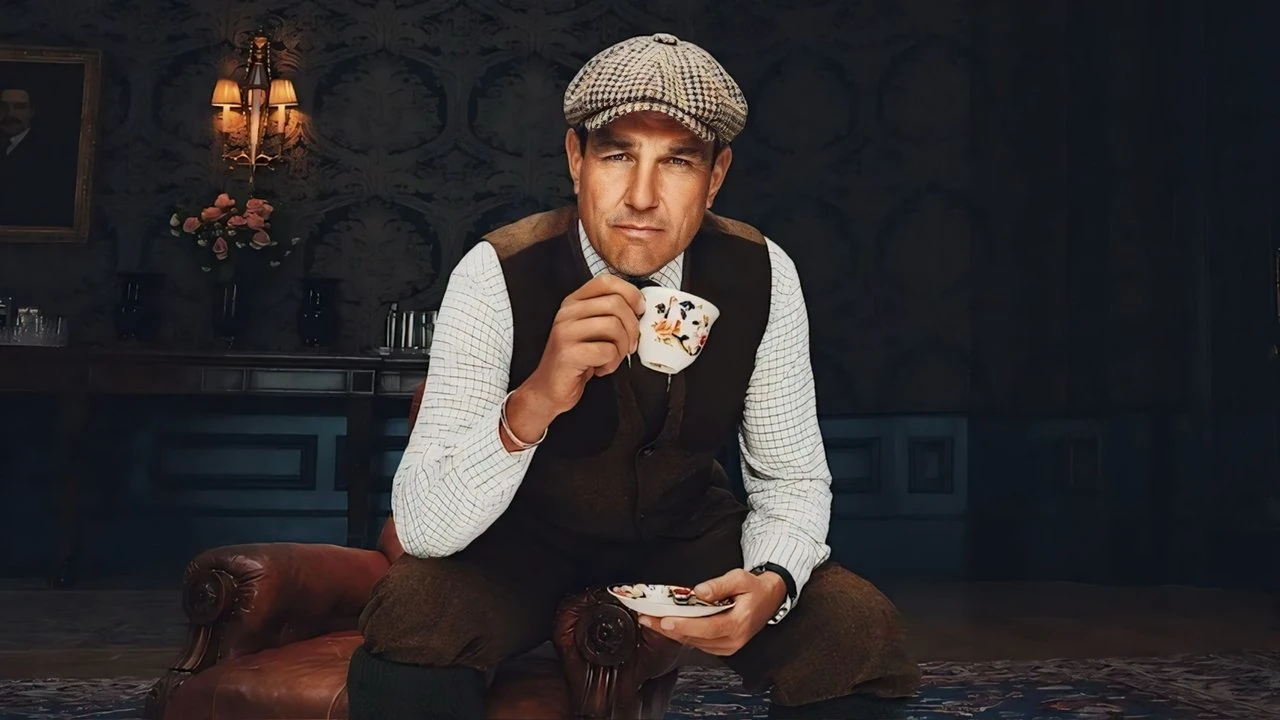 Kaya Scodelario’s Susie Glass embodies shrewd intelligence and unwavering control, a modern monarch of the underworld.
The Gentleman’s Paradox: Morality in the Margins
Perhaps the most potent philosophical question The Gentlemen poses is: What truly defines a gentleman? Is it birthright? Is it conduct? Or is it merely the ability to maintain a facade, regardless of the underlying depravity? Eddie, initially horrified by his family’s criminal entanglement, slowly but surely begins to adapt. He applies his military training and aristocratic cunning to the “family business,” proving surprisingly adept at navigating the treacherous waters. This journey forces us to confront the nature of moral compromise. Does actively participating in a criminal enterprise, even with the intention of dismantling it or making it “more respectable,” still make one a criminal?
The series plays with the idea of a moral gray area, where traditional notions of good and evil blur. The villains are often charming, and the heroes are frequently ruthless. This ambiguity, while entertaining, also serves as a critical lens on societal norms. We are often quick to judge overt criminality, but what about the subtle, often legal, forms of exploitation and power-grabbing that exist within the “legitimate” upper echelons of society? The Gentlemen suggests that the two aren’t so different after all; one just has better tailoring. The characters’ relentless pursuit of self-preservation, often at the expense of others, highlights a certain nihilistic undercurrent—where the rules are made up, and “honor” is just another tool of manipulation.
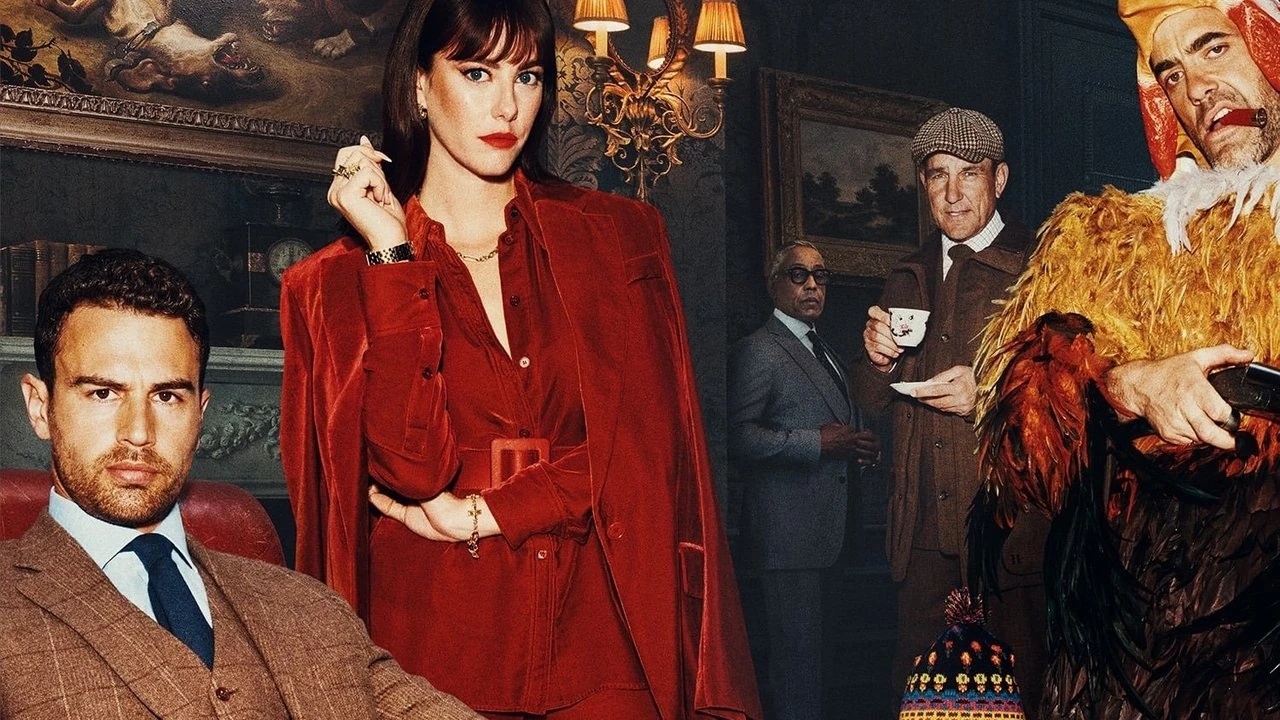 The intricate web of characters in The Gentlemen, each playing a crucial role in the high-stakes game of power and survival.
In the end, we don’t just inherit a legacy; we become it, for better or worse, stained by its shadow and shaped by its demands.
The Gentlemen may not redefine the philosophical landscape of television, and its familiar style might have left some critics wanting more originality. But its undeniable charm and energetic pacing offer a compelling stage for exploring the existential tightrope walk of its protagonist. It’s a show that, despite its stylistic flourishes and occasional narrative shortcuts, asks us to ponder the true cost of an inherited legacy, the mutable nature of identity, and the unsettling ease with which “gentlemen” can slide into the morally ambiguous depths of crime. It’s a fun ride, yes, but it also prompts a quiet reflection: how many of our own lives are built on foundations we’d rather not scrutinize too closely?
Where to Watch
- Netflix
- Netflix Standard with Ads
What’s Up? explores the philosophical depths of cinema.