The Unbearable Weight of Loyalty: Unpacking The Godfather's Moral Calculus
Dive into Francis Ford Coppola's masterpiece, The Godfather, to explore its profound questions about power, family, and the seductive, destructive nature of loyalty.
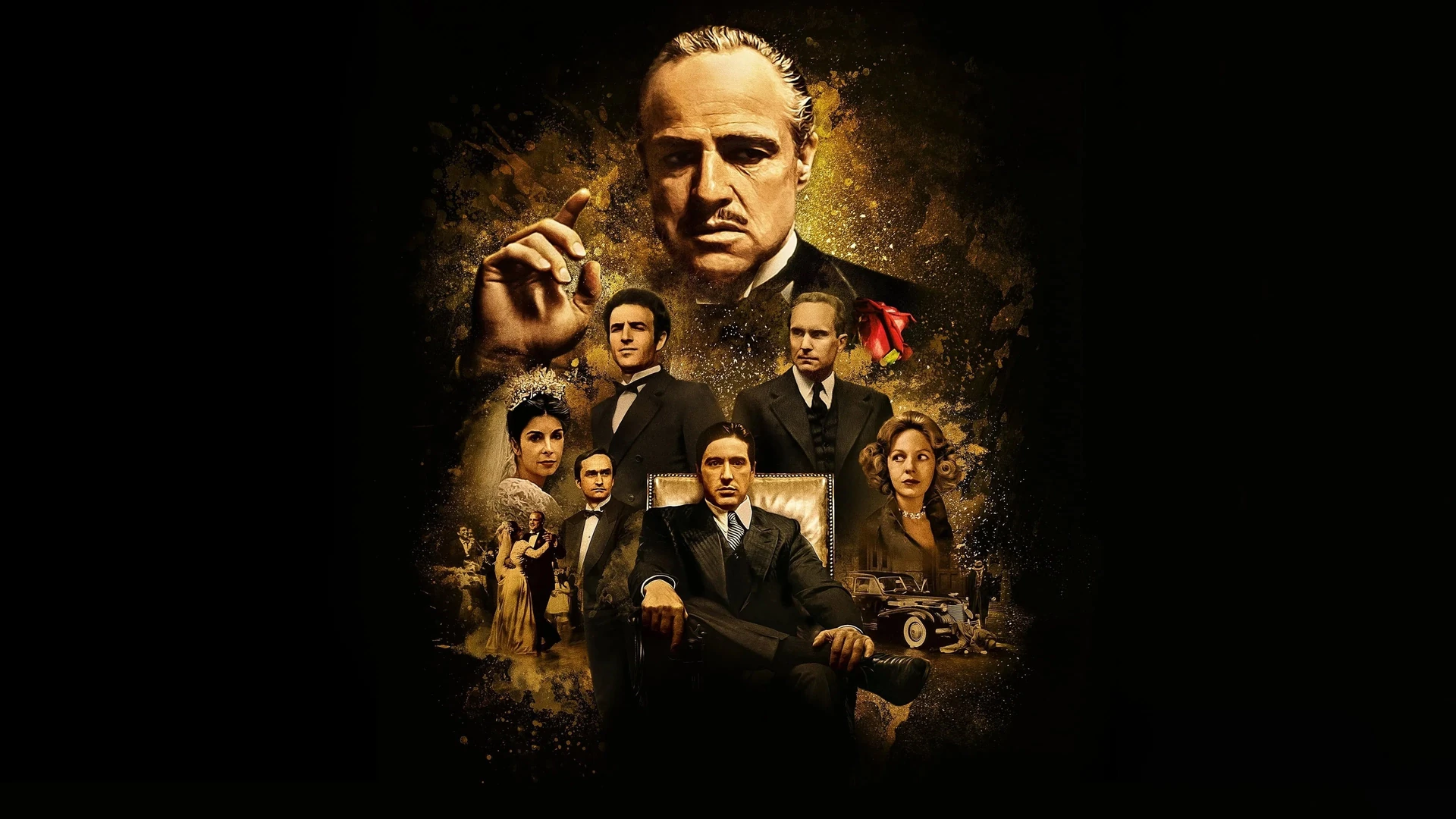
“A man who doesn’t spend time with his family can never be a real man.” — Vito Corleone
To speak of The Godfather (1972) is to navigate hallowed ground in cinematic history. Francis Ford Coppola’s epic crime drama isn’t just a film; it’s a cultural monolith, a benchmark against which all others are often measured. It’s lauded with such universal acclaim—a near-perfect 97% on Rotten Tomatoes, a flawless 100 on Metacritic—that dissecting it can feel almost redundant, like explaining why the sky is blue. Yet, its philosophical depths aren’t found in its perfection alone, but in the unsettling questions its perfection evokes. It’s a film so meticulously crafted, so deeply immersive, that its brilliance almost becomes a burden, forcing us to confront uncomfortable truths about power, family, and the American soul. It’s a masterpiece, yes, but one that leaves a bitter aftertaste, a melancholic ache for what’s lost in the relentless pursuit of self-preservation.
The Inescapable Gravity of Family
At its core, The Godfather is a saga about family, yet it quickly subverts any sentimental notions of the word. For the Corleones, family is both a sanctuary and a cage, a source of unwavering loyalty and the very instrument of one’s undoing. Vito Corleone (Marlon Brando) presents a façade of traditional values, dispensing wisdom and justice from his study, but his teachings are steeped in a brutal pragmatism. He loves his children, certainly, but his love is inextricably linked to the ‘family business,’ which is anything but traditional. This inherent contradiction is the film’s beating heart.
Critics and audiences alike have often been captivated by the seemingly noble aspects of the Corleone family—their loyalty, their self-reliance, their creation of their own system of justice where the state failed them. But this is precisely where the film’s philosophical brilliance lies: it forces us to question the nature of virtue itself when it’s born from violence and maintained through intimidation. We see Michael Corleone (Al Pacino), initially the war hero, the outsider, inexorably drawn into this orbit. His transformation isn’t a sudden fall, but a slow, chilling descent, each choice a step deeper into the moral abyss, driven by a twisted sense of duty. The film masterfully portrays this as less a choice and more a destiny, an inescapable gravitational pull that demands sacrifice—not just of others, but of one’s own soul. Some viewers might, rightfully, find this glorification of a criminal enterprise unsettling, even while acknowledging the film’s intent to show the tragedy within. It’s a testament to Coppola’s direction that we understand, if not sympathize with, the forces that shape Michael.
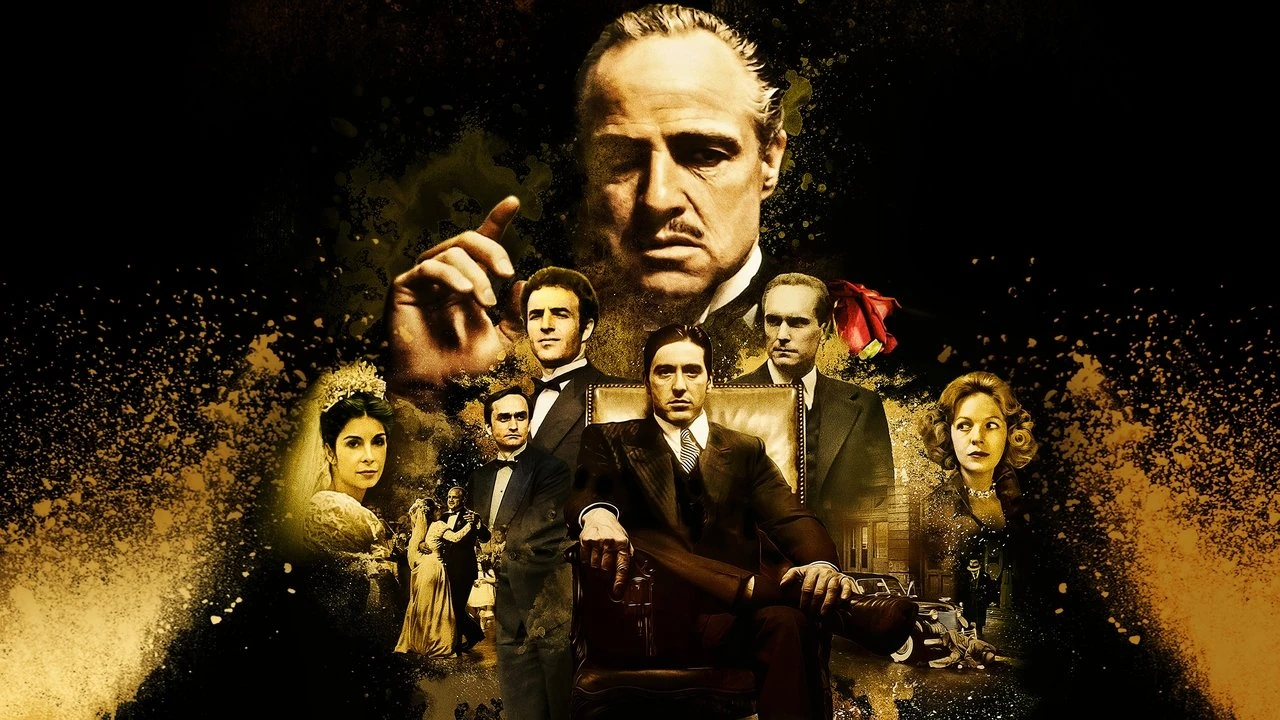 Vito Corleone, the patriarch, embodies the deceptive strength and gentle ruthlessness of family.
The Brutal Poetry of Power
The narrative structure, spanning 1945 to 1955, meticulously chronicles the Corleone family’s consolidation of power after Vito’s near-fatal assassination attempt. What follows is not just revenge, but a calculated, cold-blooded assertion of dominance. The film doesn’t rush this; its 175-minute runtime is a deliberate, slow burn, allowing the nuances of negotiation, betrayal, and violence to unfold with painstaking detail. While some modern viewers accustomed to faster pacing might initially find it deliberate, this meticulousness is crucial. It’s not just about what happens, but how it happens, and the inescapable consequences that ripple outwards.
The film operates on a chilling logic: the world is inherently unjust, and the only true justice is that which you can enforce yourself. This isn’t just a cynical observation; it’s the Corleones’ guiding philosophy. The violence, when it erupts, is sudden, brutal, and often juxtaposed with moments of serene beauty—a baptism intercut with assassinations, a wedding feast followed by murder. This aestheticization of brutality is one of the film’s most controversial and effective techniques. It doesn’t glorify violence in a simplistic way, but rather shows how intertwined it is with the very fabric of power, respect, and order within their world.
The film reveals that power isn’t merely about control; it’s about the psychological manipulation of fear and desire, the art of making an offer one simply cannot refuse.
The performances, particularly Brando’s iconic Vito and Pacino’s devastating Michael, are studies in the corrosive nature of this power. Brando’s soft-spoken menace redefined the gangster archetype, while Pacino’s transformation from innocent war hero to ruthless don is a masterful portrayal of existential compromise. The film works because it makes these characters believable, even relatable, in their monstrousness, forcing us to grapple with the disturbing thought that given different circumstances, we too might be capable of such moral transgressions.
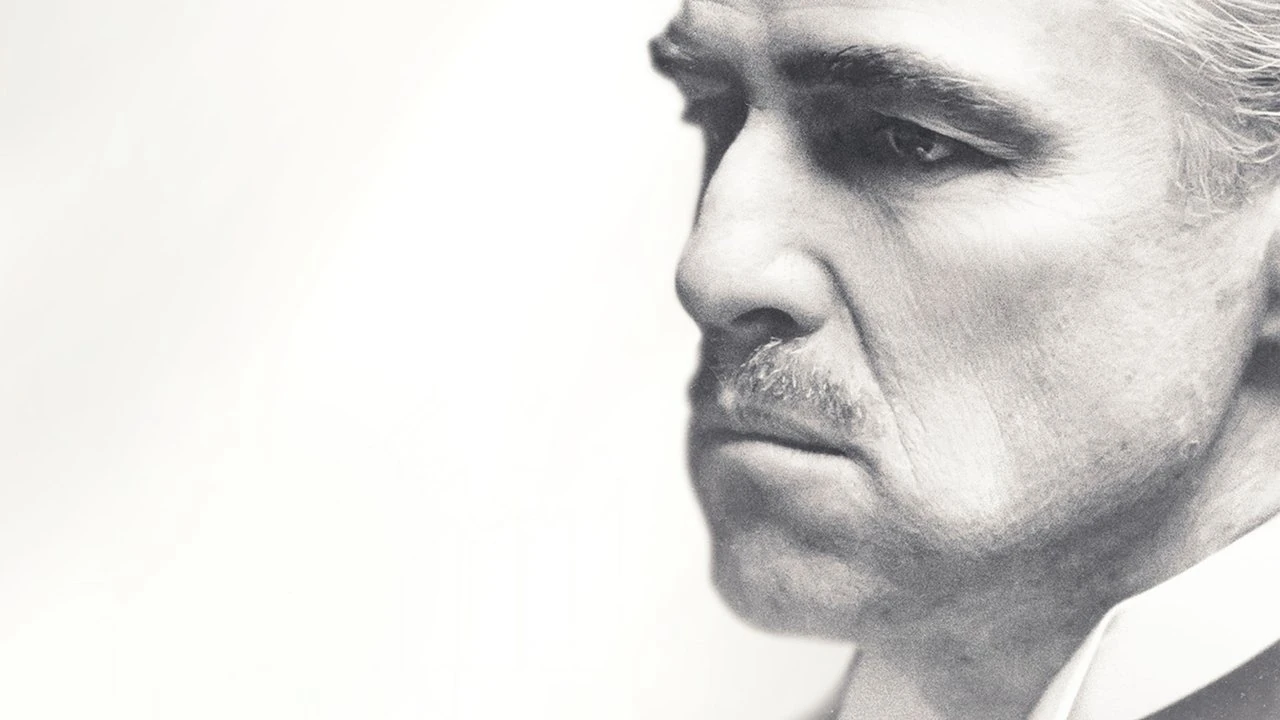 Michael Corleone, caught between loyalty and ambition, his soul slowly eroding.
The Shadow of the American Dream
Beyond the specific machinations of the crime family, The Godfather functions as a profound meditation on the dark underbelly of the American Dream. The Corleones are immigrants who, like many, sought a better life, but found themselves needing to establish their own rules to survive and thrive in a system that often excluded or exploited them. Their empire, built on violence and illicit trade, mirrors the ruthlessness of legitimate capitalism, stripping away any pretense of moral superiority. They are, in a perverse sense, the ultimate entrepreneurs.
The ending, with Kay Corleone (Diane Keaton) watching Michael’s door close, sealing her out of his increasingly dark world, is an iconic moment of profound existential dread. It encapsulates the film’s ultimate message: that the pursuit of absolute power, even in the name of family, ultimately isolates and destroys. There is no redemption here, only the cold, hard reality of consequences. The film dares to ask us: what is the true cost of success, of security, of loyalty, when it demands such a heavy toll on one’s humanity? The answers The Godfather offers are bleak, uncompromising, and deeply unsettling.
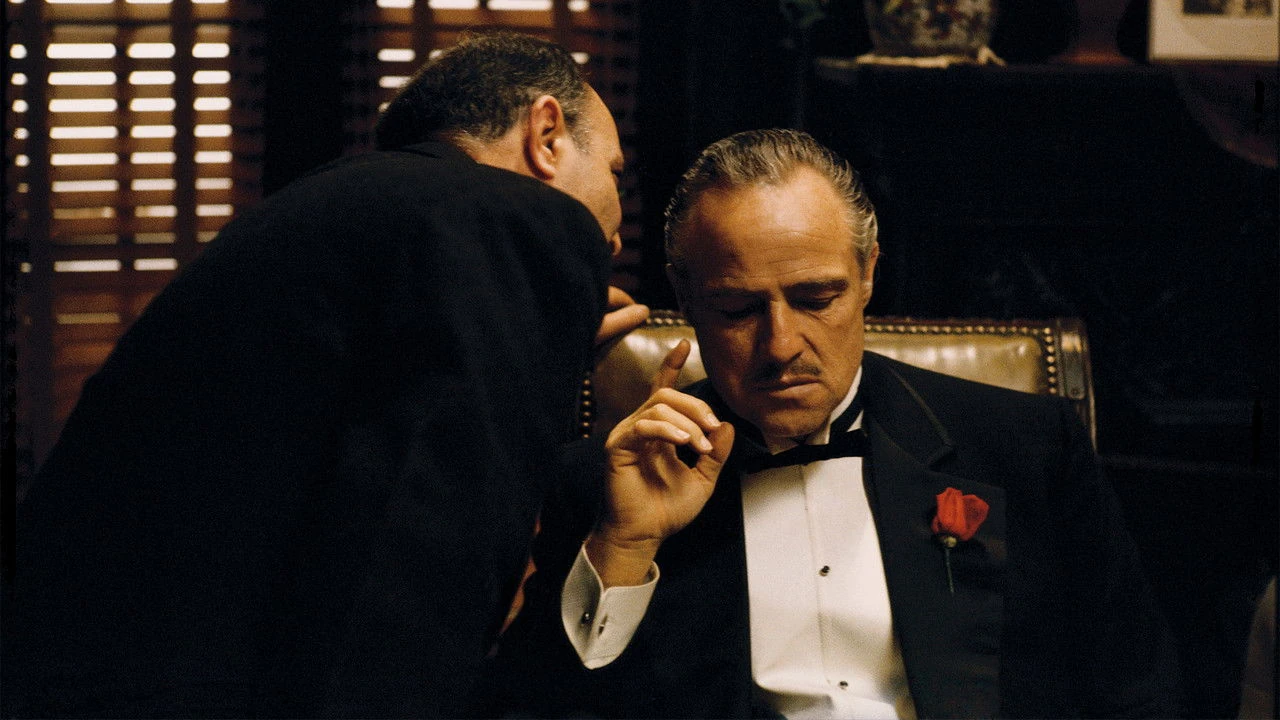 The Corleone brothers, forever bound by blood and business, facing their intertwined fates.
“The film’s true horror lies not in its depictions of violence, but in the insidious way it portrays the erosion of the human soul under the relentless pressure of a warped moral code.”
The Godfather doesn’t just entertain; it interrogates. It forces us to look at the seductive nature of power, the complexities of familial obligation, and the moral compromises inherent in striving for control in a chaotic world. While its status as a masterpiece is undeniable, its true genius lies in its ability to disturb and provoke, leaving us to ponder the chilling reflections it casts on our own definitions of success, loyalty, and the very fabric of justice. It’s a film that demands repeat viewings, not just for its flawless execution, but for the uncomfortable truths it continues to whisper long after the credits roll.
Where to Watch
- fuboTV
- Paramount Plus Premium
- Paramount+ Amazon Channel
- Paramount+ Roku Premium Channel
What’s Up? explores the philosophical depths of cinema.