The Unfolding Haunt: Hill House, Memory, and the Ghosts We Carry
A deep dive into The Haunting of Hill House (2018), exploring how it masterfully weaves trauma, memory, and family into a profoundly philosophical horror experience.
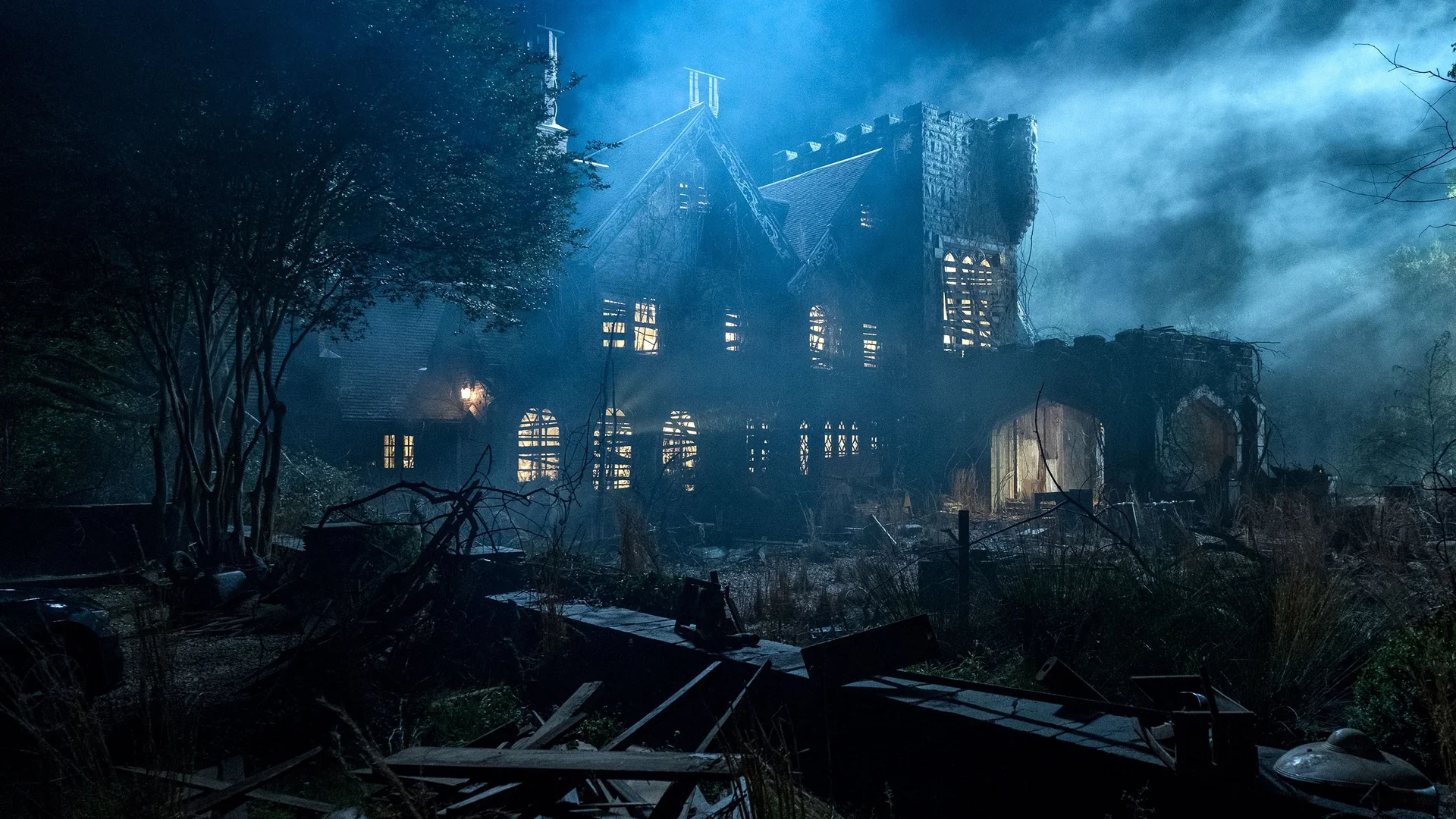
“We are shaped by our thoughts; we become what we think. When the mind is pure, joy follows like a shadow that never leaves.” — Buddha
When Mike Flanagan’s The Haunting of Hill House arrived on Netflix in 2018, it didn’t just rattle our nerves; it burrowed deep into our collective consciousness, a chilling excavation of grief, trauma, and the insidious nature of inherited pain. Critically, the series was lauded, achieving a remarkable 93% “Certified Fresh” on Rotten Tomatoes and a “generally favorable” 79 on Metacritic, with audiences largely echoing this sentiment, praising its emotional depth and sophisticated scares. But to call it merely a horror series feels reductive, despite its palpable dread and genuinely unsettling moments. This isn’t just about things that go bump in the night; it’s a profoundly philosophical examination of the architecture of self built upon the foundations of a fractured family and a house that refuses to be forgotten.
The Architecture of Grief: Home as a Scar
The Haunting of Hill House isn’t content with simple jump scares, though it certainly delivers them with unsettling precision when it chooses. Its true terror lies in its relentless exploration of how the past, specifically unprocessed trauma, becomes a living, breathing entity that refuses to let go. The titular Hill House itself is less a dwelling and more a character, a malevolent organism that feeds on its inhabitants’ vulnerabilities. For the Crain family – parents Hugh and Olivia, and their children Steven, Shirley, Theodora, Luke, and Nell – the house is less a memory and more a scar, perpetually reopening.
What the series so brilliantly captures, and what critics often highlighted as its crowning achievement, is how it uses supernatural phenomena as a powerful metaphor for psychological torment. Luke’s battle with addiction, Shirley’s rigid need for control, Theo’s empathic burden, Steven’s detached skepticism, and Nell’s lifelong sensitivity are not just character traits; they are direct, visceral manifestations of their shared childhood trauma. The house didn’t just haunt them; it imprinted upon them, shaping their adult identities and defining their relationships. This is where the show’s deliberate, often slow-burn pacing, which some viewers found challenging, truly pays off. It allows for the meticulous dissection of each character’s psychological landscape, demonstrating how fear can be a heritable disease, passed down through generations not just genetically, but experientially.
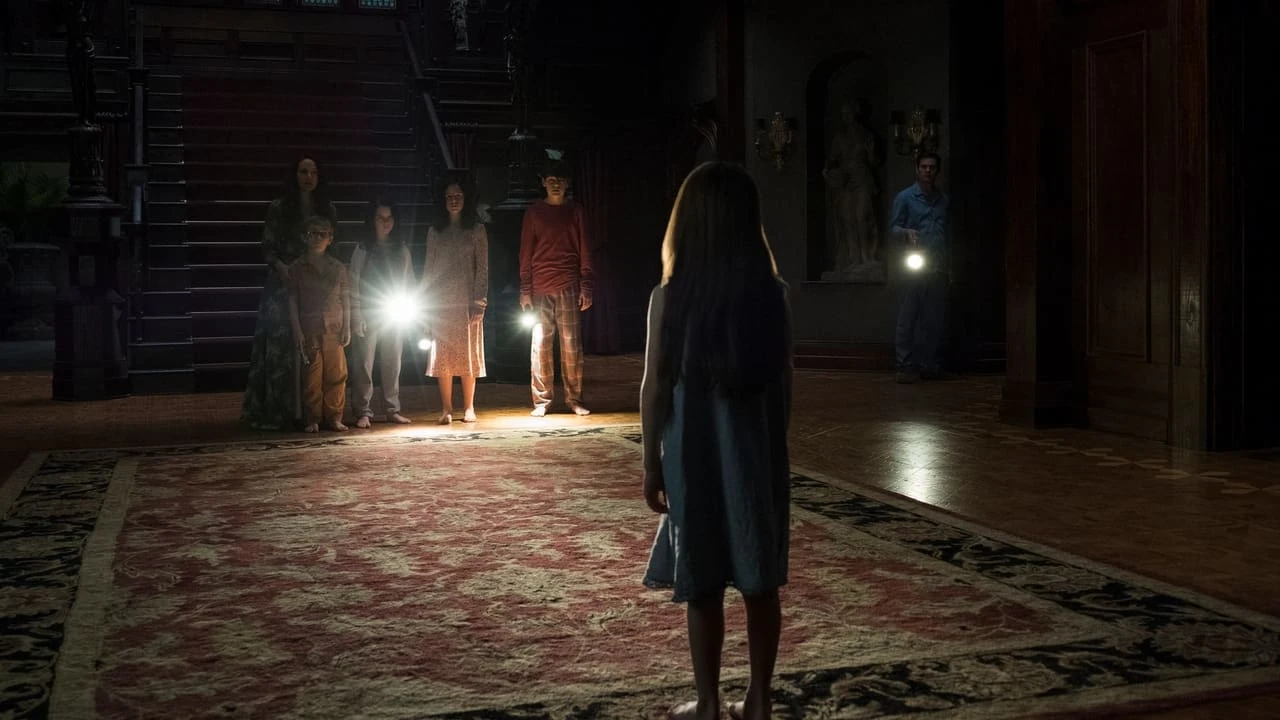 A child stands alone in a cavernous, dark room, symbolizing the isolation of childhood trauma within the vastness of memory.
Ghosts in the Machine of Family: What Works and What Doesn’t
The series oscillates between past and present, a narrative structure that, while sometimes accused by a vocal minority of critics and audiences of being slightly uneven or occasionally overly melodramatic, is ultimately vital to its thematic core. This dual timeline effectively illustrates how childhood experiences are not merely distant memories but active, ongoing presences that dictate our adult responses. Each Crain sibling is a carefully constructed study in coping mechanisms, or the lack thereof.
Michiel Huisman’s Steven grapples with exploiting his family’s story for his successful books, a complex ethical dilemma that mirrors the real-world debates around trauma narratives. Elizabeth Reaser’s Shirley attempts to control death itself through her funeral home, while Kate Siegel’s Theo shields herself with stoicism, her psychic abilities a double-edged sword. Oliver Jackson-Cohen’s Luke fights his demons (both literal and metaphorical) through addiction, and Victoria Pedretti’s Nell becomes the tragic fulcrum, forever drawn back to the house’s siren call.
The real terror isn’t the ghost in the hallway, but the ghost we carry in our own hearts – the one born of regret, unresolved grief, and the unspoken words that haunt us more than any spectral presence.
The standout “Two Storms” episode, a nearly continuous long take that weaves through past and present, was almost universally praised as a masterclass in direction and performance. It’s in these moments that the show’s ambition shines brightest, demonstrating how a family, even when fragmented, moves as a single, interdependent unit. Yet, some critics noted that the later episodes, particularly as plot threads began to converge and resolve, occasionally leaned into sentimentality, perhaps softening the edges of the horror too much for some purists. While this might be a valid criticism for those seeking relentless dread, it can also be argued that this shift towards emotional catharsis is precisely the point: a reflection of the human need for closure, even if it comes at a profound cost. The ending, in particular, divided audiences; some found its resolution too neat and comforting for a story so steeped in despair, while others embraced it as a necessary, albeit bittersweet, release.
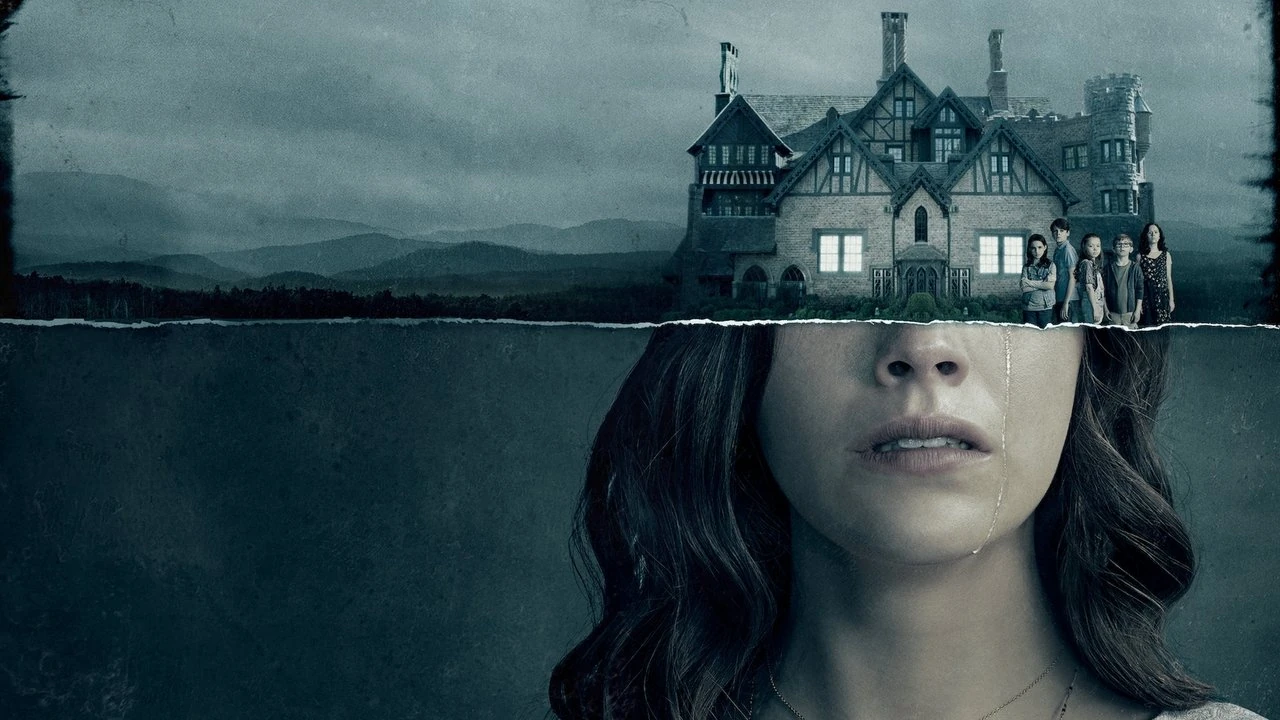 A fragmented family portrait, with faces obscured or looking in different directions, symbolizing the disconnect caused by shared trauma.
Beyond the Veil: Perception, Predestination, and the Red Room
The Haunting of Hill House dares to ask profound questions about perception and reality. Are the ghosts real, or are they manifestations of the Crains’ collective psychosis? The series deftly blurs these lines, suggesting that in the landscape of trauma, the distinction might be meaningless. The house, particularly the infamous “Red Room,” is a master manipulator, presenting itself as whatever its current inhabitant most desires, effectively trapping them in their own subjective hells. This speaks to a deeper existential truth: our minds can be our greatest prisons, especially when we deny or avoid our deepest fears.
This raises unsettling questions about predestination versus free will. Were the Crains doomed the moment they stepped into Hill House, or do they possess the agency to break the cycle? The narrative explores the idea of a house that wants to consume, a force that actively works to keep its residents within its walls. This metaphysical struggle for autonomy against an oppressive, seemingly intelligent evil forces us to confront our own battles against ingrained patterns, inherited burdens, and the sometimes-inescapable pull of our past. The show suggests that freedom comes not from escaping the past, but from confronting it, understanding it, and ultimately, choosing to move forward, even if the scars remain. The lingering question is, can one truly escape such a profound imprint, or does the house, like trauma, simply change its form to follow you?
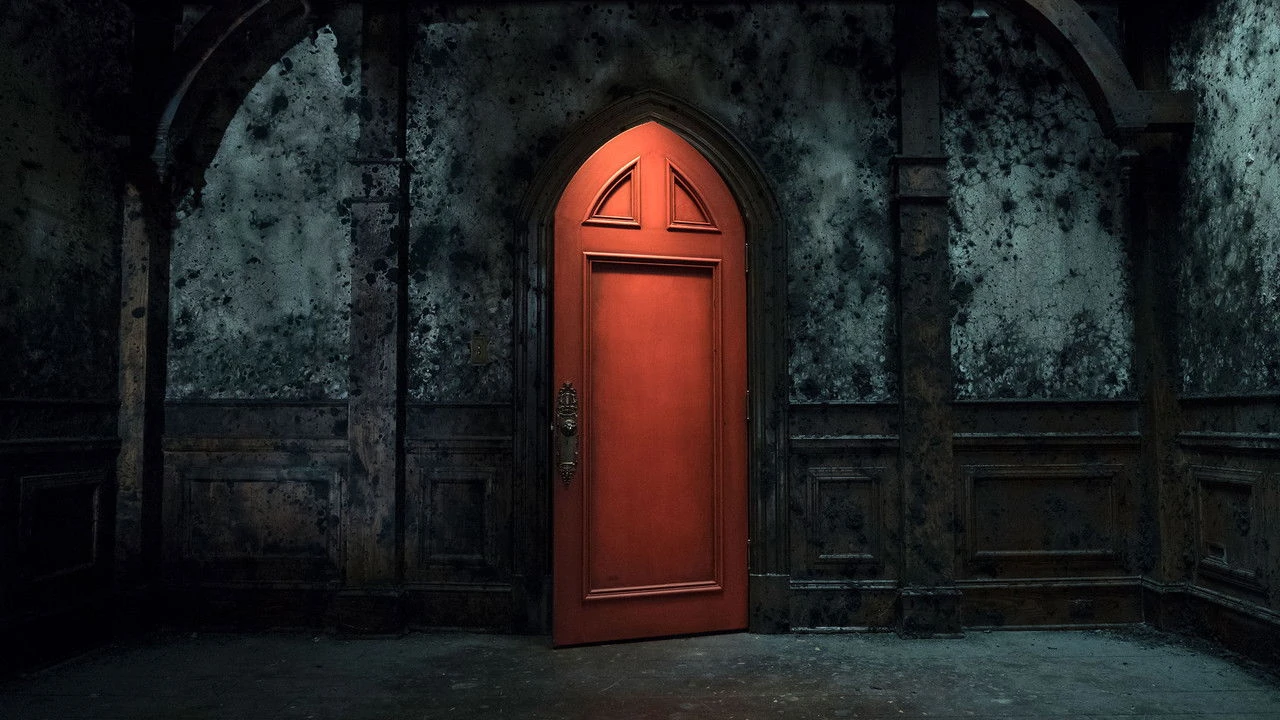 A figure stands at the end of a long, dark corridor, suggesting the journey into one’s deepest fears and the unknown.
The most insidious hauntings are not those of spectral apparitions, but the echoes of our own choices, the whispers of our unaddressed wounds, and the shadows of the people we might have been.
The Haunting of Hill House is more than just a horror series; it’s a deeply affecting, albeit imperfect, meditation on the profound and often terrifying connection between family, memory, and the places that shape us. While it may have stumbled for some in its pacing or its final, more sentimental notes, its ambition and emotional core remain undeniable. It forces us to confront the ghosts we carry within, daring us to ask: what is truly haunting us – the past, or our inability to let it go?
Where to Watch
- Netflix
- Netflix Standard with Ads
What’s Up? explores the philosophical depths of cinema.