The Tender Brutality of Survival: Why The Last of Us Resonates Beyond the Apocalypse
A philosophical dive into The Last of Us (2023 TV series), exploring its themes of love, survival, and moral ambiguity in a post-apocalyptic world.
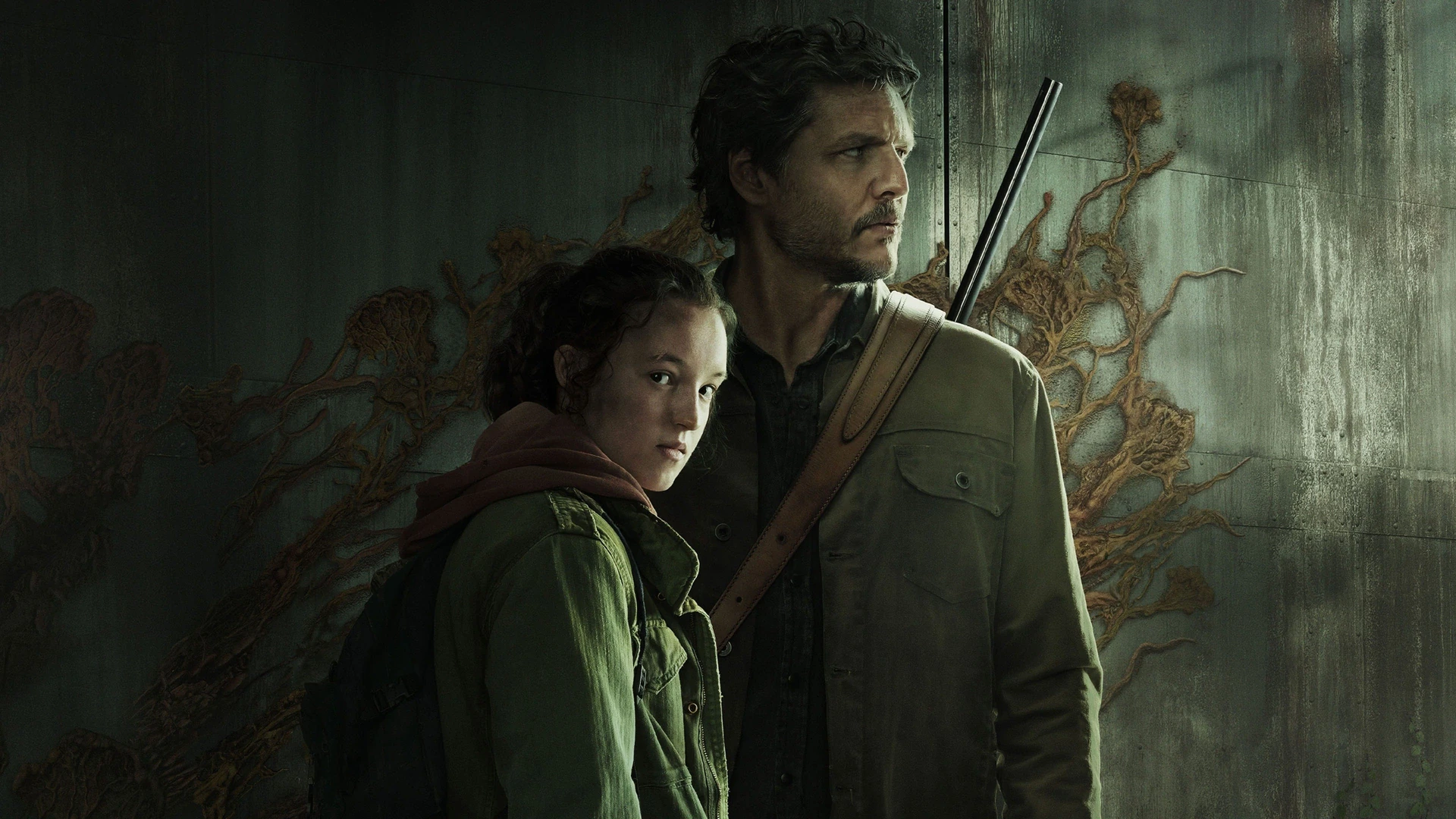
“The road to hell is paved with good intentions, but also, sometimes, with the desperate, unyielding love for one person.”
When The Last of Us premiered in 2023, the anticipation was palpable, almost a burden. Adapting one of the most beloved and emotionally devastating video games of all time is no small feat, and many of us, myself included, braced for potential disappointment. What we got instead was a television series that didn’t just meet expectations; it often transcended them, earning near-universal critical acclaim and a passionate audience following. Rotten Tomatoes boasts a staggering 96% critical score, and audiences largely echoed that praise. Yet, even in such a triumph, the show isn’t just a masterclass in adaptation; it’s a brutal, tender mirror held up to our very nature, forcing us to grapple with love, loss, and the uncomfortable ethics of survival in a world stripped bare.
The Scar Tissue of Humanity: Love in the Apocalypse
At its core, The Last of Us isn’t about zombies – or rather, the “infected” – at all. It’s about people, and the profound, often ugly, ways they connect, betray, and protect one another when civilization has crumbled. The series masterfully centers on the evolving bond between Joel Miller (Pedro Pascal), a man hardened by unimaginable loss, and Ellie Williams (Bella Ramsey), a precocious and immune 14-year-old. Their journey across a ruined America becomes a crucible for a unique form of paternal love and chosen family.
What critics universally lauded, and what struck me most profoundly, was the show’s unwavering focus on character and emotional depth. While some minor quibbles emerged among certain viewers, particularly those staunchly devoted to the game’s exact narrative beats, regarding the pacing of certain standalone episodes (like the now-legendary “Long, Long Time”), I’d argue these were precisely where the series truly shone philosophically. These detours weren’t distractions; they were meditations on human resilience and vulnerability, expanding the universe’s emotional canvas. The show isn’t afraid to slow down and explore the quieter, more intimate moments of connection, even amidst the constant threat of fungal horror. It posits that even after twenty years of apocalypse, the human heart still seeks solace, connection, and purpose, often in the most unexpected places.
Key themes that emerge from this emotional core:
- The Enduring Nature of Grief: Joel’s actions are perpetually informed by the loss of his daughter, Sarah, a wound that never truly heals.
- The Power of Found Family: The relationship between Joel and Ellie, initially transactional, evolves into an unbreakable, albeit complicated, familial bond.
- What Makes Life Worth Living: In a world where basic survival is a daily struggle, the series subtly asks what purpose transcends mere existence.
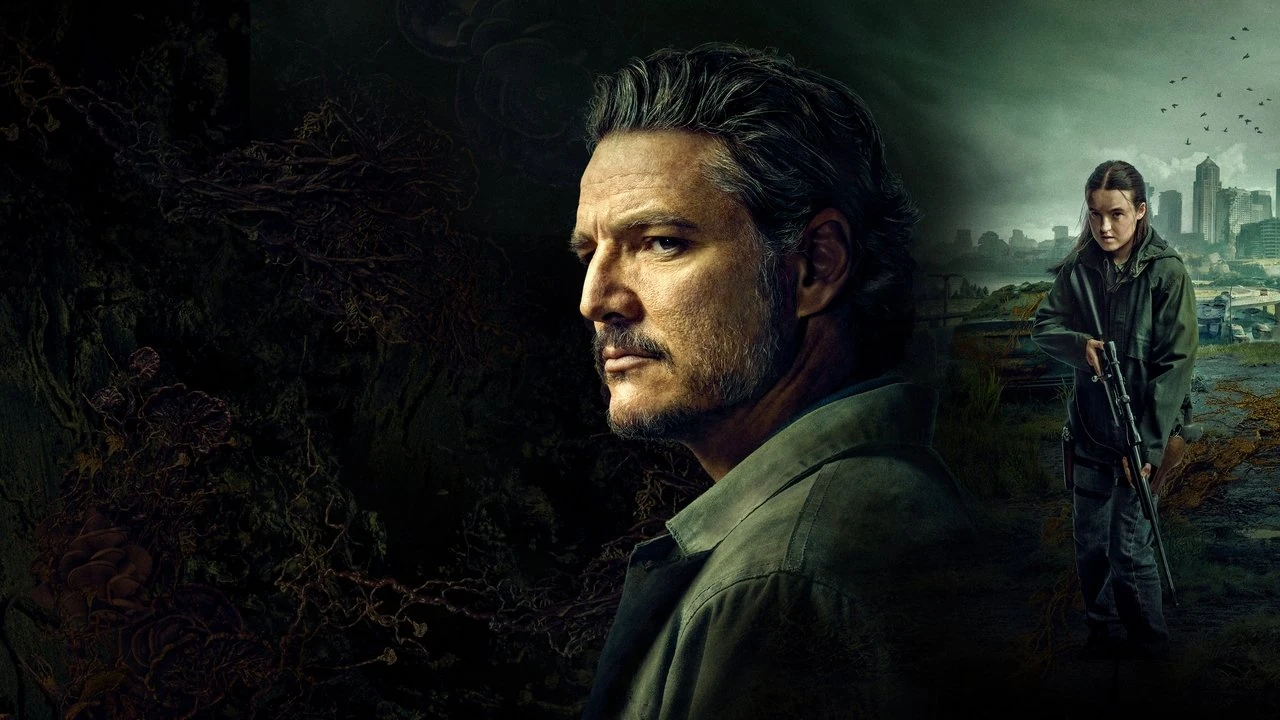 Ellie and Joel, two souls forged in fire, finding solace in shared purpose against a desolate backdrop.
The Brutal Calculus of Care: Choices and Consequences
One of the show’s greatest strengths, inherited directly from its source material, is its unflinching willingness to dive into moral ambiguity. The Last of Us doesn’t offer easy answers or clear-cut heroes and villains. Instead, it presents us with characters making impossible choices, each with devastating consequences, and invites us to judge – or, more accurately, to understand the grey areas.
There are no heroes in the apocalypse, only survivors. And sometimes, the most heroic acts are also the most selfish, driven by a love so fierce it obliterates all other considerations.
Joel’s transformation is central to this. He starts as a cynical smuggler, unwilling to fully invest in Ellie. But as their journey progresses, Ellie becomes a surrogate daughter, igniting a primal protective instinct. This culminates in the series’ divisive, yet philosophically rich, ending. Without spoiling the specifics for those who might still discover this phenomenal series, Joel makes a choice that directly contradicts the greater good, prioritizing Ellie’s life over humanity’s potential salvation. Critics and audiences debated this extensively, not because it was poorly written, but because it forced us to confront our own ethical frameworks. Is saving the one you love at the expense of the many justifiable? It’s a classic utilitarian vs. deontological dilemma, presented not as an academic exercise, but as a visceral, heartbreaking decision made by a man who has lost too much. This choice, while understandable given Joel’s journey, is undeniably problematic from a broader ethical standpoint, making the show’s conclusion a powerful, lingering question mark rather than a neat resolution. It’s a testament to the show’s philosophical depth that its most controversial moment is rooted in such a fundamental human dilemma.
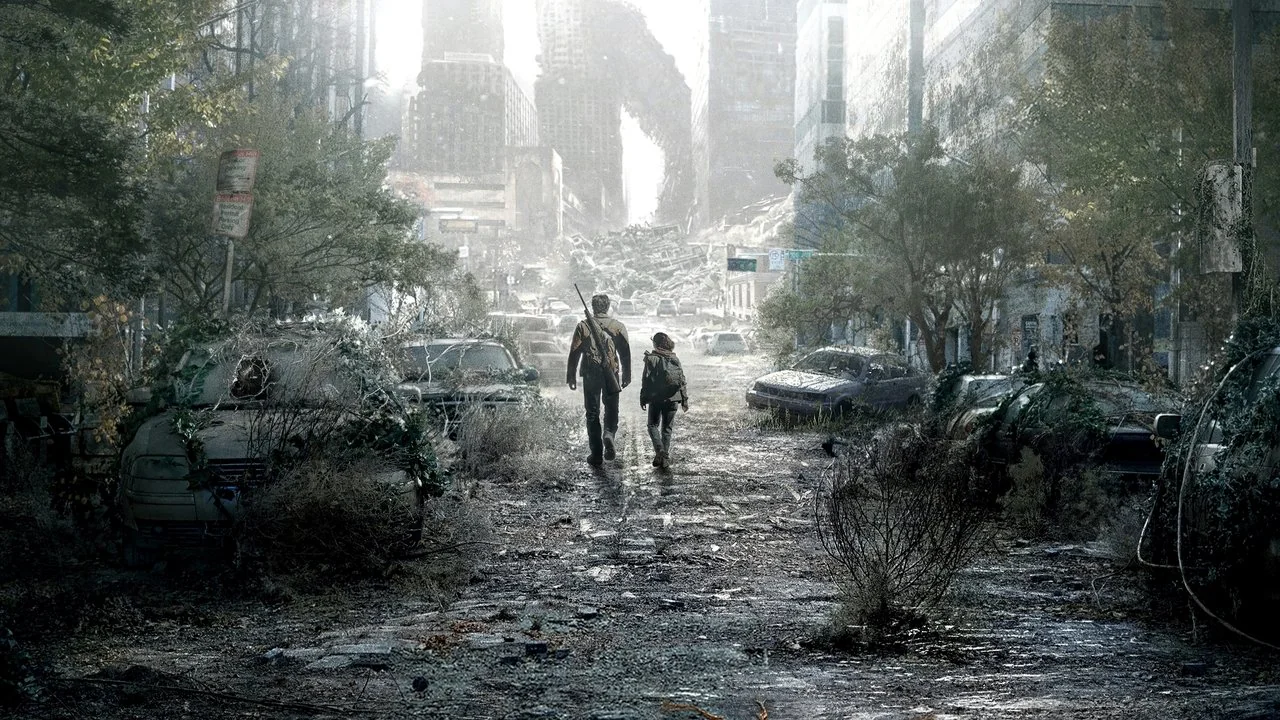 The quiet intensity of a moment, hinting at the unspoken burdens and profound connections between characters.
Beyond the Infected: What Does It Mean to Live?
Beyond the thrilling action and the terrifying fungal creatures, The Last of Us poses profound existential questions about the human condition. The infected are a constant, horrifying threat, but they are often merely a backdrop for the true horror: what humanity does to itself when the rules break down. The series explores the spectrum of human response to catastrophe: from the militaristic oppression of FEDRA, to the cannibalistic savagery of groups like David’s, to the desperate attempt at communal living by people like Bill and Frank.
The show pushes us to consider:
- The Fragility of Civilization: How quickly our societal constructs can crumble, revealing the raw, often brutal, instincts beneath.
- The Nature of Hope: Is hope a luxury in a dying world, or a necessary fuel for survival? Ellie, with her immunity, embodies a fragile hope, but the show constantly questions its sustainability and cost.
- The Definition of Humanity: When stripped of all comforts and norms, what truly defines us? Is it our capacity for violence, or our enduring need for connection and meaning?
The series posits that even in a world overrun by monsters, the most dangerous monsters often wear human faces. It’s a chilling reminder that our internal landscapes, our capacity for both immense love and unspeakable cruelty, are far more complex and terrifying than any external threat. The show forces us to look inward, to consider what choices we would make, and what values we would cling to, if our world were to end.
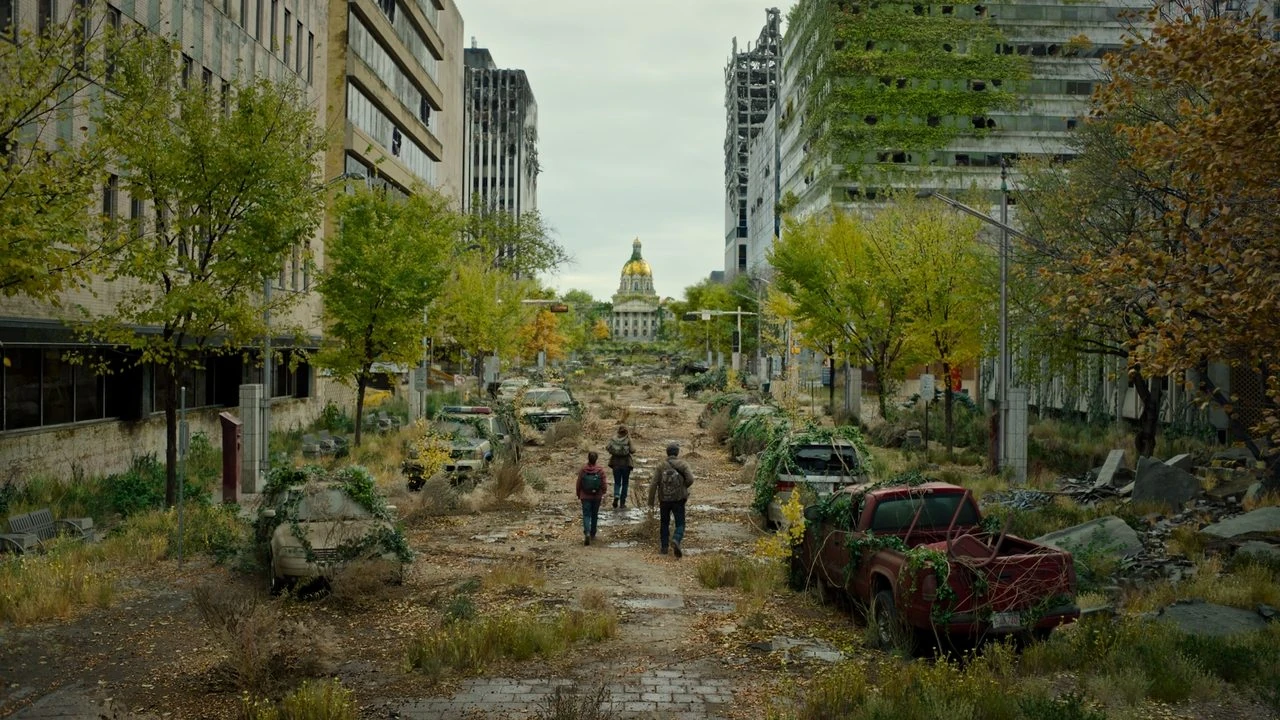 A solitary figure against a vast, broken world, embodying the profound isolation and resilience of the human spirit.
“The hardest thing in this world is to live in it. Every day is a struggle, and the longer you survive, the more you have to lose, and the more you become something you might not recognize.”
The Last of Us isn’t just a TV series; it’s a philosophical journey disguised as a post-apocalyptic thriller. While its critical reception was overwhelmingly positive, and rightly so for its stellar performances, writing, and production, it doesn’t shy away from being challenging. It doesn’t offer easy answers or comforting resolutions. Instead, it leaves us with the unsettling truth that love, in its purest and most primal form, can be both our salvation and our damnation. It asks us to consider what we would sacrifice, what lines we would cross, and what versions of ourselves we would become, all in the name of protecting the ones we hold dear. What does it ultimately mean to survive, if the cost is our own humanity, or the humanity of those we swore to protect?
Where to Watch
- HBO Max
- HBO Max Amazon Channel
- Spectrum On Demand
What’s Up? explores the philosophical depths of cinema.