The Stage and the Self: Unmasking Identity in The Little Drummer Girl
Exploring the philosophical depths of The Little Drummer Girl (2018), where a young actress navigates the treacherous terrain of espionage and identity.

“We are what we pretend to be, so we must be careful what we pretend to be.” — Kurt Vonnegut
John le Carré adaptations rarely offer easy answers, and Park Chan-wook’s 2018 miniseries The Little Drummer Girl is certainly no exception. It’s a work that demands your full attention, a slow-burn espionage thriller that feels less like a conventional spy caper and more like an extended, psychologically fraught experiment. Starring Florence Pugh in a breakout role, alongside Alexander Skarsgård and Michael Shannon, this series plunges us into the complex, often morally desolate world of Israeli-Palestinian conflict. While critics largely lauded its artistic merit—praising Pugh’s visceral performance, Park Chan-wook’s distinctive visual flair, and the series’ atmospheric tension—audiences, as often happens with le Carré, were more divided. Many found its deliberate pacing and intricate plot a challenging watch, leading to criticisms of being confusing or, for some, even “boring.” Yet, it’s precisely in this demanding, deliberate unfolding that The Little Drummer Girl reveals its profound philosophical core.
The Performance of Self & State
At its heart, The Little Drummer Girl is a meditation on identity, a relentless interrogation of what it means to be when your entire existence becomes a performance. Charlie, a fiery, idealistic young actress, is recruited by Israeli intelligence to infiltrate a Palestinian terrorist cell. Her life, already dedicated to embodying other characters on stage, transforms into a terrifying, high-stakes improvisation. The series meticulously blurs the lines between her professional craft and her forced espionage. Is she acting, or is she becoming? This is where the show truly shines, even for those who found the plot sometimes opaque.
Critics often noted the series’ commitment to le Carré’s dense narrative, which, while laudable for its faithfulness, sometimes meant the plot felt convoluted or the pacing glacial. Indeed, there are moments when the sheer weight of names, factions, and double-crosses can be disorienting. But perhaps this disorientation is part of the point. Charlie’s journey is one of constant re-evaluation, where her sense of self is not just fluid but actively weaponized. She’s not merely playing a role; she’s living it, experiencing the emotional and physical consequences of her simulated allegiances. This raises uncomfortable questions about our own performative lives, the masks we wear in different social contexts, and whether there’s any authentic ‘self’ left underneath.
Key themes to explore:
- Authenticity vs. Fabrication — how Charlie’s acting background prepares her for, and complicates, her role as a spy.
- The Erosion of Self — the psychological toll of prolonged deception and inhabiting enemy identities.
- Agency and Manipulation — Charlie’s struggle to maintain her own will amidst the machinations of powerful state actors.
 Charlie (Florence Pugh) embodies multiple roles, her gaze reflecting the blurred lines of her existence.
The Theatre of War & Ethics
The series thrusts Charlie into the morally ambiguous theatre of the Middle East conflict, depicting both sides with a chilling, detached realism that avoids easy villainy or heroism. General Kurtz (Michael Shannon) and his team manipulate Charlie with calculated precision, convincing her that her acting skills can serve a greater good. But what is the greater good when both sides engage in terrorism, abduction, and psychological warfare?
This is where the true weight of choice is felt — not just in the outcome of a mission, but in the slow, corrosive becoming of a person molded by the demands of a relentless, amoral conflict.
Audience reactions were particularly divided on the series’ perceived lack of clear heroes. Some found this intellectual honesty refreshing; others struggled to connect emotionally with characters whose motivations were so deeply obscured by their professional masks. Shannon’s performance, cold and calculating, was praised, but also highlighted the series’ often emotionally distant tone. The plot, while meticulously crafted from le Carré’s novel, occasionally sacrificed immediate emotional impact for thematic resonance, which contributed to some viewers’ difficulty in staying engaged. However, this very detachment serves a philosophical purpose: it forces us to confront the dehumanizing nature of espionage, where individuals become mere tools in a larger geopolitical game. The series doesn’t shy away from showing the ugly truth that ‘good’ people are asked to do ‘bad’ things, and that conviction can be twisted into fanaticism on all sides.
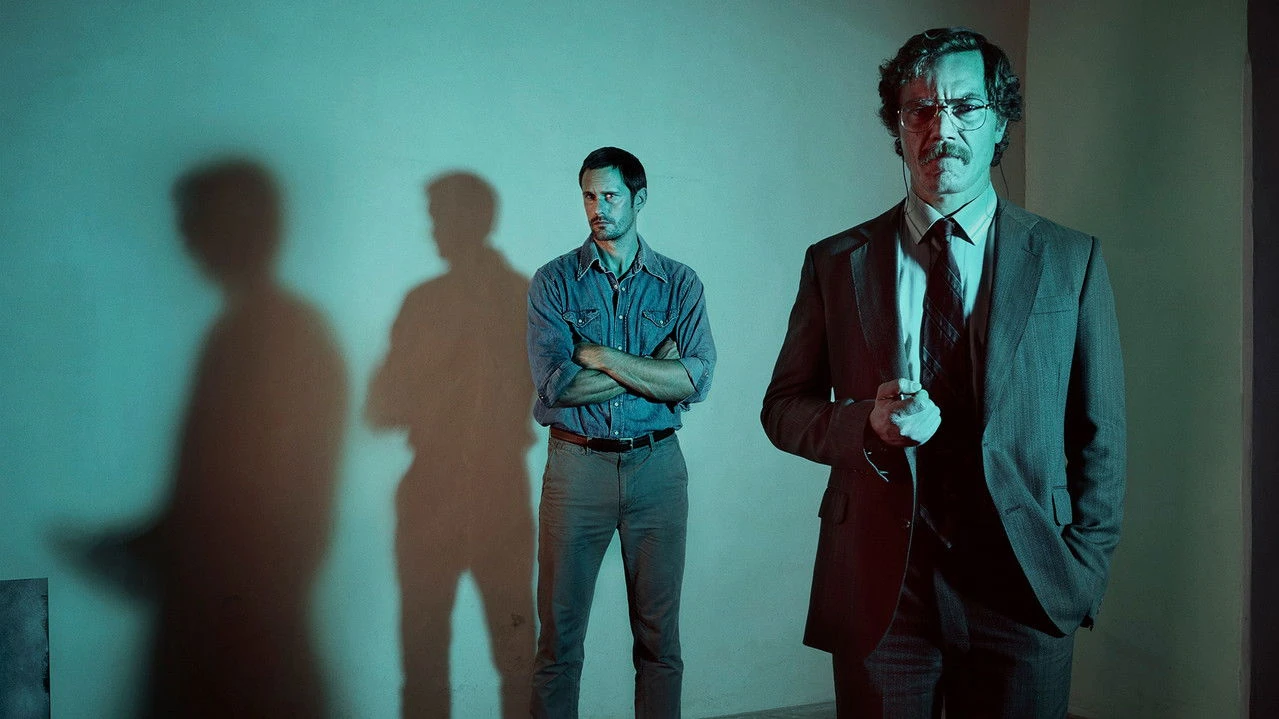 The stark beauty of the landscape often contrasts with the psychological ugliness of the espionage game.
Beyond the Surface: The Labyrinth of Truth
Ultimately, The Little Drummer Girl is less about who wins or loses the spy game, and more about the existential burden of living in a world devoid of clear truths. Charlie is constantly fed carefully constructed narratives, each designed to elicit a specific performance from her. She becomes a pawn, a vessel for the stories her handlers want her to tell, or rather, live. This raises profound questions about the nature of truth itself: Is truth merely a more convincing lie? Can one ever truly know the ‘reality’ of a situation when every interaction is filtered through layers of deceit and manipulation?
The series, with its intricate plotting and slow revelations, mirrors Charlie’s own struggle to piece together a coherent understanding of her world. It’s a psychological labyrinth where trust is a liability and personal conviction is constantly tested. The cinematography, often stark and beautiful, sometimes feels cold, reflecting Charlie’s growing isolation and the dehumanizing aspects of her mission. While some viewers yearned for more traditional thriller payoffs, the series instead offers a deeper, more unsettling reward: an exploration of the absolute alienation that can result from living a fractured life. Her journey is not one of triumph, but of survival, and the profound, perhaps irreparable, damage inflicted upon her soul.
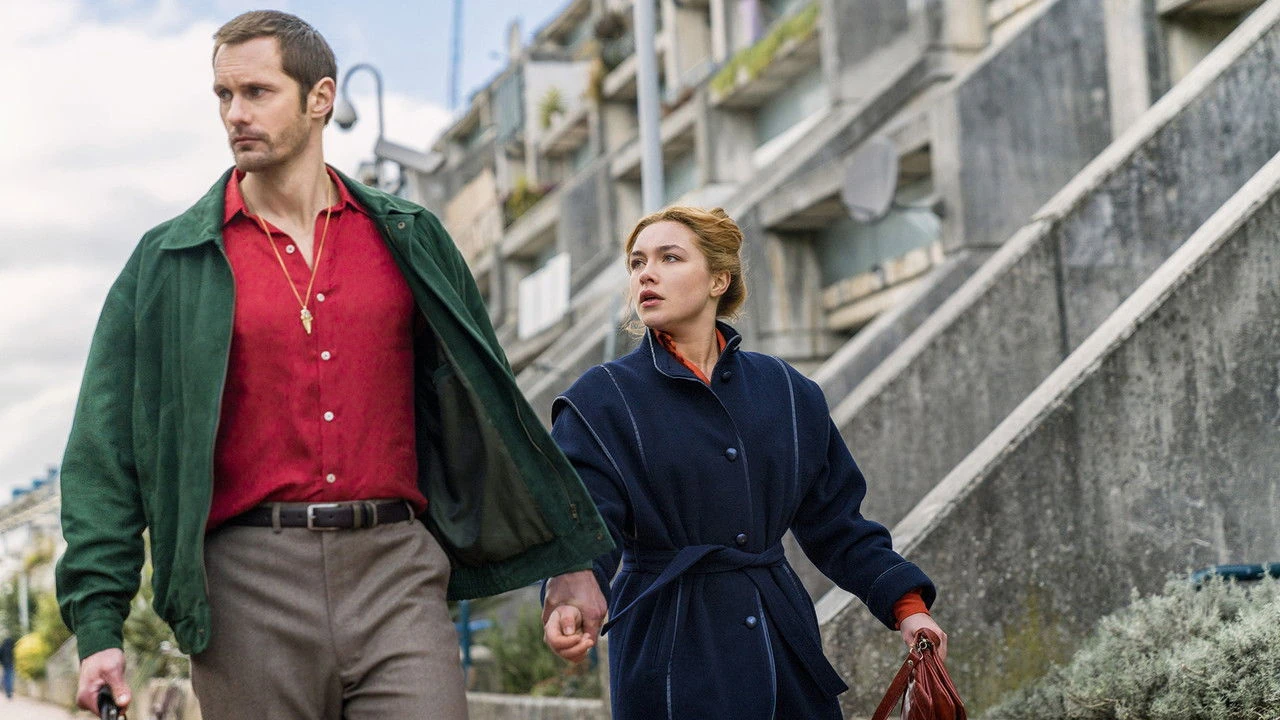 A clandestine meeting in a desolate landscape, symbolizing the isolation of Charlie’s double life.
“There is no ‘us’ and ‘them’ to the extent that you imagine. There is only ‘we,’ and ‘we’ are all caught in the same, terrible dance.”
The Little Drummer Girl is not for the faint of heart, nor for those seeking instant gratification. Its slow, deliberate pace and complex narrative, while off-putting for some, are essential to its philosophical impact. It asks us to consider the cost of belief, the fragility of identity, and the terrifying ease with which individuals can be subsumed by political agendas. It’s a stark, beautiful, and sometimes frustrating work that ultimately holds up a mirror to the performative aspects of our own lives and the enduring, often destructive, human need to define ourselves against an “other.” Despite its divisive reception, its exploration of these themes ensures its place as a thought-provoking, if challenging, piece of philosophical cinema.
Where to Watch
- AMC Plus Apple TV Channel
- AMC+ Amazon Channel
- AMC+
- Philo
- Acorn TV
What’s Up? explores the philosophical depths of cinema.