The Way: Unmasking Identity and Finding Purpose in a Lawless Galaxy
Exploring The Mandalorian's philosophical depth: identity, found family, and purpose amidst a galactic void, acknowledging its triumphs and narrative challenges.
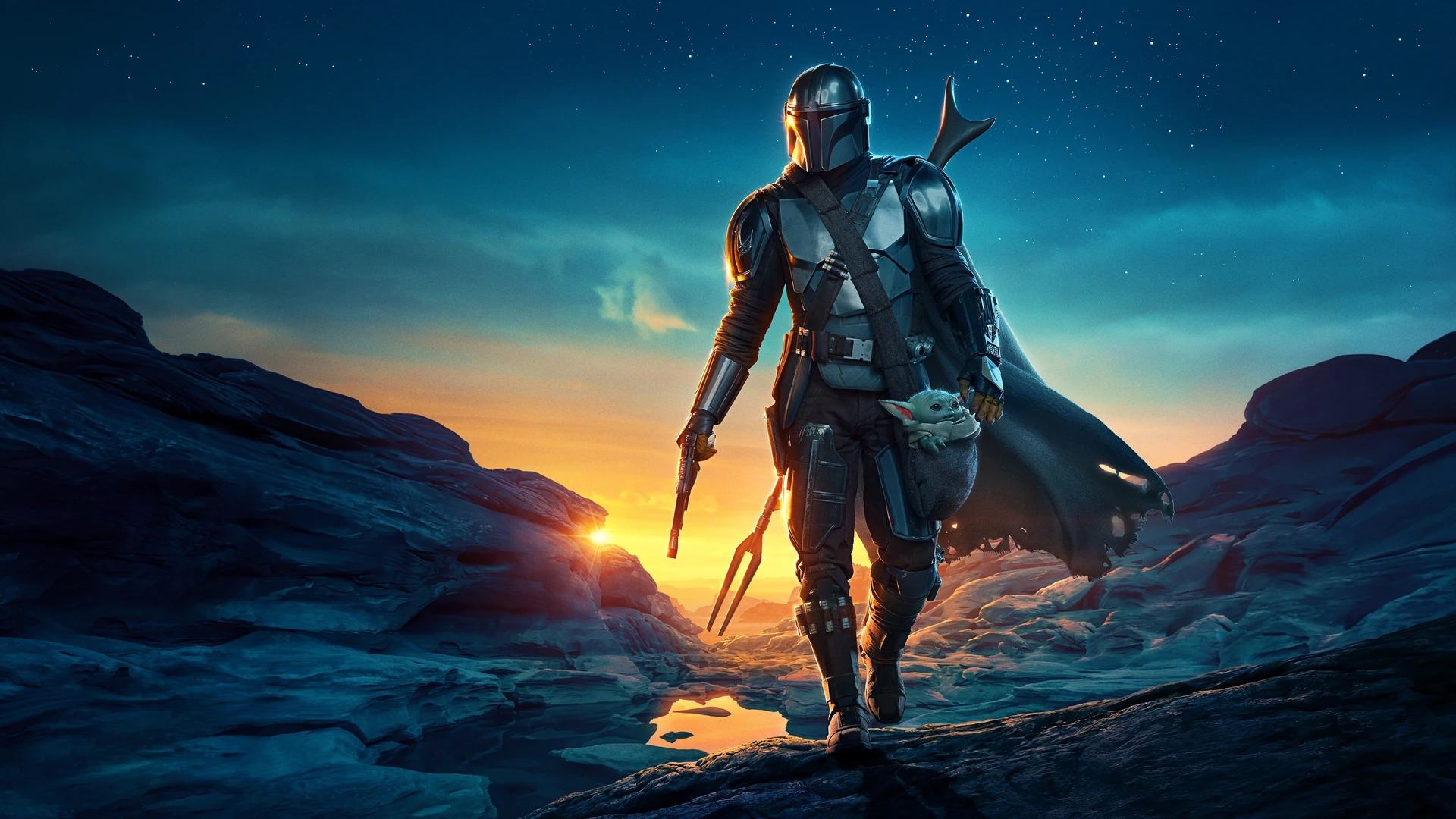
“We are what we pretend to be, so we must be careful what we pretend to be.” — Kurt Vonnegut
When The Mandalorian first burst onto screens in 2019, it wasn’t just a new chapter in the sprawling Star Wars saga; it was a cultural phenomenon, a quiet revolution delivering a much-needed breath of fresh air. Critics largely lauded its return to the franchise’s Western roots, its stunning visuals, and the undeniable charm of its diminutive, green co-star. Yet, beneath the polished beskar and blaster fire, behind the adorable antics of Grogu, lies a surprisingly rich philosophical tapestry, one that explores themes of identity, duty, and the profound impact of chosen belonging in a galaxy utterly adrift. While the series soared in popularity and critical acclaim, particularly its initial seasons, it wasn’t without its narrative challenges and the occasional stumble, aspects that are worth acknowledging as we delve into its deeper meanings.
The Unmasking of Identity and Duty
At its core, The Mandalorian is a story about a man defined by a creed, a helmet, and a solitary existence. Din Djarin (Pedro Pascal, whose nuanced performance shines through even without facial expressions) is, initially, less a person and more a walking embodiment of The Way — a rigid, almost monastic interpretation of Mandalorian warrior culture. His helmet is not just armor; it’s a symbol of his chosen identity, a commitment to a path that demands anonymity and unwavering adherence to tradition. This dedication to a code, however, becomes his greatest challenge and ultimately, his greatest liberation.
Critics, while overwhelmingly positive, sometimes pointed to the show’s early episodic structure as a potential weakness, a “monster-of-the-week” format that could feel repetitive. However, this very structure, often perceived as a flaw, becomes philosophically vital. Each seemingly isolated mission, each encounter with a new client or threat, chips away at Din’s rigid worldview. Grogu isn’t just a cute macguffin; he’s the catalyst that forces Din to confront the limitations of his creed. Is “The Way” an immutable truth, or a set of guidelines open to interpretation when faced with the undeniable pull of paternal instinct and unconditional love? The series asks us to consider: What happens when our deepest convictions clash with our most primal bonds? Is true duty to an abstract code, or to the vulnerable lives entrusted to our care?
Key themes to explore:
- The Creed vs. Conscience — the internal conflict between external rules and personal moral evolution.
- Anonymity and Selfhood — how the helmet both defines and obscures, and what happens when it’s removed.
- The Burden of Legacy — Din’s adherence to a warrior past and how he redefines it for a new generation.
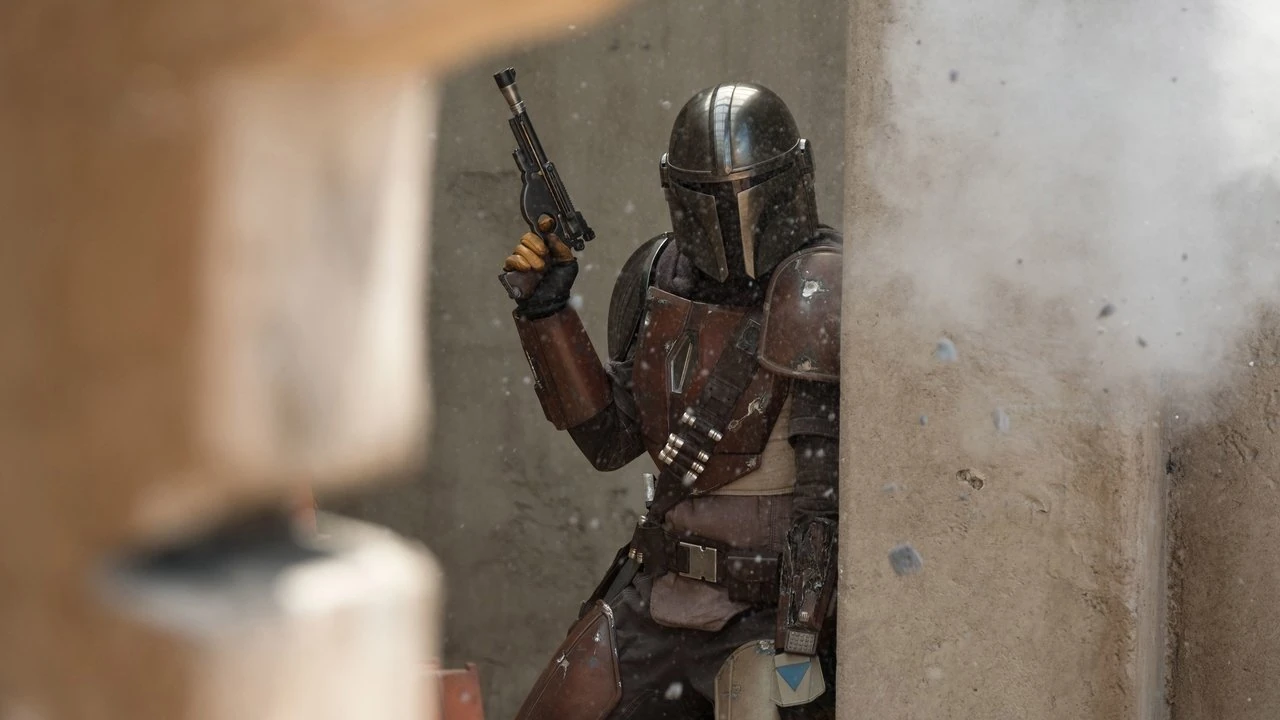 A lone figure, cloaked in tradition, navigates a chaotic world, the weight of his identity a visible presence.
Found Family, Faltering Pacing, and the Weight of Belonging
The emotional heart of The Mandalorian beats strongest in the unlikely bond between Din and Grogu. This isn’t a story of biological kinship, but of found family — a powerful concept resonating deeply in a fractured galaxy. In a world scarred by imperial collapse, where institutions have crumbled and traditional social structures are fragmented, individuals are forced to forge their own meaning and connection. Din and Grogu represent this act of conscious creation: two disparate beings, one bound by an ancient code, the other by nascent power, choosing to protect and belong to each other. This decision transcends mere survival; it’s an existential affirmation in a universe filled with indifference.
This is where we discover the true weight of choice — not in the outcome, but in the becoming. Din Djarin doesn’t just find a child; he becomes a father, redefining his entire existence in the process.
Yet, even in its moments of profound emotional resonance, The Mandalorian wasn’t without its detractors. While the first two seasons garnered near-universal praise, some critics and audience members, particularly during the third season, voiced concerns over uneven pacing and a narrative that occasionally felt stretched thin. There were observations that the show, at times, leaned heavily on fan service and episodic detours, potentially at the expense of a tightly wound overarching plot. Some reviews on Metacritic noted a shift towards “spectacle over substance,” suggesting that while the action sequences and visual effects remained top-tier, the philosophical depth sometimes felt diluted by an expanding ensemble and a broader focus. This perceived dilution, however, can also be viewed as the series grappling with the very nature of community and collective identity, moving beyond the solitary hero to explore the challenges of rebuilding a society. The question then becomes: can the intimate philosophical journey of one man sustain itself when the narrative scope expands to encompass an entire people?
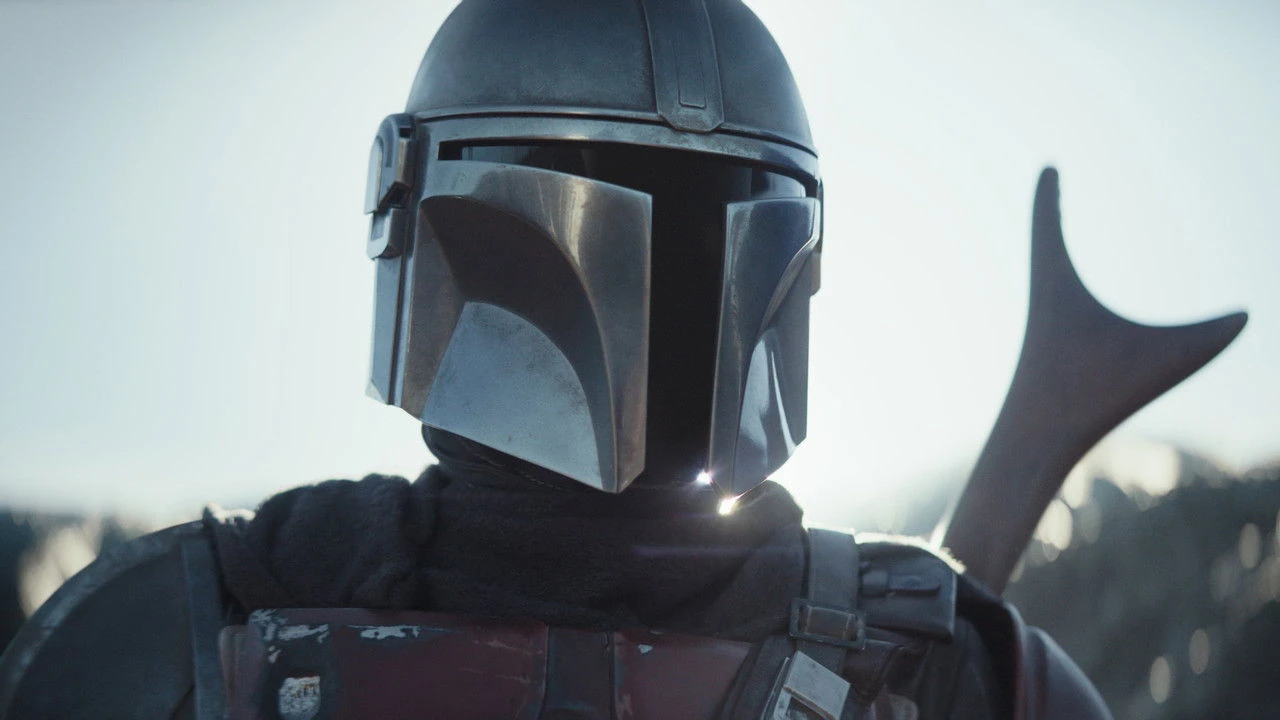 A tender moment between protector and charge, illustrating the profound and often unspoken bond of found family.
A Galaxy of Echoes: Legacy, Trauma, and the Post-Empire Void
Beyond the personal journey of its protagonist, The Mandalorian offers a compelling meditation on the aftermath of societal collapse. The fall of the Galactic Empire didn’t usher in an immediate era of peace; instead, it created a power vacuum, a state of anarchy and moral ambiguity. The outer reaches of the galaxy, where Din Djarin operates, are a brutal frontier where lawlessness thrives, and the remnants of past conflicts linger like specters. This setting forces characters to confront difficult ethical choices without the guiding hand of established authority. Every decision carries weight, every interaction a potential betrayal.
The series touches upon the trauma of war and oppression, evident in the scarred landscapes and the desperate lives encountered by Din. It explores the enduring power of legacy, both good and ill, and how individuals navigate a world shaped by events far beyond their control. What does it mean to rebuild, not just structures, but trust and purpose, when the very foundations of society have been shattered? The Mandalorian, with its often gritty and pragmatic portrayal of survival, delves into these existential questions without pretense. It’s a grounded perspective on how ordinary (or, in Din’s case, extraordinarily capable) people carve out meaning in a chaotic, uncaring universe. Despite any criticisms of its narrative structure or pacing, the show consistently grounds these grand themes in the small, personal stakes of Din Djarin’s journey, making them resonate deeply.
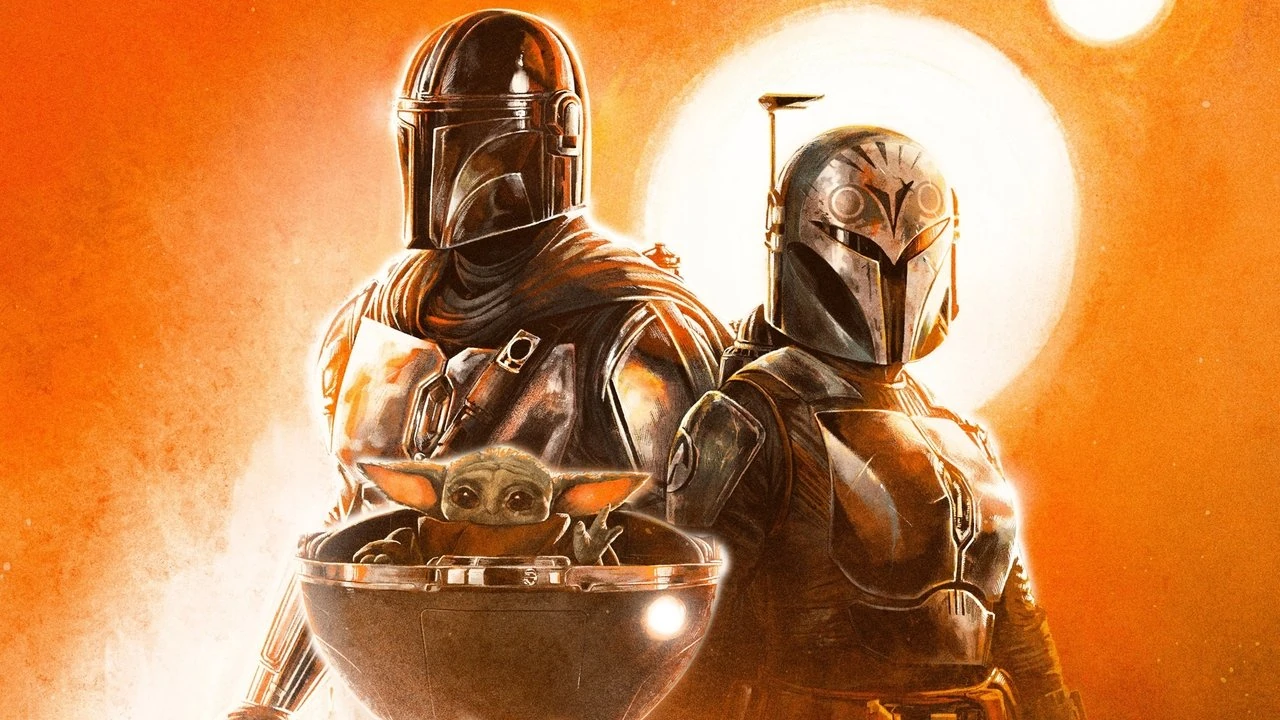 The vast, untamed beauty of a distant world, mirroring the endless possibilities and daunting challenges of a galaxy in flux.
“The hardest choices require the strongest wills.” — Thanos (a different universe, but the sentiment holds)
The Mandalorian stands as a powerful testament to the enduring appeal of archetypal storytelling, even when occasionally faltering in its execution. It might have indulged in fan service or suffered from an episodic rhythm at times, drawing some criticism for its narrative ambition. However, its triumphs in character development, world-building, and particularly its exploration of identity, duty, and the transformative power of chosen family, are undeniable. It asks us to consider what defines us – the rules we follow, the masks we wear, or the profound connections we forge. Ultimately, it suggests that even in a lawless galaxy, purpose isn’t found in a creed alone, but in the willingness to evolve, to protect, and to truly belong.
Where to Watch
- Disney Plus
What’s Up? explores the philosophical depths of cinema.