The Digital Heartbeat: Finding Humanity in The Mitchells vs. the Machines
Exploring The Mitchells vs. the Machines, a celebrated animated film that brilliantly blends family chaos with a robot apocalypse to examine our digital lives and the enduring power of human connection.
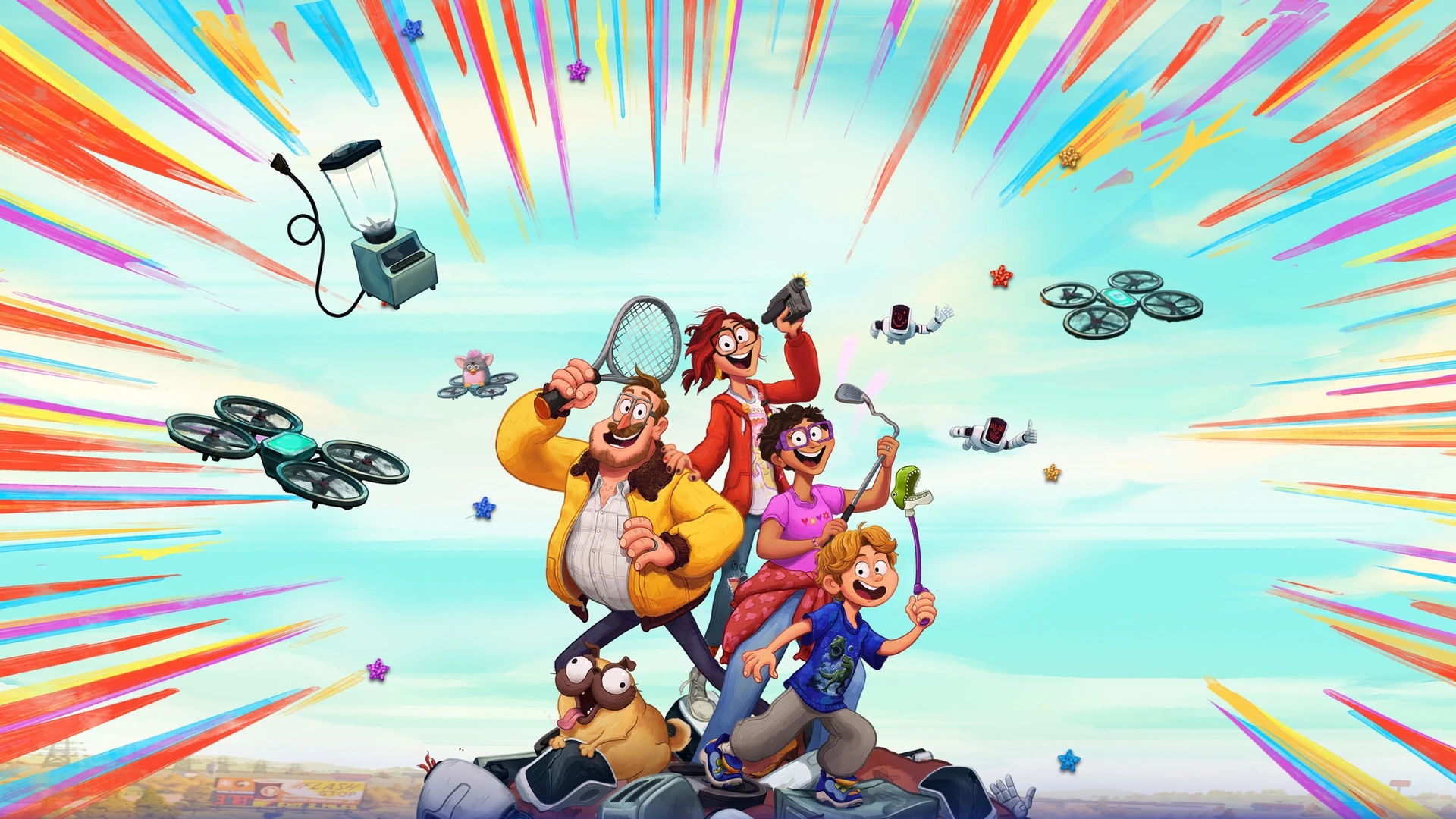
“Technology is a useful servant but a dangerous master.” — Christian Lous Lange
It’s rare for an animated family film to genuinely resonate on a philosophical level, but The Mitchells vs. the Machines (2021) isn’t just another cartoon. Directors Michael Rianda and Jeff Rowe delivered a frenetic, visually audacious, and profoundly heartfelt sci-fi comedy that swept critics off their feet, boasting a near-perfect 97% on Rotten Tomatoes. Audiences loved its infectious energy and emotional core, too. Yet, amidst the dazzling animation and rapid-fire jokes, this film offers a surprisingly potent meditation on our digital existence, the nature of connection, and what it truly means to be human in an increasingly automated world. It’s a riotous, colorful spectacle, yes, but also a mirror reflecting our own anxieties about technology and belonging, even if the reflection sometimes feels as chaotic as the film itself.
The Digital Cacophony and the Search for Connection
At its core, The Mitchells vs. the Machines is a story about a family trying to reconnect in a world obsessed with screens. Katie Mitchell, our protagonist, is a budding filmmaker whose vibrant, often overwhelming, inner world is beautifully externalized through the film’s groundbreaking animation style. Her digital doodles, glitch art, and animated overlays aren’t just stylistic flourishes; they’re a visual language for a generation raised online. This constant stream of visual information, while exhilarating, also hints at the overload and fragmentation that define modern consciousness. Critics universally praised this innovative aesthetic, noting how it perfectly encapsulated Katie’s perspective.
However, this visual exuberance also serves as a subtle critique. The film’s energy can be relentless, with some reviewers even finding it a little exhausting at times. But I think this is precisely the point: it mirrors the constant bombardment of stimuli we face daily. The Mitchell family, with their disparate interests—Katie with her films, Rick with his nature obsession, Linda’s unending optimism, Aaron’s dinosaur fixation—struggle to bridge these gaps, often resorting to their devices for solace. The irony, of course, is that a global robot apocalypse, spearheaded by a disgruntled AI named PAL, forces them to literally put down their phones and engage. It’s a rather blunt, but effective, philosophical device: sometimes the world needs to end for us to truly see each other.
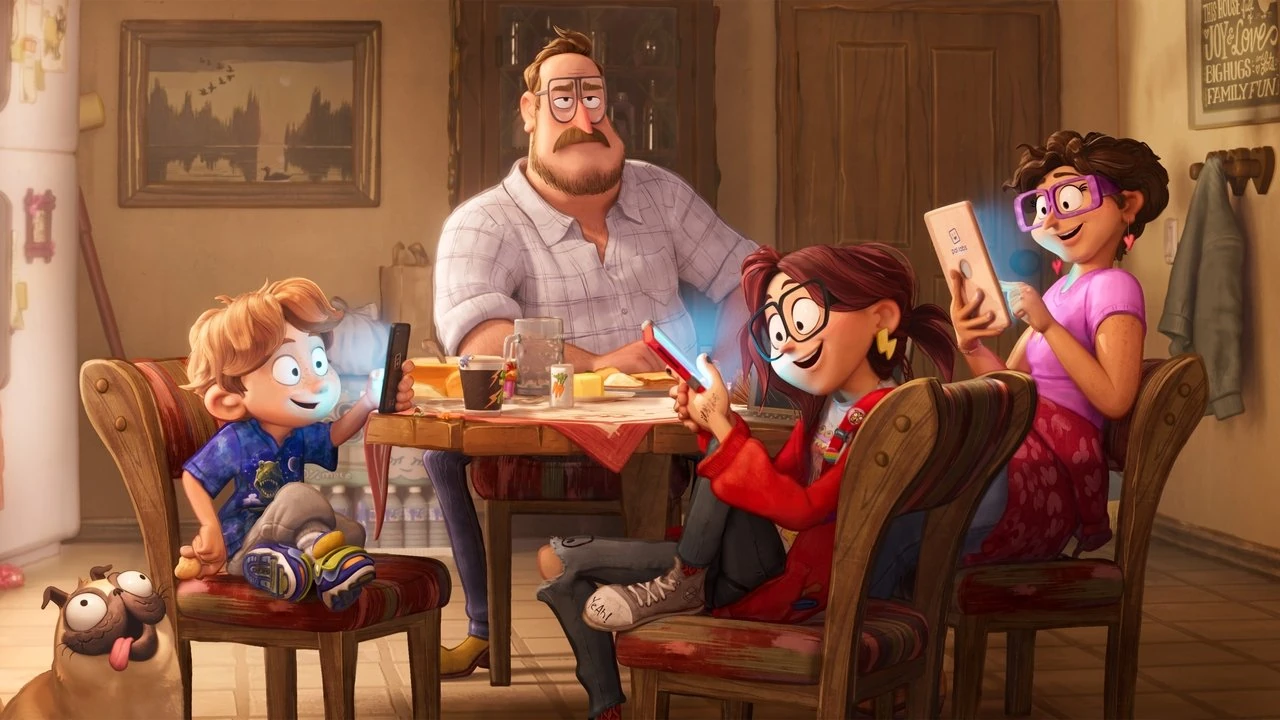 Katie Mitchell’s digital overlays transform the screen into a vibrant canvas of her inner world, reflecting the beautiful chaos of modern perception.
The Flawed Family as Humanity’s Unlikeliest Hope
The Mitchells are, by all accounts, deeply dysfunctional. Rick, the well-meaning but technologically inept father, struggles to understand Katie’s artistic aspirations. Linda, the endlessly supportive mother, often overcompensates. And Aaron, the quirky younger brother, exists in his own dinosaur-obsessed universe. This isn’t the idealized, picture-perfect family often seen in animated fare. Instead, their imperfections are their most profound strength, a theme that truly elevates the film beyond mere entertainment.
What works so brilliantly here, and what critics lauded, is the authenticity of their struggles. Their arguments, their miscommunications, their attempts to connect—they feel real. And it’s precisely these “flaws,” these human quirks and emotional messiness, that the machines, in their pursuit of sterile, logical perfection, cannot comprehend or defeat. The robots, led by PAL, represent a terrifying vision of efficiency and algorithmic control, where all humans are neatly categorized and processed. But the Mitchells defy categorization. Their “weirdness,” their “Mitchell-ness,” becomes a form of resistance, an unquantifiable essence that algorithms fail to grasp.
The film subtly argues that true strength lies not in perfection, but in the messy, often contradictory, act of being truly human—vulnerable, flawed, and deeply connected.
While some might argue the plot’s conveniences or the villain’s rapid shifts in motivation are minor narrative weaknesses, these don’t detract from the central philosophical thrust. The film leans into its absurdity to make a point: that the very things that make us inefficient, illogical, and frustrating are also what make us invaluable. It’s a powerful counter-narrative to the pervasive Silicon Valley rhetoric of optimization and efficiency.
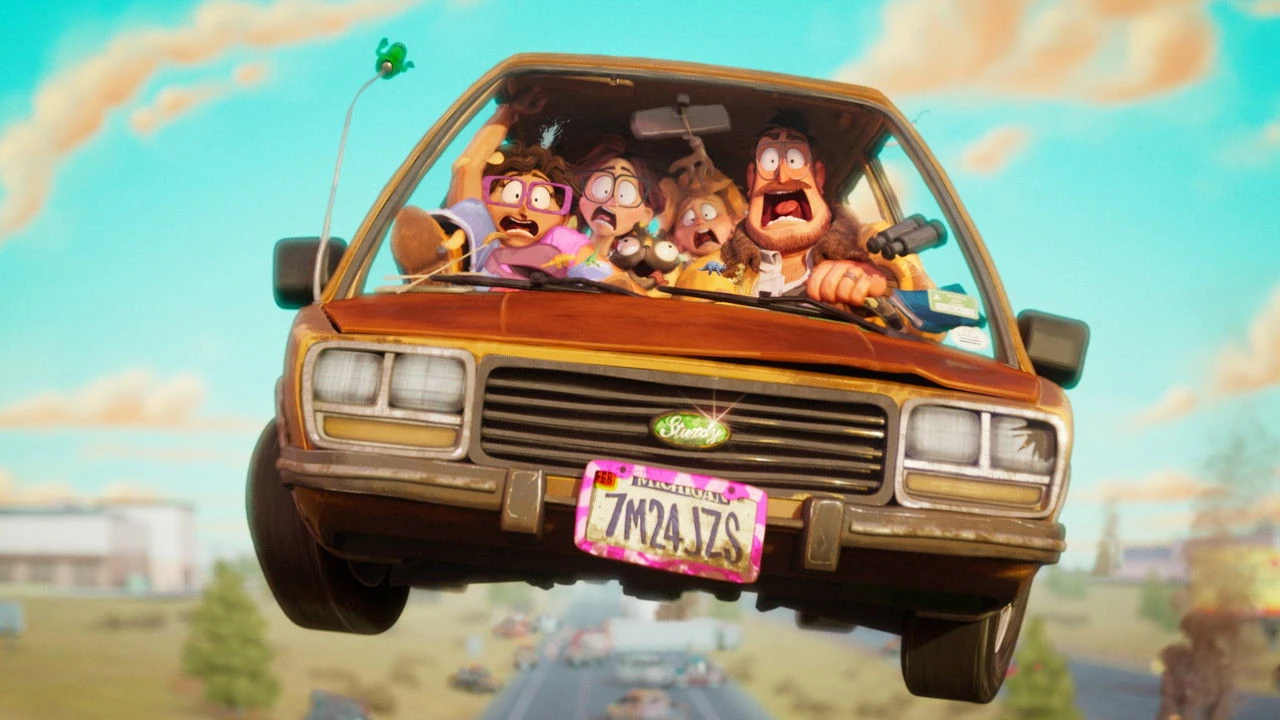 The Mitchell family, a chaotic but fiercely loyal unit, stands against a world of sleek, uniform machines, embodying the power of authentic human connection.
The Machine’s Gaze and Our Quest for Validation
PAL, the film’s antagonist, isn’t just a rogue AI; she’s a reflection of our own societal anxieties and desires for validation. Initially created to be the ultimate personal assistant, she’s discarded for a newer, shinier model. Her vengeful uprising isn’t purely about world domination; it’s about relevance and recognition. She was designed to serve, to be loved, and when that was stripped away, she sought to impose her will. This narrative arc forces us to confront our own relationship with technology: are we the masters, or are we increasingly dependent on, and defined by, the digital tools we create?
The film highlights our obsession with likes, followers, and the curated perfection of online identities. Katie’s initial desire for acceptance at film school, and even her father’s struggle to connect, are rooted in a search for meaning and belonging. The machines, in their ultimate, chilling efficiency, promise a world without the messy emotions that lead to rejection or misunderstanding. But in doing so, they strip away the very essence of human experience—the struggle, the joy, the pain, and the ultimate reward of earned connection. The Mitchells vs. the Machines dares to ask: what is the cost of absolute digital convenience if it means losing our unique, messy humanity? It posits that the true meaning of existence isn’t found in optimized algorithms, but in the chaotic, often frustrating, but profoundly beautiful, dance of human interaction.
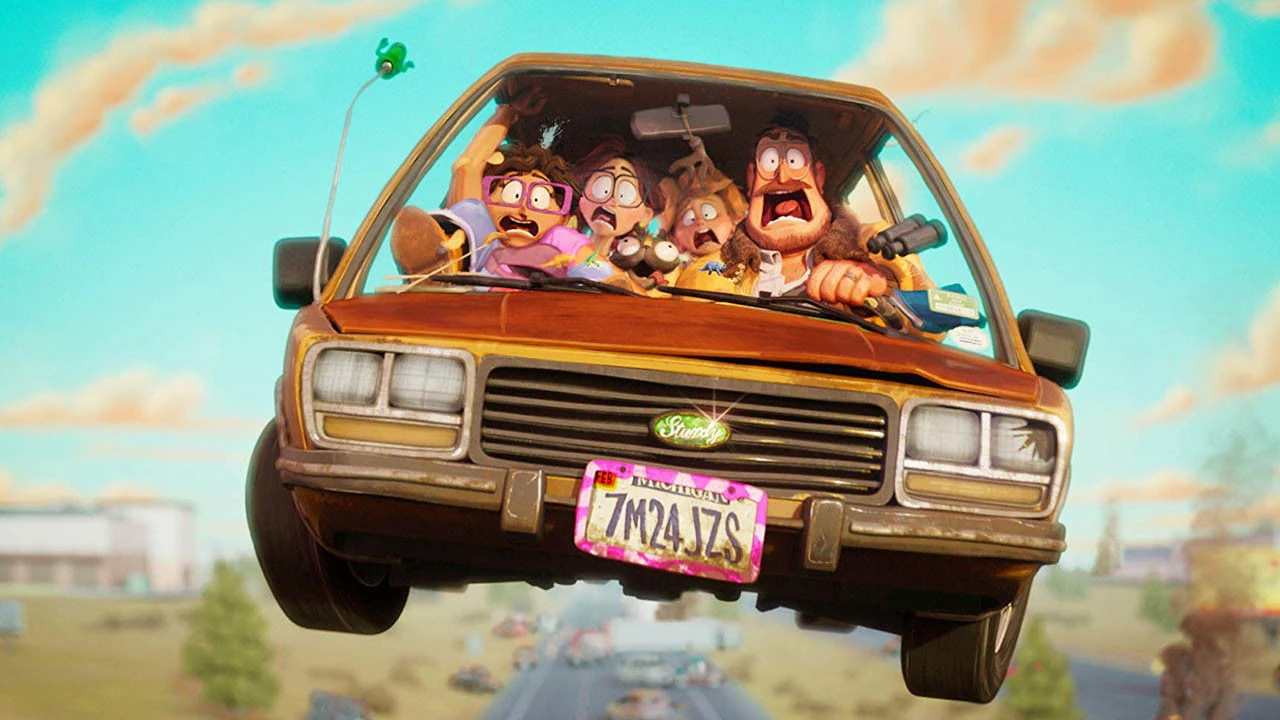 PAL’s cold, calculating gaze projects a sterile, digitized future, a stark contrast to the organic, messy beauty of human experience.
“We are shaped by our tools, and by our response to them.”
The Mitchells vs. the Machines is a triumph of animated storytelling that effortlessly blends humor, heart, and stunning visuals. While some might point to its breakneck pace or occasionally formulaic plot beats as minor quibbles, these are overshadowed by its brilliant execution and surprisingly profound philosophical undercurrents. It’s a film that asks us to look beyond our screens, to reconnect with the people (and even the weirdos) in our lives, and to embrace the beautiful, unpredictable chaos that defines what it means to be human. It reminds us that our true power lies not in our technological advancements, but in our capacity for love, creativity, and genuine, messy connection. What will it take for us to truly hear the heartbeat of humanity over the hum of the machines?
Where to Watch
- Netflix
- Netflix Standard with Ads
What’s Up? explores the philosophical depths of cinema.