The Allure of the Undercurrent: Morality and Masks in The Night Manager
Exploring the philosophical depths of The Night Manager (2016), dissecting its themes of identity, moral compromise, and the seductive nature of power.
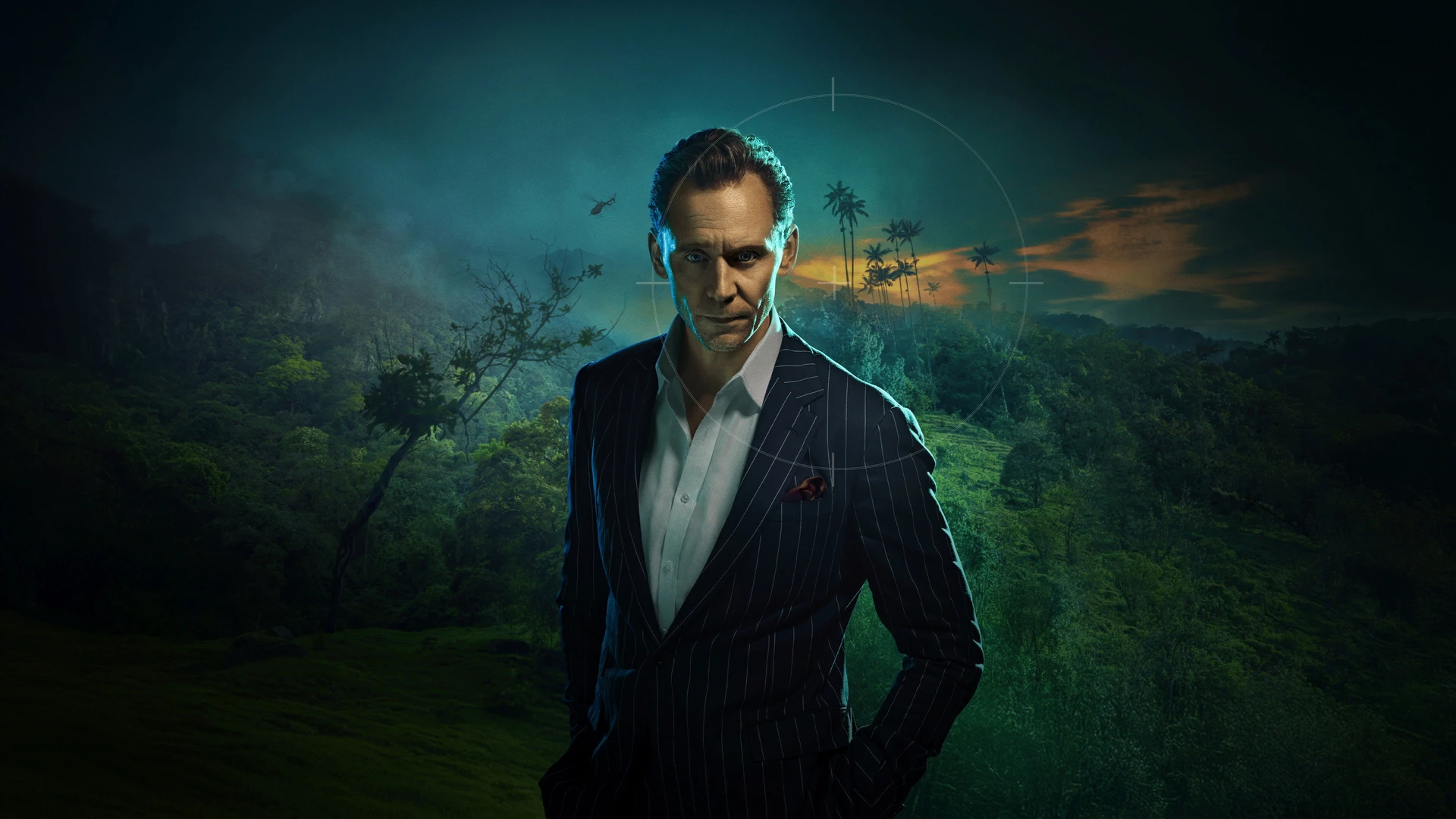
“The only way to deal with an unfree world is to become so absolutely free that your very existence is an act of rebellion.” — Albert Camus
When The Night Manager burst onto screens in 2016, it was a sensation—a sleek, sun-drenched adaptation of John le Carré’s classic novel that felt tailor-made for the prestige TV era. Critics, myself included, largely hailed it as a triumph, with its Certified Fresh 91% on Rotten Tomatoes and an 82 on Metacritic reflecting widespread acclaim. It was a masterclass in tension, style, and star power, largely thanks to magnetic performances from Tom Hiddleston as the eponymous hotelier-turned-spy, Jonathan Pine, and Hugh Laurie as the deliciously villainous arms dealer, Richard Roper. But beyond the gorgeous cinematography, the exotic locales, and the palpable chemistry, The Night Manager quietly, yet insistently, asks us to consider what it means to truly become another, and what moral wreckage might be left in the wake of such a transformation.
The Seduction of the Shadow: A Dangerous Metamorphosis
At its heart, The Night Manager is a story of metamorphosis. Jonathan Pine, a man defined by his meticulous control and his seemingly placid existence as a luxury hotel night manager, is thrust into a world utterly alien to him. His initial motivation is simple: revenge for a murdered lover. But as he delves deeper into the labyrinthine world of illegal arms dealing and intelligence black ops, his identity begins to fray, then twist, then reforge itself into something sharp and dangerous. He sheds Pine and becomes Thomas Quince, then Jack Linden – each alias a new skin, a new moral compromise.
The series excelled at making this descent visually and emotionally compelling. The pacing, while mostly taut, did occasionally allow for moments of lingering psychological dread, particularly as Pine found himself increasingly isolated, forced to adopt the brutal logic of the very men he sought to destroy. While the show’s polished aesthetic and thrilling plot hooks kept audiences gripped, some critics, myself included, noted that this very slickness sometimes made the philosophical implications of Pine’s transformation feel too smooth. The violence, though impactful, occasionally felt less gritty than one might expect from a Le Carré adaptation, perhaps softening the blow of Pine’s escalating moral transgressions. Yet, this very aesthetic choice can be seen as a commentary in itself: how easily we can be seduced by the glamour of danger, how the beautiful surfaces of corruption can mask its ugly depths.
Key themes that emerge from Pine’s journey:
- Identity as Performance — How much of Pine is real, and how much is a constructed facade designed to survive in a predator’s world?
- Moral Ambiguity — Can one fight evil without becoming tainted by it? Where is the line between infiltration and conversion?
- The Allure of Power — The seductive pull of Roper’s world, not just for its material wealth, but for its raw, unfiltered control.
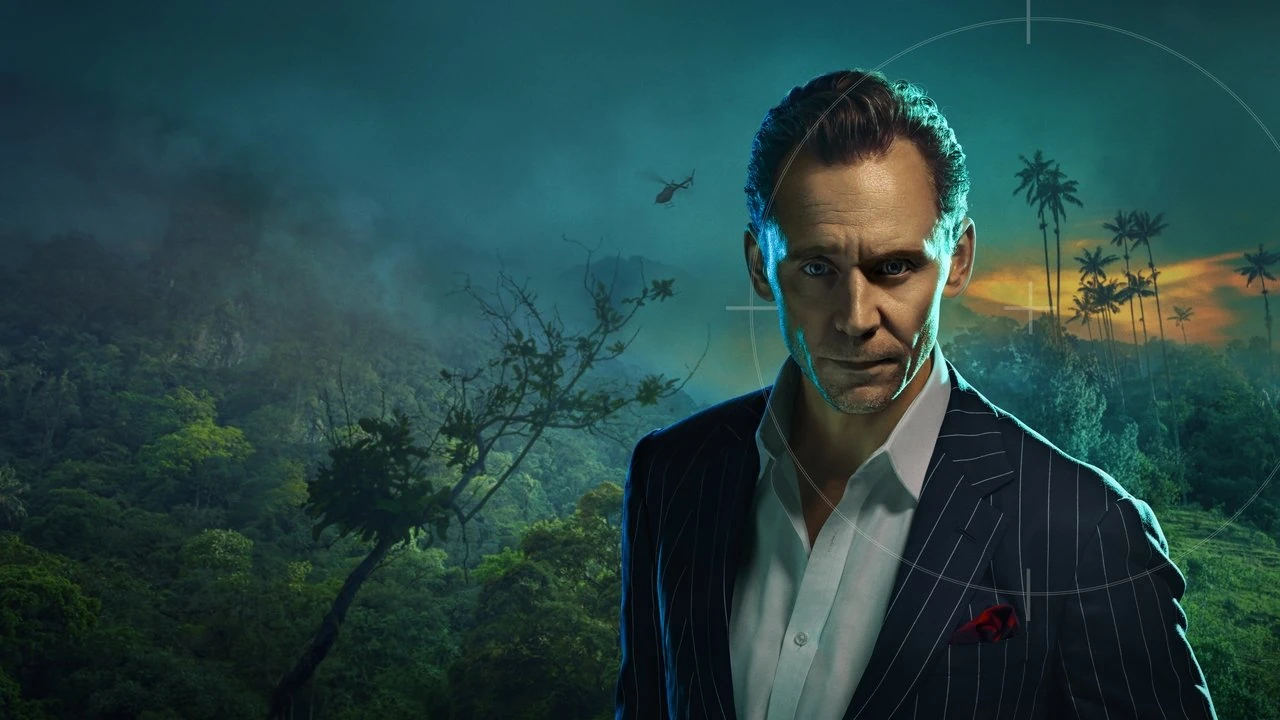 Jonathan Pine, caught between two worlds, grapples with the weight of his assumed identity.
The Masks We Wear and the Men We Become: A Duel of Wills
The philosophical core of The Night Manager truly ignites in the dynamic between Pine and Roper. Tom Hiddleston’s portrayal of Pine is a masterclass in controlled intensity – a man constantly teetering on the edge of exposure, his composure a fragile shield. Hugh Laurie, however, as Richard Roper, is nothing short of mesmerizing. He embodies the banality of evil with a chilling charm, a man who sees himself not as a villain, but as a pragmatist, an “honest businessman” in a dishonest world. Their exchanges are not just plot points; they are philosophical debates on the nature of morality, capitalism, and human depravity.
The most insidious evil often wears the most charming smile, subtly twisting our perception of integrity until compromise feels like reason.
Critics universally lauded these central performances, and rightfully so. Hiddleston’s vulnerability beneath the steel, and Laurie’s casual cruelty masked by sophistication, provided the series with its undeniable gravitas. However, even with such powerful acting, a few quibbles emerged among both critics and audiences. Some felt that while the central conflict was compelling, certain plot contrivances, or the rapid development of the romance subplot between Pine and Roper’s mistress, Jed (Elizabeth Debicki), felt a tad rushed or underdeveloped, momentarily pulling focus from the more profound psychological warfare. This wasn’t a fatal flaw by any means, but rather a minor speed bump on an otherwise thrilling ride. It highlights the challenge of adapting complex literary works, where the internal philosophical struggle of characters can sometimes be simplified for the sake of televised narrative momentum.
 Richard Roper, exuding an almost regal confidence, a chilling personification of elegant depravity.
Beyond the Surface: The Price of Righteousness in a Crooked World
Beyond the individual struggles of Pine and Roper, The Night Manager forces us to confront the systemic nature of evil. Roper isn’t just a lone wolf; he operates within a vast network of complicity, protected by powerful figures in Whitehall and Washington. The series, much like Le Carré’s other works, paints a bleak picture of the intelligence community, suggesting that the lines between the ‘good guys’ and the ‘bad guys’ are often indistinguishable, blurred by self-interest and political expediency.
This raises profound existential questions: Is individual heroism futile in the face of such entrenched corruption? Can one truly dismantle a system from within without becoming a part of it? Pine’s journey is a testament to the human spirit’s capacity for resistance, but it also carries a heavy cost. He achieves his goal, but at what price to his own soul? The series’ resolution, while satisfyingly climactic, leaves us pondering the lasting scars on a man who has had to descend into the abyss to fight its monsters. While some might argue the ending felt a little too neat for such a morally complex setup, it undeniably leaves the audience with a sense of the immense personal sacrifice involved in such a fight.
 A clandestine meeting in a lavish setting, illustrating the pervasive reach of corruption.
In the quiet aftermath of a victory, we’re left to wonder if the monster truly dies, or if it merely changes its skin, waiting for the next brave soul to sacrifice their own humanity in the fight.
The Night Manager isn’t just a thrilling spy drama; it’s a mirror reflecting our anxieties about power, morality, and the elusive nature of justice. It asks us if heroism is possible without compromise, and if the pursuit of righteousness inevitably leads to a descent into the very darkness we seek to vanquish. Even with its minor narrative stumbles, the series remains a compelling exploration of the human capacity for transformation, both for good and for ill, leaving us to ponder the true cost of wearing a mask, even in the service of a just cause. What fragments of our true selves do we leave behind in the shadows we inhabit?
Where to Watch
- Amazon Prime Video
- Amazon Prime Video with Ads
What’s Up? explores the philosophical depths of cinema.