The Outsider and the Unbearable Weight of the Unknowable
Exploring The Outsider's philosophical grapple with reality, belief, and the unsettling nature of evil that defies rational explanation.
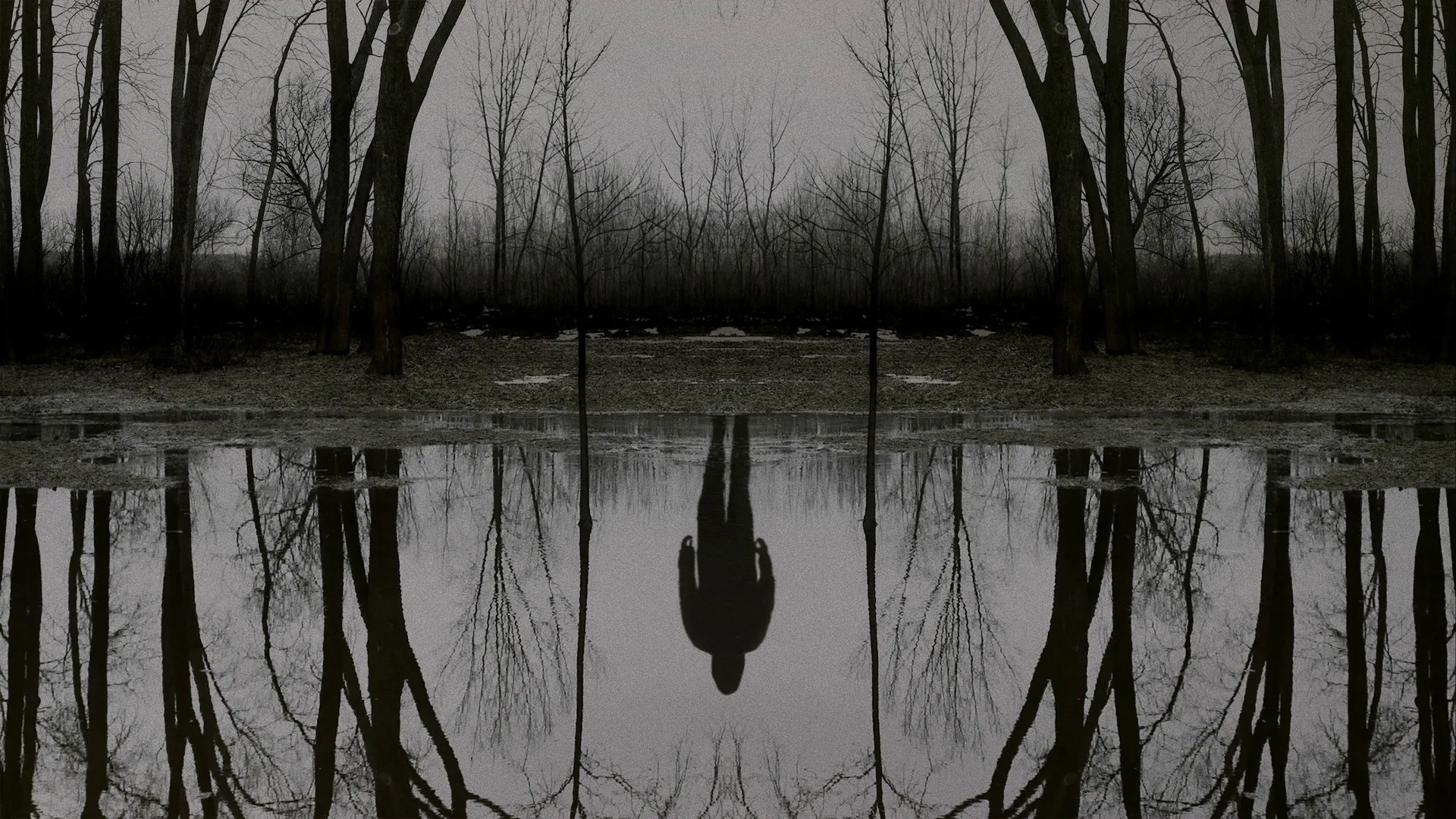
“The unknown is the greatest fear, the greatest challenge, the greatest truth.”
HBO’s The Outsider, based on Stephen King’s novel, arrived in 2020 shrouded in a palpable atmosphere of dread. It promised a chilling blend of crime procedural and supernatural horror, drawing viewers into a grim murder mystery that quickly spirals beyond the realm of rational explanation. Critically, the series was largely well-received, earning an 82% on Rotten Tomatoes and a 69/100 on Metacritic, with particular praise for its unsettling mood, strong performances from Ben Mendelsohn and Cynthia Erivo, and its ability to sustain tension. Yet, it wasn’t without its detractors. Many viewers, and even some critics, found its deliberate pacing a double-edged sword, while the narrative’s eventual full embrace of the supernatural proved divisive, particularly concerning its resolution. Still, beneath the slow-burn suspense and the arguments over its execution, The Outsider digs into something profoundly philosophical: our innate human need for a coherent reality and the terrifying implications when that reality shatters.
The Unsettling Mirror of Truth
At its core, The Outsider presents an epistemological nightmare. Detective Ralph Anderson (Ben Mendelsohn), a man grounded firmly in logic and evidence, finds himself investigating the brutal murder of a young boy, Frankie Peterson. All evidence, DNA, eyewitness accounts, video footage, points unequivocally to local family man and beloved baseball coach Terry Maitland (Jason Bateman). The case seems open-and-shut, almost sickeningly so. But then, contradictory evidence emerges: Terry Maitland was simultaneously in another town, miles away, at the exact time of the murder, caught on camera. This immediate, irrefutable paradox forces everyone involved—Ralph, the district attorney, even Terry’s family—into an existential crisis. How can two mutually exclusive truths exist?
The series masterfully exploits this initial cognitive dissonance. It’s not just a plot device; it’s a direct assault on our fundamental understanding of cause and effect, of identity, and of truth itself. We, like Ralph, are conditioned to believe in a world governed by rules, where a person can only be in one place at one time. The Outsider posits that this isn’t always the case, introducing the idea of an imposter, a shapeshifting entity known as el cuco. This initial phase, where the show grapples with the impossible, is arguably its most potent, forcing us to question the very nature of evidence and belief. For those who found the pacing too slow, this deliberate, agonizing crawl through the impossible was precisely the point – it mirrored Ralph’s own struggle to accept the unacceptable.
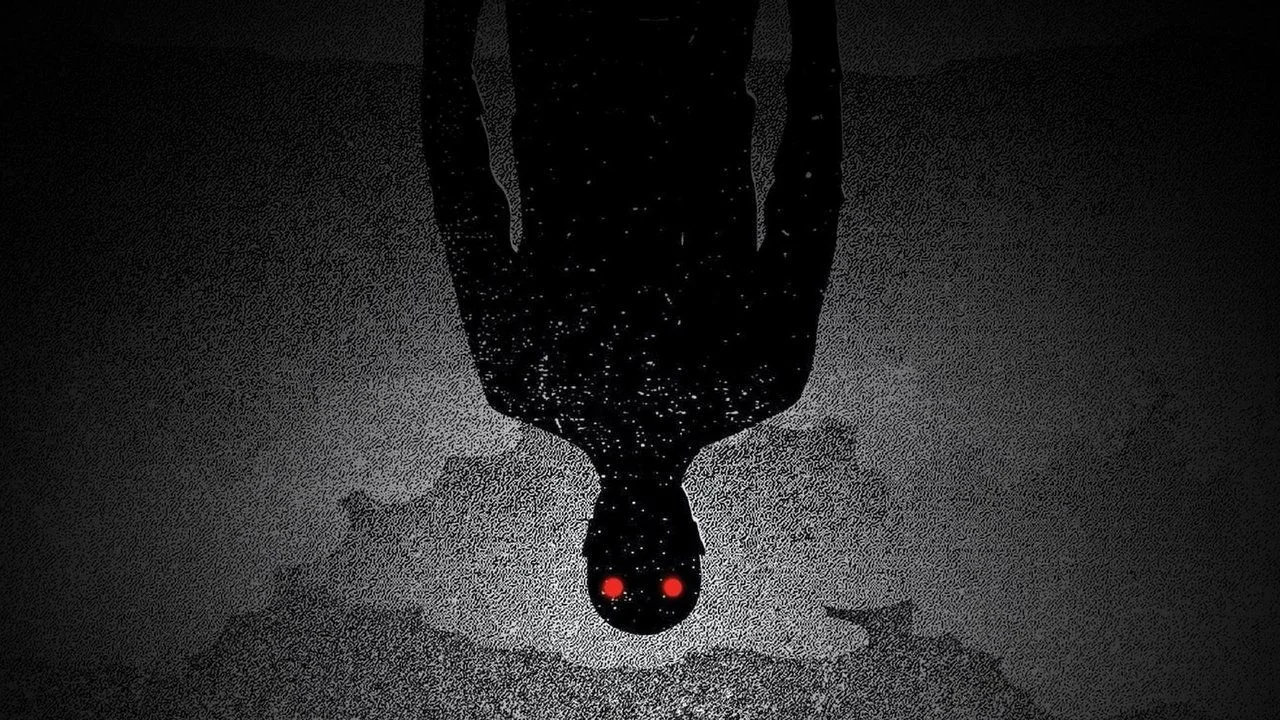 Ralph Anderson, lost in thought, grappling with evidence that defies all logic.
Echoes of Doubt and the Human Cost
As the investigation progresses, led by the eccentric, hyper-observant private investigator Holly Gibney (Cynthia Erivo), the series shifts from a grounded crime drama to something far more insidious. Holly, with her unique cognitive abilities, is more open to patterns and possibilities that defy conventional wisdom. She begins to connect the Maitland case to similar incidents across the country, suggesting a pattern of doppelgängers and unspeakable acts. This is where the series truly earns its “horror” tag, not just from jump scares, but from the slow, creeping realization that some evil might not be human, might not even be of this world in a way we understand.
This tonal shift, however, became a point of contention. Critics noted the uneven pacing as the series progressed, with some middle episodes feeling less urgent as the supernatural elements slowly coalesced. For viewers expecting a tight, psychological thriller, the full embrace of a mythical, parasitic entity—el cuco—felt like a departure. The introduction of supernatural elements, while central to King’s original vision, meant a different kind of suspension of disbelief was required, and not all viewers were willing or able to make that leap seamlessly. The climax, in particular, and the depiction of the creature itself, drew mixed reactions, with some finding it anticlimactic or visually underwhelming compared to the psychological dread built up earlier.
The real terror isn’t just the monster itself, but the chilling realization that our carefully constructed reality might be a fragile illusion, easily shattered by forces beyond our comprehension.
Yet, it’s in this transition that The Outsider becomes a profound study of grief, trauma, and the limits of human resilience. Ralph Anderson’s journey is one of profound loss and existential disorientation. He’s not just solving a murder; he’s fighting to reclaim his sanity and his worldview. The series explores how a community reacts when faced with the truly inexplicable – some cling to the familiar, others descend into conspiracy theories, and a few, like Holly and eventually Ralph, are forced to expand their understanding of what’s possible, at immense personal cost.
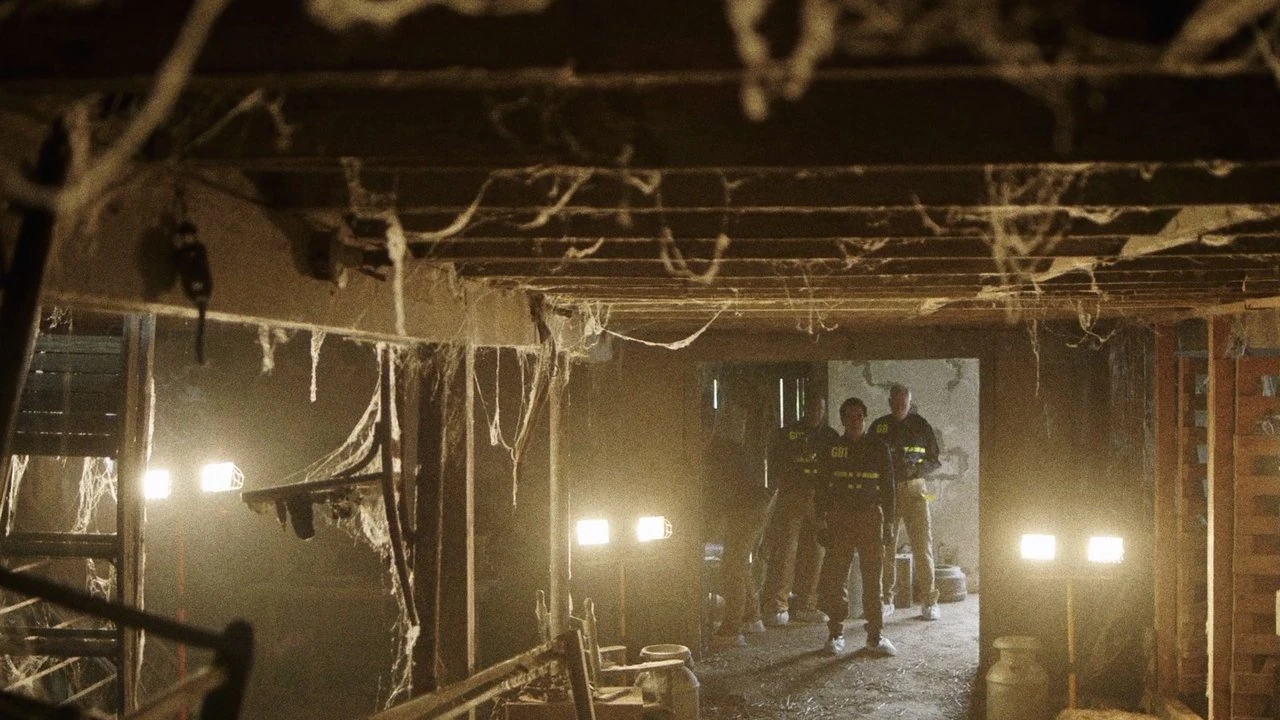 Holly Gibney, a beacon of unconventional insight, connects the dots no one else can see.
Beyond the Veil: Confronting the Unknowable
Despite its narrative stumbles and criticisms regarding its ending, The Outsider’s philosophical weight lies in its unflinching confrontation with the unknowable. What does el cuco represent? It’s more than just a monster; it’s the embodiment of a faceless, motiveless evil that defies our need for narrative and justice. It doesn’t kill for revenge, or passion, or greed; it kills to survive, to feed off grief and fear, leaving behind a trail of shattered lives and inexplicable suffering. This makes it far more terrifying than a human killer, whose motives, however depraved, can at least be understood.
The series forces us to ponder:
- The nature of evil: Is it always human-driven, or can it be an autonomous, parasitic force?
- The fragility of rationality: What happens when logic fails, and the only explanation is the absurd?
- The power of belief (or non-belief): How do we navigate a world where our most basic assumptions are challenged?
- The burden of knowledge: What price do we pay for seeing the truth, especially when that truth is monstrous?
The Outsider dares to ask if there are limits to science and reason, if some mysteries are meant to remain unsolved, or at least, unexplainable within our current frameworks. Ralph’s eventual, reluctant acceptance of the supernatural isn’t a victory of understanding, but a concession to a larger, darker truth, one that forever changes his perception of the world. Even with its flaws, the series compels us to look beyond the surface, beyond the tidy explanations, into the murky, terrifying depths where the metaphysical and the existential collide with gruesome reality.
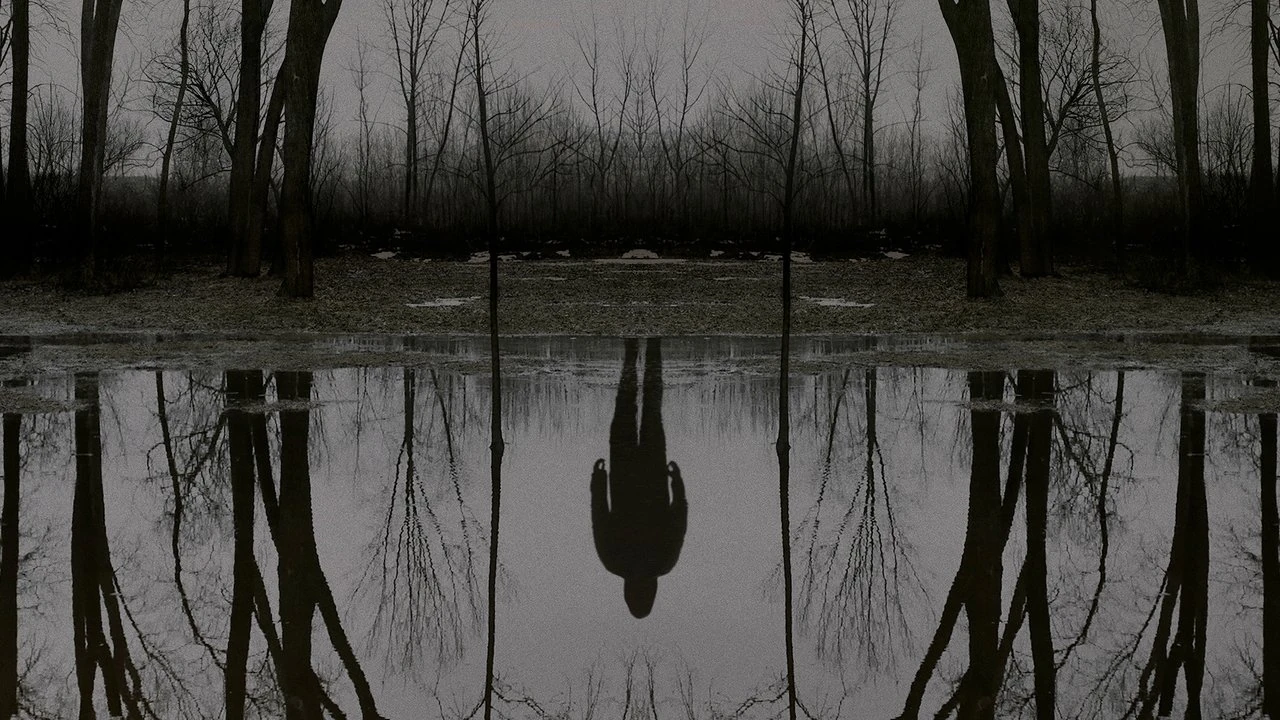 A sinister, shadowy figure hints at the unseen forces at play.
“The true horror isn’t the monster under the bed, but the realization that the bed itself, the room, the house, the world – everything you thought you knew – might just be part of its dream.”
In its final moments, The Outsider leaves us not with definitive answers, but with lingering questions and a sense of unease. It’s a testament to the series’ philosophical ambition that even its weaker points become fodder for deeper reflection. While its execution might have been divisive, especially for those hoping for a more grounded resolution, its central premise – the shattering of reality by an unholy, unexplainable force – remains profoundly unsettling. It reminds us that our search for meaning and order is a constant, often precarious, battle against the chaotic and the truly outsider.
Where to Watch
- HBO Max
- HBO Max Amazon Channel
What’s Up? explores the philosophical depths of cinema.