The All-Consuming Illusion: Deconstructing The Prestige's Dark Mirror
A philosophical deep dive into Christopher Nolan's The Prestige, exploring its themes of obsession, identity, and the dark cost of illusion, balancing critical acclaim with nuanced observations.
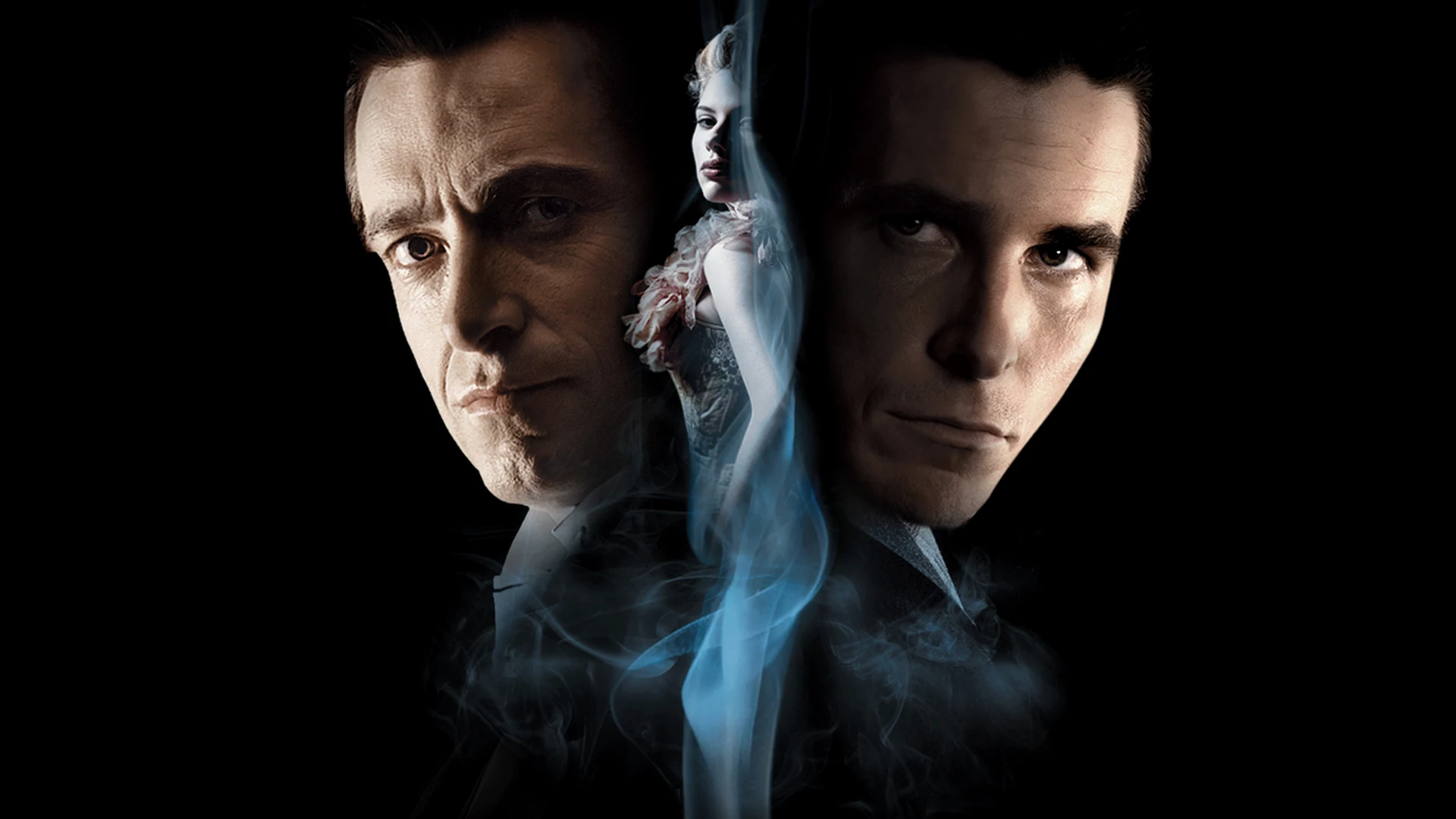
“Every great magic trick consists of three parts or acts. The first part is called ‘The Pledge’. The magician shows you something ordinary… The second act is called ‘The Turn’. The magician takes the ordinary something and makes it do something extraordinary… But you wouldn’t clap yet. Because making something disappear isn’t enough; you have to bring it back. That’s why every magic trick has a third act, the hardest part, the one we call ‘The Prestige’.” — Cutter
Christopher Nolan’s The Prestige, released in 2006, isn’t just a film; it’s a meticulously crafted philosophical apparatus, a cinematic puzzle box designed to unravel the very nature of human obsession and the deceptive allure of art. On its surface, it’s a period thriller about two rival magicians, Robert Angier (Hugh Jackman) and Alfred Borden (Christian Bale), whose deadly competition escalates into a destructive spiral. But beneath the top hats and stage smoke, Nolan, with his characteristic cerebral flair, forces us to confront some profoundly unsettling truths about identity, sacrifice, and the often-dark heart of ambition. Critically, the film was largely lauded, with Rotten Tomatoes reporting a strong 76% approval among critics and an even higher 92% from audiences, praising its intricate plotting, stellar performances, and Nolan’s visionary direction. Yet, even among its champions, there were whispers: could such a brilliant, complex mechanism occasionally obscure the raw, human emotion it purported to explore?
The Consuming Fire of Obsession
The Prestige’s central dynamic is the escalating rivalry between Angier and Borden, fueled by a tragic accident and an unyielding desire for supremacy. This isn’t just about professional one-upmanship; it’s an exploration of pathological obsession. Both men become so consumed by their craft and their need to outdo the other that they systematically dismantle their lives, their relationships, and ultimately, their very selves. Nolan shows us, with chilling precision, the seductive power of a singular focus, and how it can morph from a passion into a monstrous, all-consuming void.
Their rivalry, sparked by a perceived slight and a real tragedy, quickly transcends healthy competition. It becomes a zero-sum game, a war where the only acceptable outcome is the utter annihilation of the opponent, both professionally and personally. Angier, haunted by his wife’s death and perpetually feeling a step behind Borden’s “true” genius, devolves into a desperate seeker of the ultimate trick. Borden, in turn, is driven by a need to protect his secrets and his perceived superiority. Their lives are no longer their own; they are merely instruments in the grand, deadly illusion they construct for each other.
- The Price of Art: The film asks what we are willing to sacrifice for our art, our legacy, our “prestige.” For Angier and Borden, the answer is everything.
- The Self as Sacrifice: Their identities become fluid, malleable, and ultimately expendable in the service of the trick.
- The Audience’s Complicity: We, the viewers, like the film’s on-screen audience, are drawn into the spectacle, desiring to be fooled, perhaps even unknowingly encouraging their destructive spiral.
While critics widely praised The Prestige for its intricate plotting and compelling performances, some found its emotional core to be overshadowed by its relentless intellectual game. As some noted, the film’s genius in weaving its narrative often leaned into a certain coldness, an emotional distance that kept characters at arm’s length, perhaps mirroring the characters’ own detachment from their humanity. It’s a valid observation; the film’s brilliance lies more in its meticulous construction of a puzzle than in the warmth of its character studies, making the viewer more of a detective than an empath.
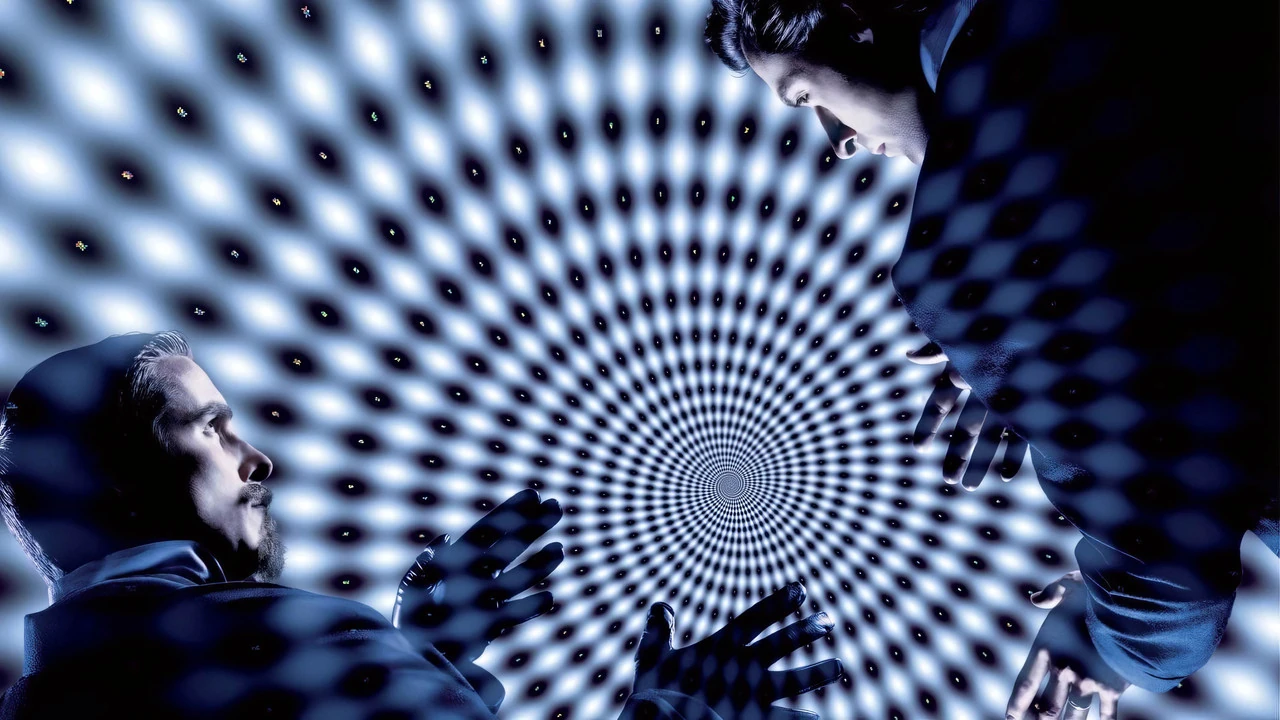 A magician, perhaps Angier, on stage, bathed in a solitary spotlight, emphasizing the loneliness of their ambition.
The Broken Mirror of Identity
One of The Prestige’s most profound philosophical contributions lies in its deconstruction of identity. Borden’s secret, revealed in the film’s climax, isn’t just a plot twist; it’s a radical existential statement. His “Transported Man” trick is possible because he literally shares his life with another. This isn’t merely a stage gimmick; it’s a way of living, a constant performance, where the individual self is fragmented, divided, and meticulously managed. What does it mean to be “Alfred Borden” when “Alfred Borden” is two distinct people, each living half a life, each loving half a woman?
This is where we discover the true weight of identity — not in who we present to the world, but in the profound, often painful, schism between our internal selves and the roles we’re compelled to play.
Angier’s response to Borden’s trick is even more radical. Unable to replicate Borden’s perceived genius, he turns to science, specifically the fantastical invention of Nikola Tesla. His version of “The Transported Man” involves replication, creating exact duplicates of himself. This raises terrifying questions about the nature of the soul, consciousness, and what constitutes a “self.” If Angier steps into a machine and another Angier steps out, is the original Angier still Angier? Or is he merely a discarded copy, a necessary sacrifice for the “prestige” of the trick? Each performance becomes an act of self-annihilation, a ritualistic murder of the preceding self.
The film forces us to consider:
- The Performativity of Self: Are we all just performing roles, even in our most intimate moments?
- The Expendability of the Individual: In the pursuit of an ultimate goal, how easily can the self be sacrificed or duplicated, diminishing its inherent value?
- The Illusion of Uniqueness: If identity can be cloned or shared, what then of our singular existence?
While the film’s ingenious twists earned widespread critical acclaim, some acknowledged its demanding narrative, which occasionally edged towards convolution for certain viewers. The layered storytelling, while a hallmark of Nolan, required a high degree of intellectual engagement, leading some to feel that the complex mechanics of the plot sometimes overshadowed the raw emotional impact of the characters’ plight. The “deus ex machina” nature of Tesla’s machine was also a point of contention for some, who felt it stretched the film’s otherwise grounded reality to its breaking point, even if it served a powerful thematic purpose.
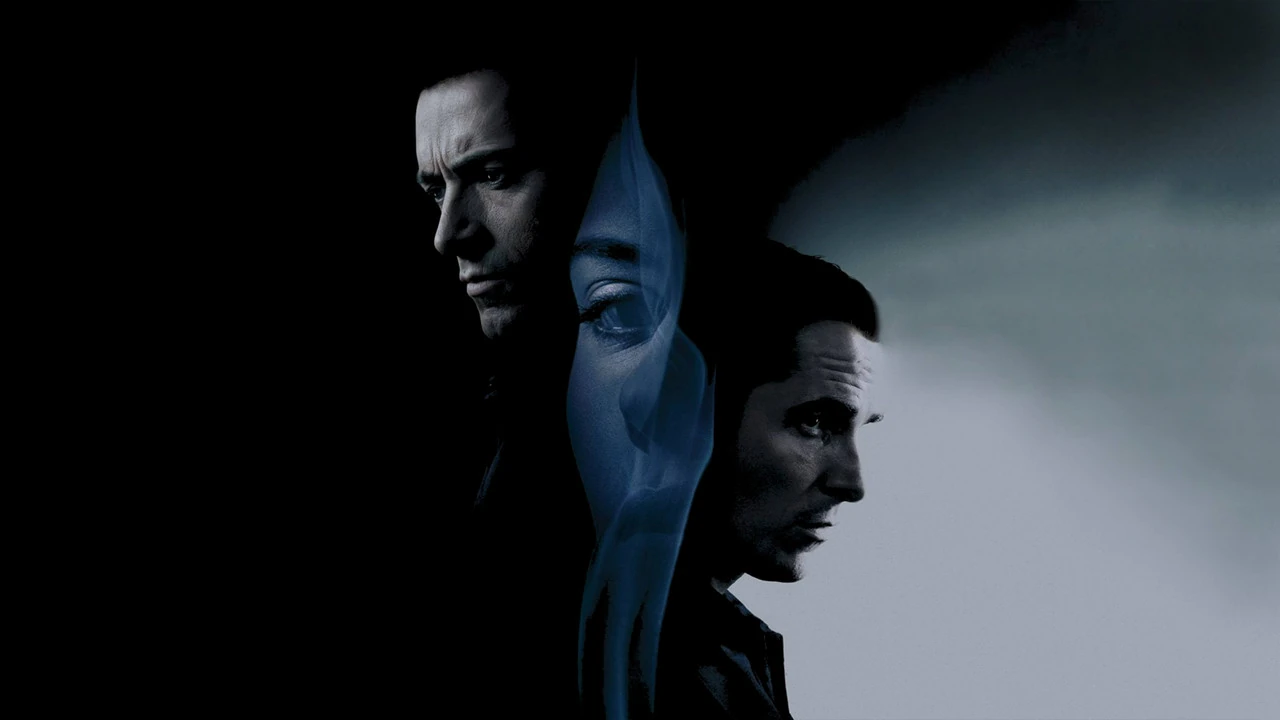 A close-up of Christian Bale as Alfred Borden, his face reflecting a hidden depth and internal conflict.
The Dark Alchemy of the “Prestige”
The final act of The Prestige is a brutal, relentless culmination of its preceding philosophical inquiries. The “prestige” of the trick, the shocking reveal, is achieved through unimaginable sacrifice and moral compromise. Both magicians cross lines that should never be crossed. Borden lives a lie, tearing apart the lives of the women he loves and fragmenting his own identity. Angier, in his desperate envy, repeatedly murders himself, accepting a macabre cycle of death and rebirth for a moment of applause.
The film’s sci-fi element, the cloning machine, isn’t just a convenient plot device; it’s a metaphysical horror. It embodies humanity’s desperate desire to overcome limits, to cheat death, to achieve perfection, even if it means sacrificing ethical boundaries and the very essence of what it means to be human. The “magic” isn’t real, but the consequence of believing in magic, of wanting it so badly, is profoundly real and horrifying. The “Prestige” isn’t just the final, astounding act; it’s the terrible, lingering cost paid by those who perform and those who watch.
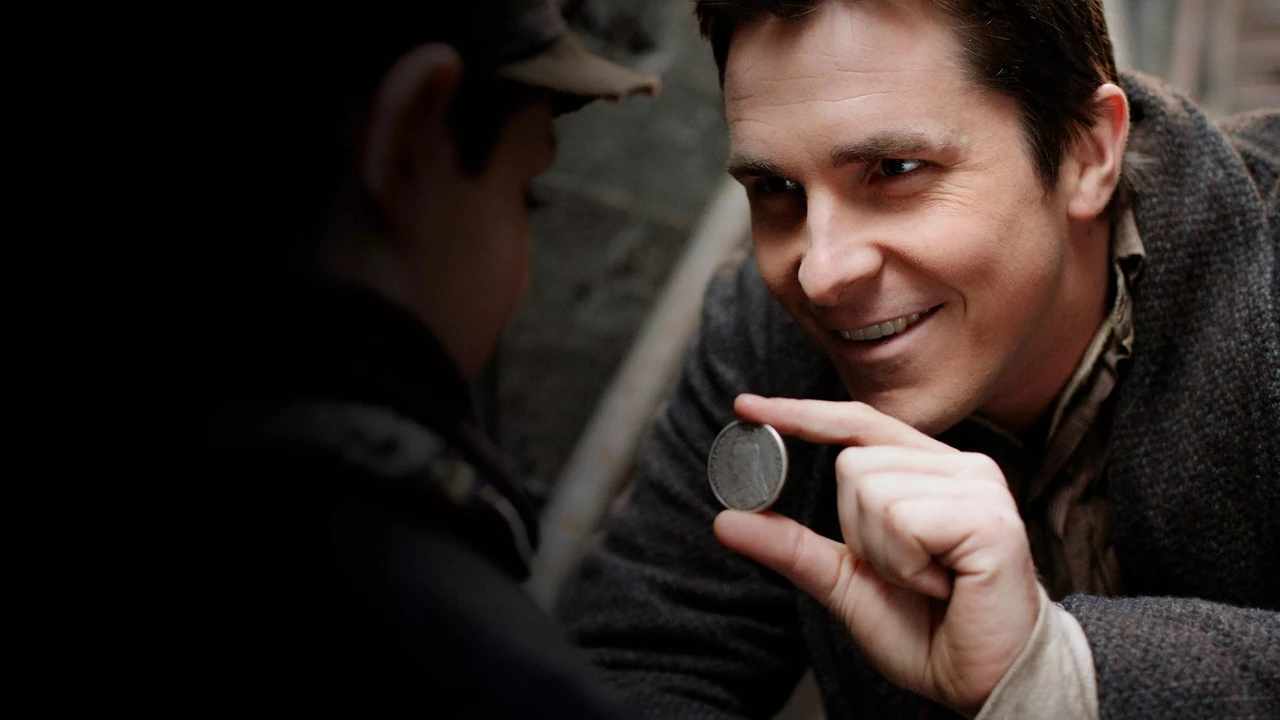 Hugh Jackman as Angier, surrounded by tanks of water, hinting at the gruesome nature of his ultimate trick.
“The Prestige leaves us with a haunting question: How much of our authentic self are we willing to surrender, not for the audience’s delight, but for the dark, insatiable hunger of our own ego?”
The Prestige isn’t a story that offers easy answers or heartwarming resolutions. It’s a dark mirror held up to our own ambitions, our jealousies, and our willingness to deceive ourselves and others for a fleeting moment of glory. While some critics found its emotional landscape somewhat cold, and its narrative occasionally too intricate for its own good, these very qualities contribute to its unique philosophical resonance. It functions less as a character drama and more as a meticulously engineered thought experiment. Nolan’s masterpiece dares to suggest that the greatest magic isn’t in the trick itself, but in the terrifying, transformative power of belief — and the catastrophic price we’re willing to pay for it. What, then, is your Prestige?
What’s Up? explores the philosophical depths of cinema.