Against the Toxic Tide: The Railway Men and the Ethics of Invisible Courage
Exploring The Railway Men's portrayal of heroism, sacrifice, and the profound ethical dilemmas faced during the 1984 Bhopal disaster.
“The true test of a civilization is not the census, nor the size of its cities, nor the crops in its fields… but the kind of man the country turns out.” — Ralph Waldo Emerson
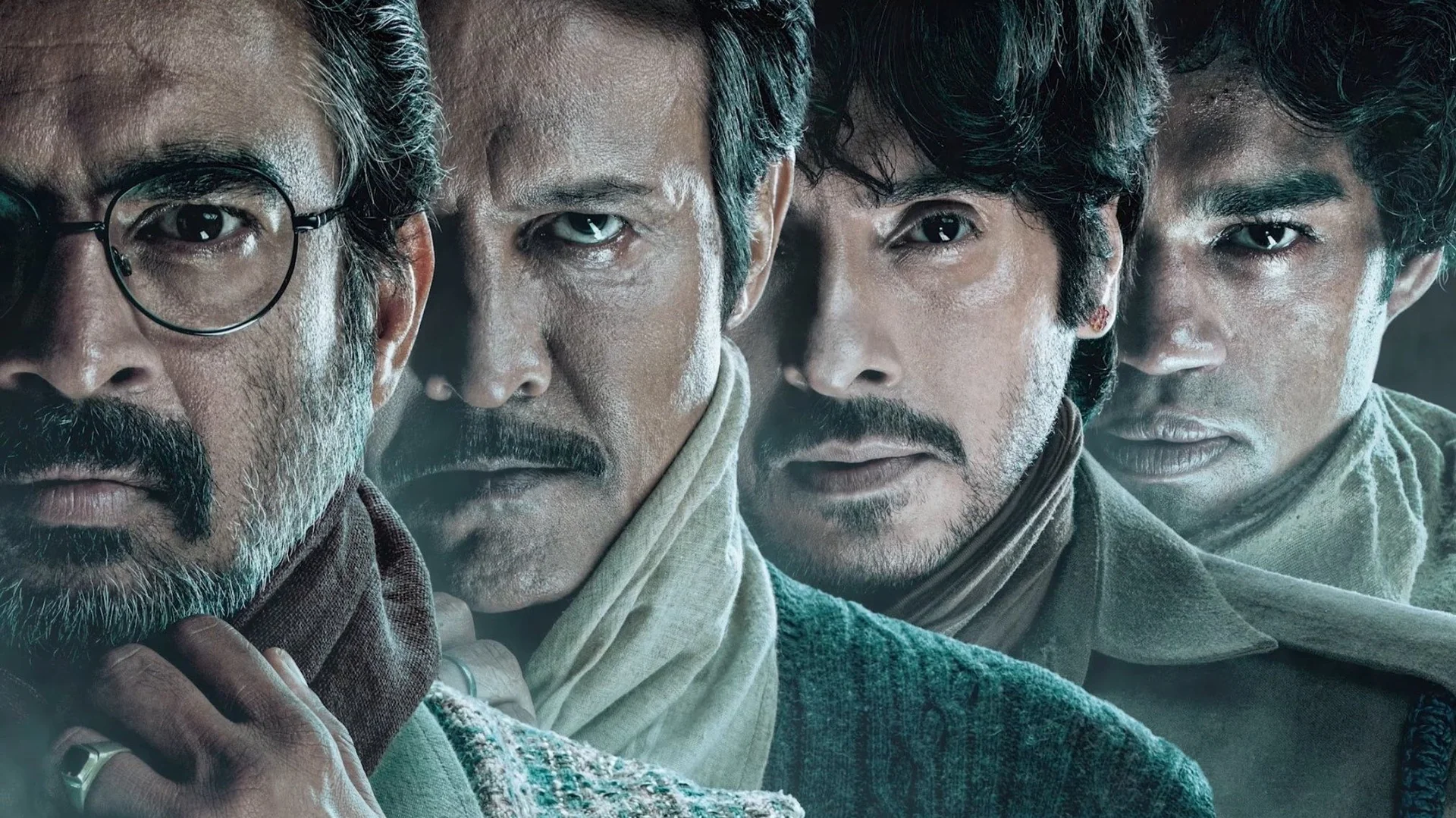
When a disaster of unthinkable scale strikes, our gaze often lands on the perpetrators, the victims, or the aftermath. But what about those caught in the agonizing middle—the ordinary individuals thrust into extraordinary circumstances, facing choices that define the very essence of humanity? The Railway Men, the 2023 TV series, bravely attempts to answer this, plunging us into the heart of the 1984 Bhopal gas tragedy through the eyes of the unsung railway workers. The series, starring a formidable ensemble including Kay Kay Menon, Divyendu Sharma, Babil Khan, and R. Madhavan, was met with overwhelmingly positive reception, especially from Indian audiences and critics who lauded its gripping narrative and powerful performances. Yet, like any work grappling with such immense real-world horror, it invites not just admiration but also a deeper, more critical philosophical gaze into its portrayal of heroism, duty, and the very fabric of human resilience.
The Crucible of Duty: Heroism in the Face of the Unseen
The Railway Men isn’t subtle in its admiration for the titular heroes. It’s a drama, a thriller, and a historical account, all wrapped into one, meticulously recreating the chilling night when a deadly gas leak from the Union Carbide plant enveloped Bhopal. What emerges isn’t just a story of survival, but a profound meditation on duty as an existential imperative. These aren’t soldiers, nor trained disaster relief personnel; they are station masters, engine drivers, and porters, equipped only with their knowledge of the tracks and an unwavering sense of moral obligation.
While the series has been largely celebrated for its tight pacing and suspenseful direction, a few critical murmurs have occasionally surfaced about its focus. Some viewers, while appreciating the dramatic tension, wished for a more direct confrontation with the corporate culpability and the systemic failures that underpinned the tragedy, rather than solely focusing on the rescue efforts. This isn’t a flaw in execution as much as a deliberate narrative choice, one that shifts the philosophical lens. By narrowing its focus to the railway station, The Railway Men forces us to confront:
- The ethics of immediate response: When protocols fail, what guides moral action? Is it a pre-existing code, or an emergent, deeply human impulse?
- The anonymity of heroism: Many acts of courage happen far from cameras and accolades. The series posits that true heroism often resides in the quiet, desperate acts of ordinary people.
- The burden of knowledge: Knowing the full extent of the danger, yet choosing to stay, to fight, to save—this isn’t just bravery, it’s a profound commitment to human life.
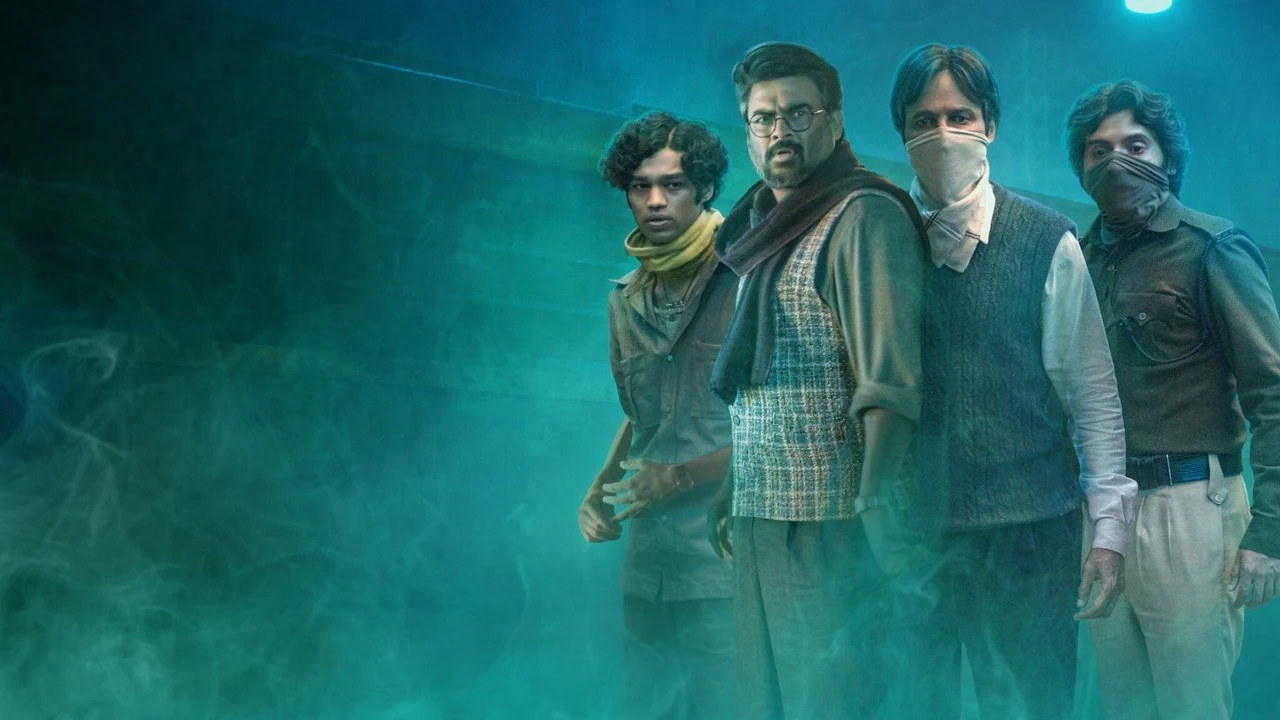 A lone figure stands against the encroaching gas, embodying the defiance of duty.
Navigating the Human Cost: Flaws and Focus
The series undeniably excels at building tension and delivering powerful emotional punches. The performances, particularly from Kay Kay Menon as the stoic station master and R. Madhavan as the general manager navigating bureaucratic nightmares, anchor the narrative with gravitas. Divyendu Sharma and Babil Khan also deliver compelling portrayals of individuals grappling with their own fears and finding courage. The sense of creeping dread, the panic, the desperate ingenuity—it’s all rendered effectively, making The Railway Men a visceral experience.
However, in its earnest attempt to highlight the heroism, the series occasionally treads close to conventional melodrama. While the high stakes often justify heightened emotions, a few scenes do lean into tropes that, for some critics, slightly diluted the raw, documentary-like intensity it otherwise achieves. The narrative, though largely praised for being gripping, sometimes felt slightly over-extended in its emotional beats, a pacing choice that occasionally tested patience among those expecting relentless forward momentum.
This is where the series truly shines: by showing us that heroism isn’t just about grand gestures or superhuman strength, but about the quiet, agonizing decision to confront the unspeakable, even when every fiber of your being screams to flee.
Despite these minor quibbles—which are often subjective matters of taste in a disaster drama—the series remains compelling because it never loses sight of the human element. It’s less about the gas itself and more about the choices made under its shadow. It asks us to consider the ethical imperative of solidarity, of prioritizing the collective good over individual safety, when the world around you is literally dissolving into chaos.
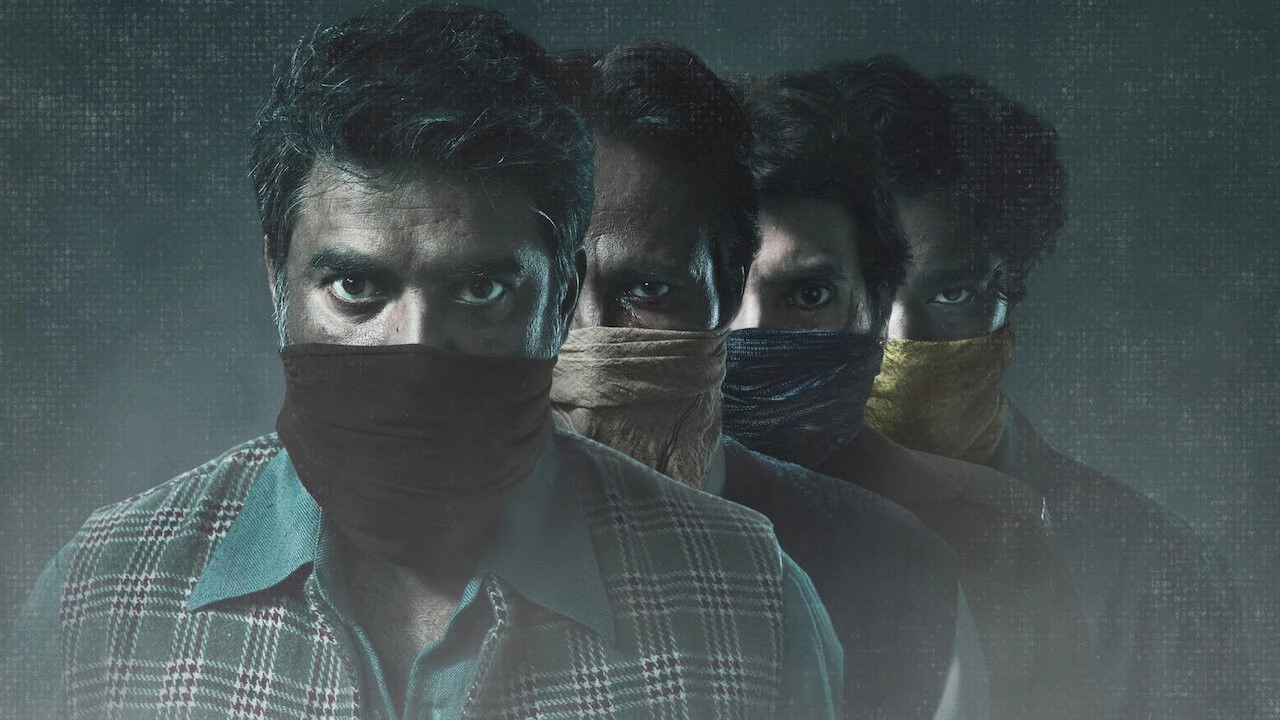 The railway station becomes a desperate refuge, a testament to human ingenuity amidst disaster.
Echoes of Bhopal: An Existential Reckoning
Beyond the immediate acts of bravery, The Railway Men forces a broader existential reckoning. The Bhopal disaster wasn’t just an accident; it was a catastrophic failure of corporate responsibility, regulatory oversight, and human foresight. While the series focuses on the immediate aftermath, it subtly evokes the larger questions: What is the cost of unchecked industrial progress? What is our moral obligation to those living near hazardous industries? And, perhaps most chillingly, how easily can an entire community be rendered vulnerable by systemic neglect?
The relentless march of the gas cloud isn’t just a plot device; it’s a metaphor for the pervasive, invisible threats that modern society often ignores until it’s too late. The workers, battling an enemy they cannot see or touch, represent humanity’s struggle against forces beyond our immediate control—be they environmental, technological, or systemic. The series, in its depiction of desperate improvisations and the overwhelming feeling of helplessness, taps into a universal fear: the fragility of our constructed reality in the face of nature’s indifference or human error. It’s a powerful reminder of our inherent vulnerability, and the profound importance of empathy and collective action when catastrophe looms.
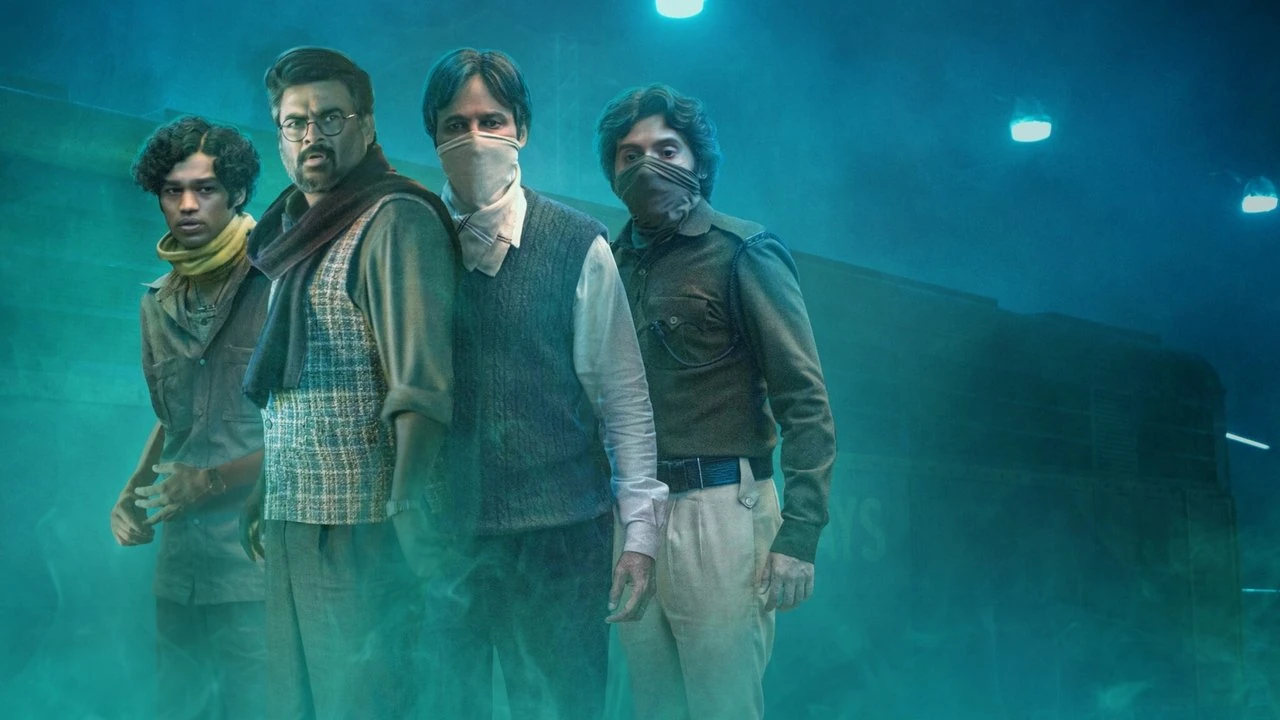 A haunting silhouette against a smoke-filled sky, a symbol of courage in the face of an invisible enemy.
“The moral arc of the universe is long, but it bends towards justice.” — Martin Luther King Jr. While The Railway Men celebrates the bending towards justice through heroic acts, it also leaves us pondering the dark, lingering question of accountability for the initial rupture.
The Railway Men may not be a perfect historical document, and its narrative choices occasionally prioritize dramatic impact over nuanced socio-political commentary. Yet, its philosophical value is undeniable. It’s a tribute not just to the specific heroes of Bhopal, but to the universal capacity for courage, selflessness, and resilience that emerges when the world crumbles. It asks us to look beyond the headlines and appreciate the silent, harrowing struggles of those who stand between order and utter chaos. What, then, does it mean to be human when everything you know, everything you’ve built, is threatened by an invisible enemy, and your only weapon is your unwavering commitment to another’s life?
Where to Watch
- Netflix
- Netflix Standard with Ads
What’s Up? explores the philosophical depths of cinema.