The Signal's Silent Call: Grief, Cosmic Dread, and the Burden of Truth
Exploring the philosophical weight of Netflix's Das Signal, where personal grief meets cosmic mystery and the terrifying search for truth.

“The greatest truths are the simplest, and so are the greatest men.” — Carl Hanke
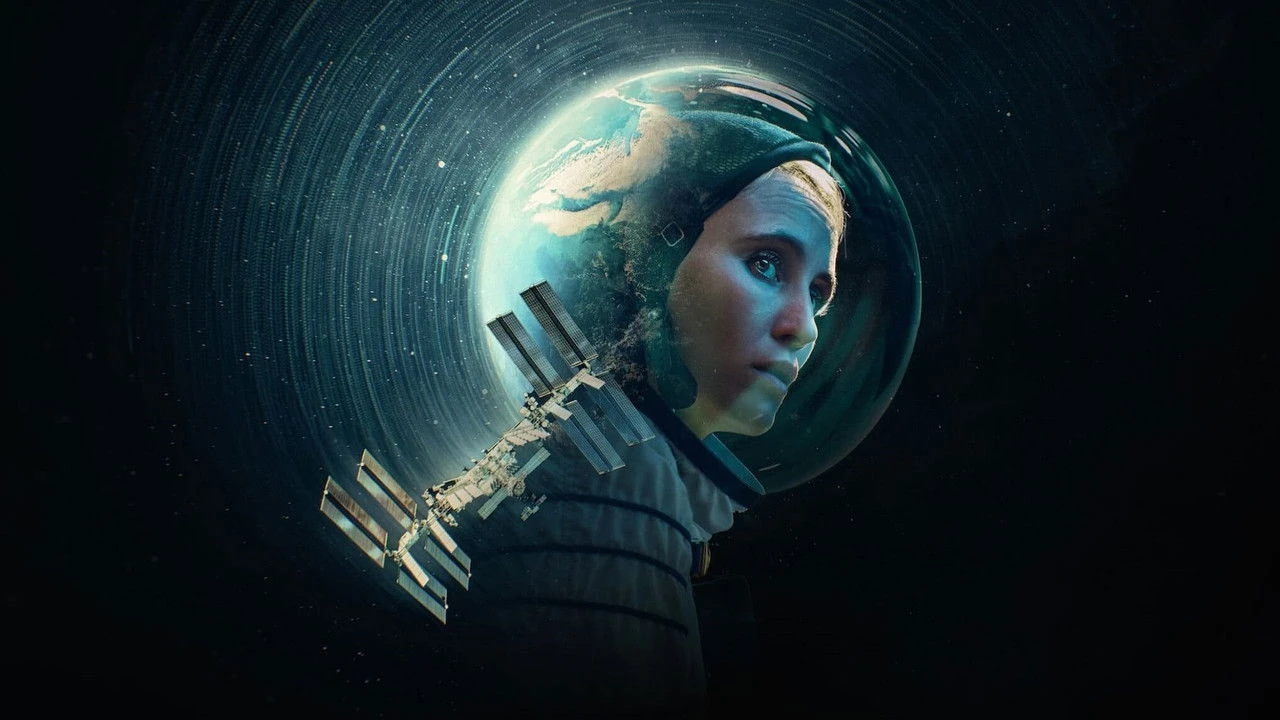
Netflix’s recent German miniseries, The Signal (original title Das Signal), arrived on the streaming stage with a quiet hum, promising a poignant blend of domestic drama, sci-fi mystery, and nail-biting thriller. Starring Florian David Fitz and Peri Baumeister, it plunges us into the immediate aftermath of an astronaut’s disappearance, forcing her family to pick up the pieces and decipher the breadcrumbs she left behind. While the series has garnered a somewhat divisive reception – with many viewers praising its emotional core and intriguing premise, but others finding its pacing deliberate to a fault and its plot convolutions ultimately frustrating – it undeniably offers fertile ground for philosophical contemplation. It’s a show that, despite its narrative stumbles, forces us to confront the fragility of connection in the face of the vast, indifferent cosmos.
The Echoes of Absence
At its heart, The Signal is a story of grief and the relentless human need for closure. Paula, the astronaut (Peri Baumeister), vanishes on her return flight, leaving behind her husband Sven (Florian David Fitz) and their daughter Charlie (Yuna Bennett). Their frantic hunt for answers isn’t just about finding out what happened, but why. It’s a primal scream into the void, a desperate attempt to reconstruct a life abruptly severed. This raw, immediate sorrow is where the series truly shines for many, drawing viewers into the family’s pain. Critics often lauded the performances, particularly Baumeister’s ethereal yet determined Paula, and Fitz’s portrayal of a man unraveling under the weight of unthinkable loss and overwhelming responsibility.
However, the journey to answers is slow, deliberately so. This unhurried pacing became a frequent point of contention among audiences and reviewers. Some found it suspenseful and allowed for character development; others felt it dragged, testing their patience as the mystery slowly unspooled across its limited episodes. Yet, even in its perceived sluggishness, there’s a philosophical resonance: the nature of discovery isn’t always a rapid-fire revelation. Sometimes, understanding unfurls painfully, bit by agonizing bit, much like the process of mourning itself.
Key themes to explore:
- The Ephemeral Nature of Connection — how easily our bonds can be severed by forces beyond our control.
- The Burden of Knowledge — what happens when the truth you seek is too big, too dangerous, to bear?
- Parental Love and Sacrifice — the lengths one will go to protect their child, even from cosmic threats.
 Charlie, clutching a drawing, grapples with the sudden, inexplicable absence of her astronaut mother.
Navigating the Narrative’s Turbulence
The Signal attempts to balance intimate family drama with a high-stakes sci-fi thriller, and this is where its narrative coherence sometimes falters. The personal anguish of Sven and Charlie is deeply felt, but as the conspiracy broadens, involving international players and a potential global catastrophe, some viewers found the transition jarring. The show asks us to believe in an extraordinary secret, a metaphysical encounter that transcends earthly understanding, yet grounds it in the very human reactions of a grieving family.
The real terror isn’t just in the unknown, but in the insidious way it erodes the familiar, leaving us questioning the very ground beneath our feet.
This balancing act between the micro and the macro proved challenging. While the premise of a message from beyond is inherently fascinating, some reviews pointed to plot holes or unconvincing scientific explanations as the series progressed, diluting the impact of its grander ambitions. The emotional sincerity of the central performances often compensated for these narrative gaps, making us care about the characters even when the plot mechanics felt a little wobbly. It’s a reminder that even when the logical scaffolding of a story creaks, the human element—the raw, undeniable feeling—can still carry significant weight. The series compels us to consider how our personal dramas, no matter how intense, might be but a tiny ripple in a much larger, terrifying cosmic ocean.
 Sven stares intently at a screen, searching for any sign, any message, from his missing wife.
The Weight of Discovery
Ultimately, The Signal delves into profoundly existential questions about humanity’s place in the universe. What if we are not alone? What if the message we receive isn’t one of welcome, but of warning? The series toys with the idea of a cosmic revelation that could fundamentally alter our understanding of existence, our future, and our very definition of intelligence. This is where the show, despite its imperfections, truly resonates as a piece of philosophical art. It forces us to confront:
- The Ethics of Communication: Should humanity be privy to every truth, especially if that truth could shatter our peace or destabilize society?
- The Nature of Hope: In a universe that might be indifferent or even hostile, where do we find hope? Is it in connection, in defiance, or in quiet acceptance?
- The Meaning of Legacy: What does an astronaut truly leave behind? Not just memories, but perhaps a message, a warning, a responsibility too vast for one family to bear.
The series explores the terrifying beauty of the unknown. Paula’s mission, and the secret she uncovers, isn’t just a plot device; it’s a mirror reflecting our own anxieties about what lies beyond our terrestrial bubble. It’s about the potential for something grander than ourselves, yet also potentially catastrophic. The final episodes, while perhaps not satisfying every viewer’s craving for a neat resolution, certainly leave one with a lingering sense of cosmic dread and the profound implications of our small blue marble in an infinite expanse. It reminds us that sometimes, the greatest threats aren’t external invaders, but the truths we’re simply not ready to hear.
 A lone figure stands silhouetted against a vast, alien landscape, contemplating an unsettling truth.
“Sometimes, the hardest truths are the ones we uncover not in the stars, but in the echoes they leave within us.”
The Signal may not be a flawless execution of its ambitious premise. Its narrative meanderings and occasional logical leaps might alienate some viewers, and its resolution left many feeling a touch underwhelmed. Yet, it succeeds in planting a seed of philosophical inquiry about humanity’s vulnerability, the boundless nature of parental love, and the terrifying weight of potentially world-altering knowledge. It’s a series that, for all its structural turbulence, compels us to look inward at our own responses to loss and outward at the silent, potentially ominous, signals from the universe.
Where to Watch
- Netflix
- Netflix Standard with Ads
What’s Up? explores the philosophical depths of cinema.