The Silence of the Lambs: The Terrifying Echo of Self-Confrontation
Exploring the enduring psychological and philosophical impact of The Silence of the Lambs, balancing its masterpiece status with its complex and divisive legacy.
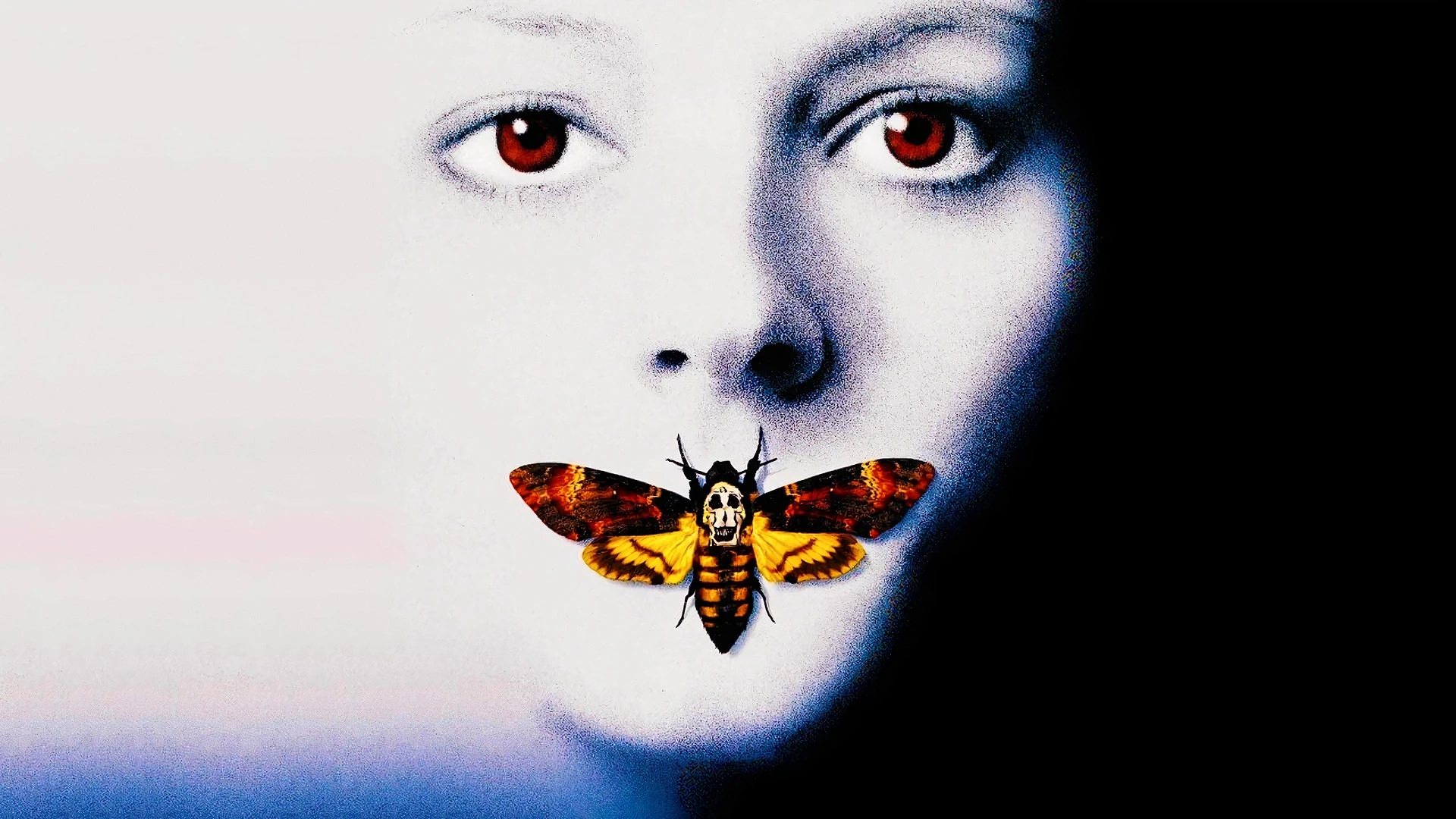
“We begin to die as soon as we are born, and the end is but the beginning of the death which is to be ours forever.” — Jean Giraudoux
Jonathan Demme’s The Silence of the Lambs, released in 1991, isn’t just a crime thriller; it’s a chilling descent into the human psyche, a meticulous excavation of trauma, ambition, and the insidious nature of evil. Winning the “Big Five” Academy Awards (Best Picture, Director, Actor, Actress, Screenplay), it solidified its place as a cinematic masterpiece. Critics, as evidenced by its near-perfect 96% on Rotten Tomatoes and an 85 on Metacritic, universally lauded its taut suspense, Demme’s masterful direction, and the unforgettable performances from Jodie Foster as Clarice Starling and Anthony Hopkins as Hannibal Lecter. Yet, beneath the accolades and widespread acclaim, this film holds a complex, at times uncomfortable, legacy, forcing us to grapple with its brilliance while acknowledging its problematic shadows. It’s a film that resonates because it’s as much about the monsters outside as it is about the ones we carry within.
The Labyrinth of the Self: Clarice’s Ordeal
At its core, The Silence of the Lambs is a profound character study of Clarice Starling, a young FBI trainee thrust into a world of unimaginable darkness. Her journey isn’t merely about catching a serial killer; it’s an existential odyssey to confront her own deeply buried traumas. The film masterfully uses the external horrors of Buffalo Bill’s gruesome acts and Lecter’s psychological manipulations as a mirror for Clarice’s internal landscape. Her vulnerability, often highlighted by the male gaze she endures in every scene, is paradoxically her greatest strength, allowing her to connect with victims and, crucially, with Lecter.
Jodie Foster’s portrayal is nothing short of iconic, capturing Clarice’s unwavering resolve and underlying terror with visceral honesty. We see her battling the misogyny of her male colleagues, the weight of expectation, and the specter of her childhood, symbolized by the haunting memory of the screaming lambs. This personal quest for “the silence of the lambs” — to quiet the echoes of past trauma — becomes the driving philosophical force of the narrative. It’s a raw exploration of how we seek to exorcise our demons, often by confronting them in the most terrifying forms imaginable.
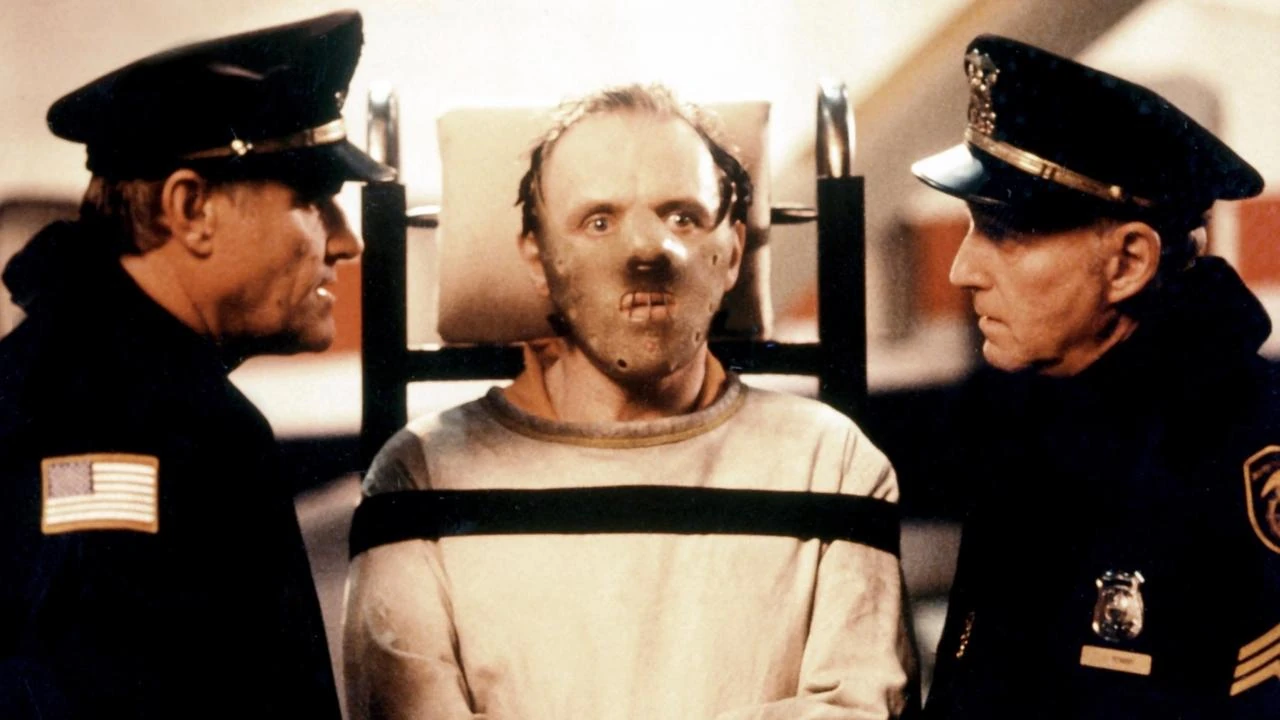 Clarice Starling, an emblem of vulnerable strength in the face of profound evil.
Whispers and Warnings: The Film’s Complex Legacy
While the film’s artistic merits are undeniable, its cultural impact has been subject to considerable scrutiny, particularly in the years following its release. The overwhelming critical success and numerous awards speak volumes about its cinematic craft. Audiences were gripped by its relentless suspense and the electrifying dynamic between Starling and Lecter. Hopkins, despite only about 16 minutes of screen time, created a villain so charismatic and terrifying he redefined the horror genre.
However, a significant and valid criticism, one that deserves to be squarely addressed, concerns the portrayal of the serial killer, Jame “Buffalo Bill” Gumb. Many viewers and critics, particularly within the LGBTQ+ community, found the character’s motivations and presentation deeply problematic. Bill’s desire to become a woman by skinning his victims, his rejection by gender reassignment clinics, and his effeminate mannerisms were perceived as conflating gender dysphoria or trans identity with psychopathy. This, critics argued, perpetuated harmful stereotypes, fueling transphobia and misrepresenting gender identity as a mental illness or a precursor to violence.
While Demme and screenwriter Ted Tally have stated that Buffalo Bill was never intended to be trans, but rather a character grappling with a profound crisis of identity, the effect of the portrayal on public perception and its contribution to harmful tropes cannot be ignored. The film’s brilliance in other areas doesn’t absolve it of this significant ethical misstep.
This specific aspect of the film serves as a potent reminder that even highly acclaimed works can carry unintended, or perhaps underdeveloped, social implications that can be deeply hurtful. It forces us to consider the ethics of representation and the responsibility of storytellers, especially when dealing with marginalized identities.
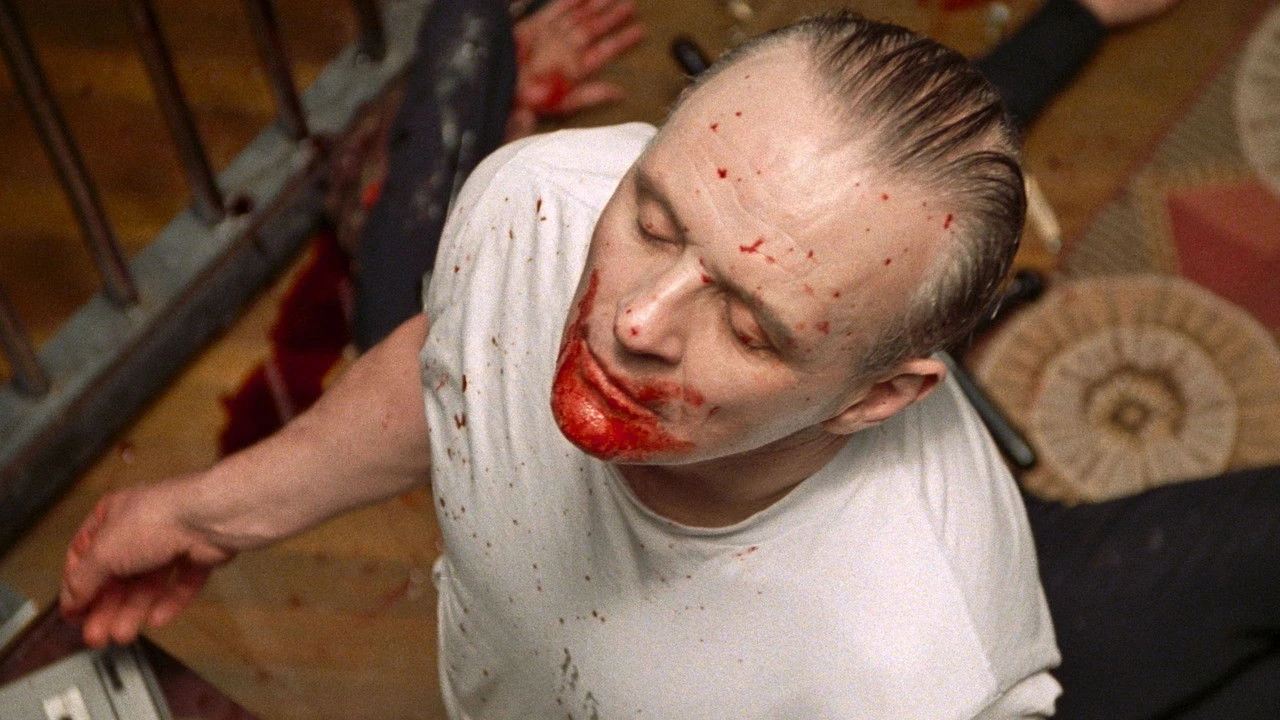 Hannibal Lecter’s gaze, a window into a terrifyingly brilliant mind.
The Unblinking Gaze: Confronting the Monstrous
Despite these crucial reservations, The Silence of the Lambs continues to provoke deeper philosophical questions that transcend its narrative. It’s a relentless exploration of the nature of evil: Is it an inherent pathology, as Lecter embodies with his cultured depravity, or a product of trauma and societal rejection, as suggested by Buffalo Bill’s backstory? The film blurs the lines between sanity and madness, predator and prey, forcing us to confront the monstrous aspects that can lie dormant, or erupt violently, within humanity.
Lecter, with his intellectual sadism, isn’t just a serial killer; he’s a perverse philosopher, a dark mirror reflecting society’s hidden desires and hypocrisies. He doesn’t just kill; he dissects souls, including Clarice’s, pushing her to confront her deepest fears to solve the case. This psychological game is where the film truly shines, delving into the power dynamics of knowledge and vulnerability. Clarice’s growth comes from facing not just Lecter’s intellect, but the uncomfortable truths he forces her to acknowledge about herself and the world.
The film ultimately asks: What price are we willing to pay to achieve our goals, to silence our inner demons, or to simply survive in a world teeming with both overt and insidious forms of malevolence? The journey into the darkness of others inevitably illuminates the shadows within ourselves.
The “silence of the lambs” isn’t just about Clarice’s childhood trauma; it’s an existential metaphor for the human desire for peace from internal suffering, a peace that often remains elusive, a constant pursuit against the bleating anxieties of existence.
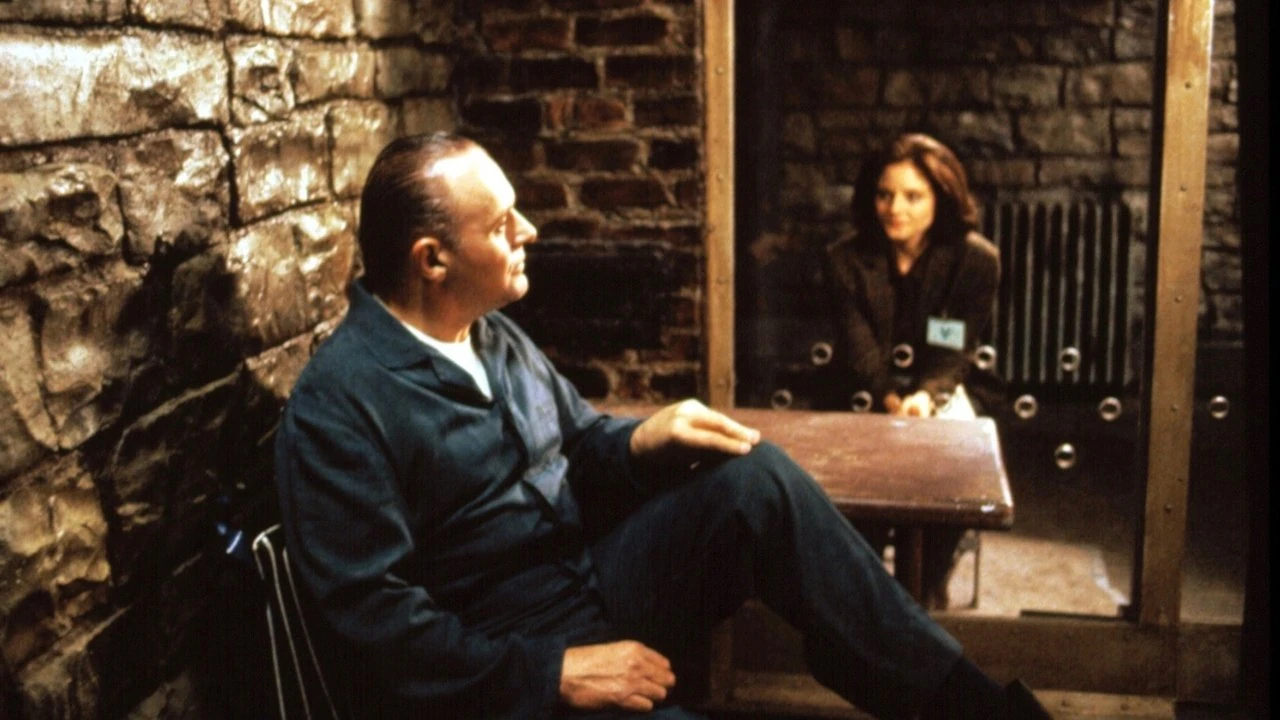 In the dark, Clarice’s flashlight pierces the gloom, a metaphor for seeking truth in terrifying obscurity.
The Silence of the Lambs remains a monumental achievement in cinema, a chilling and intelligent thriller that delves deep into the psychology of its characters and the nature of good and evil. Its brilliance in direction, writing, and performance is unquestionable, solidifying its place in film history. Yet, its problematic portrayal of Buffalo Bill serves as an indelible stain, a necessary point of discussion that complicates its legacy. It stands as a stark reminder that even masterpieces can be flawed, and that cultural impact extends far beyond artistic intent. The film’s enduring power, however, lies in its unflinching gaze at the darkest corners of the human condition and its profound exploration of a young woman’s fight to find her own peace amidst the chaos.
Where to Watch
- AMC+ Amazon Channel
- YouTube TV
- AMC
- Philo
What’s Up? explores the philosophical depths of cinema.