The Melancholy Symphony of Dysfunction: Finding Meaning in The Umbrella Academy's Flawed Universe
Exploring the philosophical depths of The Umbrella Academy, delving into themes of destiny, trauma, identity, and the absurdity of existence, despite its acknowledged flaws.
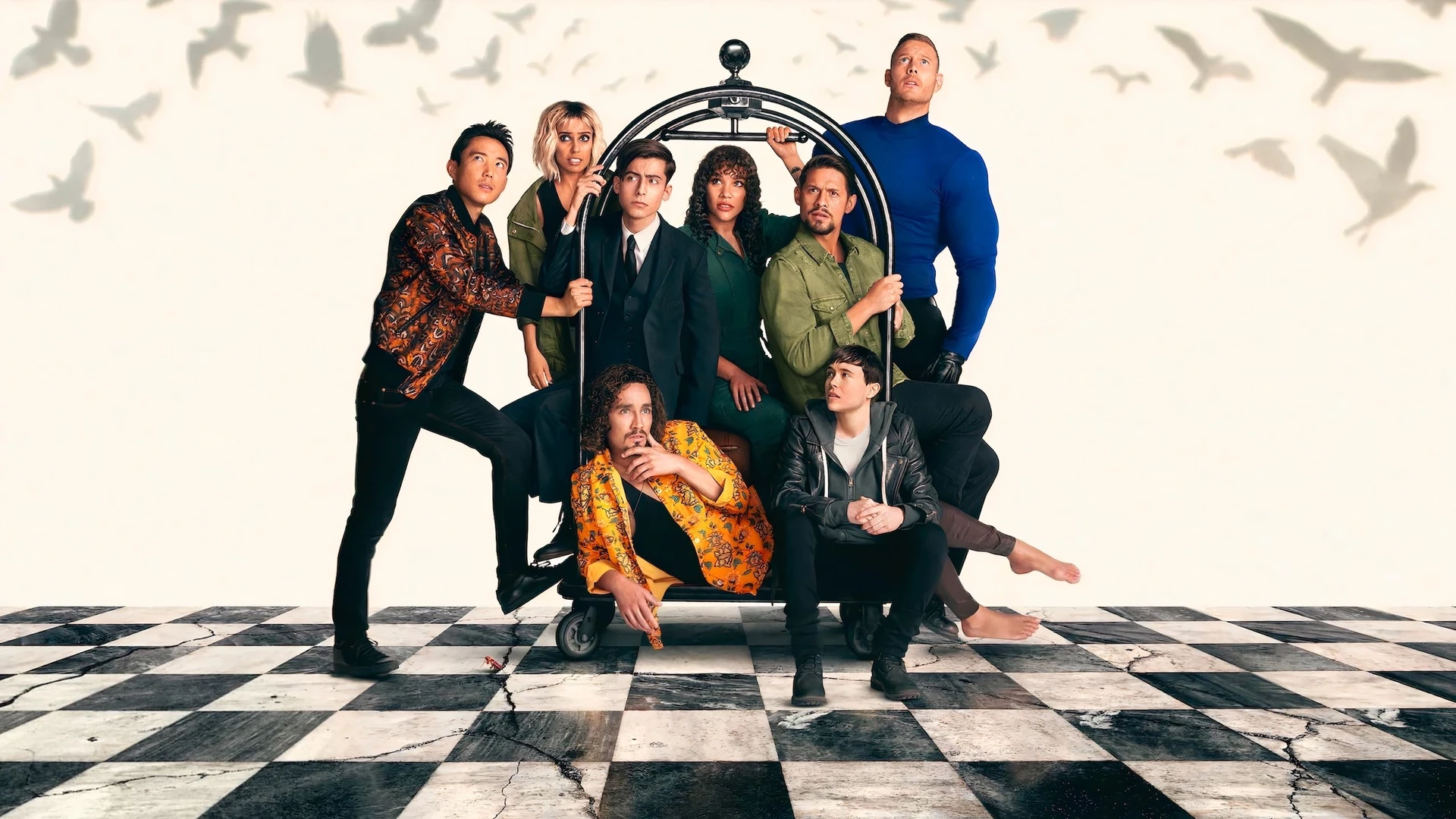
“We are all of us, in some way, trying to escape the prisons of our own making.” — Victor Frankl (paraphrased)
From its neon-drenched aesthetic to its anachronistic needle drops, Netflix’s The Umbrella Academy burst onto the scene in 2019, immediately captivating some with its bizarre charm while leaving others utterly bewildered. Based on the comic series by Gerard Way and Gabriel Bá, this isn’t your typical superhero fare. It’s a riotous, often messy, meditation on family trauma, destiny, and the sheer absurdity of being alive, especially when you’re tasked with saving the world against your will. Critics, while generally positive (Rotten Tomatoes Season 1 hovered around 76% and Metacritic at 61/100 for “mixed or average”), frequently pointed to the show’s uneven pacing and occasionally convoluted plotlines, particularly in its debut season. And honestly, they weren’t wrong. There are moments when the narrative meanders, when the emotional beats feel less earned, and when the sheer volume of quirk threatens to overwhelm. Yet, beneath the stylish surface and the admittedly frustrating narrative stumbles, The Umbrella Academy offers a surprisingly rich tapestry for philosophical inquiry.
The Weight of Expectation and the Illusion of Choice
At its core, The Umbrella Academy grapples relentlessly with the concept of fate versus free will. The Hargreeves siblings – a motley crew of super-powered individuals adopted by the enigmatic and emotionally abusive Sir Reginald Hargreeves – are constantly told they are destined for greatness, or rather, for preventing the apocalypse. Five, the time-traveling assassin, literally carries the burden of future knowledge, seeing the end of the world repeatedly. This sets up a profound existential dilemma for each character: are their actions truly their own, or are they merely puppets dancing to the tune of a predetermined cosmic symphony?
The series posits that even with extraordinary powers, the most difficult battles are often internal. Luther’s unwavering loyalty, Allison’s manipulative “rumors,” Diego’s impulsive heroism, Klaus’s tormented mediumship, and especially Vanya/Viktor’s repressed power all stem from their individual traumas and their father’s cruel experiments in their upbringing. They were raised not as children, but as tools, and the lasting scars manifest as deep-seated psychological issues. This makes their journey less about punching bad guys and more about confronting the legacy of their past and the impossibility of escaping who they were made to be.
- The burden of prophecy — how knowing the future paradoxically traps you in the present.
- The inherited trauma — the way family dysfunction shapes identity and decision-making.
- The struggle for autonomy — finding agency when your life feels pre-written.
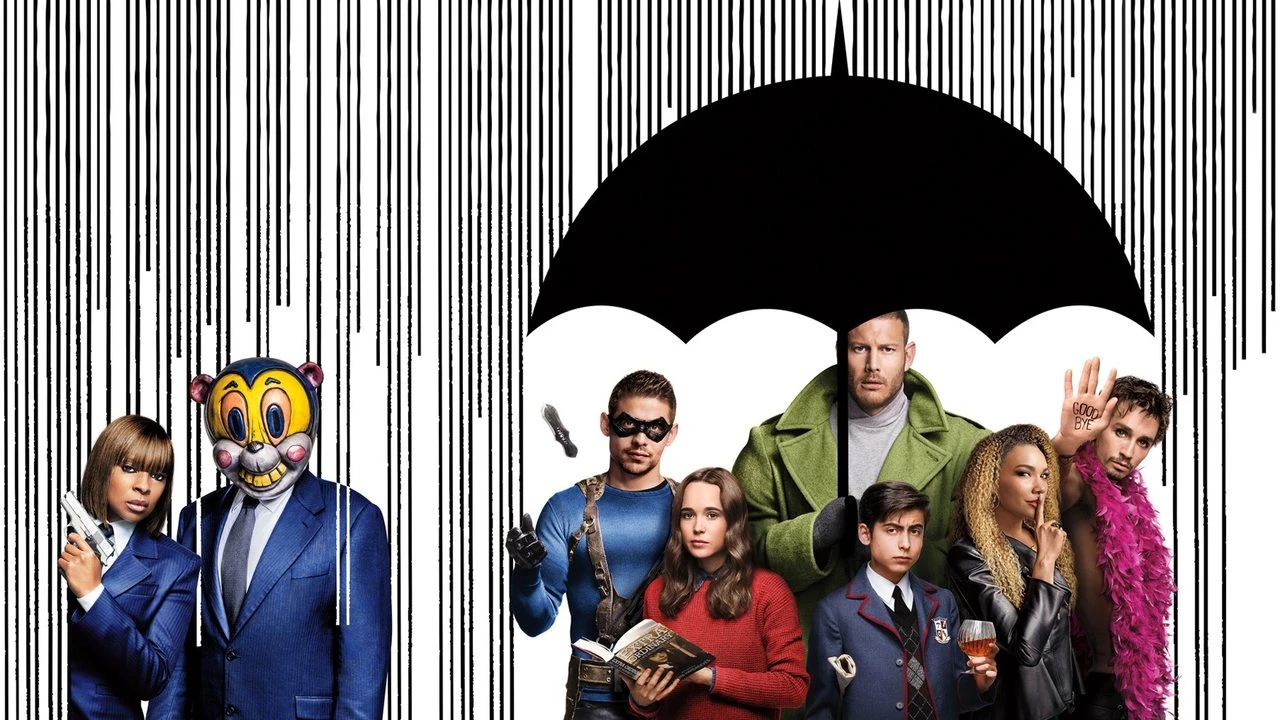 The siblings often find themselves at odds, their individual traumas creating a chaotic family dynamic.
A Symphony of Strengths and Stumbles
The show’s reception, as mentioned, has been a mixed bag, a sentiment I largely share. What The Umbrella Academy absolutely nails is its character work and visual flair. The ensemble cast, particularly Robert Sheehan’s chaotic, charming Klaus and Aidan Gallagher’s sardonic, world-weary Five, are consistently praised for their magnetic performances. Elliot Page’s portrayal of Vanya/Viktor, especially in the exploration of their journey, resonated deeply with many viewers, offering a powerful narrative about self-discovery and acceptance. The show’s soundtrack is legendary, seamlessly blending pop anthems with tense action sequences, giving the entire production a distinct, almost music-video-like energy.
The show’s brilliance often lies in its ability to juxtapose the utterly mundane with the cosmically catastrophic, highlighting the bizarre beauty of human resilience amidst the absurd.
However, for all its strengths, the show often struggles with narrative coherence and consistent pacing. Critics and audiences alike frequently noted that the early episodes of Season 1 felt slow and unfocused, taking considerable time to find its rhythm. Plot threads could feel tangled, and some character arcs occasionally circled back on themselves in frustrating ways. The sheer volume of concurrent apocalypses and timeline jumps could also be a lot to keep track of, leaving some viewers feeling more confused than engaged. This isn’t a show that holds your hand; it throws you into its peculiar world and expects you to swim. Yet, even in its most chaotic moments, the underlying philosophical questions about identity, belonging, and the nature of power remain compelling.
 Five, the time-traveling cynic, often carries the weight of the future on his shoulders.
Beyond the Surface: The Existential Embrace of Dysfunction
Despite its acknowledged narrative imperfections, The Umbrella Academy dares to ask profound questions about what it means to be human—or, more accurately, what it means to be post-human in a world constantly teetering on the brink. It’s a show that embraces existential dread with a playful, almost nihilistic shrug. The looming apocalypse isn’t just a plot device; it’s a constant reminder of our own mortality and the fragility of existence. The siblings’ inability to get along, even in the face of global annihilation, mirrors our own human tendencies to get caught up in petty grievances and personal dramas while larger threats loom.
The series is also a powerful exploration of found family and the enduring impact of parental figures. Reginald Hargreeves is perhaps one of the most chillingly effective “villains” in recent memory, not because of overt malevolence, but because of his cold, clinical approach to raising children. His methods leave them deeply scarred, unable to form healthy attachments, and perpetually searching for validation. The Hargreeves siblings, for all their bickering and betrayals, are fundamentally bound by this shared trauma, creating a twisted, co-dependent family unit that is both their greatest strength and their biggest weakness. This dynamic forces us to reflect on:
- The nature of love within a dysfunctional context.
- The search for belonging in a world that never truly made space for them.
- The implications of trauma on individual and collective identity.
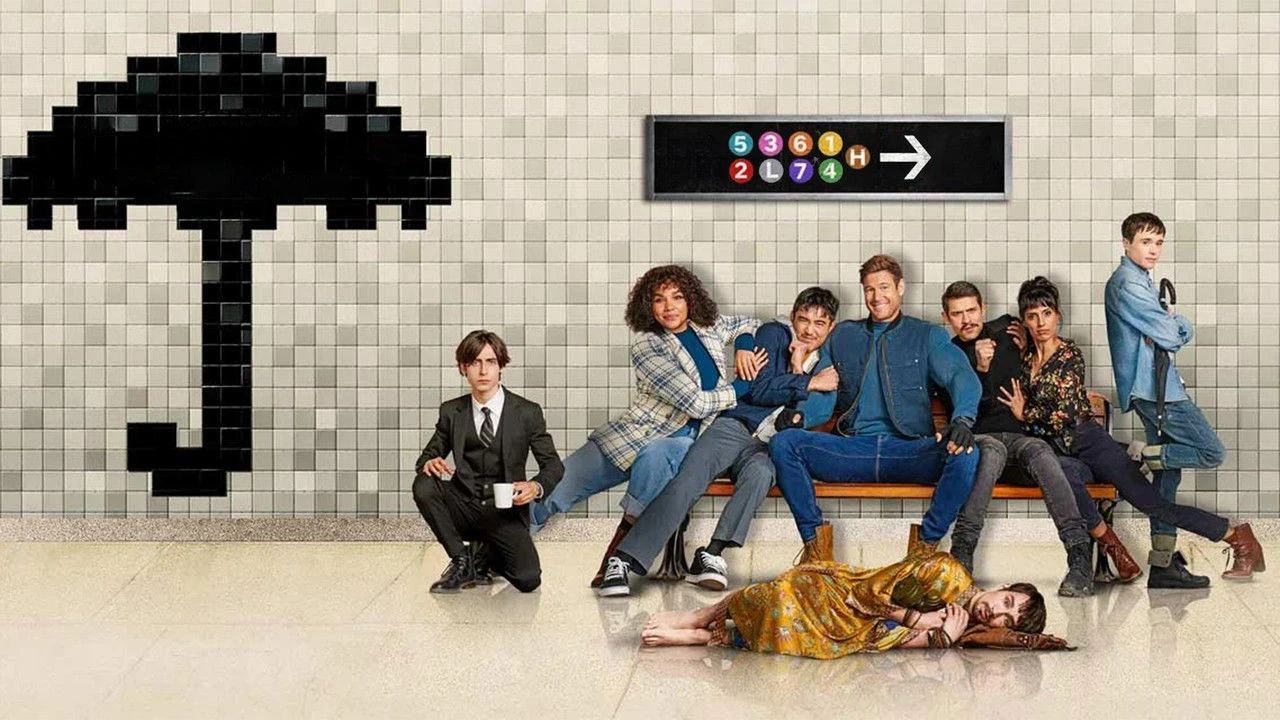 Klaus Hargreeves, a medium who speaks to the dead, often finds solace in the absurdities of life and death.
“Sometimes, the only way to find yourself is to utterly lose yourself, to tear down everything you thought you were.”
Ultimately, The Umbrella Academy is a beautifully flawed beast. It’s a show that can frustrate with its narrative excesses and unevenness, yet it consistently rewards with its vibrant characters, its audacious style, and its surprisingly deep dive into what it means to be a broken, powerful, and utterly human family. It reminds us that even with superpowers, the biggest challenge isn’t saving the world, but saving ourselves from ourselves, and perhaps, from each other. Does true freedom come from escaping your destiny, or from embracing the messy, imperfect self you’ve become along the way?
Where to Watch
- Netflix
- Netflix Standard with Ads
What’s Up? explores the philosophical depths of cinema.