The Voyeurs: Glimpsing the Self in the Observed Other
A deep dive into Michael Mohan's The Voyeurs, exploring the ethical and existential complexities of observation, desire, and the blurred lines of human connection, despite its critical reception.
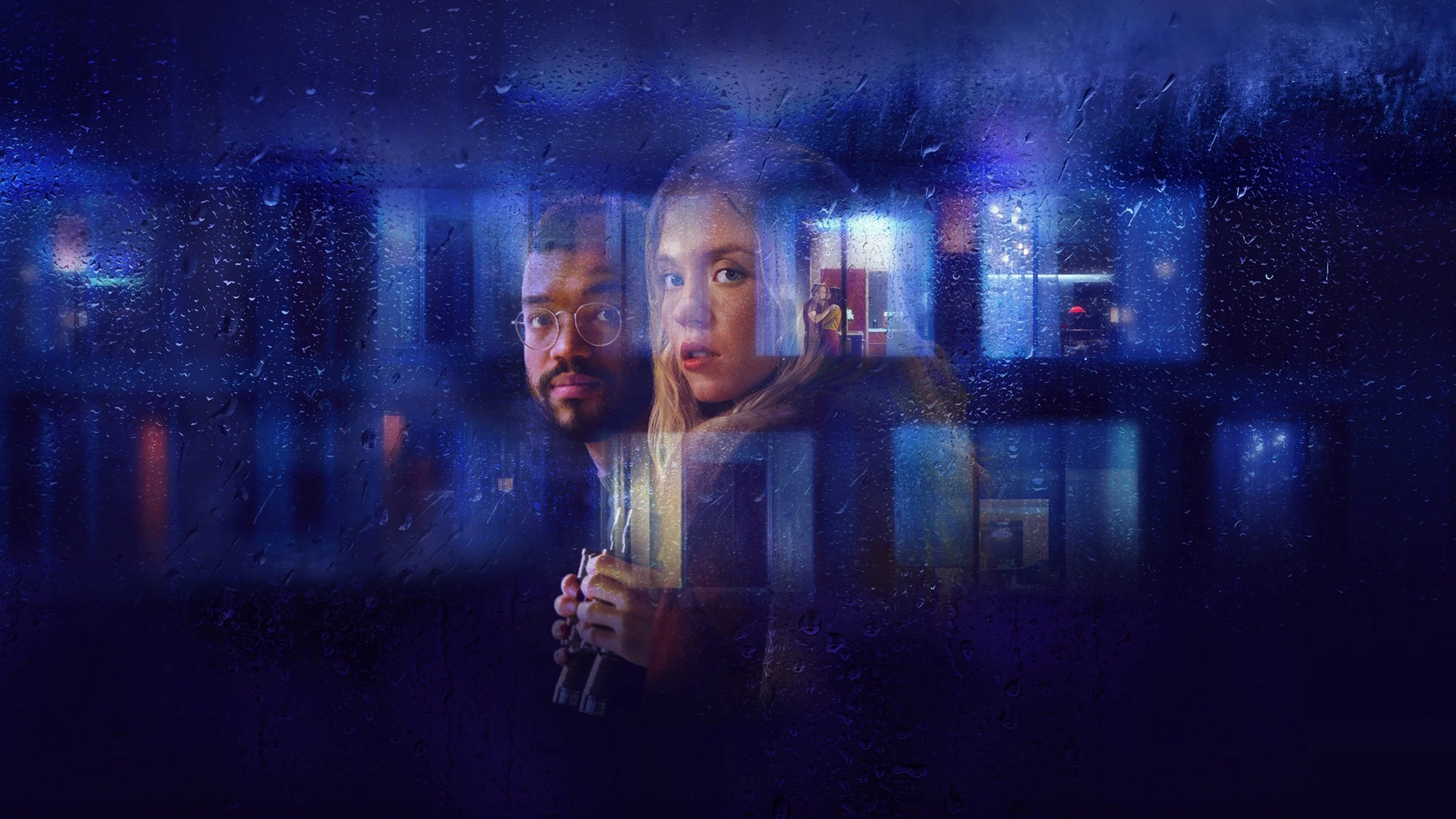
“The eyes of others are our prisons; their thoughts our cages.” — Virginia Woolf
Michael Mohan’s 2021 thriller, The Voyeurs, starring Sydney Sweeney and Justice Smith, landed on the cinematic landscape with something of a thud, garnering a rather lukewarm reception from critics. With a Rotten Tomatoes score hovering around the low 40s and similar lukewarm reviews on Metacritic, it wasn’t exactly hailed as a groundbreaking achievement. Many reviewers, and rightfully so, pointed to its derivative plot, borrowing heavily from Hitchcock’s Rear Window and Brian De Palma’s more stylized thrillers, often feeling less like an homage and more like a retread. Yet, beneath the slick, neon-drenched surface and the often-criticized plot contrivances, The Voyeurs inadvertently (or perhaps intentionally) taps into something profoundly human and philosophically disquieting: our insatiable desire to watch, to judge, and to project ourselves onto the lives of others. It’s a film that, despite its narrative stumbles, forces us to confront our own complicity in the spectacle of modern life.
The Allure and Peril of the Gaze
At its heart, The Voyeurs is a story about observation, about the power dynamics of the gaze. Pippa (Sydney Sweeney) and Thomas (Justice Smith) move into their new, chic Montreal apartment, only to discover their windows offer a perfect, unobstructed view into the lives of their attractive, seemingly perfect neighbors across the street, Margot (Natasha Liu Bordizzo) and Seb (Ben Hardy). What begins as an innocent, even titillating, curiosity quickly spirals into an all-consuming obsession. The film asks us to consider: where does casual observation end and invasive voyeurism begin? And what are the ethical boundaries of witnessing?
Critics frequently lambasted the film for its predictable plot twists and characters who often make bafflingly illogical decisions. Indeed, the narrative mechanics sometimes feel clunky, and the dialogue can be a bit on the nose. However, even these flaws can be seen through a philosophical lens. The characters’ increasingly reckless behavior, their inability to disengage, reflects a deeper human vulnerability – the susceptibility to the seduction of the forbidden. Pippa and Thomas aren’t just watching a show; they’re becoming participants, their own identities blurring with the drama unfolding across the street. This isn’t just about watching; it’s about wanting to be watched, or perhaps more disturbingly, wanting to be the object of desire and intrigue they observe.
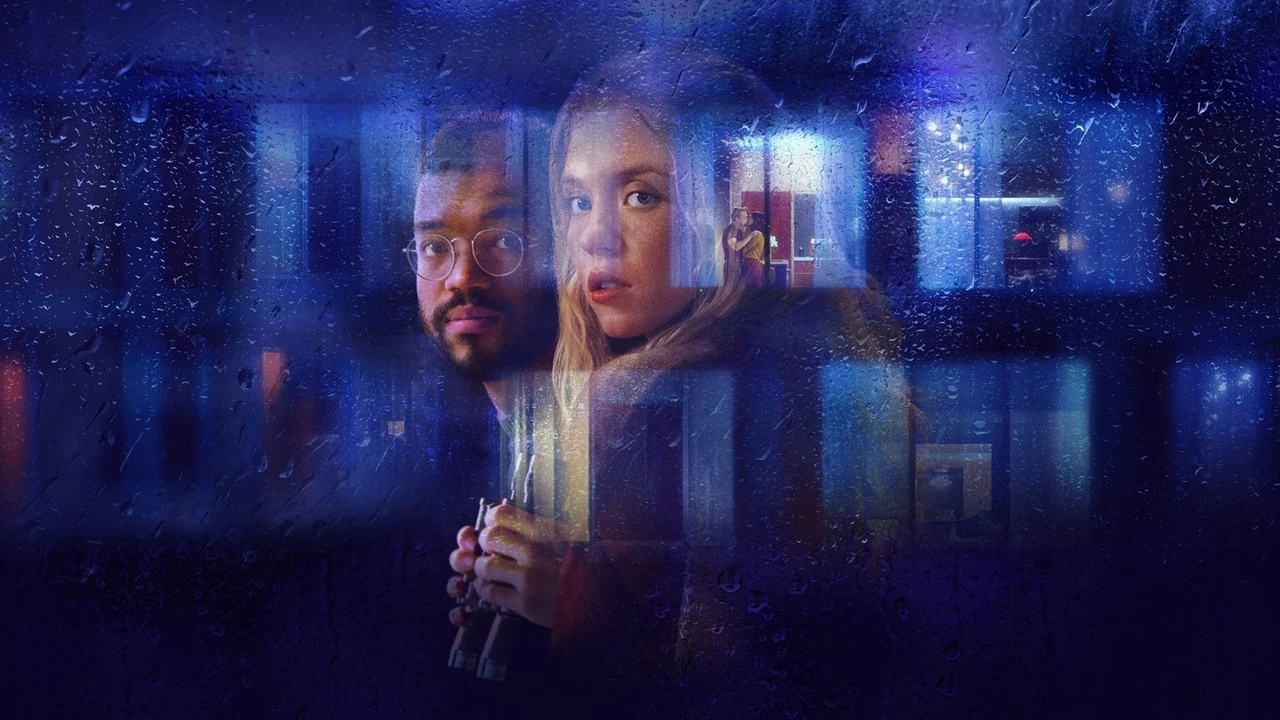 Pippa, consumed by what she sees, peering through the lens of obsession.
Performance, Pacing, and Perceptions
While the script often struggled with originality, many reviews did highlight particular strengths. Sydney Sweeney, in particular, received praise for her captivating performance as Pippa, conveying a nuanced journey from shy observer to dangerously entangled participant. She anchors the film with a compelling blend of vulnerability and burgeoning confidence, even if the script often fails her. Justice Smith, as Thomas, also delivers a solid performance, embodying the gradual erosion of moral boundaries that comes with shared transgression.
However, the film’s pacing was a common point of contention. Some found the build-up too slow, failing to generate sufficient tension early on, while others felt the latter half rushed, piling on twists that felt unearned or implausible. This unevenness ultimately undermined the thriller aspect, turning what could have been a taut exploration of ethical decay into something more akin to a glossy, albeit stylish, B-movie. But even in its B-movie sensibilities, The Voyeurs provokes. It plays with our expectations, our own assumptions about the characters, and the nature of “reality” within the film’s construct. Are we, the audience, not also voyeurs, gazing into the lives of Pippa and Thomas, who are themselves gazing into Margot and Seb’s? It’s a meta-commentary on media consumption itself.
The real spectacle isn’t just what happens on screen, but the reflection of our own desires projected onto it.
The film’s visual style, with its vibrant color palette and sleek cinematography, is undeniable. Mohan creates a visually appealing world that both entices and distances, mirroring the characters’ emotional states. The production design, especially the apartments themselves, becomes almost another character, a stage for these unfolding dramas of desire and deception.
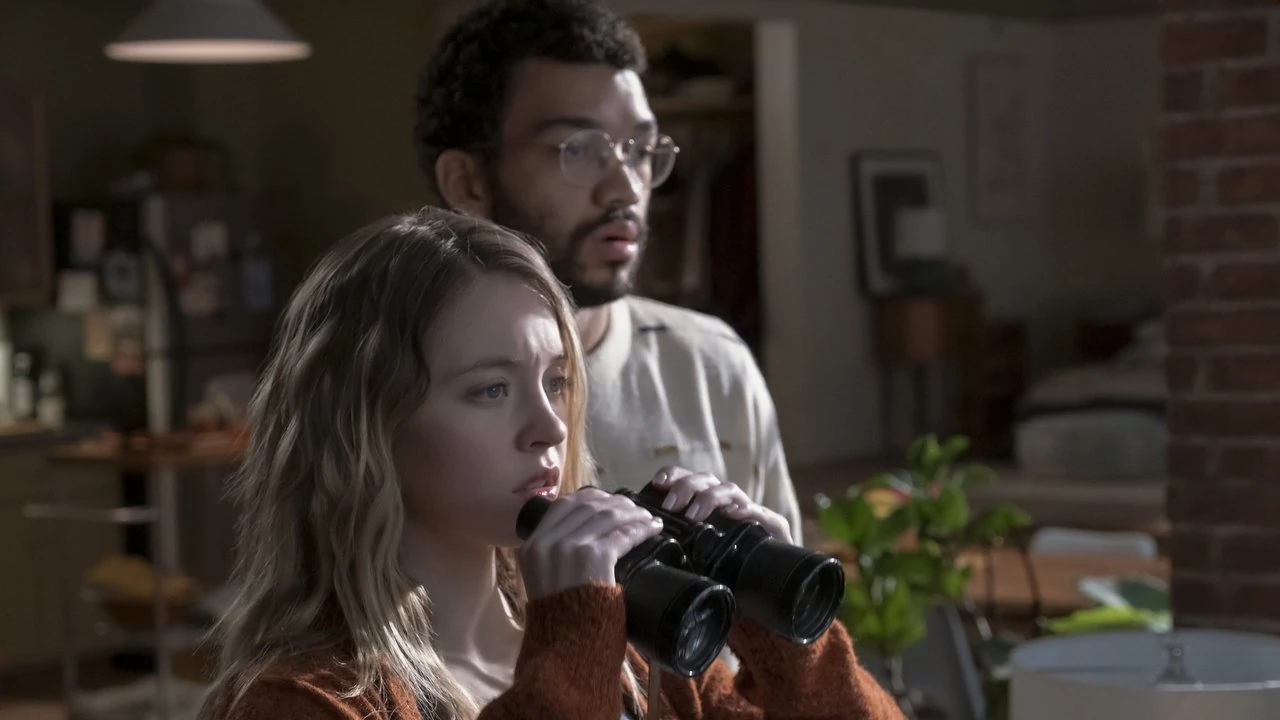 The tantalizing mystery of the apartment across the street, bathed in the glow of city lights.
Beyond the Surface: The Ethical Mirror and Existential Questions
Despite its narrative shortcomings and the critical consensus regarding its derivative nature, The Voyeurs undeniably raises some fascinating existential and ethical questions. It pushes us to consider:
- The nature of desire: Is it inherently linked to the forbidden, to what we can’t or shouldn’t have?
- Moral responsibility: If you witness a crime or a transgression, are you complicit by doing nothing? Where is the line between observation and intervention?
- Authenticity versus performance: Are Margot and Seb truly living their lives, or are they performing for Pippa and Thomas, or perhaps even for themselves? The film blurs the lines between genuine experience and constructed reality, forcing us to question the authenticity of what we perceive.
- The male and female gaze: The film plays with these concepts, particularly through Pippa’s evolving perspective. Initially, she is an object of the traditional male gaze, but she quickly assumes an active, desiring gaze herself, challenging traditional gender dynamics in voyeuristic thrillers. This shift is one of the film’s more interesting, albeit underdeveloped, philosophical avenues.
The Voyeurs might not be a masterpiece, but it’s a potent reminder of our inherent human curiosity, our often-unhealthy fascination with the lives of others, and the dangerous allure of spectacle. It’s about the thin veneer of privacy in an increasingly transparent world, and the existential loneliness that drives us to connect, even if that connection is born of trespass.
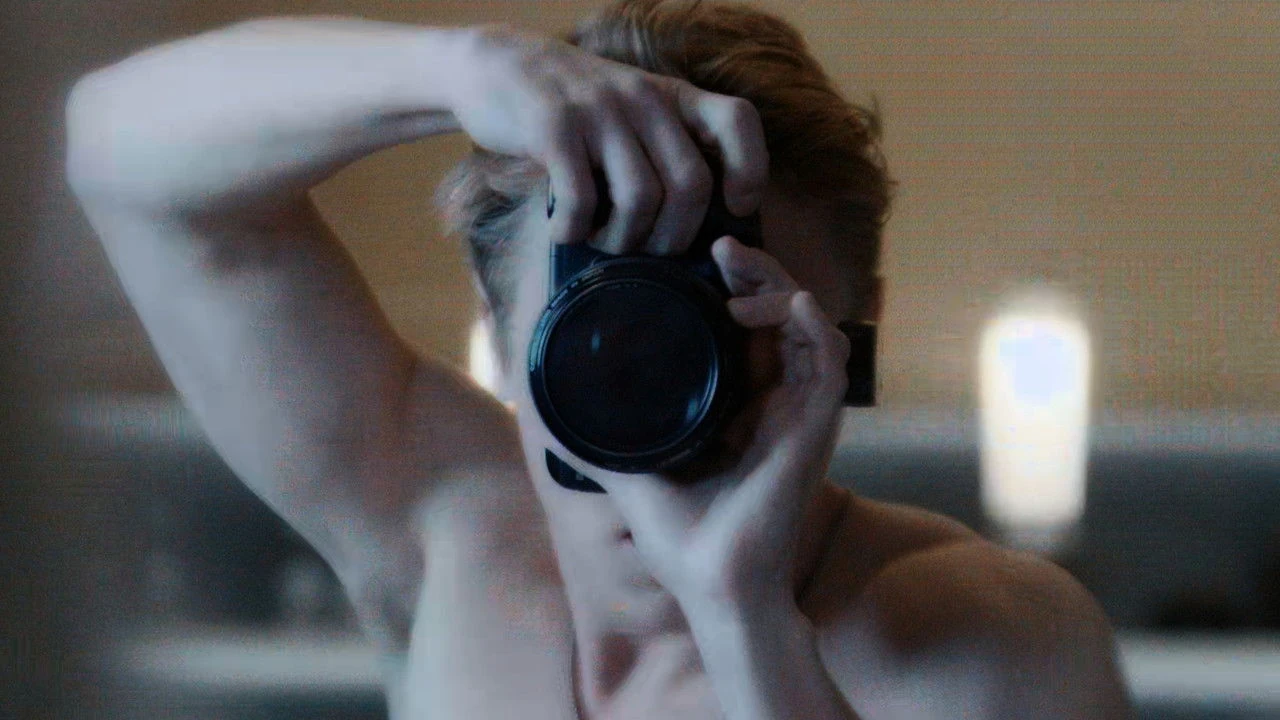 Pippa and Thomas, caught in the web of their own making, the reflection of their obsession visible in their eyes.
While The Voyeurs might not have soared to critical acclaim, its exploration of observation, desire, and the ethical abyss of curiosity leaves a surprisingly resonant aftertaste, reminding us how easily the watcher can become the watched.
So, while you might not walk away from The Voyeurs proclaiming it a cinematic triumph, you might just find yourself glancing at your neighbors’ windows a little differently, pondering the complex, often unsettling, relationship between what we see and who we are. What does it say about us that we are so drawn to peer into the private lives of others, and what do we truly hope to find there? Perhaps, a reflection of ourselves.
Where to Watch
- fuboTV
- MGM Plus Roku Premium Channel
- MGM Plus
- Philo
What’s Up? explores the philosophical depths of cinema.