The Unseen Embrace: Thiruchitrambalam and the Philosophy of Proximity
Thiruchitrambalam explores the profound comfort and overlooked connections in everyday life, revealing philosophical depths in its heartwarming narrative.
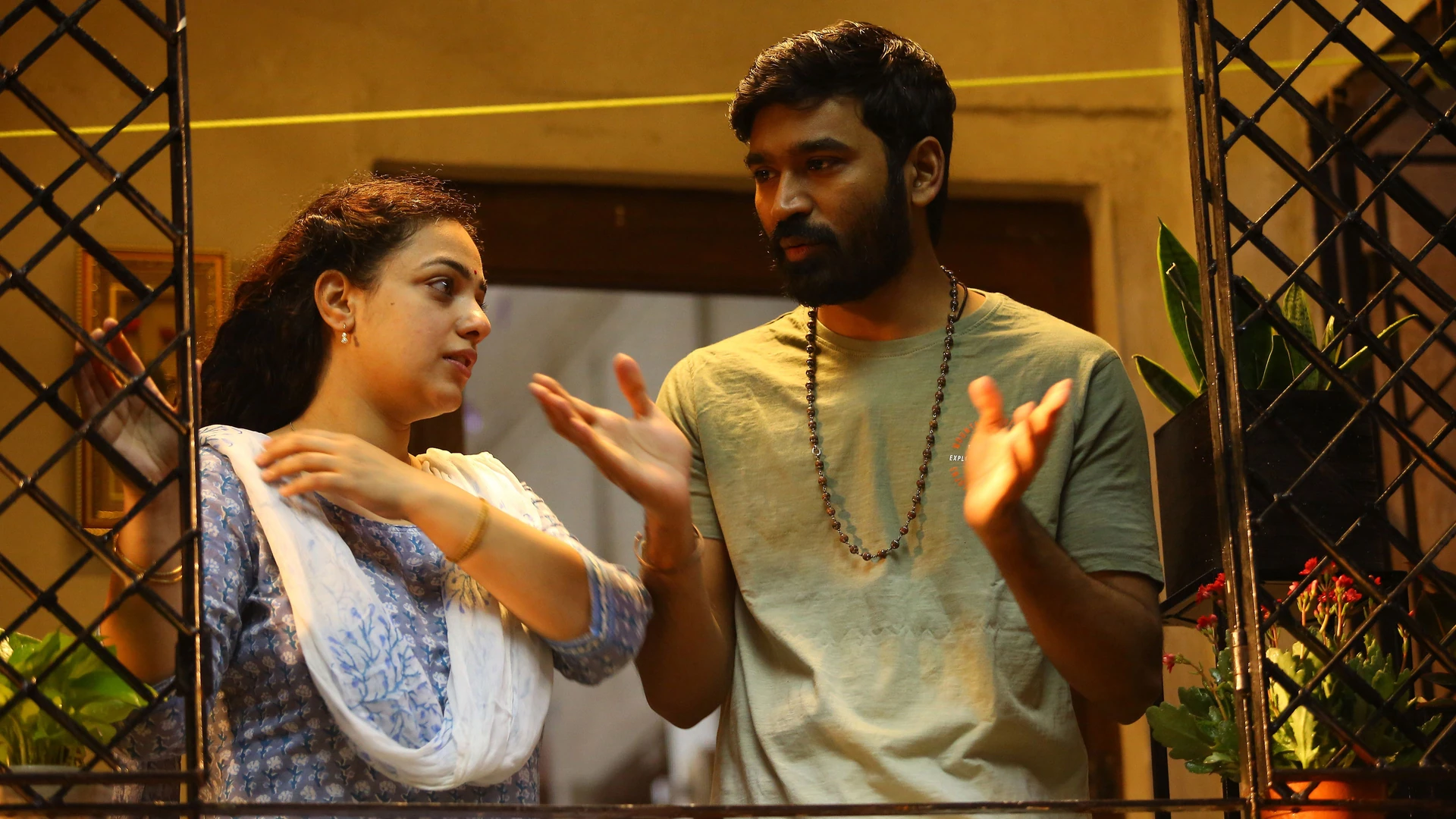
“The greatest journeys are not always to the ends of the earth, but to the deepest corners of the heart, often found in the most familiar places.” — Unknown
There’s a quiet revolution brewing in the unassuming corners of cinema, often disguised as something remarkably simple. Mithran Jawahar’s Thiruchitrambalam, a 2022 Tamil film, initially presents itself as a charming, if conventional, romantic drama, centered on the trials and tribulations of a seemingly ordinary guy-next-door. And yes, it absolutely delivers on that front, earning widespread acclaim from audiences and critics alike for its heartwarming narrative, stellar performances – particularly from Dhanush and Nithya Menen – and its infectious musicality. IMDb user reviews frequently laud its feel-good nature and replayability, often calling it a “comfort watch.” Yet, beneath the surface of its predictable, albeit immensely satisfying, narrative arc, lies a surprisingly potent philosophical exploration of proximity, unseen love, and the profound wisdom found in the ordinary. While some critics might point to its adherence to well-trodden romantic comedy tropes, it’s precisely within this familiarity that Thiruchitrambalam finds its deepest resonance, inviting us to look closer at what we often take for granted.
The Echo of Proximity: Love in Plain Sight
The central premise of Thiruchitrambalam is hardly groundbreaking: a man searching for love, only to eventually realize it’s been right beside him all along. This narrative structure is a cinematic staple, almost to the point of cliché. And indeed, some viewers might find its journey predictable from the outset. But to dismiss it for this reason would be to miss the forest for the trees. The film doesn’t aim for narrative shock; instead, it uses this familiar framework to spotlight a fundamental human blind spot: our persistent tendency to overlook the profound connections woven into the fabric of our everyday lives.
Pazham (Dhanush) navigates a series of romantic misadventures, each time seeking an idealized partner, a grand cinematic romance. Yet, his closest confidante, Shobana (Nithya Menen), remains his constant. This isn’t just a plot device; it’s a commentary on the tyranny of the ideal. We’re often conditioned by media to chase spectacular love, exotic passions, or dramatic declarations, effectively blinding us to the quiet, steadfast affection that often underpins our most significant relationships. Shobana represents the existential comfort of the known, the unspoken understanding, the friend who sees you entirely, flaws and all. Her presence isn’t just a comfort to Pazham; it’s a subtle philosophical challenge to the audience: Are we truly seeing the love that surrounds us, or are we always looking beyond? The film gently argues that true love isn’t always a discovery of something new, but a re-cognition of something that has always been.
 Shobana’s unwavering gaze reflects a love that sees beyond the surface, a love often taken for granted.
The Geometry of Grief and Growth: Finding Self in Shared Spaces
Beyond the central romance, Thiruchitrambalam is also a nuanced exploration of a family grappling with grief and its lingering shadows. Pazham lives with his stern, widowed father (Prakash Raj) and his jovial grandfather (Bharathiraja), their household a microcosm of unspoken pain and fractured communication. The tragedy that befell their family years ago – the loss of Pazham’s mother and sister – casts a long, silent pall over their interactions, particularly between father and son. This familial dynamic grounds the film in a deeper emotional realism, moving it beyond mere romantic comedy.
The film explores how unprocessed grief can distort perception and create emotional distance, even within the closest bonds. Pazham’s father, consumed by his own sorrow and guilt, struggles to connect with his son, leading to a strained relationship that impacts Pazham’s emotional availability for others. The grandfather acts as a vital bridge, a symbol of intergenerational wisdom and the healing power of unconditional love. He subtly guides both Pazham and his father towards understanding and reconciliation.
This interplay of familial bonds, strained by tragedy yet held together by an unspoken love, reveals a profound truth: our personal growth isn’t a solitary journey, but often a collective one, shaped by the people and places we inhabit. The film suggests that true self-discovery isn’t about escaping our past, but about integrating it, finding peace within our shared history.
The conventionality of the plot, which sometimes drew criticism for its predictability, here becomes a strength. It allows the audience to focus not on what happens, but on how these characters navigate their emotional landscapes, finding redemption and connection in familiar patterns of interaction.
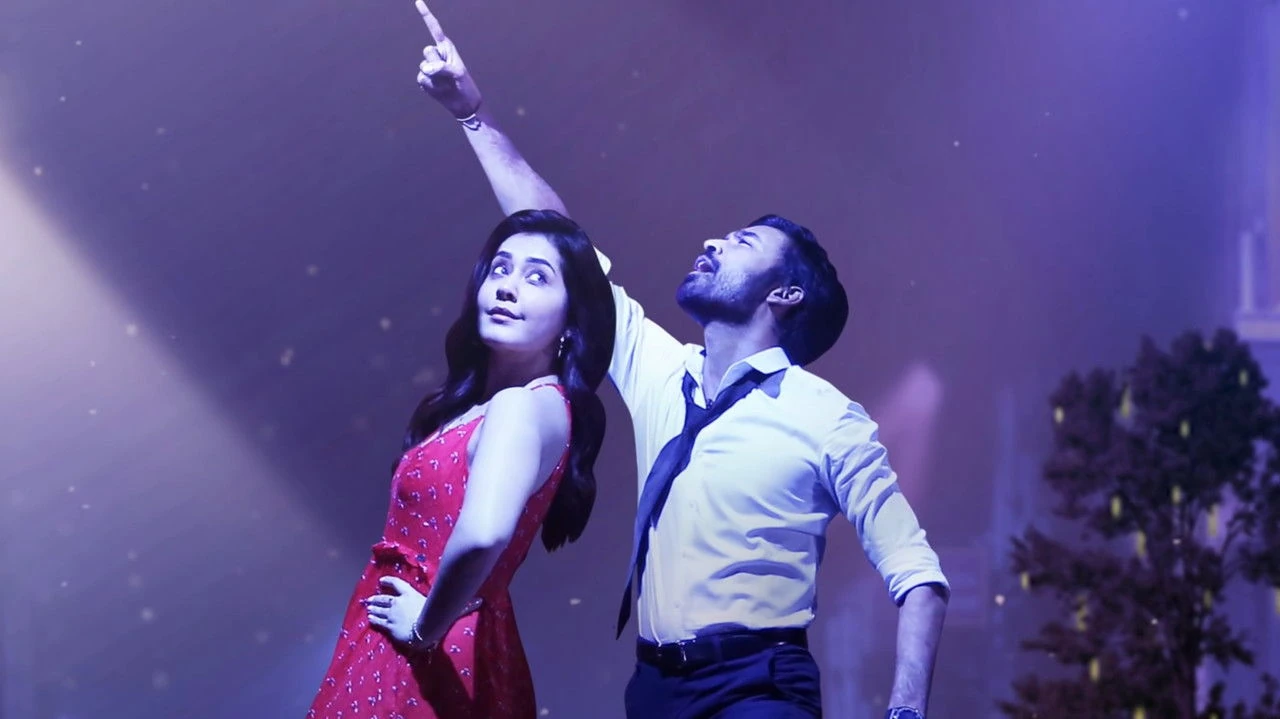 A quiet moment between family members, revealing the complex layers of unspoken history and affection.
Comfort, Convention, and the Quest for Meaning
Thiruchitrambalam is undeniably a comfort film. It embraces the warmth of Tamil cinema’s often-used tropes – the loyal best friend, the stern father, the quirky love interests, the vibrant musical numbers – and weaves them into a tapestry that feels both nostalgic and fresh. The music, particularly Anirudh Ravichander’s score, plays a crucial role in amplifying this feeling, becoming almost a character in itself, expressing emotions that words often fail to capture.
But does a comfort film, one that largely adheres to conventional storytelling, have genuine philosophical weight? Absolutely. In a world increasingly saturated with complex narratives, moral ambiguity, and existential dread, films like Thiruchitrambalam offer a different kind of philosophical inquiry: the philosophy of the ordinary. It asks us to consider the profound significance of everyday moments, the resilience of the human spirit in the face of common struggles, and the quiet dignity of finding joy in what is simple and true.
The film’s exploration of Pazham’s various romantic pursuits, each falling short of the connection he shares with Shobana, is a subtle critique of superficiality and a celebration of authentic connection. It suggests that the quest for meaning isn’t always found in grand gestures or dramatic transformations, but in the steadfastness of genuine relationships, built on shared history, mutual understanding, and unwavering support. It reminds us that often, the answers we seek are not in distant horizons, but in the familiar faces and comforting routines that shape our lives.
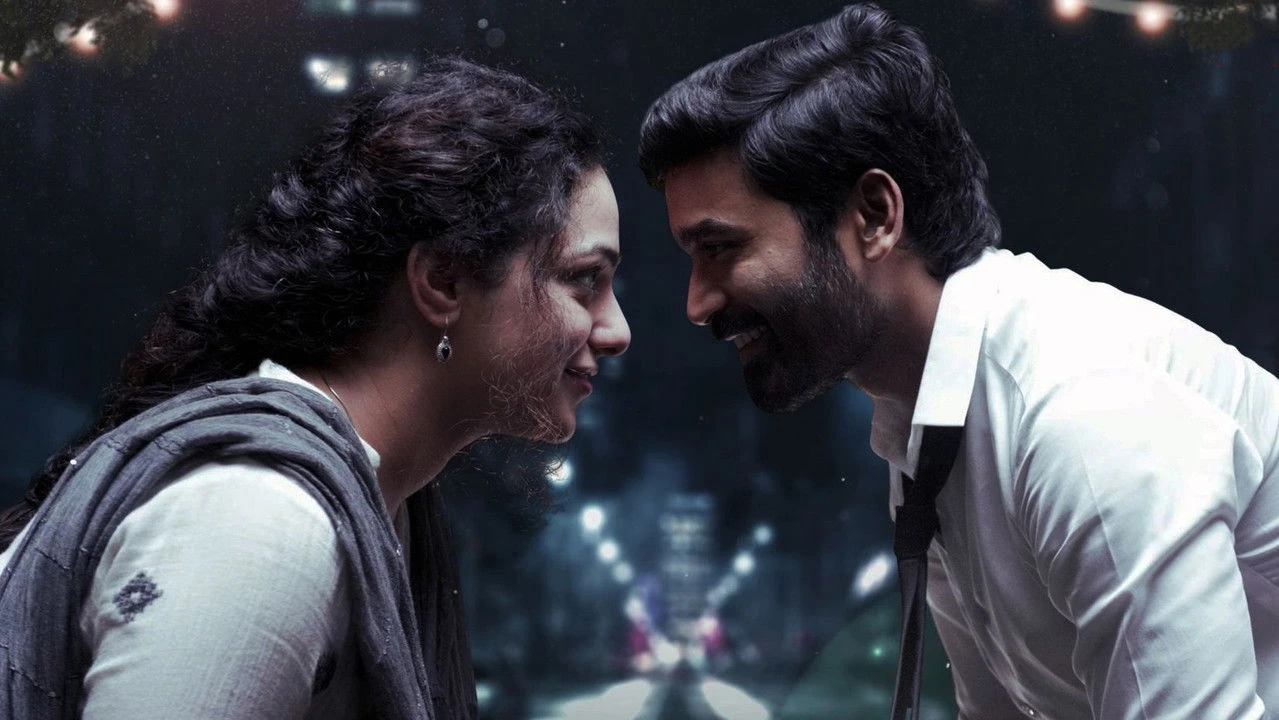 The bustling streetscape of Chennai becomes a backdrop for everyday epiphanies, where ordinary life holds profound meaning.
While Thiruchitrambalam might not reinvent the wheel of romantic drama, its enduring charm and critical success lie in its gentle insistence on the philosophical depth of the familiar. It’s a film that whispers rather than shouts, reminding us that often, the most profound truths are found not in what is new and exotic, but in the quiet, comforting presence of what has always been there, just waiting to be truly seen.
What does it truly mean to see? And how often do we miss the magic that resides just beyond the frame of our preconceived notions, waiting patiently in the gentle embrace of proximity?
Where to Watch
- Amazon Prime Video
- Sun Nxt
- Amazon Prime Video with Ads
What’s Up? explores the philosophical depths of cinema.