Tik Tik Tik: The Imperfect Leap Towards the Cosmos
Exploring Tik Tik Tik's ambitious, if flawed, attempt at a space thriller and its deeper philosophical questions about human resilience and cosmic insignificance.
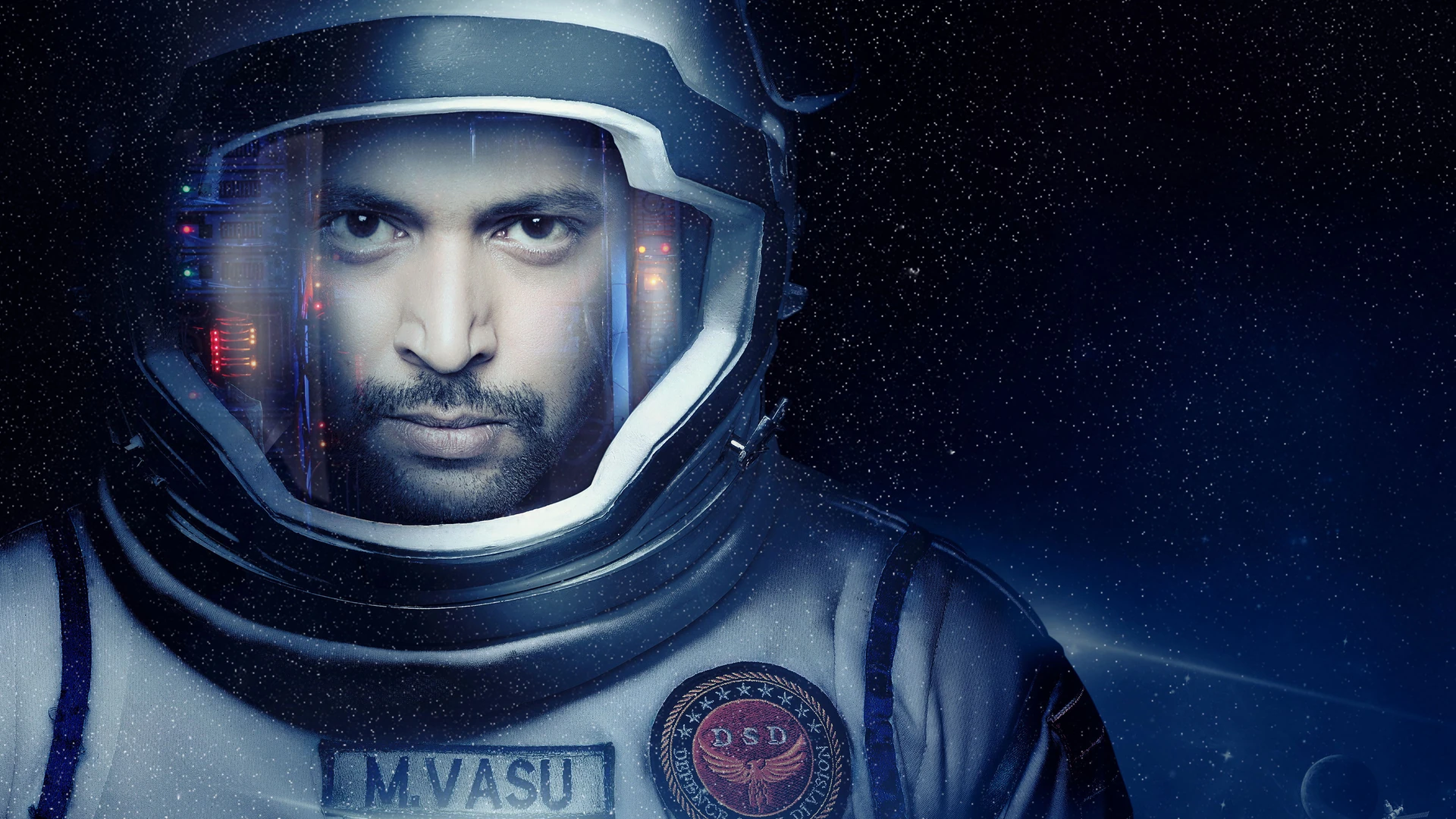
“It is in the face of the impossible that humanity truly reveals itself, not always in triumph, but in the audacity to try.” — Unknown
When Tik Tik Tik burst onto the screen in 2018, it arrived with the weight of expectation—and, for some, apprehension—as India’s first major space thriller. Directed by Shakti Soundar Rajan and starring Ravi Mohan, it promised an asteroid-stopping mission, a race against time to save Chennai from cosmic annihilation. On its surface, the film is a straightforward, albeit ambitious, genre piece. Yet, like many films that push boundaries with limited resources, its reception was, to put it mildly, mixed. Critics were largely unforgiving of its visual effects, often deeming them unconvincing, and frequently pointed out significant scientific inaccuracies and plot contrivances. While audiences were often more lenient, appreciating the sheer attempt at such a grand spectacle from Tamil cinema, the film’s weaknesses are undeniable. But here, on “What’s Up?”, we’re not just interested in perfection; we’re interested in what even imperfect art can reveal about the human condition. Tik Tik Tik, for all its flaws, provides a fascinating lens through which to examine humanity’s audacity, our profound vulnerability, and the intricate dance between individual sacrifice and collective survival.
The Audacity of the Stars
Let’s address the elephant in the spacecraft first: the technical execution. Many critics lambasted the visual effects, and rightfully so, noting that the CGI often struggled to convey the immersive grandeur of space. The scientific liberties taken were so vast they verged on the fantastical, making suspension of disbelief a significant challenge for some viewers. Plot holes and convenient resolutions pepper the narrative, particularly in the rapid assembly of a team of “magicians” and escape artists to perform a highly technical space mission. These criticisms are valid and speak to the film’s limitations.
However, to dismiss Tik Tik Tik solely on these grounds would be to miss its deeper, more audacious spirit. This wasn’t a Hollywood blockbuster with an unlimited budget; it was a regional film attempting a genre almost entirely new to its industry. Its very existence, despite its technical shortcomings, is a testament to a profound human trait: the desire to reach beyond our grasp. The film’s core premise—sending a hastily assembled team into space to destroy an asteroid threatening millions—is a dramatic, almost mythological, representation of humanity’s will to survive against overwhelming odds. It taps into a universal fear of cosmic indifference and, conversely, our innate drive to assert agency in a universe that often reminds us of our insignificance. Tik Tik Tik is less about how perfectly we can simulate space, and more about that we dare to imagine going there to protect what we hold dear.
- Human Ingenuity vs. Cosmic Threat: The film, however imperfectly, dramatizes humanity’s fight against forces far beyond our control.
- The Power of “Attempt”: Its flaws paradoxically highlight the ambition—the courage—required to even attempt such a story.
- Narrative Archetype: The classic “underdog saves the world” narrative, amplified to a cosmic scale.
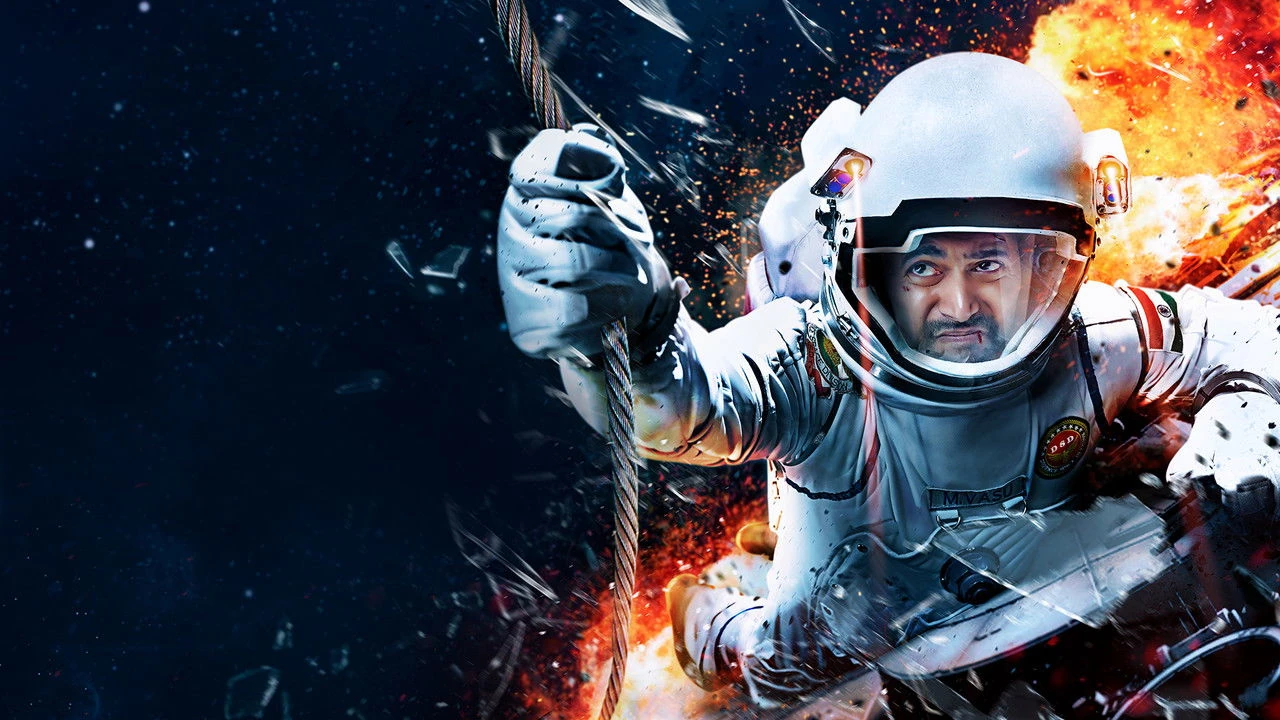 A lone figure, framed against the vast, indifferent cosmos, embodies humanity’s fragile but determined spirit.
A Father’s Plea, Humanity’s Burden
At its emotional core, Tik Tik Tik grounds its grand premise in a deeply personal struggle. Ravi Mohan plays Vasu, an escape artist whose son is held hostage by military command to ensure his cooperation on the mission. This setup, while a classic action movie trope, effectively injects a potent dose of paternal love and sacrifice into the narrative. Vasu isn’t a trained astronaut or a hardened soldier; he’s a man driven by the primal urge to protect his child. This motivation, however, quickly expands to encompass the fate of millions, transforming his personal plight into a universal burden.
This is where the film, despite its narrative conveniences, touches upon a profound truth: the most extraordinary acts of heroism often stem from the most ordinary, deeply human connections.
The film explores the harrowing choices individuals must make when faced with impossible scenarios. Vasu’s journey is one of reluctant heroism, forced into a situation far beyond his expertise. His skills, honed in illusion and escape, are suddenly applied to the very real and dangerous mechanics of space travel and asteroid destruction. This juxtaposition speaks to the idea that true courage isn’t the absence of fear or inadequacy, but the willingness to act despite them. It prompts us to consider: what would we do if the fate of our loved ones, or indeed, our entire world, rested on our ability to transcend our limitations? The film’s emotional beats, while sometimes leaning into melodrama as noted by some reviewers, resonate because they tap into this fundamental human wiring for connection and protection.
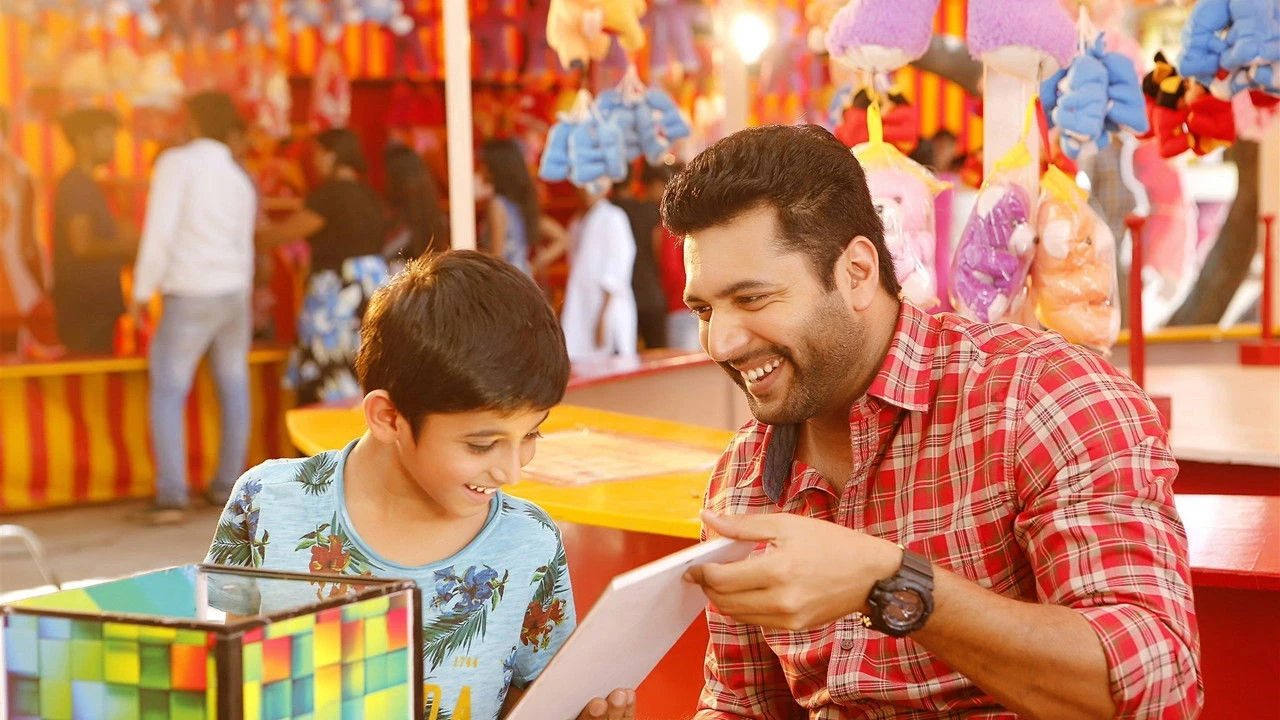 A moment of quiet desperation, the weight of an impossible mission etched on a determined face.
Cosmic Imperfection, Earthly Resolve
Beyond the immediate plot, Tik Tik Tik dares to ask larger, existential questions. What does it mean for a society, a city like Chennai, to face imminent obliteration from space? The film, even with its imperfect rendering of the cosmos, forces us to confront the fragility of our existence on this pale blue dot. We are, after all, vulnerable to forces far beyond our control, adrift in a universe that cares little for our triumphs or tragedies. The asteroid becomes a tangible symbol of this cosmic indifference, a stark reminder of our precarious place.
Yet, in the face of this overwhelming threat, humanity’s response, as depicted in the film, is one of resolve. It’s a testament to our collective will to survive, to our ingenuity, and to our capacity for self-sacrifice. The film’s relatively low-budget approach to a space adventure might, ironically, underscore this point. It’s not about slick perfection, but about the grit and determination to make do with what we have, to put our best foot forward even when our tools are inadequate for the task. This struggle for survival, both technological and emotional, highlights humanity’s persistent drive to overcome. Tik Tik Tik ultimately celebrates the spirit of those who, despite all odds and personal inadequacies, step up to save the world, even if their journey there is a bit bumpy.
While Tik Tik Tik may not be a masterpiece of cinematic precision or scientific accuracy, its ambitious heart and the profound questions it gestures toward about human resilience and the desire to protect our fragile existence resonate long after its final, imperfect frame.
What does it truly take to be a hero when the universe itself is your antagonist, and your best isn’t quite good enough, but it’s all you have? Tik Tik Tik might not have all the answers, but it certainly prompts us to ask.
Where to Watch
- Amazon Prime Video
- Hulu
- Sun Nxt
- Amazon Prime Video with Ads
What’s Up? explores the philosophical depths of cinema.