The Unbearable Lightness of Being a Toy: Toy Story 2's Existential Reckoning
Delving into Toy Story 2's profound exploration of purpose, obsolescence, and the choices that define our existence, despite its acclaimed perfection.
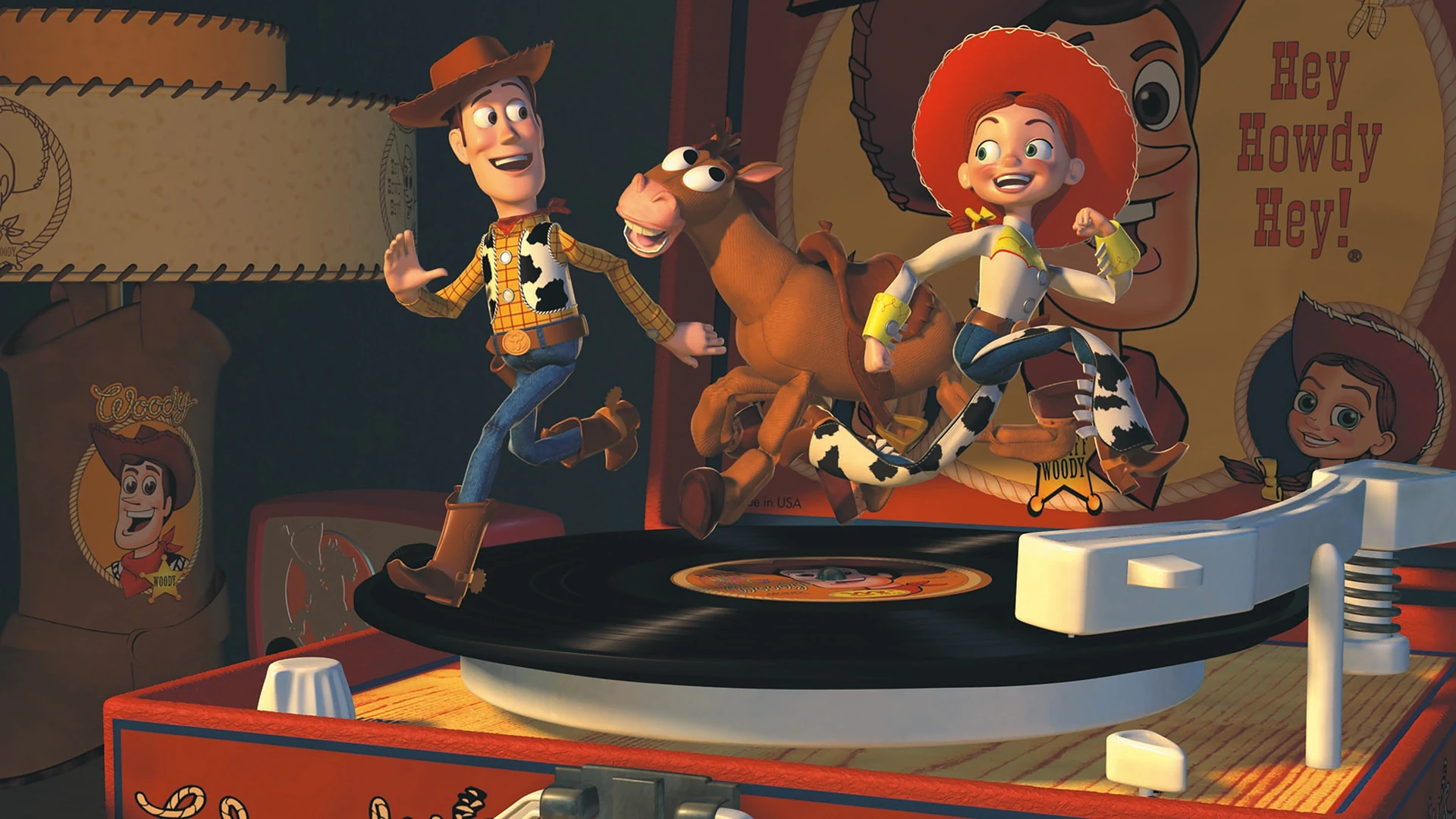
“To be or not to be, that is the question.” — William Shakespeare
It’s rare for a sequel to not just live up to its predecessor, but to arguably transcend it, pushing boundaries of both narrative and emotional depth. Toy Story 2, released in 1999, is one of those cinematic anomalies. With near-universal critical acclaim – a perfect 100% on Rotten Tomatoes and an 88 on Metacritic – it wasn’t just lauded for its groundbreaking animation or razor-sharp humor, but for a philosophical heft that felt almost audacious for a “children’s movie.” Yet, even in its perfection, there’s a profound, almost painful inquiry into what it means to exist, to have purpose, and to face the inevitable march of time. It’s a film that asks us to confront our own existential anxieties, beautifully packaged in a vibrant, engaging adventure.
The Weight of Obsolescence and the Choice of Being
At its core, Toy Story 2 grapples with the terrifying concept of obsolescence. Woody, the beloved pull-string cowboy, is snatched by Al McWhiggen, an obsessive collector, and introduced to a world where his value isn’t tied to a child’s love, but to a pristine, historical legacy. He meets Jessie, Bullseye, and Stinky Pete, the rest of the Woody’s Roundup gang, who offer him an eternity in a museum, preserved from the dust and decay of forgotten playtimes. This isn’t just a plot device; it’s a profound meditation on the human desire for significance and permanence.
The film poses a stark, almost brutal question: Is it better to live a finite life filled with love, knowing it will end, or to be preserved eternally, admired but never truly lived? Woody’s initial struggle, his flirtation with the idea of immortality in a glass case, is deeply relatable. Who among us hasn’t yearned for a legacy, for proof that our existence mattered beyond our immediate circle? But the film skillfully navigates this, showing the cold, sterile reality of such an existence through Jessie’s heartbreaking song, “When She Loved Me.” Her story is a poignant reminder that the fear of being outgrown, of being discarded, is a primal fear, not just for toys, but for all sentient beings. It taps into our own anxieties about aging, about children growing up, about losing our relevance in a rapidly changing world.
- Purpose vs. Preservation: Woody’s dilemma encapsulates the conflict between active, lived purpose and passive, preserved legacy.
- The Fear of Forgetting: Jessie’s backstory is a raw exploration of abandonment and the trauma of being forgotten.
- The Nature of Value: Does an object’s value come from its utility and emotional connection, or its rarity and historical significance?
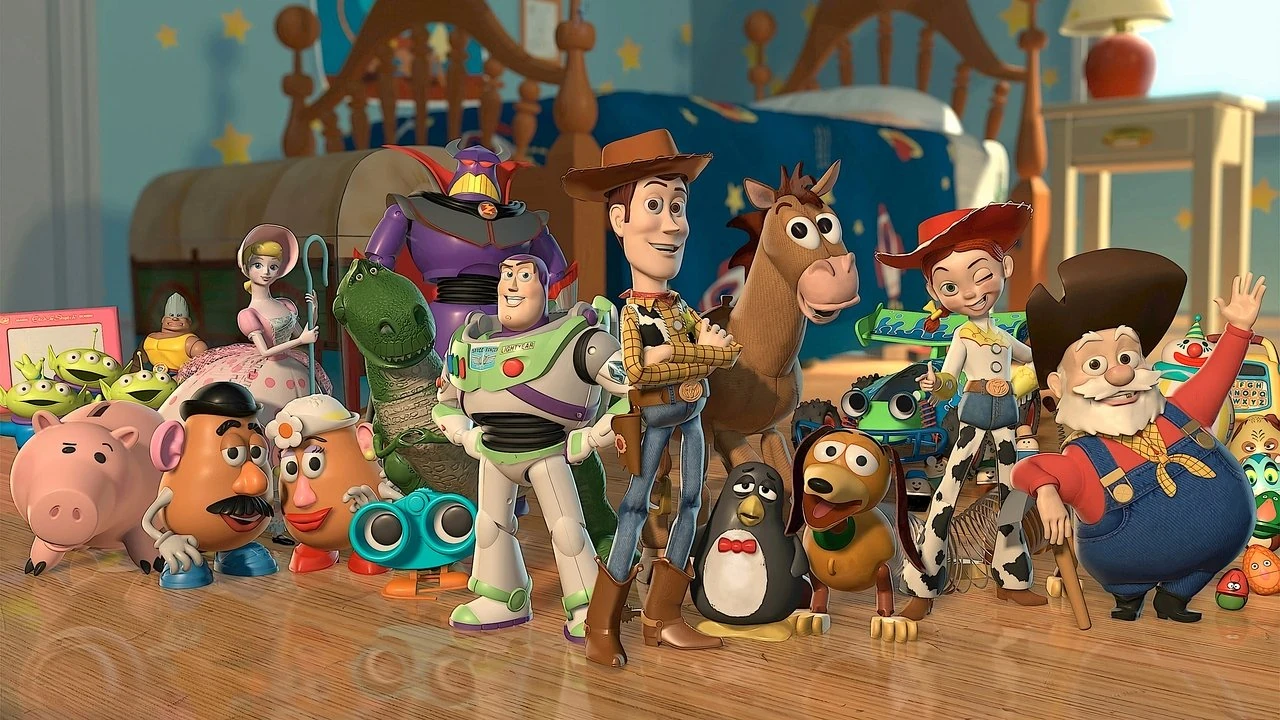 Woody gazes at his pristine, boxed counterpart in Al’s apartment, a mirror reflecting a potential, yet sterile, future.
Flaws, Fandom, and the Force of Emotion
While critics universally praised Toy Story 2’s writing, animation, and emotional depth, it would be disingenuous not to acknowledge the subtle, almost uncomfortable weight it places on its younger audience. Some might argue that the existential themes, particularly the fear of abandonment and the contemplation of one’s own finite existence, are surprisingly heavy for a family film. Indeed, the film’s strength lies in its willingness to go there, to explore these difficult truths without flinching. It trusts its audience, young and old, to process complex emotions.
This is where the magic lies: in confronting the most uncomfortable aspects of the human condition through the seemingly simple lens of sentient toys, the film achieves a rare emotional resonance that transcends its animated form.
The pacing, often lauded as perfect, can feel relentless in its emotional beats. From Buzz’s daring rescue mission, encountering an entire “Zurg” lore, to Woody’s internal struggle, there’s little room to breathe. Yet, this relentless drive serves to heighten the stakes, making Woody’s ultimate decision feel incredibly earned. The characters, too, are fleshed out with remarkable nuance. Joan Cusack’s Jessie is a standout, her story arc providing the film’s most heartbreaking moments. Even the villain, Stinky Pete, isn’t a one-dimensional caricature, but a character born of bitter resentment and the pain of a life unplayed, a dark mirror to Woody’s own fears. This complexity elevates the narrative beyond simple good vs. evil, grounding it in psychological realism, however fantastical the premise.
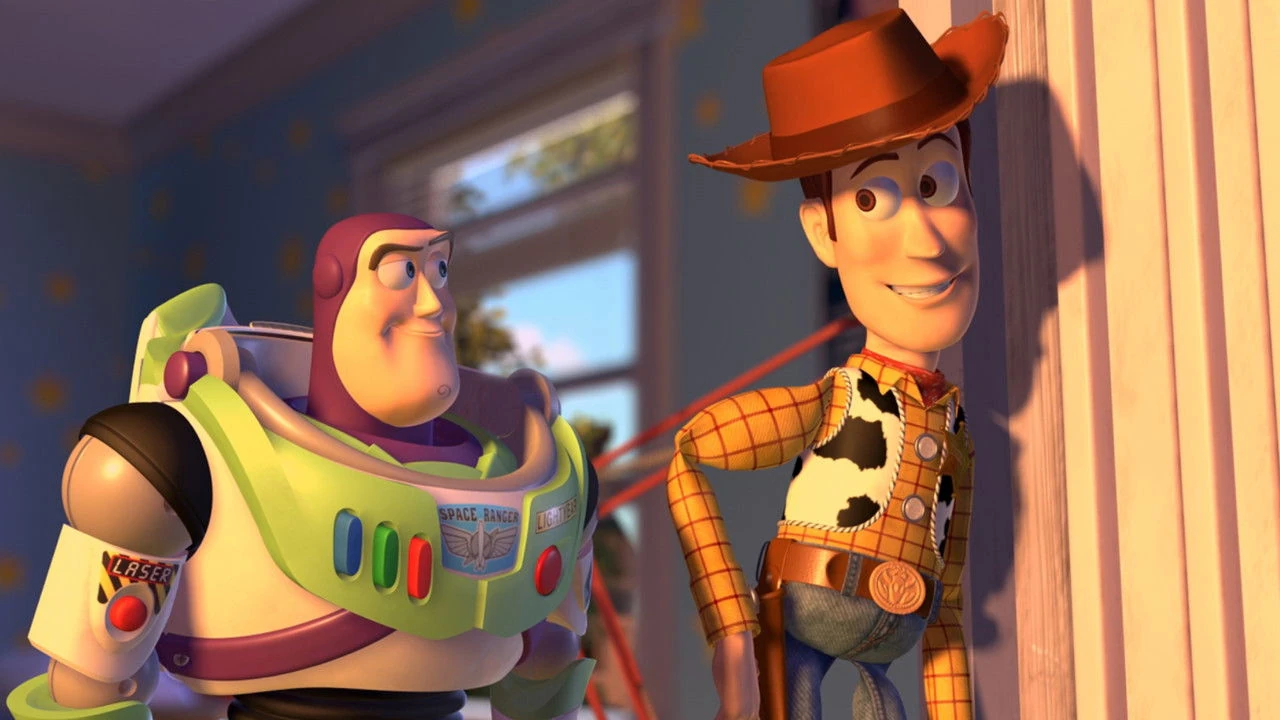 Jessie, in a moment of quiet reflection, remembers the joy and heartbreak of being loved and then outgrown.
Beyond the Surface: A Metaphysical Mirror
Toy Story 2 isn’t just a story about toys; it’s a metaphysical mirror reflecting our own human experience. It dares to ask: What gives our lives meaning? Is it our inherent nature, our genetic makeup, or is it the relationships we forge, the love we give and receive? The toys’ sentience, their very being, is predicated on being played with. Without a child, their purpose feels lost, their existence hollow. This echoes our own struggle for meaning in a vast, indifferent universe.
The film’s genius lies in its ability to couch these profound questions in an accessible, entertaining adventure. It explores the concept of agency – the ability to make choices and act upon them – even for beings whose primary purpose is to serve another. Woody chooses love over legacy, a finite, joyful existence over an eternal, sterile one. This choice isn’t just noble; it’s a celebration of the present moment, of the beauty found in temporary connections, and the bravery required to embrace vulnerability. It suggests that true value isn’t in what lasts forever, but in what is deeply felt and truly lived.
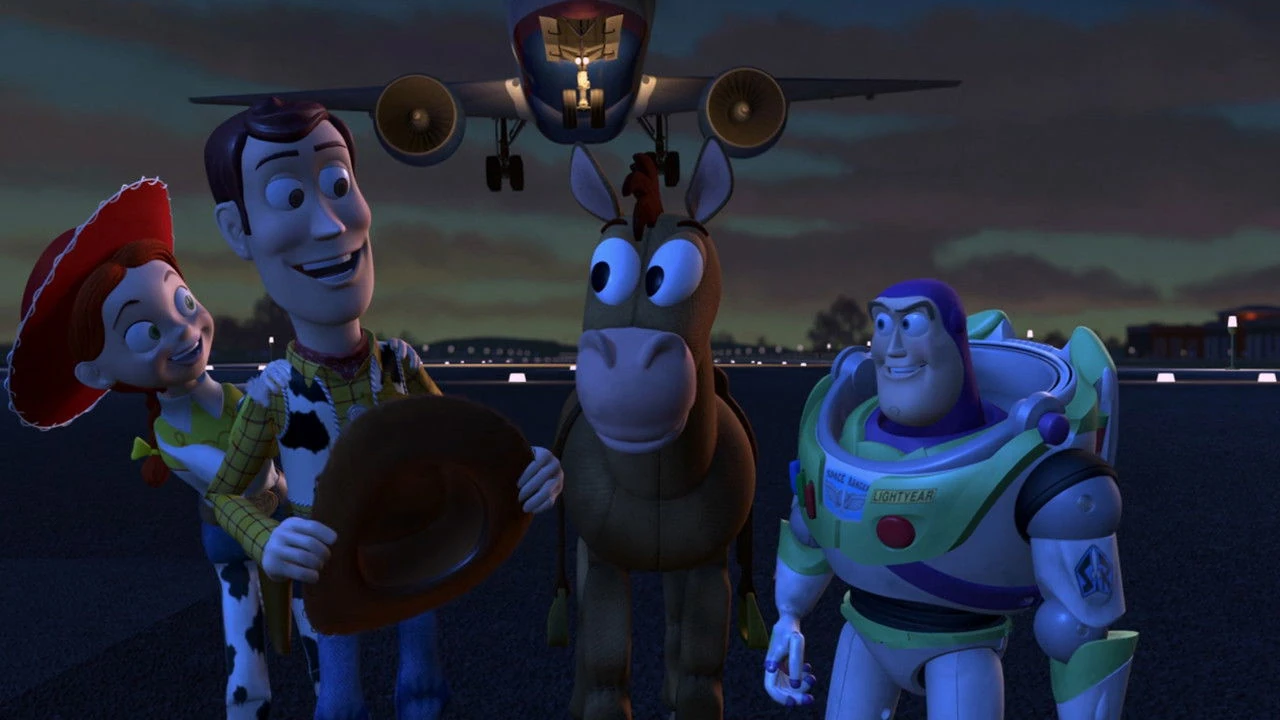 Buzz Lightyear, resolute, leads the daring rescue mission, symbolizing loyalty and the pursuit of a loved one’s true happiness.
The lingering question Toy Story 2 leaves us with isn’t whether Woody made the right choice, but whether we, too, have the courage to choose a meaningful, however temporary, connection over the allure of an unchanging, immortal, yet ultimately unlived existence.
Toy Story 2 is more than a groundbreaking animated film; it’s a philosophical treatise on purpose, mortality, and the enduring power of love. Its emotional resonance, while occasionally bordering on the heartbreaking, is precisely what cements its status as a timeless classic. It reminds us that even in the face of inevitable goodbyes, the joy of connection is a choice worth making, again and again.
Where to Watch
- Disney Plus
What’s Up? explores the philosophical depths of cinema.