The Mechanics of Meaning: Finding Philosophy in Age of Extinction's Chaos
A philosophical look at Transformers: Age of Extinction, exploring its themes of control, creation, and the burden of existence amidst critical panning.
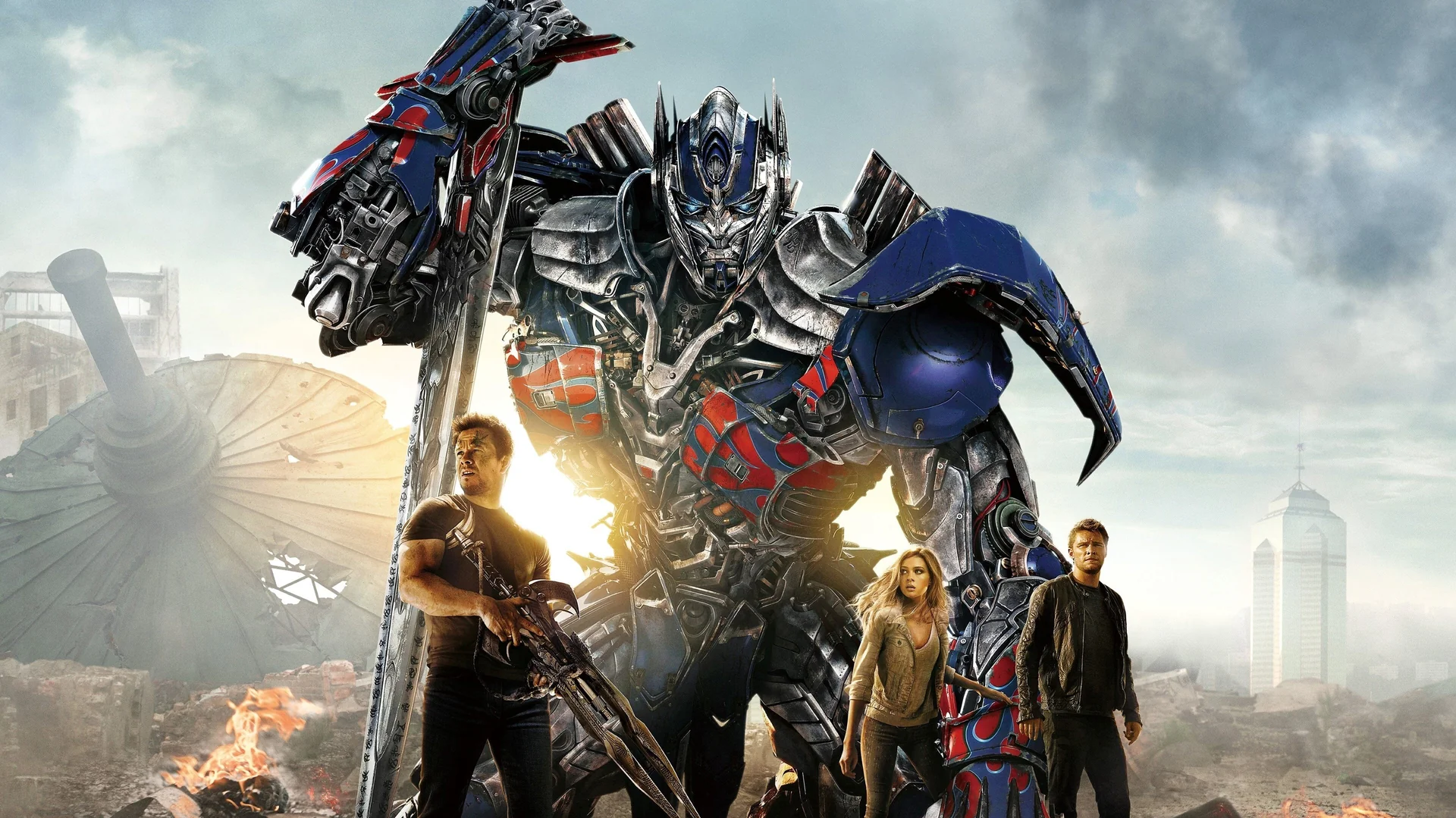
“We are all prisoners of our own creations, haunted by the specter of what we’ve wrought.” — Unknown
Let’s be honest, talking about Michael Bay’s Transformers: Age of Extinction (2014) in a philosophical context feels a bit like trying to find the quiet eye of a hurricane. With a staggering 165-minute runtime that often felt longer, and a critical reception that saw it earn a dismal 18% on Rotten Tomatoes and a 32/100 on Metacritic, this installment in the colossal robot saga was widely lambasted as noisy, overlong, and narratively incoherent. Critics, and indeed many audience members, pointed to its convoluted plot, thinly sketched human characters, and the relentless “Bayhem” that prioritized explosions over emotional stakes. Yet, even in this maelstrom of metal and mayhem, amidst the product placements and the often-cringe-worthy dialogue, there are glimmers—if you squint hard enough—of deeper questions about creation, control, and the perpetual cycle of conflict that humanity seems doomed to repeat. It’s a film that demands we look past its undeniable flaws to consider what it inadvertently reflects about our own anxieties regarding technology and our place in the universe.
The Burden of Creation and the Fear of the Other
At its philosophical core, Age of Extinction grapples with the fallout of past conflicts and the human response to an alien presence. After the devastating Battle of Chicago, humanity isn’t exactly sending thank-you notes to the Autobots. Instead, we see the rise of Cemetery Wind, a shadowy CIA black ops unit, sanctioned to hunt down and “extinct” all Transformers, good or bad. This immediate turn to xenophobia and violent suppression, even against allies, speaks volumes about our inherent fear of the unknown and our desperate need for control. The very beings who saved Earth are now its targets.
This feeds into a fascinating, albeit heavy-handed, exploration of technological hubris. Humans, specifically the tech giant KSI led by Joshua Joyce (a wonderfully manic Stanley Tucci, often cited as one of the film’s few redeeming performances), aren’t just hunting Transformers; they’re trying to create them. They melt down dead Autobots and Decepticons to build their own “man-made” Transformers, believing they can harness and control this alien power. This ambition, of course, goes spectacularly wrong, leading to the creation of Galvatron, who eventually becomes a new vessel for Megatron. It’s a classic Faustian bargain, a cautionary tale about playing God with forces we don’t understand.
Key themes to explore:
- Xenophobia and fear of the ‘other’ — humanity’s immediate turn against its alien saviors.
- Technological hubris — the dangerous ambition to replicate and control alien power.
- The moral responsibility of creators — what are the ethical implications of bringing intelligent life into existence?
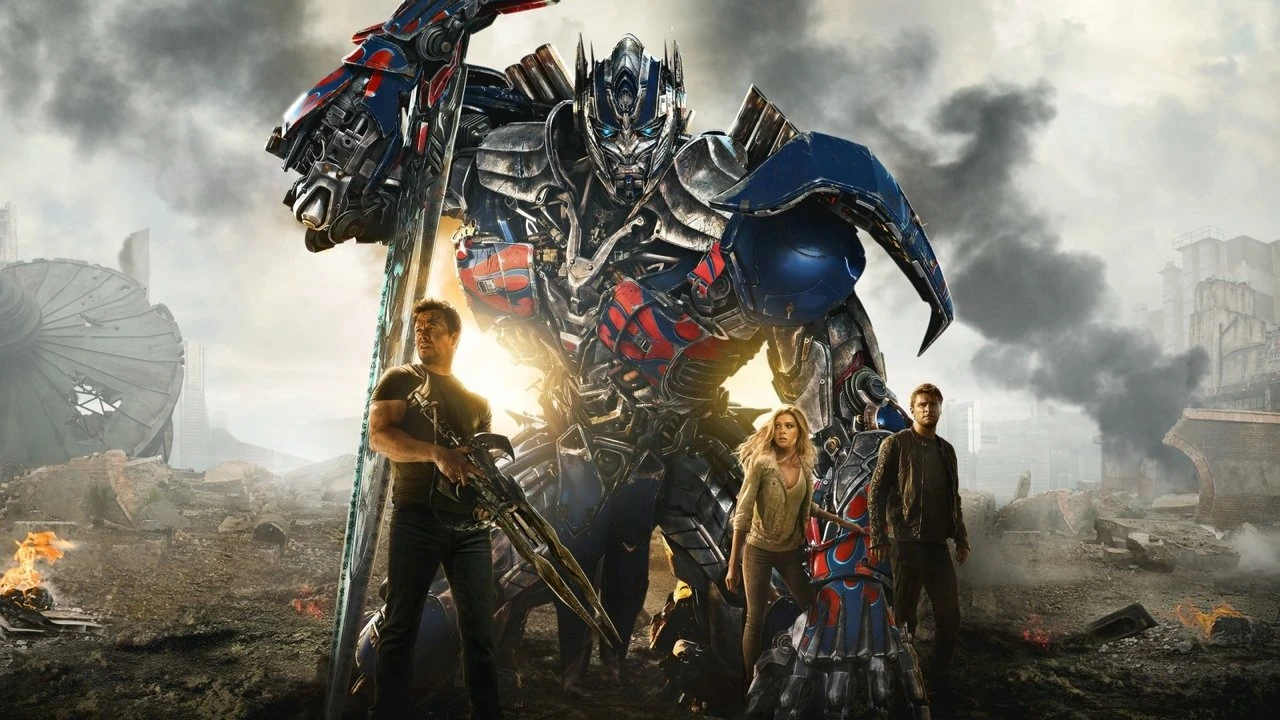 In the aftermath of conflict, humanity’s fear turns against its former saviors, revealing a primal xenophobia.
The Paradox of Progress and Perpetual Conflict
While the film’s narrative often collapses under its own weight, especially with its uneven pacing and a plot that many critics found overly convoluted and stretched thin, it inadvertently highlights a profound human paradox. We crave progress, seek innovation, and strive for technological advancement, yet these very pursuits often lead to new forms of conflict and destruction. The battle of Chicago was supposed to be a resolution, but instead, it became a catalyst for a new, more insidious war. The film suggests that conflict isn’t just about good versus evil; it’s a deeply ingrained pattern, a self-fulfilling prophecy fueled by fear, ambition, and the relentless pursuit of power.
The cycle of violence isn’t a mere plot device here; it’s a grim reflection of humanity’s inability to learn from its past, trapped in a perpetual dance with destruction.
Optimus Prime himself, voiced with gravitas by Peter Cullen, undergoes a noticeable shift in this film. He’s darker, more vengeful, seemingly weary of humanity’s endless capacity for self-destruction and betrayal. This shift, while criticized by some for straying from his traditionally noble character, can be seen as an exploration of the psychological toll of perpetual war. What happens to a hero when the people they protect constantly turn on them? When their efforts seem futile? It’s an existential question for a giant robot, but one that resonates with any leader or individual burdened by responsibility in a chaotic world. The Dinobots, though woefully underutilized and largely serving as glorified plot devices for more explosions, further complicate Optimus’s character, forcing him to choose between brutal pragmatism and his ideals.
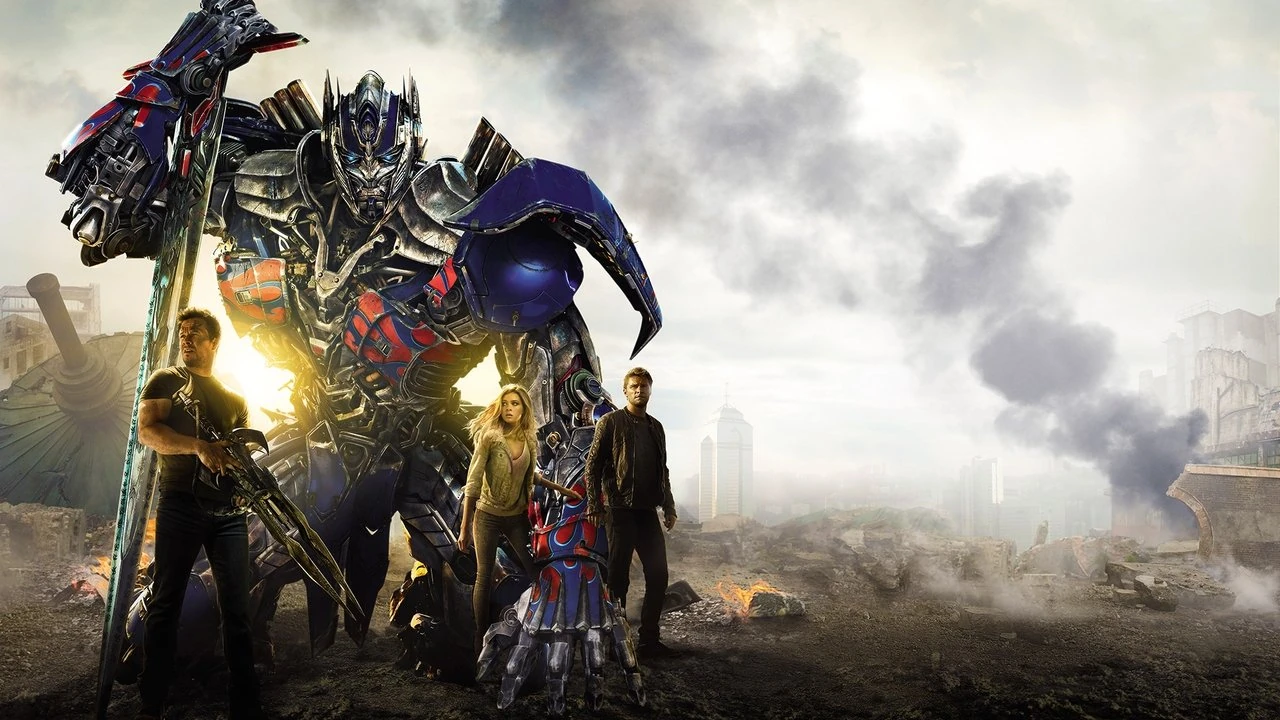 Even Optimus Prime, the stalwart hero, bears the heavy burden of endless conflict and humanity’s recurring betrayals.
Beyond the Surface: Existential Questions in the Rubble
Despite its flaws—and let’s be clear, they are legion—Transformers: Age of Extinction inadvertently stumbles into some compelling metaphysical territory. The ancient “Creators” who seeded the Transformers across the galaxy and are now returning to “reclaim” them introduce a cosmic scale to the conflict. This storyline, however underdeveloped, forces us to consider: What is our purpose if we are merely creations of an even greater, unknown entity? Are we truly free, or are we just pawns in a much larger, intergalactic game? The very concept of “extinction” isn’t just about the Dinobots, but about the potential end of humanity, and indeed, the Transformers themselves. It’s a stark reminder of our fragility in a vast, indifferent universe.
The film’s relentless spectacle, while often overwhelming, can also be interpreted as a reflection of our modern condition—a constant barrage of information, noise, and digital chaos that makes it difficult to discern meaning or find quiet reflection. Perhaps the “Bayhem” isn’t just a director’s indulgence, but a mirror to the sensory overload of contemporary life, where the truly profound risks being drowned out by the sheer volume of everything else. It’s a challenging viewing experience, but one that, when viewed through a philosophical lens, compels us to ask what, if anything, remains meaningful when the world is constantly being torn apart and rebuilt, literally and figuratively.
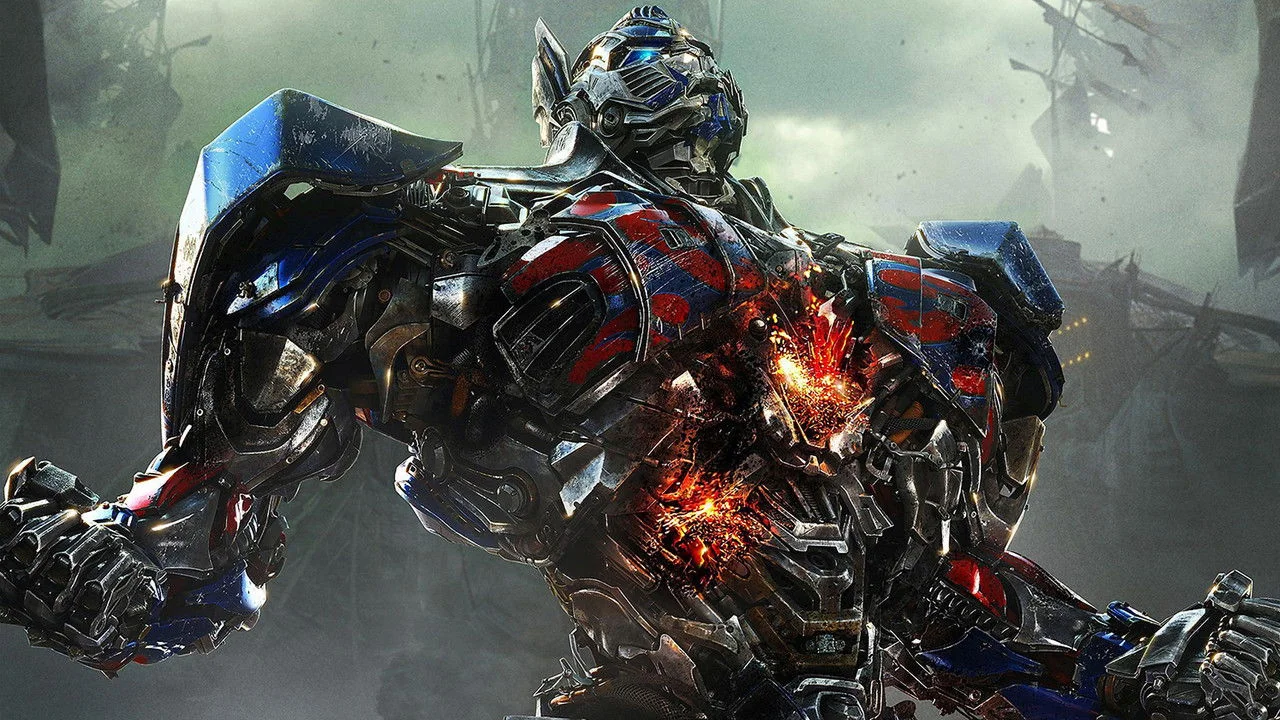 Amidst the spectacular destruction, the film subtly touches on humanity’s technological hubris and the consequences of playing God.
“Perhaps the greatest extinction is not of a species, but of the hope that peace is truly possible.”
Transformers: Age of Extinction remains a divisive film, often cited as an exemplar of blockbuster excess and critical disappointment. Its weaknesses are undeniable: a bloated script, uneven performances, and an overreliance on CGI spectacle. Yet, by forcing us to endure its chaotic vision, it inadvertently provokes questions about our relationship with technology, the cyclical nature of conflict, and the moral ambiguities of creation and destruction. It asks what we truly learn from history, or if we are simply condemned to repeat it, bigger and louder each time. It’s a film that, despite its critical panning, offers a noisy, imperfect mirror to some deeply unsettling human truths.
Where to Watch
- Paramount Plus Premium
- Paramount Plus Essential
- Peacock Premium
- Starz Apple TV Channel
- Paramount+ Amazon Channel
What’s Up? explores the philosophical depths of cinema.