Treadstone's Ghost: The Echoes of Identity in a Programmed World
Exploring the philosophical weight of engineered assassins and fragmented identity in the TV series Treadstone, despite its mixed critical reception and narrative struggles.
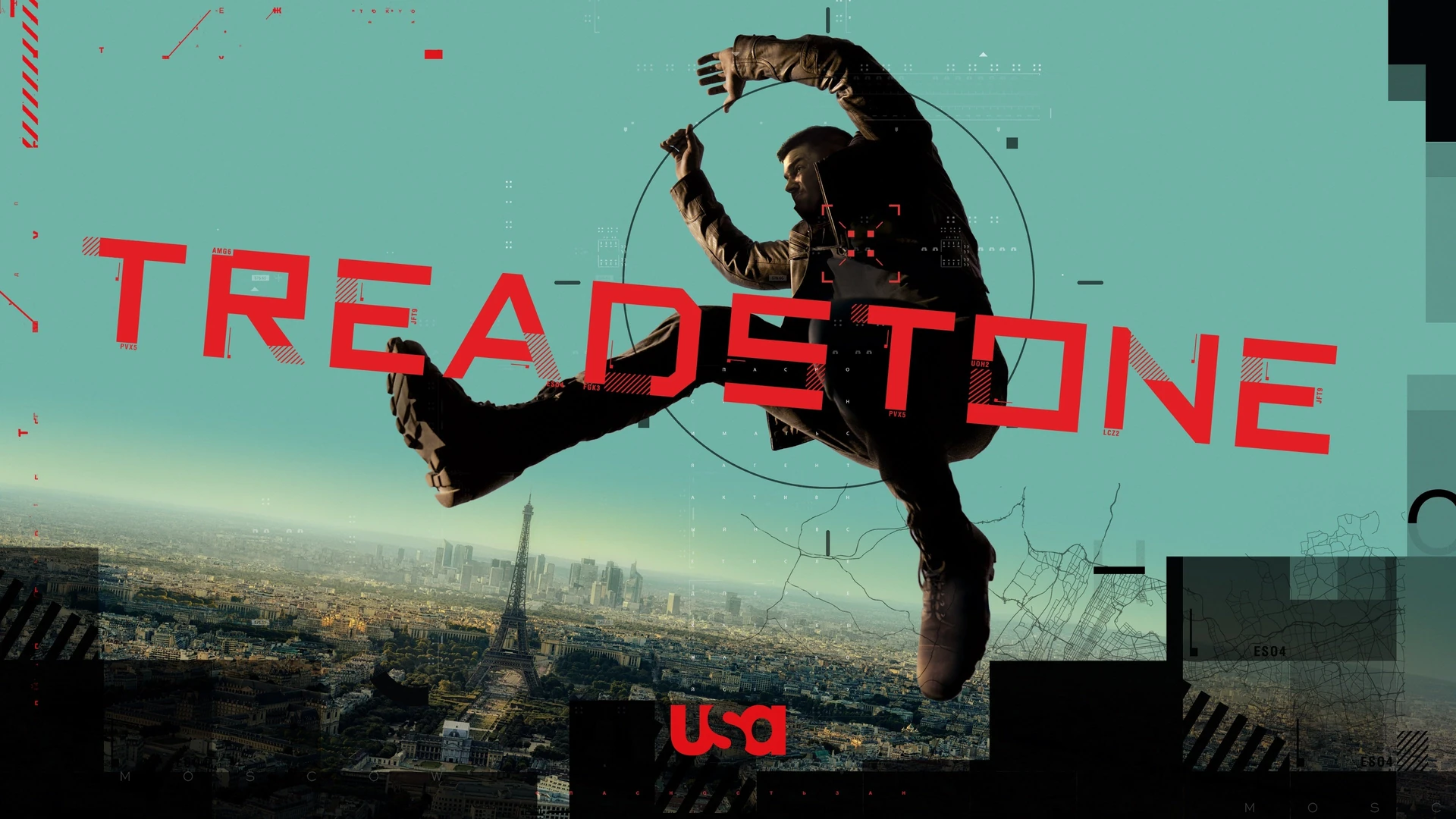
“Memory, the primary source of personal identity, is not merely a record of the past, but the very fabric of who we are.” — John Locke
Let’s be honest, the idea of a television series spun off from the Bourne universe, delving deeper into the shadowy Treadstone program, held immense promise for many of us. The name itself conjures images of engineered super-spies, erased memories, and a relentless search for self. Treadstone (2019) certainly delivered on the action front, but its philosophical ambitions often struggled to break free from the weight of its legacy and a somewhat muddled execution. While it didn’t exactly set the critical world alight, garnering a rather lukewarm 43% on Rotten Tomatoes and a mixed 49/100 on Metacritic, its core premise still offers a fertile ground for exploring the very nature of identity, agency, and what it means to be human when your purpose is programmed.
The Haunting Echoes of a Manufactured Self
Critics often slammed Treadstone for being derivative, its plot convoluted, and its characters, at times, feeling like pale imitations rather than compelling new figures. Many reviewers, like those on The Hollywood Reporter, noted its “uneven pacing” and a “lack of distinct personality” among its ensemble. Indeed, the series often felt stretched thin, attempting to juggle multiple timelines and international locales without always giving its characters the space to truly breathe or develop. Yet, beneath the layers of generic spy tropes and often clunky exposition, the show persistently circles back to the profound existential questions that made Jason Bourne’s journey so compelling.
The central conceit of Treadstone revolves around “Cicadas”—sleeper agents activated by specific triggers, their former lives melting away to reveal a pre-programmed purpose. This concept, while familiar, is a rich philosophical vein:
- The Erosion of Identity: What happens when your memories, your experiences, your entire personal history, can be wiped clean and replaced? Is the self merely a collection of data, easily re-written?
- Agency vs. Determinism: Do these Cicadas possess any genuine free will, or are they merely sophisticated automata, destined to fulfill their programming? The series, however imperfectly, grapples with the inherent human drive to resist control, even when the controller is deep within one’s own mind.
- The Ethics of Design: Treadstone implicitly asks us to consider the moral implications of creating human beings as tools, stripping them of autonomy for geopolitical ends. It’s a dark mirror reflecting our anxieties about surveillance, manipulation, and the commodification of human life.
In its best moments, Treadstone uses its action-thriller framework to hint at the terrifying reality of a world where one’s very existence is a weapon, and the fight for self is the most dangerous mission of all.
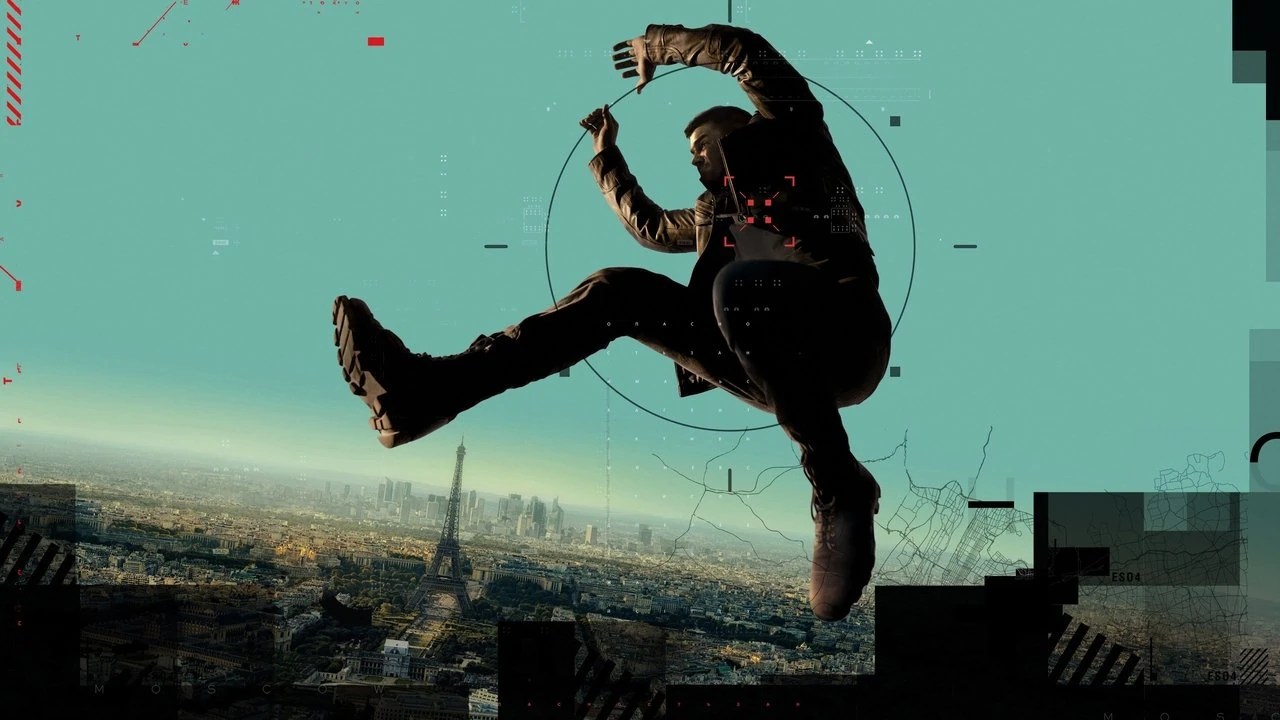 J.D. Samira grapples with the fractured mirror of his identity, a recurring visual motif in Treadstone.
The Unstable Bridge Between Spectacle and Introspection
While the series delivered on its promise of high-octane action sequences—often competently choreographed and visually engaging, particularly in the hand-to-hand combat scenes involving Han Hyo-joo’s character, SoYun—it consistently struggled with the narrative connective tissue that might have elevated it beyond mere spectacle. Audience reviews on IMDb often praised the action but echoed critic complaints about the “convoluted plot” and “slow burn” that often felt more like stagnation than suspense. The multiple, geographically disparate storylines, while ambitious, frequently felt disjointed, preventing a cohesive emotional investment in any single character’s arc.
The true tragedy of the programmed agent isn’t just the loss of their past, but the existential dread of a future that isn’t truly their own, dictated by unseen masters and forgotten commands.
This narrative fragmentation ironically, or perhaps coincidentally, mirrors the fragmented identities of its characters. We jump from a Cold War-era agent in East Berlin to a modern-day school teacher in Pyongyang, a former oil rig worker in Alaska, and a journalist in Washington D.C. Each character, a “Cicada,” is on their own journey of forced self-discovery. While many reviewers pointed out that the attempts at emotional depth often felt rushed or unearned, a stark contrast to the original Bourne films where Jason’s internal struggle was paramount, the sheer scale of global manipulation, spanning decades, does force us to consider the pervasive nature of systems beyond individual control.
The series, despite its weaknesses, does prompt us to ponder the continuity of self through disparate experiences. If your core personality traits, skills, and even emotional responses are activated and deactivated like a switch, what essential “you” remains? Is there an irreducible core of humanity that resists even the most sophisticated programming? Treadstone hints that perhaps there is, as its agents invariably begin to question their orders, their allegiances, and their very existence.
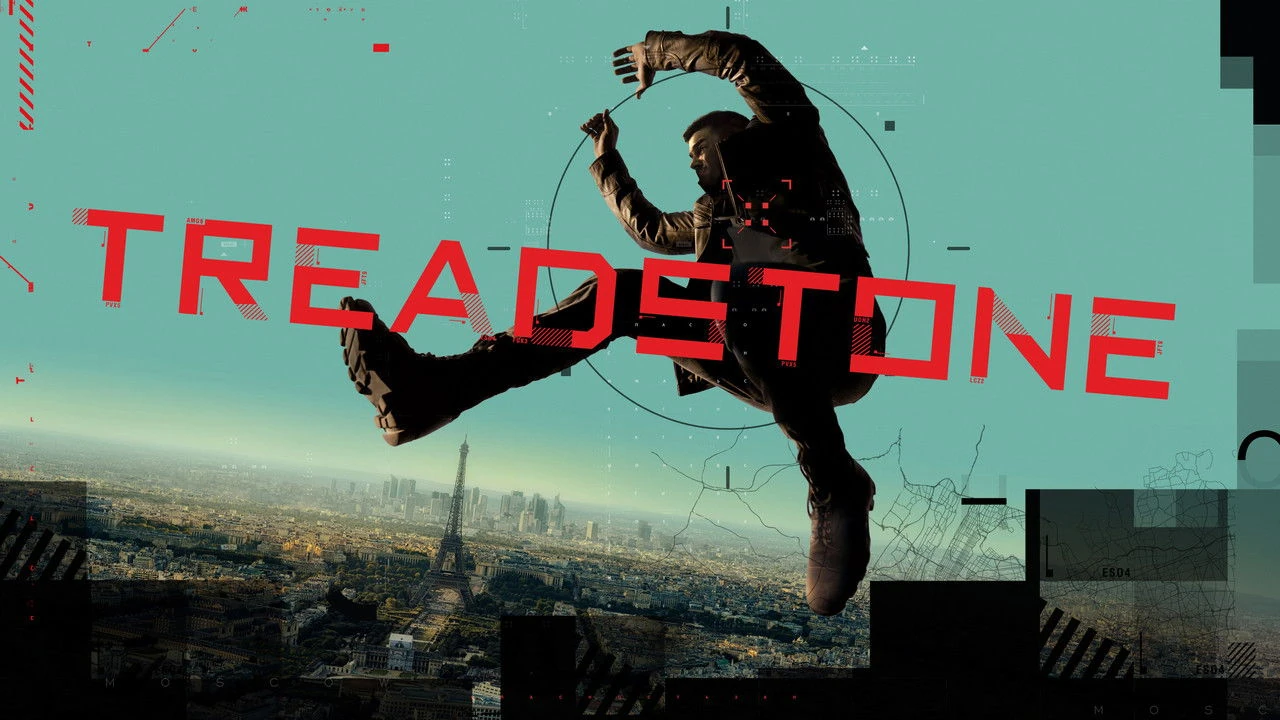 Matt Edwards, one of the few characters who seems to understand the full scope of Treadstone, carries the burden of its secrets.
Beyond the Surface: The Existential Weight of Control
Ultimately, Treadstone is more compelling in its conceptual framework than in its execution. The show dared to ask, however awkwardly, what happens when the very essence of human free will is considered a bug rather than a feature. It explores the metaphysical notion of a soul or consciousness existing beyond mere biological function and programmed purpose. If identity can be manufactured and purpose imposed, what does that say about human autonomy in an increasingly data-driven, interconnected world?
The series, even imperfectly, explores the ethics of creation – the responsibility of those who ‘design’ human beings for specific, often violent, ends. It’s a chilling thought experiment: are we merely the sum of our experiences and genetic predispositions, or is there an inherent, unassailable core of self that strives for genuine freedom and meaning? Treadstone suggests that even within the most rigorously controlled systems, there’s an inherent human drive for self-determination that cannot be entirely extinguished, a ghost in the machine that yearns to write its own story.
To create a being solely for purpose is to deny their humanity, and the consequences, as Treadstone awkwardly but persistently reminds us, are often catastrophic, leaving behind a trail of broken lives and existential voids.
Treadstone’s legacy is undeniably mixed. It’s a show that struggled to find its own footing while standing in the colossal shadow of Bourne. Yet, in its relentless pursuit of the program that birthed its superspies, it inadvertently holds up a distorted mirror to our own anxieties about control, identity, and the fragile nature of self. It may not have been a critical darling, but it certainly offers a thought-provoking, albeit flawed, meditation on the persistent, often violent, human struggle for self-possession in a world eager to define us.
What does it truly mean to reclaim your life when your very being was designed by someone else?
What’s Up? explores the philosophical depths of cinema.