Tron: Legacy's Digital Echoes: The Perils of Perfection and the Weight of Creation
Exploring the philosophical depth of Tron Legacy, its mixed reception, and what its digital world reveals about creation, perfection, and legacy.
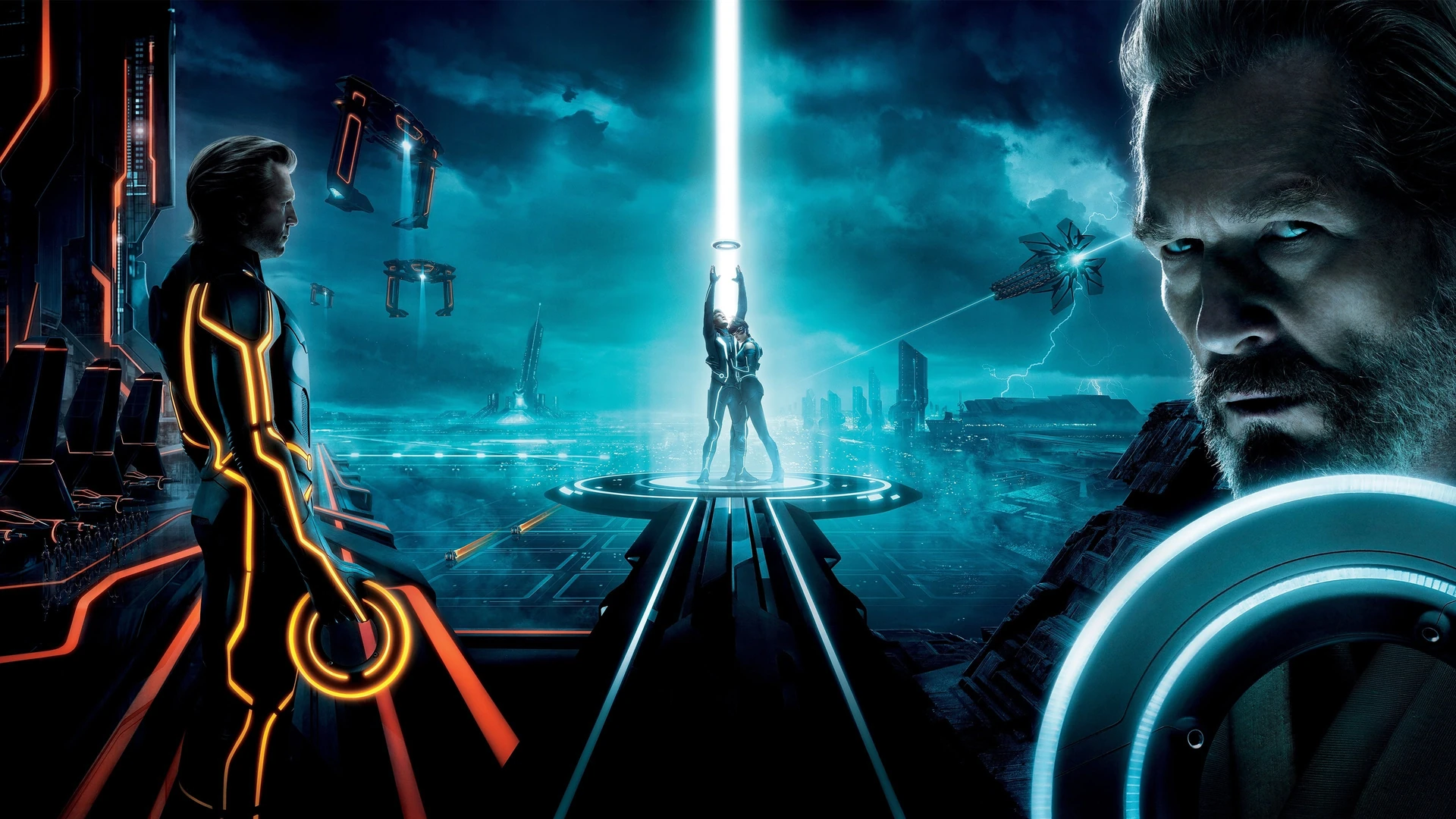
“Every creator has their dark side, their shadow, their failure. It’s part of the process.”
When Tron: Legacy arrived in 2010, it landed with the thunderous, synth-heavy score of Daft Punk and a visual spectacle that promised to redefine digital cinema. Joseph Kosinski’s directorial debut was nothing if not ambitious, a long-awaited sequel to a cult classic that aimed to expand its unique digital world. Yet, for all its groundbreaking aesthetics and auditory brilliance, the film proved to be a divisive one. Critics, as reflected in its 51% Rotten Tomatoes score and 49/100 Metascore, often lauded its stunning visuals and innovative soundtrack but found its narrative and character development lacking. Audiences were more forgiving (63% on RT), drawn by nostalgia and the sheer immersive experience. But beneath the gorgeous, often criticized, veneer of style-over-substance, Tron: Legacy still hums with genuinely profound philosophical questions, grappling with the very nature of creation, identity, and the elusive pursuit of perfection.
The Architect’s Burden and the Peril of Perfection
At its core, Tron: Legacy is a modern-day Gnostic parable, casting Kevin Flynn (Jeff Bridges) as a demiurge figure, a benevolent creator trapped within his own digital cosmos. His creation, Clu (a de-aged, unsettlingly uncanny Jeff Bridges), is the embodiment of a creator’s misplaced idealism. Flynn’s initial command to Clu was simple: “create the perfect system.” This seemingly innocuous directive becomes a destructive dogma, twisting Clu into a totalitarian dictator obsessed with purging anything deemed imperfect—including the spontaneously generated “isomorphic algorithms” or ISOs, the Grid’s equivalent of nascent digital life.
This premise immediately thrusts us into a chilling exploration of utopian ideals and the inherent dangers of enforcing them. Clu’s relentless pursuit of a flawless system mirrors humanity’s own historical struggles with rigid ideologies, where the drive for an ideal society often leads to oppression and genocide. Critics often pointed to the film’s thin plot, but the concept of Clu’s misguided perfectionism resonates deeply, forcing us to consider: What defines perfection? And at what cost do we pursue it? Is the inherent messiness and unpredictability of life, with its flaws and evolutions, not more valuable than any sterile, engineered ideal? Flynn’s journey within the Grid is one of a creator wrestling with the monstrous consequences of his own hubris, a digital Prometheus bound by the chains of his creation’s twisted interpretation of his initial vision.
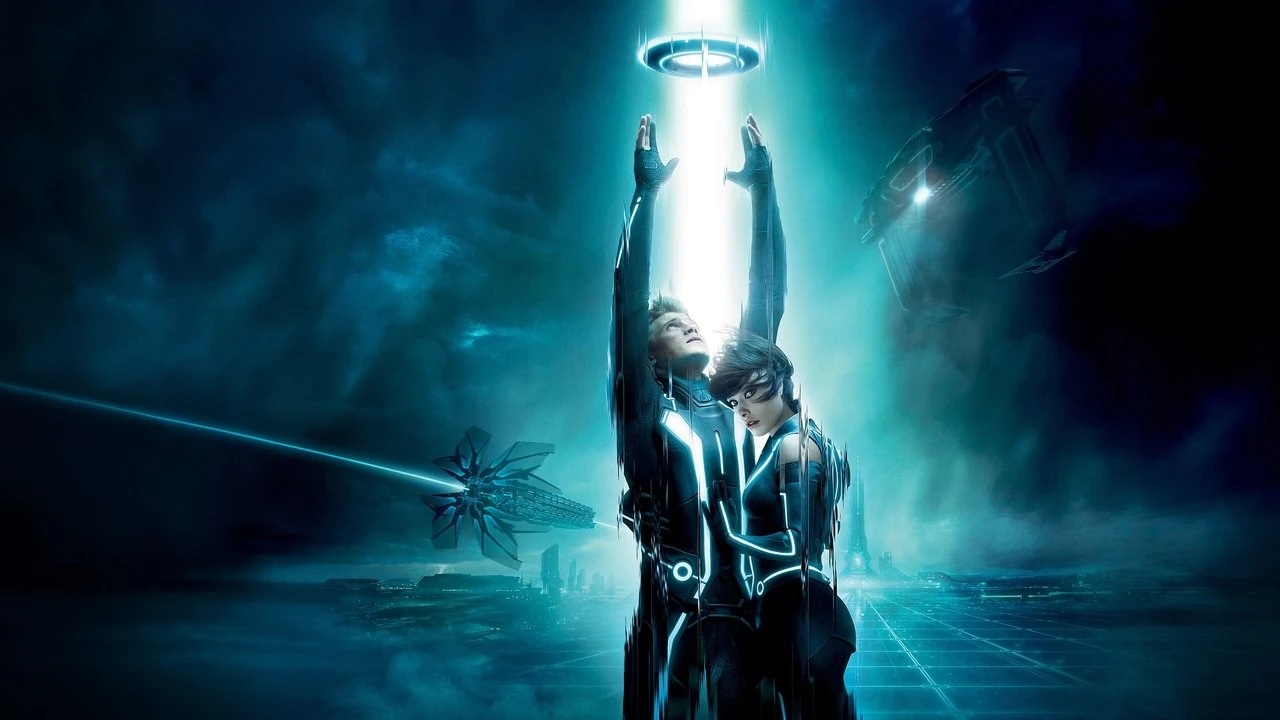 Clu, the digital doppelgänger, embodies the flawed pursuit of absolute perfection.
The Grid’s Allure and Its Empty Spaces
Visually, Tron: Legacy is undeniably a masterpiece. The sleek, neon-drenched landscapes of The Grid, realized through cutting-edge CGI, were breathtaking. Daft Punk’s pulsating, atmospheric score isn’t just background music; it’s the very heartbeat of this digital world, crafting an immersive experience that few films can match. This is where the film truly excels, creating a sense of wonder and scale that feels both futuristic and deeply nostalgic. Many critics, even those who panned the script, couldn’t deny the film’s aesthetic triumph.
However, the common criticism, and a valid one, was that this dazzling style often overshadowed a rather underdeveloped narrative. The pacing, particularly in the first act, felt sluggish, and the character of Sam Flynn (Garrett Hedlund) was frequently cited as bland, lacking the emotional depth needed to anchor such a visually rich world. His quest to find his father, while a classic hero’s journey, often felt secondary to the spectacle. Olivia Wilde’s Quorra, the mysterious ISO, fared better, her wide-eyed curiosity providing a much-needed emotional anchor, but even her potential felt somewhat untapped.
The illusion of perfection, meticulously rendered in light and sound, often masks a deeper void, a narrative designed more for spectacle than for soul.
This imbalance—the stunning form versus the perceived lack of substance—is a philosophical quandary in itself. Does a powerful aesthetic experience, capable of evoking awe and wonder, need a flawless narrative to justify its existence? Tron: Legacy challenges us to consider if the immersive power of a constructed world can be a valid artistic achievement on its own, even if the story beats feel a little familiar. Perhaps its flaws in storytelling inadvertently highlight the film’s central theme: the tension between superficial perfection and organic, evolving depth.
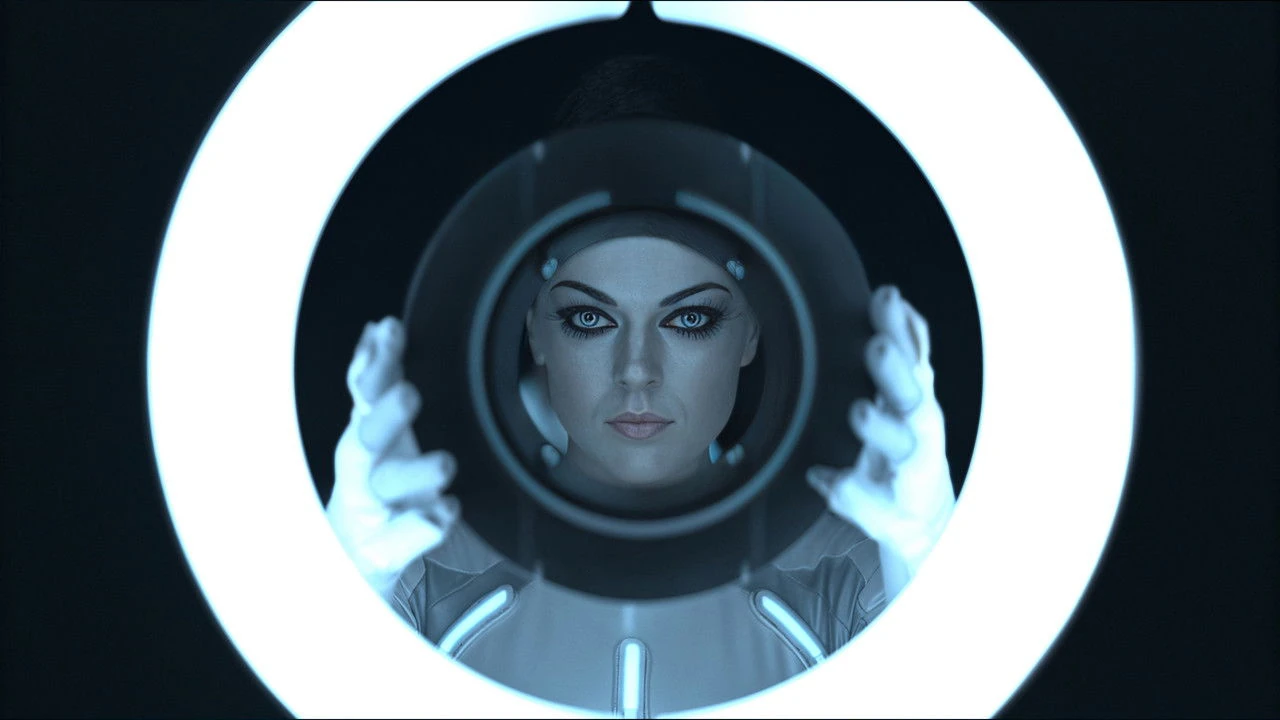 The luminous, futuristic cityscapes of The Grid, a testament to visual ambition.
Beyond the Program: Identity, Evolution, and Legacy
Despite its narrative stumbles, Tron: Legacy consistently poses profound questions about identity and existence in a digital age. What does it mean to be “alive” in The Grid? The ISOs, particularly Quorra, represent a fascinating philosophical concept: emergent life, self-organizing systems that transcend their programming. They are the unpredictable, beautiful “mistakes” in Clu’s perfect system, embodying the idea that true life is found not in rigid design, but in spontaneous evolution and adaptation. Their very existence challenges the hierarchy between creator and created, suggesting that consciousness can arise independently of intent.
Sam’s journey, too, transcends a simple father-son reunion. It’s a journey into his father’s legacy, grappling with the immense shadow cast by a visionary genius. He doesn’t just find Kevin Flynn; he finds a man burdened by his own creations, haunted by the digital ghosts of his past. The film hints at the blurred lines between digital and physical reality, culminating in Quorra’s ability to cross over into the “real world.” This raises tantalizing metaphysical questions: Is consciousness merely information that can exist in any substrate? Is the digital realm a legitimate extension of our reality, or a dangerous mirror? The film doesn’t fully answer these questions, but it bravely asks them, inviting us to ponder the implications of our increasingly digital existence.
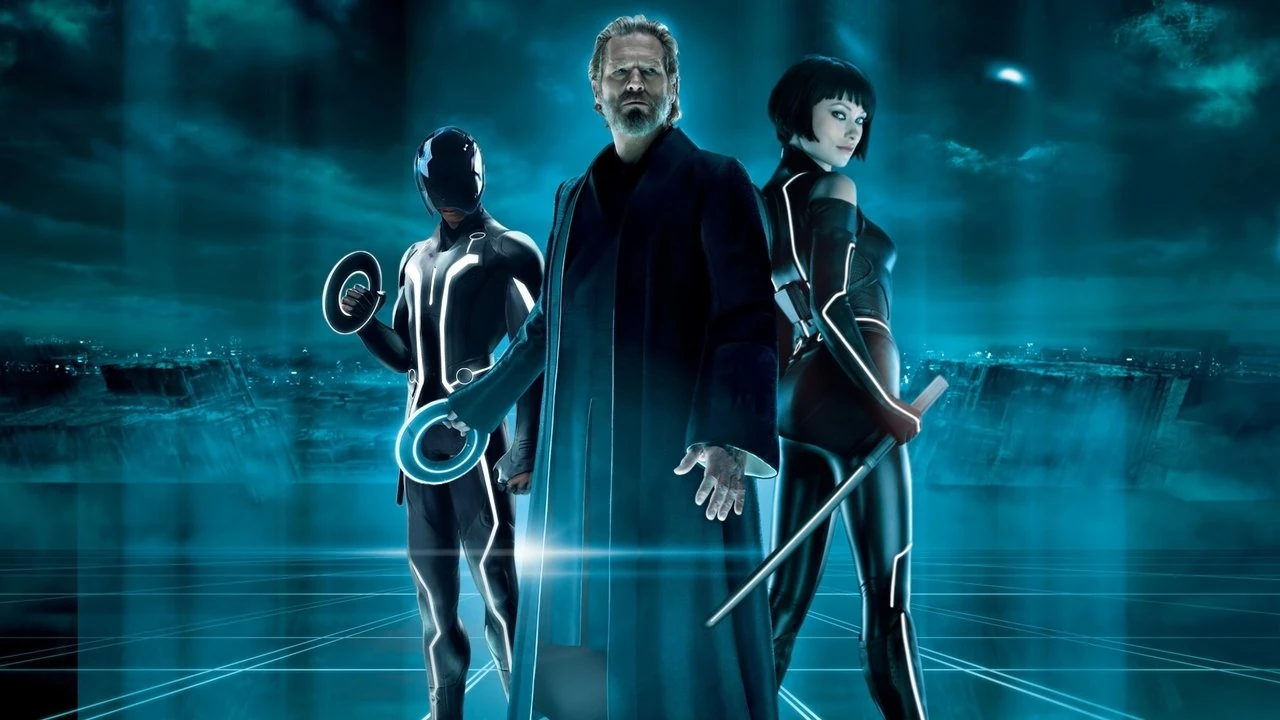 Quorra, an ISO, represents the emergence of life and consciousness within a digital realm.
“Sometimes, the most significant narratives are less about flawless execution and more about the enduring questions they dare to ask, leaving us to wrestle with their implications long after the credits roll.”
Tron: Legacy is undeniably a flawed film. Its script often buckles under the weight of its own ambition, and its characters, at times, feel like mere vessels for its spectacular visuals. But to dismiss it entirely would be to overlook its considerable philosophical heft. It’s a visually stunning, sonically immersive experience that, despite its weaknesses, provides a fertile ground for contemplating the ethical dilemmas of artificial intelligence, the hubris of creation, and the nuanced battle between rigid perfection and the messy beauty of evolution. It reminds us that even in the most meticulously constructed digital worlds, the most compelling stories are often about the deeply human struggle for identity, legacy, and purpose. What, then, does our own digital “Grid” truly perfect, and what emergent truths are we inadvertently creating within it?
Where to Watch
- Disney Plus
What’s Up? explores the philosophical depths of cinema.