The Phoenix Rises from the Ashes of Vengeance: Vikram's Brutal Philosophy of Justice
Lokesh Kanagaraj's Vikram, starring Kamal Haasan, dives deep into a dark world of crime and retribution, forcing us to confront the ethics of vengeance.
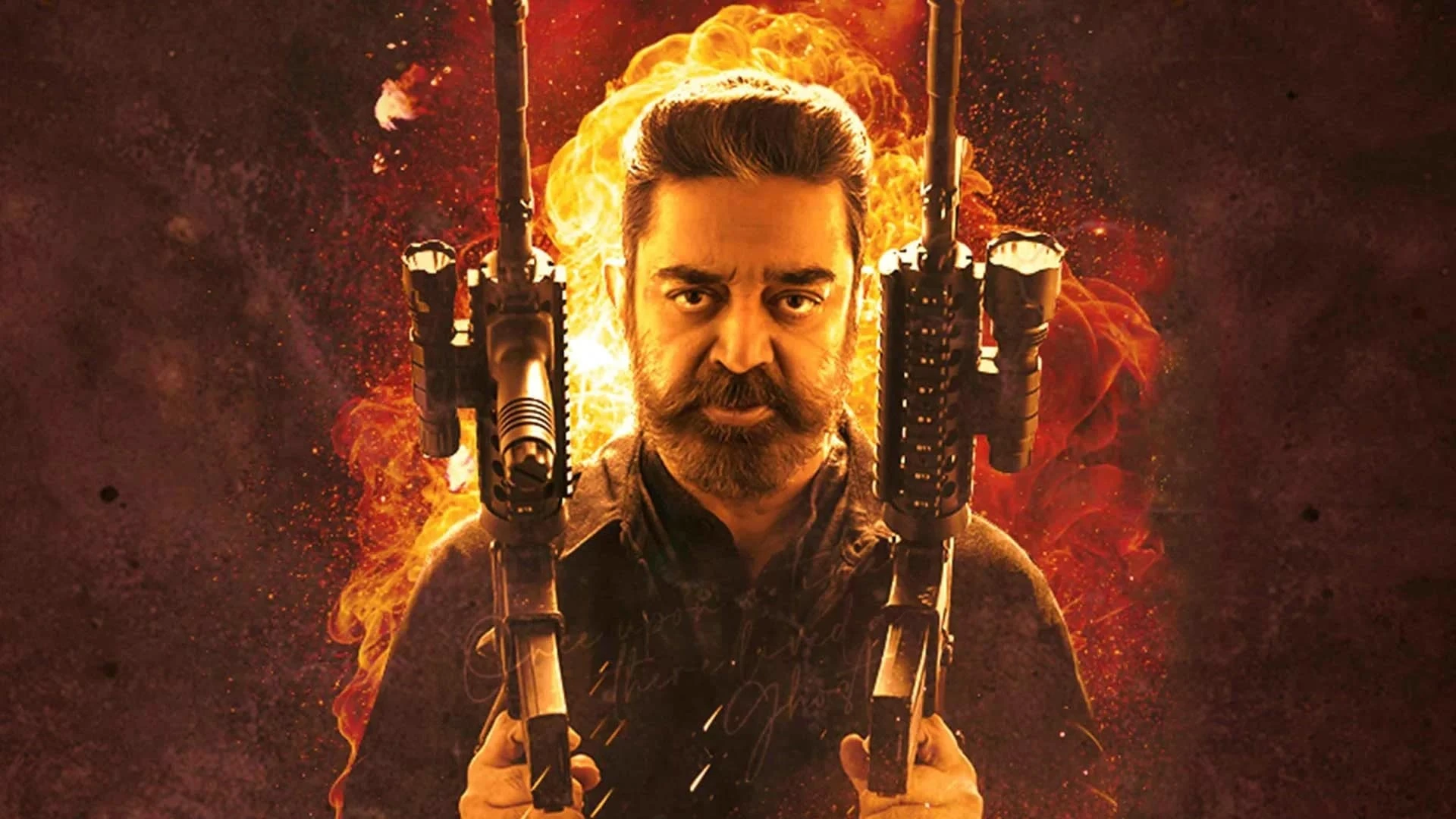
“He who fights with monsters might take care lest he thereby become a monster. And if you gaze long enough into an abyss, the abyss will gaze back into you.” — Friedrich Nietzsche
Lokesh Kanagaraj’s Vikram, released in 2022, isn’t just a high-octane action thriller; it’s a brutal, relentless descent into the abyss of vengeance, power, and the blurred lines between justice and retribution. Starring the legendary Kamal Haasan alongside powerhouse performers Fahadh Faasil and Vijay Sethupathi, this film was a critical and commercial juggernaut, widely lauded by Indian critics and audiences alike for its intense action, tight screenplay, and masterful performances. On IMDb, it boasts an impressive 8.3/10, and its audience score on Rotten Tomatoes sits at a soaring 94%, indicative of its widespread appeal. Yet, beneath the roaring engines and ballistic gunfire, Vikram prods at something far more profound: the existential toll of a life dedicated to fighting evil, and whether that fight inevitably corrupts the soul.
The Cycle of Retribution and the Mask of Identity
At its core, Vikram is a story of a man, Amar (Fahadh Faasil), investigating a series of gruesome serial killings, only to find himself entangled in a much larger, darker narrative orchestrated by a mysterious, seemingly unkillable figure. This figure, initially known as Karnan, eventually reveals himself to be Vikram (Kamal Haasan), a ghost from the past, resurrected not by divine intervention, but by an unyielding thirst for vengeance. The film plunges us into a world where the state apparatus is compromised, leaving individuals to carve out their own brand of justice. It’s a classic vigilante narrative, yes, but Vikram elevates it by focusing on the psychological scarring and the moral compromises required to operate outside the law.
The central philosophical question Vikram poses is: Can one truly achieve justice through vengeance without becoming what they despise? Vikram’s mission is noble—to dismantle a vast drug syndicate and protect his family’s legacy—but his methods are uncompromisingly violent, leaving a trail of bodies in his wake. He operates under multiple identities, blurring the lines of who he truly is. This constant shifting of personas raises questions about authenticity and selfhood. Is Vikram truly the doting grandfather, the retired agent, or the ruthless killer? Or is he all of them, fractured by the demands of his mission? The film suggests that in the face of overwhelming evil, identity becomes a weapon, a shield, and ultimately, a prison.
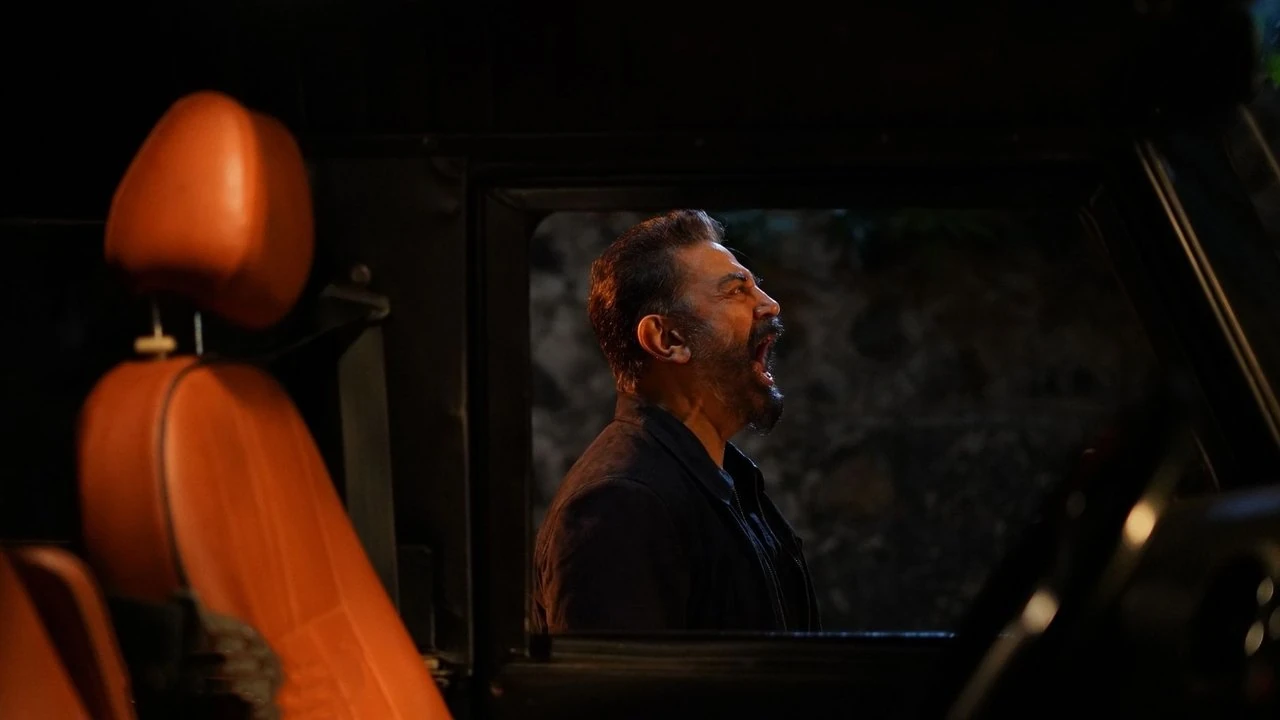 A close-up of a character’s determined, perhaps weary, face reflecting the heavy burden of their mission.
A Symphony of Chaos: What Works and What Lingers
Vikram is a masterclass in controlled chaos. Lokesh Kanagaraj’s direction is precise, blending intricate plotlines with exhilarating action sequences. The performances, particularly Haasan’s magnetic screen presence, Faasil’s nuanced portrayal of a conflicted investigator, and Sethupathi’s terrifying turn as the primary antagonist Sandhanam, are universally praised. Critics consistently highlighted the film’s pacing and relentless intensity as its strongest suits, pulling viewers into its grim world without a moment’s respite. The expanded Lokesh Cinematic Universe (LCU) also received significant appreciation, adding layers of depth and anticipation for future installments.
The true weight of choice in Vikram isn’t just about what you do, but what you become in the process of doing it.
However, even a film as celebrated as Vikram isn’t without its nuanced criticisms. While most viewers were swept up by its momentum, some did note that its nearly three-hour runtime (175 minutes) occasionally led to moments where the pacing could feel uneven, particularly in the second half as multiple subplots converge. A few found the extreme violence to be gratuitous, pushing the boundaries of what’s necessary for storytelling, even in a dark action thriller. And while the ensemble cast was stellar, some felt that certain characters, despite their immense potential, were not fully explored, becoming more plot devices than fully realized individuals. These aren’t damning flaws, but rather minor notes in an otherwise overwhelmingly positive chorus, hinting at the difficult balance between scale, character depth, and narrative propulsion.
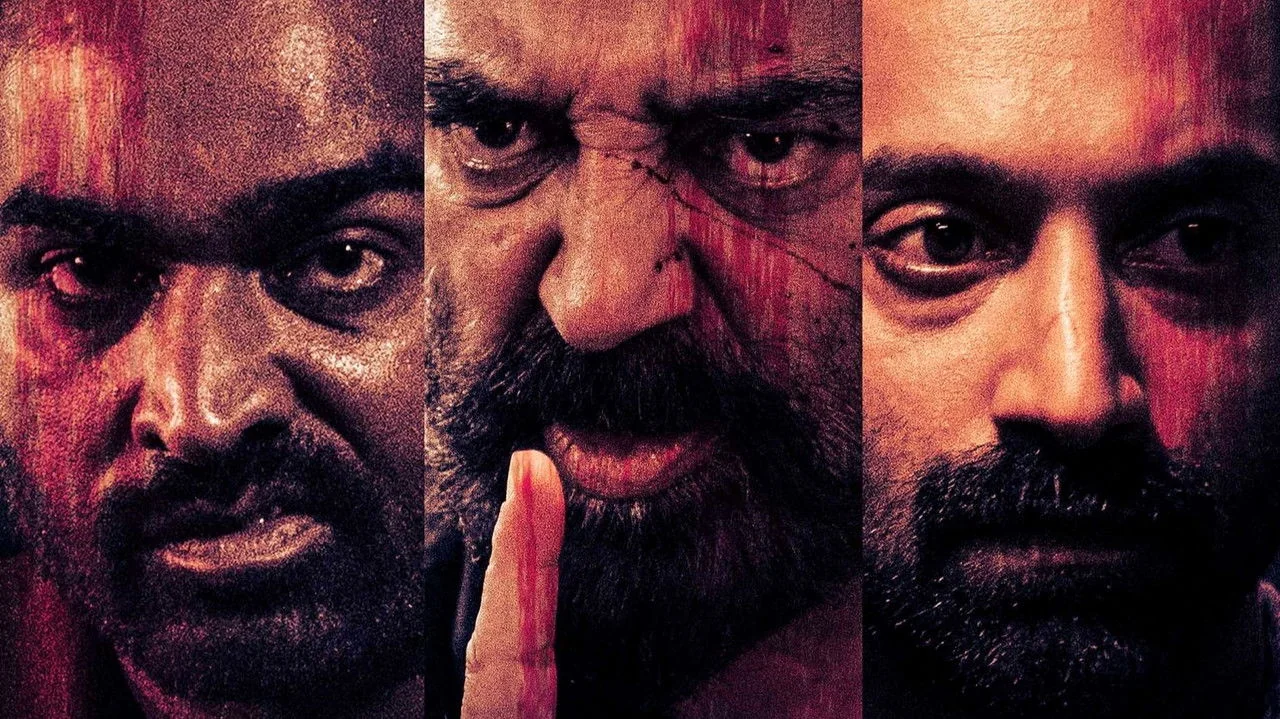 An intense action sequence, perhaps involving a car chase or a shootout, showcasing the film’s high-octane energy.
The Abyss and the Echo of Moral Ambiguity
Despite these minor quibbles, Vikram consistently challenges its audience to confront uncomfortable truths about humanity’s capacity for darkness and the justifications we create for our actions. The film doesn’t offer easy answers. Is Vikram a hero for cleaning up the streets, or is he merely perpetuating the cycle of violence, becoming another cog in the machine of death and destruction? His final actions, while cathartic, leave us with a sense of profound moral ambiguity. He chooses to embrace his monstrous side, not out of malice, but out of a desperate, perhaps misguided, belief that it’s the only way to protect the innocent. This is a truly existential dilemma: to sacrifice one’s own soul for the greater good, or to preserve one’s humanity while the world burns.
The film serves as a grim reflection on the failure of institutions and the subsequent rise of vigilante justice. When the law is corrupt or impotent, what then? Vikram suggests that chaos begets chaos, and that the fight against overwhelming evil often necessitates mirroring that very evil. It forces us to ask: At what point does a protector become an oppressor, and is there truly an escape from the gravitational pull of violence once you’ve entered its orbit?
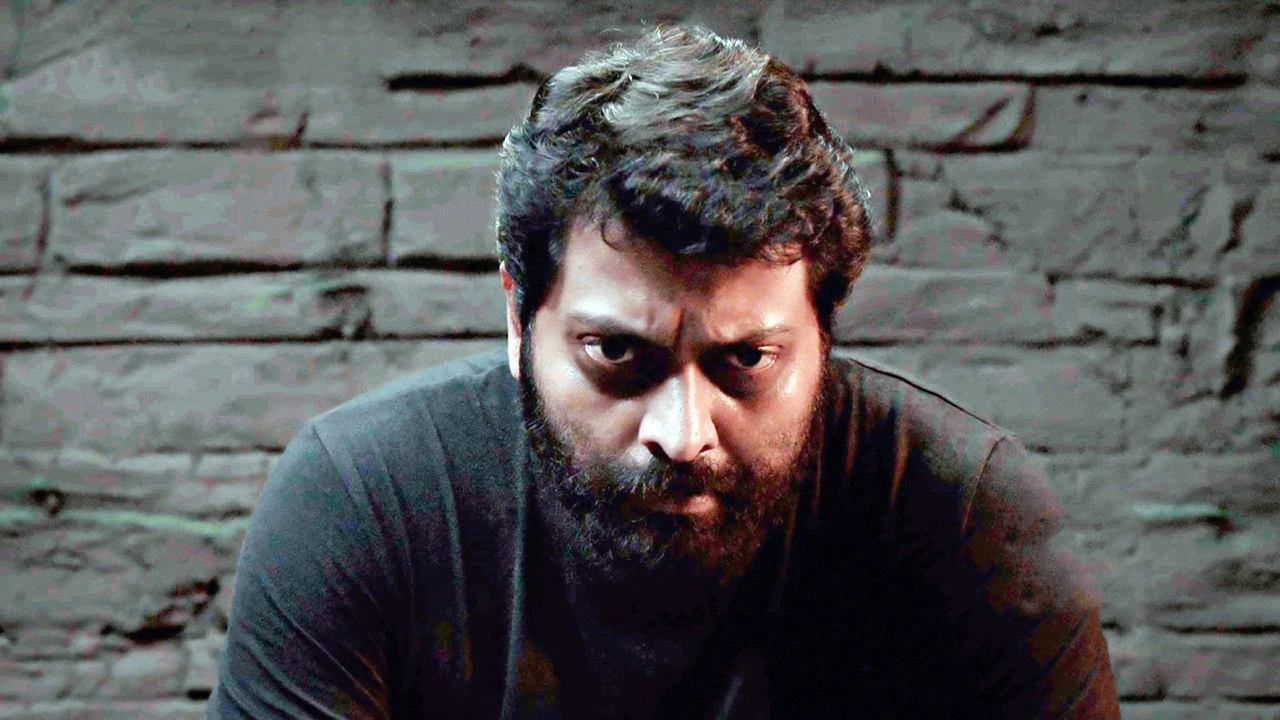 A wide shot of a desolate, perhaps post-conflict, landscape, symbolizing the aftermath of the brutal battle.
“There is no ‘us’ and ‘them.’ There is only ‘us,’ and we’re all caught in this terrible web of our own making.”
Vikram is a visceral, unflinching look at the brutal realities of crime, vengeance, and the blurred lines of morality. Its immense success is a testament to its compelling storytelling and star power, yet its philosophical resonance lies in its refusal to romanticize violence. Instead, it presents a stark, almost nihilistic, view of a world where one must become a monster to fight monsters, leaving us to ponder the true cost of such a victory. It’s a film that demands to be watched, not just for its thrilling action, but for the haunting questions it leaves echoing in its wake.
Where to Watch
- Tentkotta
What’s Up? explores the philosophical depths of cinema.