WandaVision's Grief-Stricken Hex: When Denial Becomes a World
Exploring WandaVision's profound take on grief, reality, and the human cost of denial, despite its debated narrative choices.
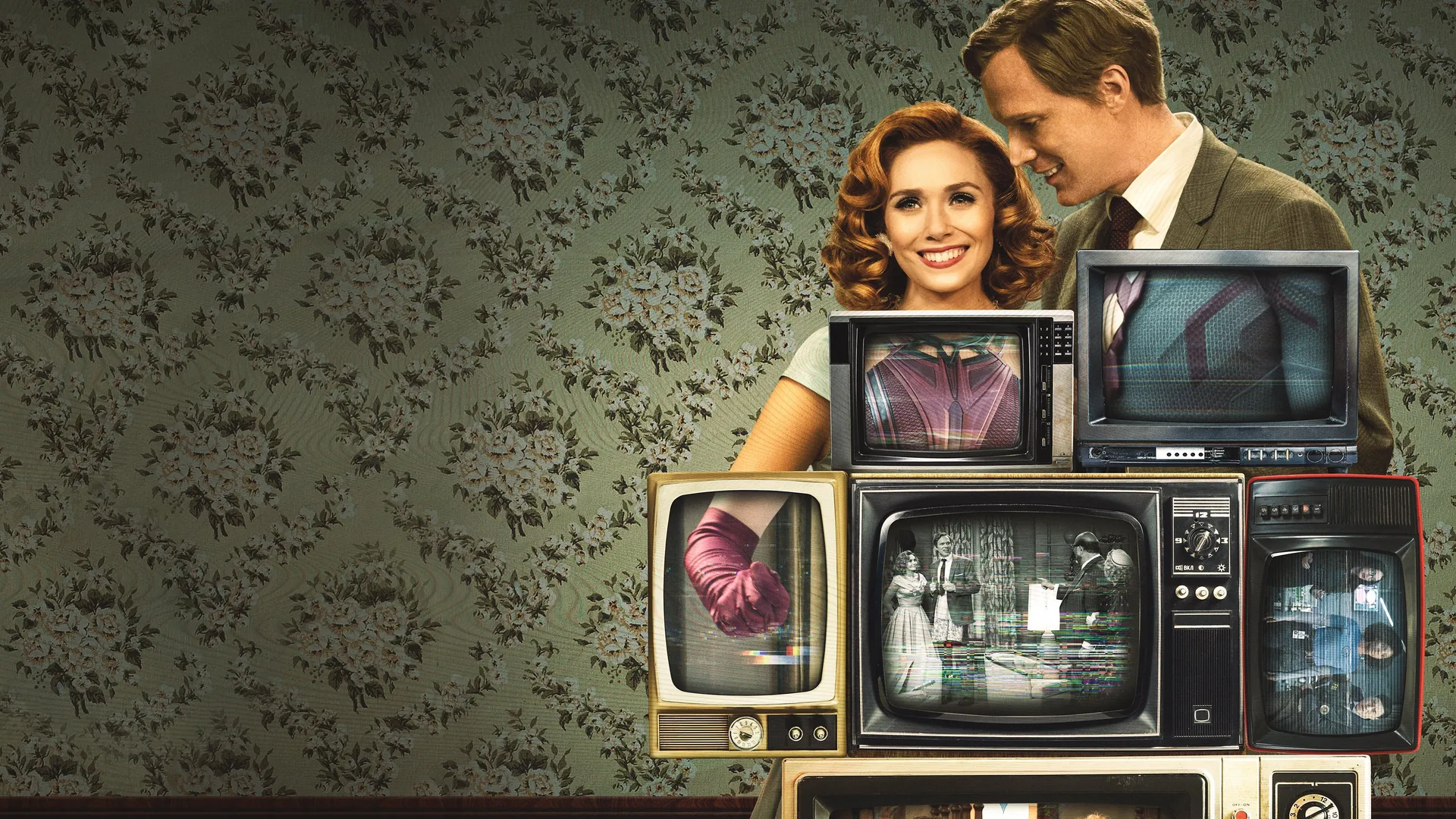
“We are shaped by our thoughts; we become what we think.” — Buddha
When WandaVision first premiered in 2021, it wasn’t just another MCU entry; it was a defiant, genre-bending experiment that dared to ask profound questions wrapped in a nostalgic sitcom aesthetic. On Rotten Tomatoes, it soared with a 91% Certified Fresh rating, critics praising its audacious originality and emotional depth. Yet, like any bold artistic endeavor, it wasn’t universally adored without reservation. Audiences and even some critics wrestled with its pacing, its eventual pivot to more conventional superheroics, and the thorny ethical questions it left lingering. For us at “What’s Up?”, these tensions are precisely where the philosophical gold lies. WandaVision isn’t just a story about superheroes; it’s a raw, sometimes messy, meditation on grief, reality, and the intoxicating, dangerous allure of control.
The Idyllic Cage: Grief as Creation and Curse
At its heart, WandaVision is a deeply personal, almost suffocatingly intimate portrayal of grief. Wanda Maximoff, shattered by the loss of Vision, creates an entire pocket reality – the Hex – to escape her unbearable pain. She doesn’t just retreat; she fabricates an idealized suburban life, moving through decades of American sitcom tropes, starring herself and a resurrected Vision. This isn’t just fantastical escapism; it’s a chillingly potent metaphor for the ways we construct psychological fortresses around our trauma.
The show initially received widespread acclaim for this innovative approach, particularly Elizabeth Olsen’s nuanced performance, which anchored the fantastical premise in genuine sorrow. Critics lauded how it leveraged the MCU’s emotional baggage to explore something far more resonant than typical superhero fare. Philosophically, it forces us to confront the nature of denial. Wanda’s actions represent an extreme form of it, an attempt to literally rewrite her past and present to avoid confronting her future. But what are the implications when this denial isn’t just internal but externalized, impacting an entire town of unsuspecting residents? The series brilliantly, if unsettlingly, illustrates how unchecked personal suffering can metastasize into collective trauma, blurring the lines between victim and perpetrator.
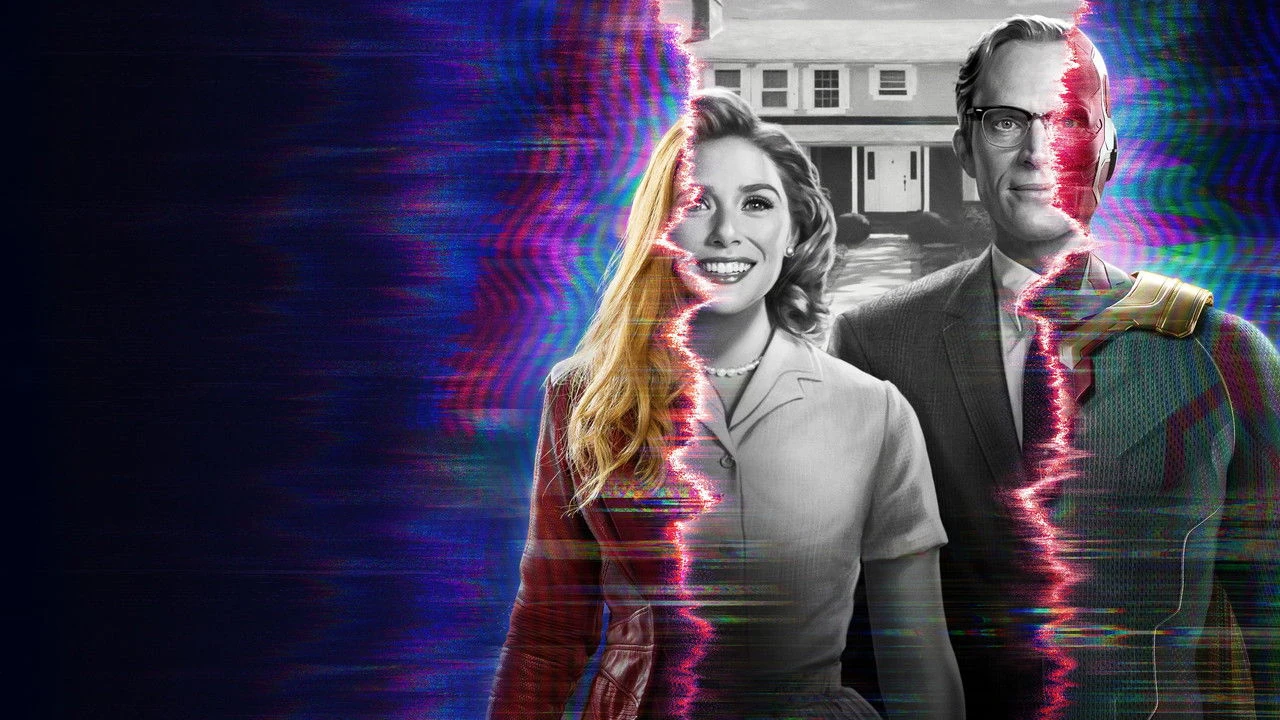 Wanda and Vision in their retro sitcom guise, a facade of domestic bliss built on a foundation of profound sorrow.
Cracks in the Facade: Reception and Reality’s Inevitable Return
While its initial episodes captivated with their mystery and stylistic shifts, WandaVision’s reception grew more complex as it unfolded. Critics, while largely positive, and audiences, were often divided on its trajectory. Many found the meticulous sitcom homages of the early episodes to be a masterclass in tension and character development, praising Kathryn Hahn’s scene-stealing performance as Agatha Harkness. However, as the veil began to lift, some common criticisms emerged that speak directly to the show’s philosophical struggles with its own premise.
The greatest illusion is to believe that you can control reality without acknowledging its inherent chaos.
A recurring complaint, particularly from audience reviews on IMDb and Reddit, was the pacing. Some felt the middle episodes, while visually inventive, lingered too long in the sitcom pastiches, delaying the central mystery’s resolution. More significantly, the much-anticipated finale drew a mixed response. After episodes of psychological depth and genre subversion, many viewers felt the show ultimately succumbed to a more conventional “Marvel ending” – a large-scale CGI battle and a somewhat neat villain defeat that felt at odds with the introspective journey. This left some feeling that the philosophical ambition was somewhat diluted by franchise obligations. The reveal of Agatha’s motives and the fate of the “real” Vision sparked debates; was Wanda truly held accountable, or was her immense power given a pass? These criticisms, while valid, ironically mirror the show’s core theme: the difficulty of maintaining a perfect illusion when reality, with its complex moral ambiguities and conventional expectations, inevitably breaks through.
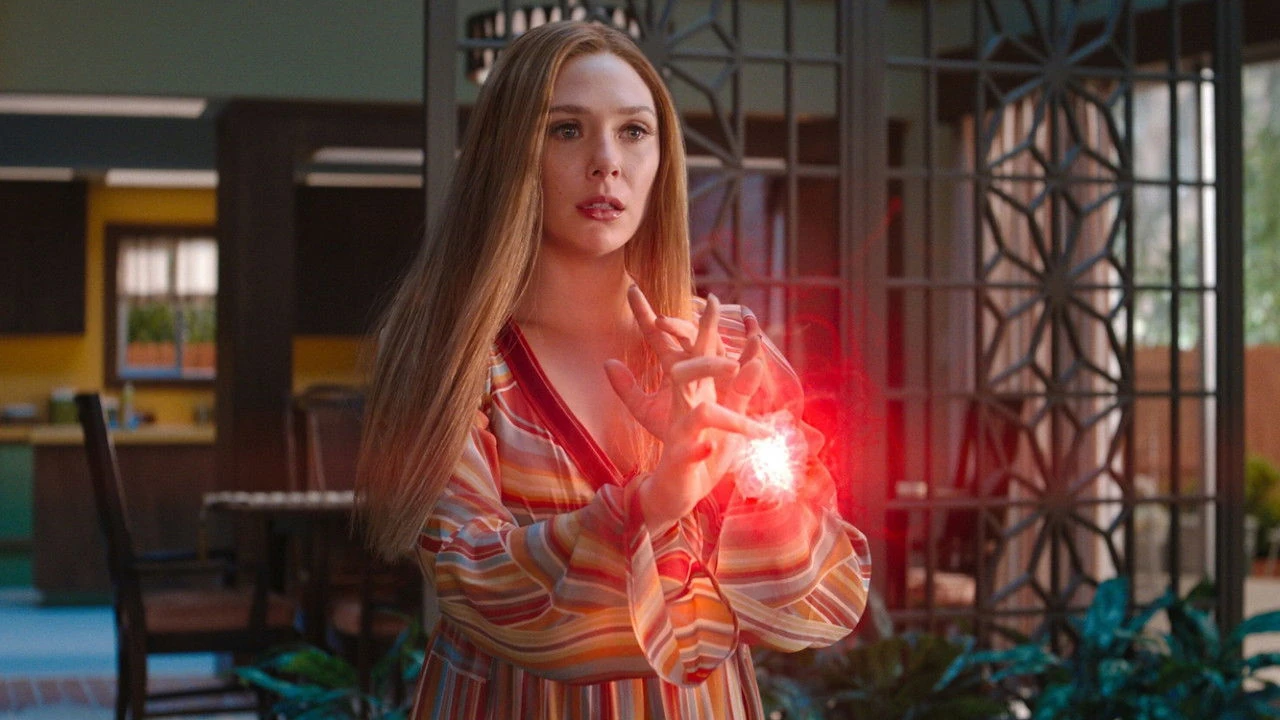 The unsettling glitch of the Hex, a visual metaphor for the fragile boundary between Wanda’s constructed reality and the truth.
Beyond the Hex: Reconciling Truth and Trauma
Despite the criticisms concerning its landing, WandaVision’s exploration of deeper existential and ethical questions remains potent. It forces us to ponder the very nature of reality. If Wanda can conjure a world simply by willing it, what does that say about the solidity of our own perceptions? The show plays with the idea of subjective reality, where what is true for one person can be a nightmare for another. The residents of Westview are trapped, forced to play roles in Wanda’s sitcom of sorrow, enduring her grief as their own suffering. This raises uncomfortable questions about empathy, responsibility, and the ethical limits of personal anguish.
Furthermore, Vision’s storyline offers a fascinating take on identity and the “Ship of Theseus” paradox. The Vision Wanda creates is not the “original,” and when a truly resurrected, albino Vision appears, devoid of memories, it sparks a profound dialogue about what constitutes a person. Is it their body, their memories, their love? Can love exist if one party is merely a construct of the other’s grief? The series ultimately suggests that true healing, and true love, requires confronting the truth, no matter how agonizing. It’s about accepting the broken pieces and finding a way to move forward, rather than retreating into a fabricated past.
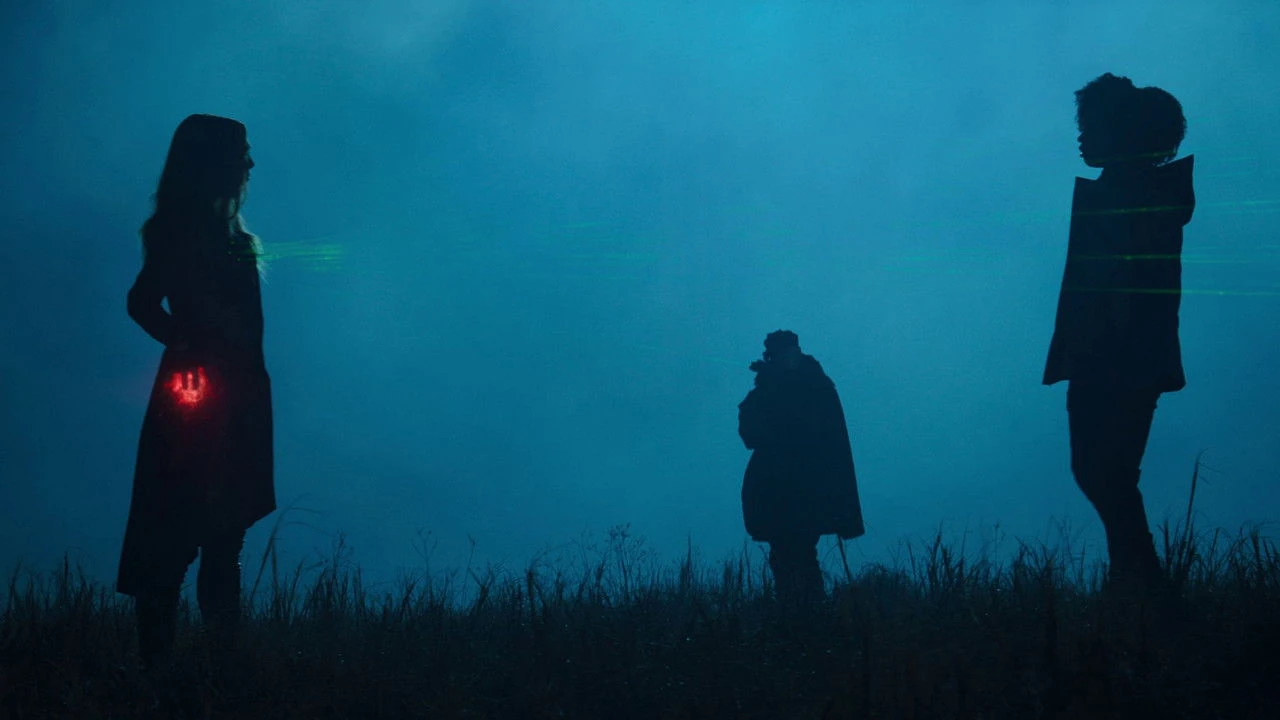 Wanda’s powerful magic glows, a representation of both her immense capability to create and destroy, and the burden of her abilities.
The most dangerous illusion is not that we are powerless, but that we can control the pain of existence by denying its fundamental truths.
Ultimately, WandaVision stands as a groundbreaking, albeit divisive, entry in the superhero canon. It may have stumbled in its final act for some, but its courage to delve into the psychological aftermath of trauma, to play with narrative forms, and to ask difficult questions about reality, control, and the heavy price of grief, ensures its place as a significant work. It’s a poignant reminder that even when we try to create our perfect world, the truth, and the necessity of healing, will always find a way to break through the illusion. What kind of reality do we build for ourselves, and at what cost?
Where to Watch
- Disney Plus
What’s Up? explores the philosophical depths of cinema.