The Unfolding Heart: Navigating Time, Love, and Self in We Live in Time
A philosophical deep dive into the anticipated drama We Live in Time, exploring its potential to dissect love, loss, and the nature of time itself.
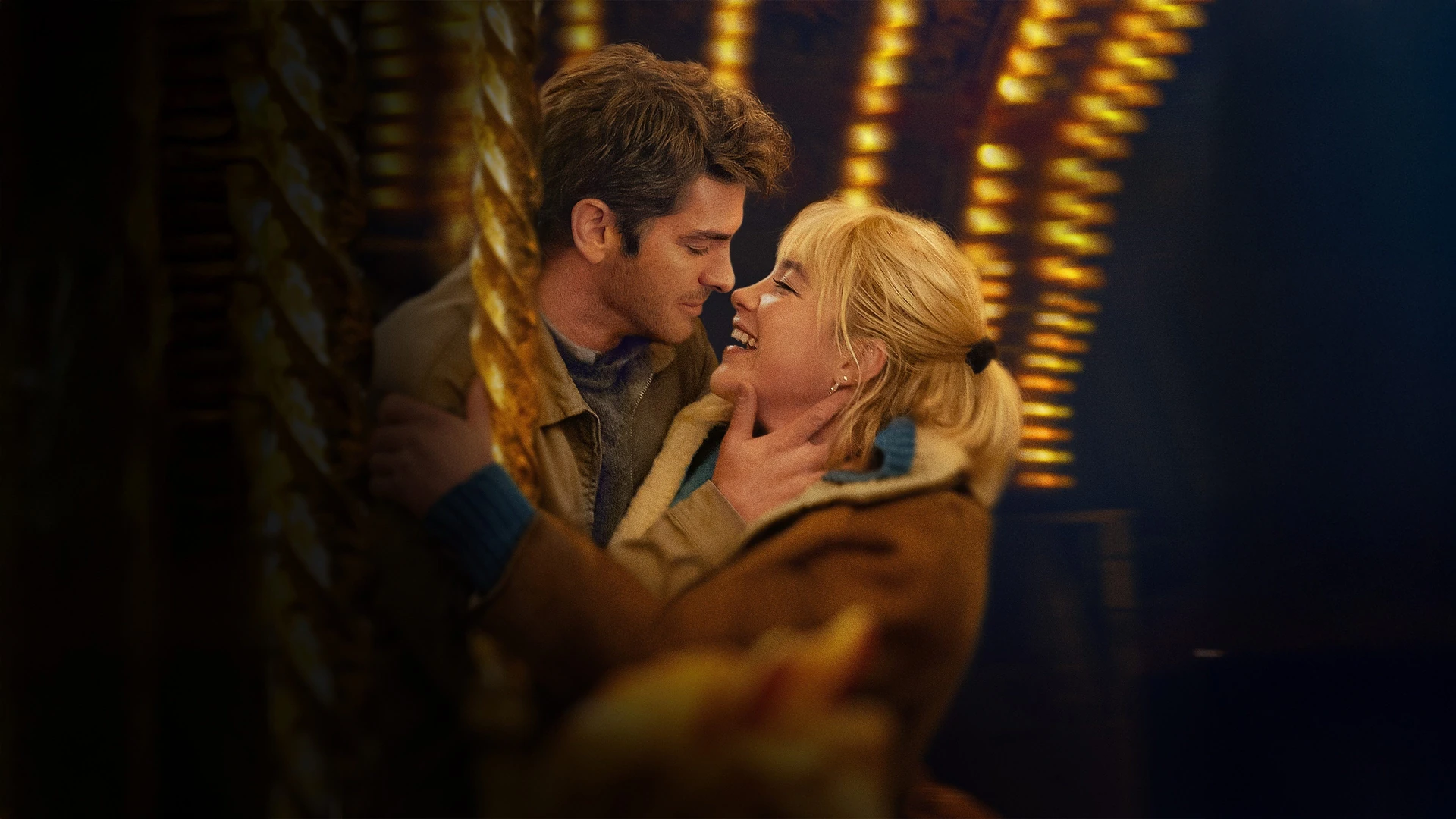
“We are shaped by the spaces we inhabit, and by the people who move through them with us, however briefly, however profoundly.” — Unknown
There’s a quiet hum of anticipation whenever two actors of Andrew Garfield and Florence Pugh’s caliber come together, especially under the direction of someone as thoughtful as John Crowley, known for the achingly beautiful Brooklyn. Their upcoming film, We Live in Time (2024), promises a “decade-spanning, deeply moving romance,” which immediately piques the interest of any self-respecting film philosopher. But let’s be honest, that premise also carries its own inherent challenges. How does one encapsulate a decade of human connection, growth, and inevitable change within 108 minutes without feeling rushed, superficial, or, conversely, overly sentimental? As of its pre-release buzz, the film hasn’t yet faced the gauntlet of critical reviews or audience reactions, leaving us to ponder its potential to soar, or perhaps, to stumble. Yet, even in its unreleased state, the very idea of We Live in Time offers fertile ground for philosophical exploration into the nature of love, self, and the relentless march of time.
The Temporal Tapestry of Love
The plot synopsis for We Live in Time speaks of a “chance encounter” that forever changes an “up-and-coming chef” and a “recent divorcée.” This immediately sets the stage for a meditation on serendipity versus destiny, and how fleeting moments can ripple across years. A “decade-spanning” narrative isn’t just a stylistic choice; it’s a fundamental statement about the process of love. Love isn’t a static monument; it’s a living, breathing entity that evolves, adapts, and sometimes, withers.
Key themes we might anticipate:
- The Ephemeral Nature of Moments — How individual encounters, seemingly insignificant, weave into the grand tapestry of a life shared.
- Identity Through Relation — The way our selves are not fixed, but constantly reshaped by the significant others in our lives. A chef and a divorcée finding each other suggests two individuals at pivotal, perhaps vulnerable, points in their lives, ready to be molded by a new connection.
- The Paradox of Change and Constancy — How can love remain “true” across a decade when both individuals are undeniably different people from who they started as? This touches on the philosophical problem of personal identity over time. Is it the essence of the connection that endures, or merely the memory of it?
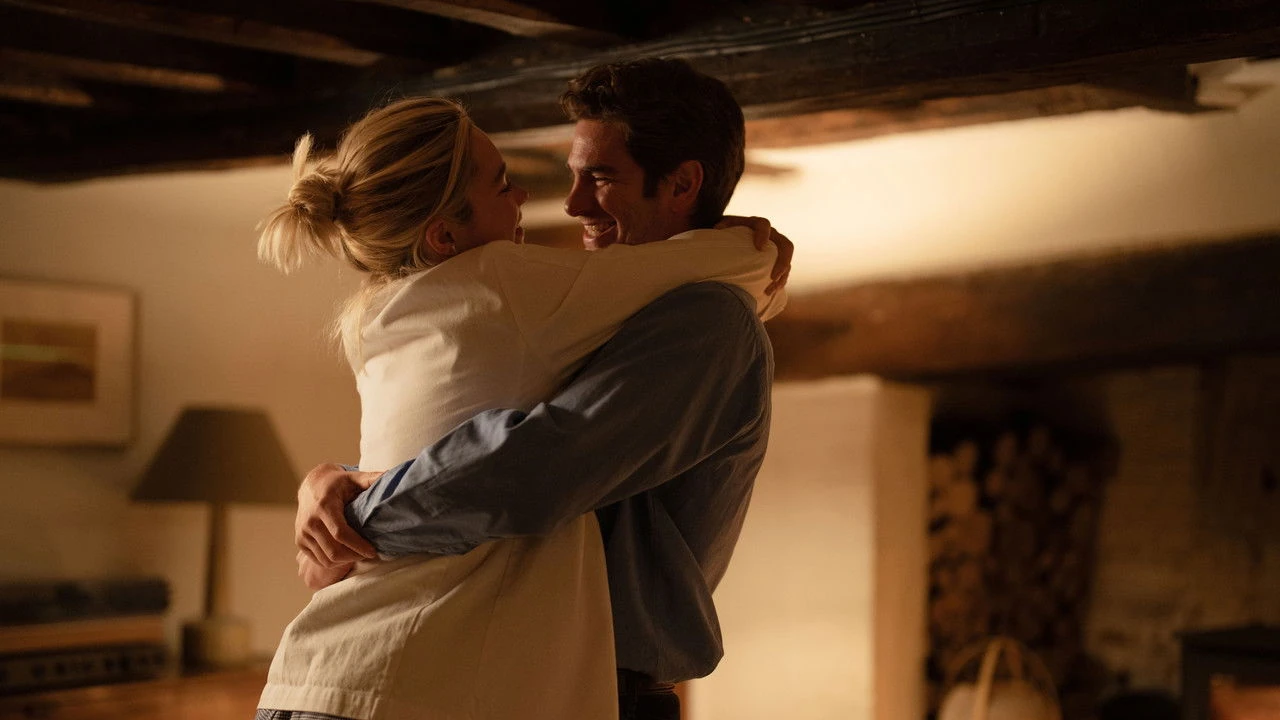 A quiet moment, perhaps at the beginning of their journey, brimming with unspoken potential.
The Art of Sustained Connection: Promise and Peril
The greatest strength of We Live in Time lies in the sheer talent of its lead actors. Andrew Garfield possesses a remarkable capacity for vulnerability and earnestness, while Florence Pugh brings an intensity and raw authenticity to every role. One can easily imagine them breathing complex, nuanced life into characters navigating the highs and lows of a long-term relationship. Crowley’s direction in Brooklyn demonstrated a mastery of subtle emotional storytelling, allowing feelings to unfold organically rather than being forced. This bodes well for a romance that needs to feel earned, not just observed.
The most profound romances aren’t about falling in love, but about the arduous, beautiful, and often painful process of staying in love, or learning why you couldn’t.
However, the “decade-spanning” structure, while philosophically rich, is also the film’s most significant narrative tightrope. This kind of story often struggles with pacing. Will the audience feel every year, or will significant periods feel rushed, reduced to montages that strip away the grit and texture of lived experience? A common criticism leveled at similar films is that they try to cram too much in, sacrificing character development for plot progression. The danger is that the emotional beats, instead of resonating deeply, become merely checkpoints on a timeline. Without a release to judge, we can only speculate that the film might face the challenge of making the passage of time feel organic and impactful, rather than a series of neatly packaged narrative jumps. Will their struggles feel authentic, or will they seem like manufactured plot devices designed to keep the “romance” churning? This is where a truly thoughtful director makes the difference—in crafting the unseen moments, the everyday realities that make a decade-long bond believable.
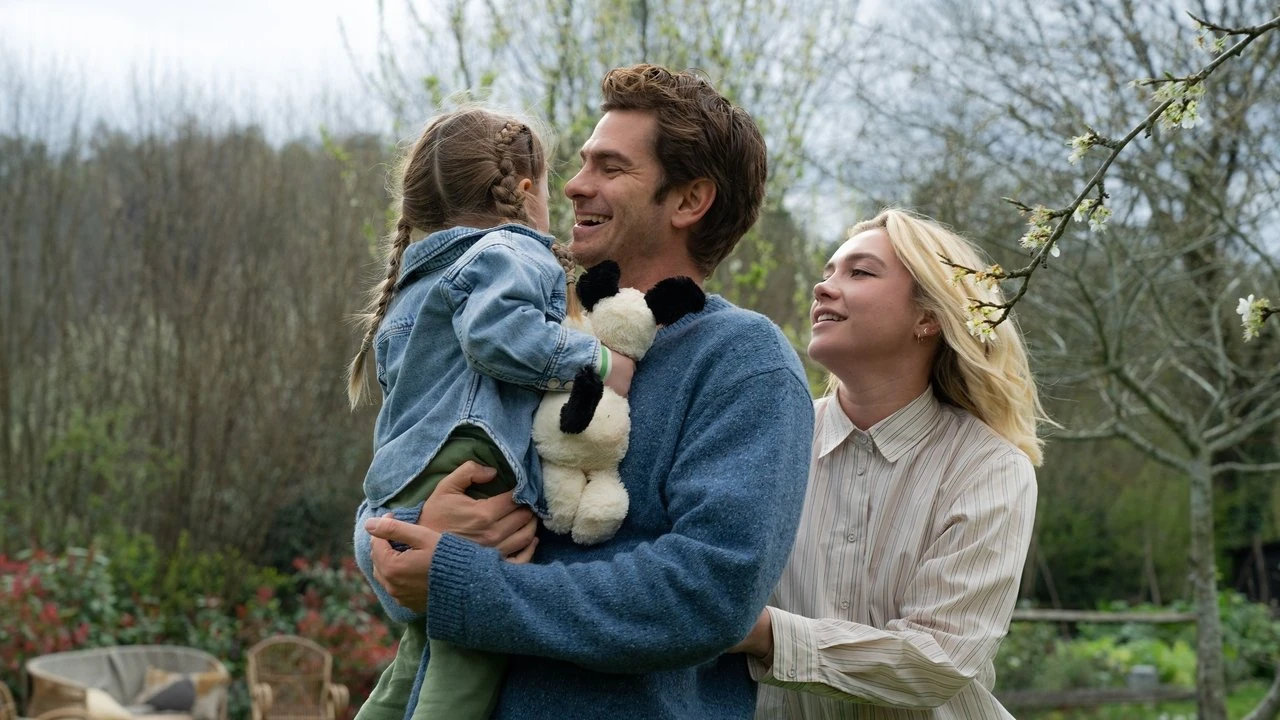 A shared glance, suggesting deep understanding and the quiet weight of time spent together.
Beyond the Surface: Love as an Existential Mirror
If We Live in Time truly lives up to its philosophical potential, it won’t just tell a love story; it will use the relationship between its protagonists as a mirror to explore deeper existential questions. What does it mean to commit to another person in a world constantly in flux? How do we reconcile the desire for permanence with the undeniable reality of change, decay, and loss? The phrase “We Live in Time” itself is a profound statement. It’s not “We Love in Time,” but “We Live in Time,” suggesting that time isn’t merely a backdrop, but an active participant, a force that shapes and defines our very existence, and by extension, our relationships.
This film could delve into:
- The Philosophy of Memory: How do couples construct a shared history? What happens when those memories diverge or become reinterpreted over time?
- The Nature of Sacrifice: What concessions do individuals make for a relationship, and at what cost to their personal ambitions or former selves?
- The Acceptance of Impermanence: Love, like life, is not static. A truly profound romance acknowledges its own mortality, its own evolution, and perhaps, its eventual dissolution or transformation into something new.
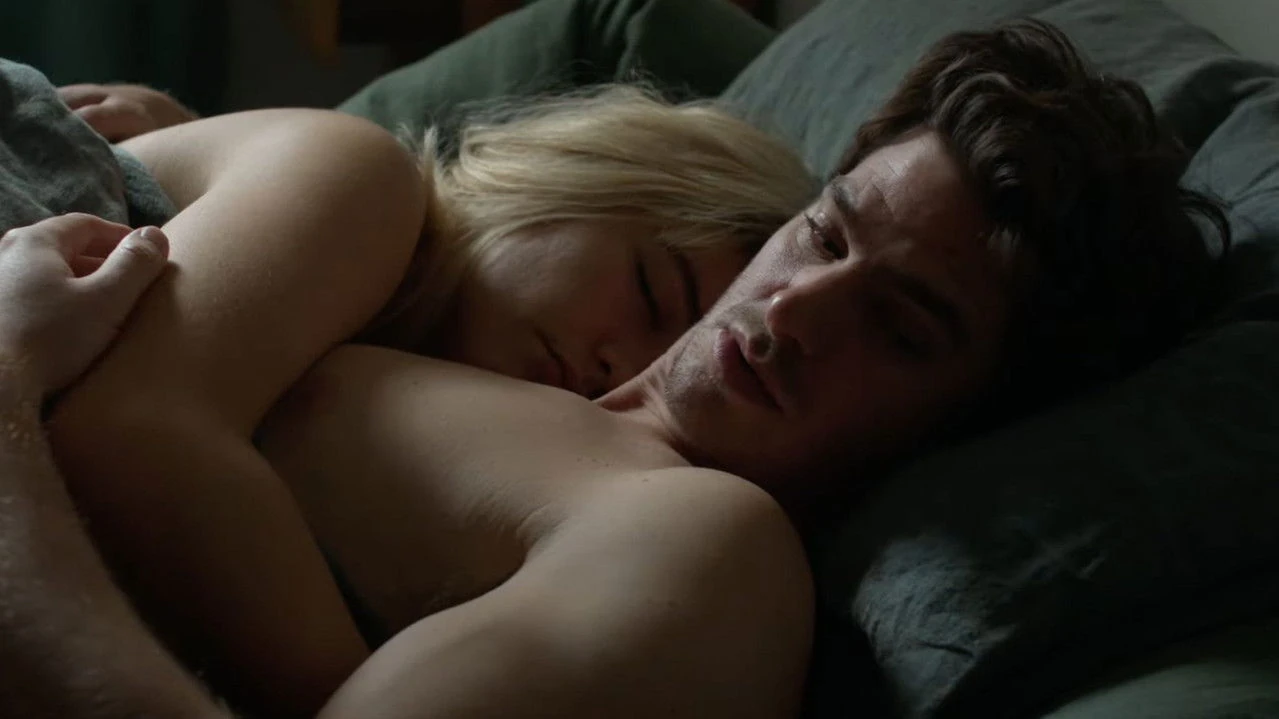 Two figures, perhaps in different stages of their lives, connected by an invisible thread of shared experience.
The grand narratives of love often simplify the messy, beautiful reality of two souls navigating a temporal existence, constantly becoming and unbecoming.
Ultimately, We Live in Time carries the immense promise of a deeply human story, one that could unpack the intricate dance between two individuals against the relentless backdrop of passing years. While the inherent structural challenges of a “decade-spanning romance” might lead to criticisms of uneven pacing or narrative shortcuts, the potential for profound philosophical insight remains. A film of this scope, led by such compelling talent, even if imperfect, compels us to reflect on our own relationships with time, with change, and with the people who etch themselves into the very fabric of our being. It asks us to consider: What truly endures when everything else shifts?
Where to Watch
- HBO Max
- HBO Max Amazon Channel
- Cinemax Amazon Channel
- Cinemax Apple TV Channel
What’s Up? explores the philosophical depths of cinema.