The Architecture of Being: Untangling Time, Truth, and the Unfolding Self
A profound journey through 24 films, exploring the intricate dance between time, identity, and the elusive nature of reality in a week of cinematic introspection.
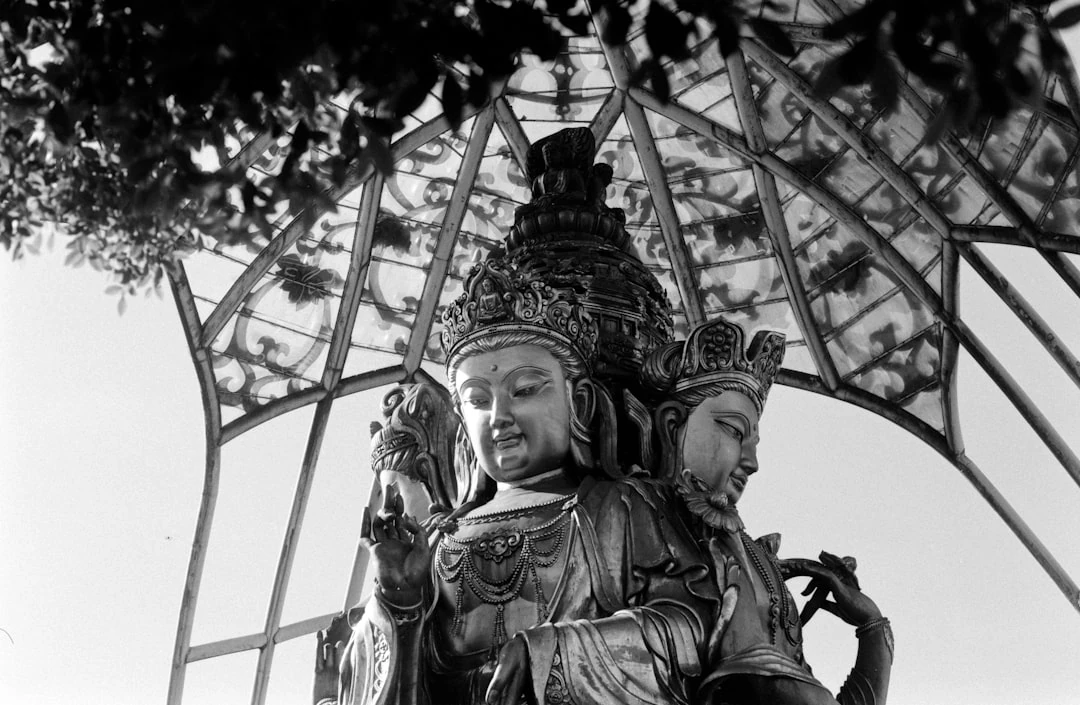
“We are condemned to be free.” — Jean-Paul Sartre
This week, the silver screen became a vast philosophical laboratory, inviting us to peer into the intricate mechanisms of existence itself. We ventured beyond mere storytelling, delving into the very fabric of time, truth, and the self, exploring the profound tension between what is given and what is chosen, what is real and what is perceived. It was a journey into the architecture of being, where narratives were not just observed but experienced as blueprints for understanding our own precarious place in the cosmos.
Across 24 diverse cinematic expeditions, a singular, powerful question reverberated: How much agency do we truly possess within the swirling currents of fate, history, and our own minds? Each film, each series, acted as a mirror, reflecting different facets of this eternal human dilemma, challenging our assumptions about causality, identity, and the very nature of reality. We found ourselves grappling with temporal paradoxes, the weight of inherited legacies, and the construction of self in a world increasingly defined by fluid boundaries.
From the dizzying temporal inversions of Christopher Nolan to the intimate battles for identity in a vast galaxy, this week’s offerings formed a complex dialogue. They spoke of the unseen forces that shape our lives, the personal narratives we craft to make sense of chaos, and the inescapable pull of both past and potential futures. Together, they painted a vivid portrait of humanity’s ceaseless quest to understand, control, and ultimately, find meaning within the grand, often bewildering, spectacle of existence.
This week, we embarked on a cinematic odyssey through 24 remarkable works, each offering a unique lens through which to view the nature of our reality. From the mind-bending loops of Tenet to the foundational myths of The Acolyte, a pattern emerged—a philosophical tapestry woven with threads of temporal fluidity, ontological uncertainty, and ultimately, the existential imperative of self-creation.
The Philosophical Thread
The central philosophical current that ran through our analyses this week was the relentless exploration of agency versus determinism within a universe whose very structure, particularly its temporal dimension, seems constantly in flux. Many narratives challenged the linear perception of time, suggesting a more cyclical, layered, or even inverted reality where past, present, and future are not discrete points but interwoven elements of a greater, unfolding design. This temporal plasticity directly impacts the ontological status of characters, forcing them to question their identity, their choices, and their very existence within a mutable framework.
“Every moment is a ‘now’ in which we must be present, and yet we are forever haunted by the echoes of what was and the shadows of what might be.” — Henri Bergson
Consider Tenet, which doesn’t just play with time but inverts its causality, demanding characters operate with a backwards understanding of consequence, forcing them to contend with a form of pre-determinism even as they act. Similarly, Edge of Tomorrow traps its protagonist in a temporal loop, where repeated deaths are not ends but opportunities for re-authorship of destiny, highlighting the iterative process of learning and adaptation against an unyielding fate. 1899 plunged us into a meticulously constructed, multi-layered reality, blurring the lines between waking life and simulation, raising profound questions about the authenticity of experience and the fragility of perceived truth. These films, among others, dared to ask: If time is not fixed, if reality can be manipulated, then what becomes of the stable self, and where does genuine freedom reside? The consistent answer seemed to be that identity is not a static state but a continuous act of becoming, perpetually negotiated within the constraints and possibilities of our perceived reality.
The Journey Through Cinema
This week’s journey through cinema was less a linear path and more a spiraling descent into the core questions of existence, each film a unique chamber in the labyrinth of being. We observed characters grappling with their place in grand narratives, fighting against predetermined outcomes, or simply trying to understand the nature of their own subjective experience.
Tenet: A masterclass in temporal philosophy, forcing us to confront the terrifying implications of inverted causality and the delicate balance between fate and free will. It’s a ballet of consequences, where every action echoes both forwards and backwards in time.
The Mandalorian: Explores the profound meaning of a code, a creed, and how identity is forged not just by birthright, but by adherence to principles and the responsibilities taken on, even for an adopted child.
The Mitchells vs. the Machines: A vibrant, hilarious meditation on what it means to be human in an increasingly technological world, celebrating quirky individuality and the power of genuine, messy human connection against artificial perfection.
Invincible: A brutal examination of legacy, expectation, and the daunting task of defining oneself when inheriting immense power and a complicated, often violent, family history.
Caddo Lake: Delved into the chilling depths of memory, hidden truths, and the unsettling way past events can ripple through generations, demanding to be unearthed and understood, or else they consume the present.
What If…?: Offered a tantalizing glimpse into the multiverse, forcing us to ponder the infinite possibilities stemming from a single choice, and how even minor deviations can dramatically reshape destinies and identities.
Joker: Folie à Deux: Explores the terrifying malleability of reality through the lens of mental illness, questioning how much of our perceived world is truly objective and how much is a shared, or even imposed, delusion.
The Continental: A deep dive into the origin of a legend, exploring how systems of power, loyalty, and betrayal forge individuals within a strict, unforgiving code, shaping their very identity through violence and consequence.
Teri Baaton Mein Aisa Uljha Jiya: A charming yet thought-provoking look at the boundaries between human emotion and artificial intelligence, asking if love can truly blossom across the chasm of synthetic being and genuine feeling.
MobLand: A visceral narrative on the cycles of violence and poverty, exploring how environment and circumstance can trap individuals in predetermined roles, challenging their capacity for genuine agency and escape.
Edge of Tomorrow: A compelling exploration of iterative learning and the relentless pursuit of altering a predetermined outcome, where repeated failure is the crucible in which true heroism and self-mastery are forged.
The Fall: A visually stunning exploration of the power of storytelling, blurring the lines between the teller and the tale, and showing how narratives can become potent, dangerous realities that shape perception and even destiny.
Zodiac: A haunting, obsessive quest for truth that ultimately reveals the elusiveness of definitive answers, illustrating how the search itself can consume and redefine the seeker, turning objective reality into subjective obsession.
Monarch: Legacy of Monsters: Explored the generational impact of hidden truths and massive, awe-inspiring forces, revealing how the choices of ancestors echo through time, shaping the lives and identities of their descendants.
Solo: A Star Wars Story: Provided an origin story that, rather than being purely deterministic, highlighted the pivotal choices and chance encounters that coalesce to form a legendary figure, emphasizing the fluidity of identity in the face of destiny.
Farzi: A thrilling commentary on the nature of authenticity and forgery in a world obsessed with value, exploring how identity can be crafted, stolen, and weaponized, challenging the very notion of original truth.
Zack Snyder’s Justice League: A re-visioning that itself became an act of authorial agency, demonstrating how narratives can be reclaimed and reshaped, offering a different truth and a renewed sense of purpose to its characters and audience alike.
The Signal: Plunged us into a world where reality itself seems to be unraveling, driven by an unseen, malevolent force, questioning the stability of our perceptions and the thin veneer of order.
Bugonia: A poignant reflection on humanity’s impact on the natural world and the perception of threats, asking if our anxieties about the future are born of genuine danger or a distorted understanding of our place in the ecosystem.
1899: A masterful exercise in ontological uncertainty, where memory, identity, and the very fabric of reality are revealed to be constructs, challenging both characters and audience to discern truth within a meticulously designed illusion.
7aum Arivu: Explored the fascinating concept of genetic memory and ancestral knowledge, suggesting that the past isn’t merely history but an active force embedded within our very being, influencing our potential and identity.
Amazing Stories: Offered a series of vignettes that celebrated the extraordinary hidden within the mundane, reminding us that reality is vast and full of wonder, and that our perception often limits the true scope of possibility.
Shang-Chi and the Legend of the Ten Rings: A powerful narrative about confronting inherited trauma and destiny, finding one’s own path by reconciling with a complicated legacy, and forging an identity that transcends ancestral expectations.
The Acolyte: Began to unravel the origins of conflict and power dynamics in a familiar universe, exploring how choices made in the shadows of history ripple outwards, shaping the destinies of entire civilizations and the identities of those caught within.
“Cinema is truth at 24 frames per second, and every frame, like every moment, is a confrontation with what it means to be.” — Jean-Luc Godard
Each work added its voice to a growing chorus, building toward a profound realization about the fluidity of being and the relativity of perception.
Deeper Waters: The Human Condition
This week’s cinematic journey plunged us into the deeper waters of the human condition, where the dazzling displays of temporal acrobatics and reality-bending plots served as profound metaphors for our own internal struggles. The recurring motif of agency within a fated existence isn’t merely a plot device; it’s the very bedrock of existential angst. We are, as Sartre famously declared, condemned to be free, yet many of these narratives, from Tenet’s inverted causality to Edge of Tomorrow’s loops, posit scenarios where choices feel simultaneously vital and predetermined. This paradox forces us to confront the uncomfortable truth that our freedom might be less about changing the ultimate outcome and more about how we choose to navigate the inevitable.
“Man is condemned to be free; because once thrown into the world, he is responsible for everything he does.” — Jean-Paul Sartre
The films explored the burden of knowledge—the obsessive search for answers in Zodiac, the unsettling revelations of Caddo Lake, or the complex, often disturbing, truths uncovered in Monarch: Legacy of Monsters. This quest for truth often reveals not clarity, but further layers of ambiguity, demonstrating how our subjective filters shape the very “reality” we construct. Joker: Folie à Deux served as a stark, unsettling reminder that reality can be a deeply personal, often fractured, experience, where shared consensus is but a fragile agreement. The tension between the individual’s subjective truth and a purportedly objective reality became a central battleground, leading to characters who either embrace their unique perception, like Arthur Fleck, or are tormented by the elusive nature of external facts.
Furthermore, these stories underscored the interconnectedness of identity and narrative. Whether it’s The Mandalorian finding his identity in a creed, Shang-Chi grappling with a familial legacy, or 1899’s characters discovering their lives are part of a larger, controlled story, the self is rarely presented as an isolated entity. Instead, it is a dynamic construct, perpetually influenced by inherited histories, societal expectations, and the stories we tell ourselves (and are told about us). The very act of watching these films, of engaging with their complex temporalities and shifting realities, mirrors our own human endeavor to impose order on chaos, to find meaning in the unfolding narrative of our lives, even when that narrative seems to defy logic or personal control.
The Synthesis
As the week’s cinematic journey concludes, a profound synthesis emerges: reality is not a fixed construct, but a dynamic, often subjective, narrative, perpetually shaped by time, perception, and the choices we make within its confines. These 24 works, in their dazzling diversity, collectively assert that our understanding of existence is less about uncovering immutable truths and more about the ongoing process of meaning-making. Whether we are inverting causality, battling AI, or unraveling family secrets, the core human endeavor remains the same: to find, or create, a coherent self within an often-incoherent world.
The ultimate truth revealed is that our greatest power lies not in controlling external events, but in our internal response to them, in the narratives we choose to embody and project. The films challenged us to look beyond superficial appearances, beyond linear time, and beyond singular identities, suggesting that existence is a multi-layered tapestry where every thread—every choice, every memory, every inherited legacy—contributes to the intricate, ever-evolving design. It’s a call to embrace the fluidity of being, to question the boundaries of what we perceive as real, and to acknowledge that our personal narratives are powerful tools in shaping our very reality.
“Become what you are.” — Friedrich Nietzsche
This synthesis isn’t an arrival at a definitive answer, but an invitation to perpetually engage with the questions. It’s an affirmation that the act of living is, in essence, an act of storytelling, where we are both the authors and the protagonists, navigating a reality whose rules are often only apparent in retrospect, or through the radical lens of art.
What patterns do you notice emerging in your own life’s narrative? How do these 24 stories mirror your journey through temporal ambiguity and identity formation? Which film resonated most deeply with your current existential state, challenging your perception of reality or the scope of your own agency?
“Every story is a journey, and every journey is a transformation of the self, if only we dare to look into the mirror it holds.” — Unknown