The Labyrinth of Becoming: Navigating Self, Choice, and Consequence in Cinema's Grand Design
This week, we journey through 20 films exploring identity, agency, and the profound sculpting of self amidst life's choices and their indelible echoes.
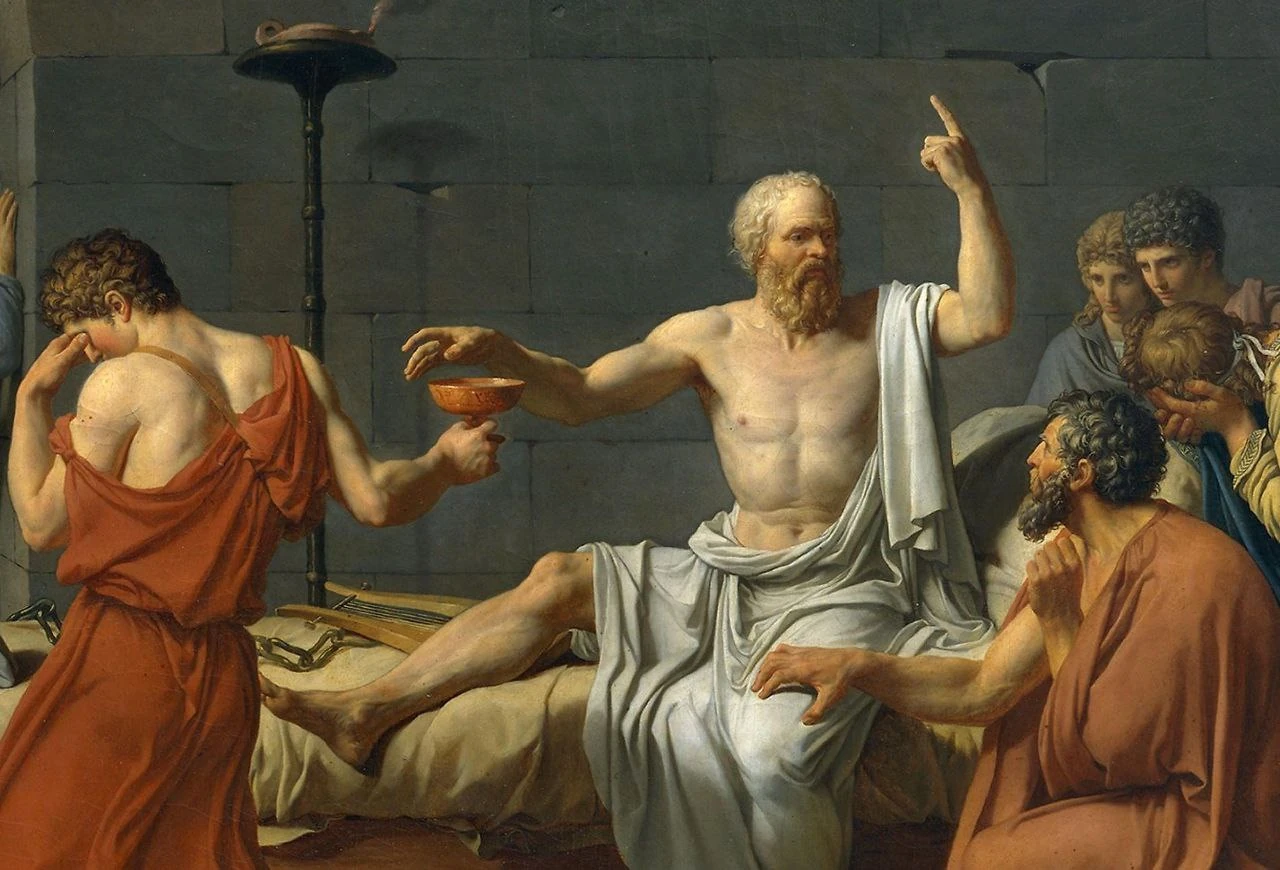
“Man is condemned to be free; because once thrown into the world, he is responsible for everything he does.” — Jean-Paul Sartre
This week, “What’s Up?” plunged into the very crucible of existence, exploring the intricate dance between agency and destiny, the indelible mark of consequence, and the ceaseless, often agonizing, process of becoming. Our cinematic journey wasn’t merely a passive viewing; it was an active interrogation of the human spirit, a deep dive into the choices that define us and the echoes they leave across time and self. We grappled with the weight of decisions, the burdens of legacy, and the relentless quest for an authentic self in a world brimming with predetermined paths and unexpected turns.
The philosophical currents running through this week’s offerings were as diverse as they were profound. From the shattering impact of a singular event to the quiet rebellion against an imposed identity, each narrative served as a potent philosophical thought experiment. We witnessed characters striving to forge meaning, reclaim their narratives, or simply survive the aftermath of choices, both their own and those of others. It’s in these struggles that cinema mirrors our own existential predicaments, reflecting the universal human condition back to us with stark clarity.
Across twenty remarkable works, a pervasive theme emerged: the sculpting of self. Whether through trauma, ambition, duty, or an unexpected awakening, every protagonist found themselves at a crossroads, their very being reshaped by the currents of their world. This synthesis aims to weave these disparate threads into a singular, cohesive narrative, revealing how each film contributes to a grander dialogue on what it means to truly be, to choose, and to bear the weight of what follows.
The Philosophical Thread: The Architecture of Self
Our week-long exploration revealed that identity is not a static construct but a dynamic, ever-evolving architecture, built brick by brick from moments of choice and the reverberating force of their consequences. We are, in essence, the sum total of our actions, reactions, and the stories we tell ourselves about them. This isn’t a passive accumulation but an active, often painful, process of self-creation and self-discovery. The films beckoned us to consider: how much of our being is truly our own design, and how much is dictated by forces beyond our control – fate, societal expectation, or the ghosts of the past?
“What we see changes what we know. What we know changes what we see.” — Jean Piaget
This profound interplay between perception and reality, between internal conviction and external imposition, formed the bedrock of our discussions. Works like Irreversible starkly demonstrated how a single, devastating event can forever alter the fabric of one’s being, fracturing time and self into an unrecoverable past and a scarred present. In contrast, Severance presented a literal dissection of identity, questioning the very coherence of self when memory and experience are surgically compartmentalized. Kinds of Kindness, with its unsettling anthology structure, pushed this further, suggesting that our identities might be disturbingly fluid, capable of radical shifts under different pressures or social agreements. These films didn’t just tell stories; they posed fundamental questions about autonomy, authenticity, and the fragility of identity in the face of both internal and external forces. The human subject, it seems, is always in a state of becoming, perpetually navigating the labyrinthine paths of selfhood.
The Journey Through Cinema: Echoes in the Labyrinth
Our week began with a visceral shock and a profound meditation on time’s unforgiving nature.
Irreversible: This film’s reverse chronology isn’t just a stylistic choice; it’s a philosophical dissection of trauma and consequence, forcing us to confront the origins of pain and the irreversible nature of certain events, rendering the past an inescapable, haunting presence.
Agatha All Along: Delving into the seductive power of deception and the performance of self, this series explores the intricate layers of identity, revealing how much of who we are is a carefully constructed façade, a means to exert control or evade judgment.
Wrong Turn: A primal examination of humanity stripped bare, where survival instincts override societal norms. It asks what remains of our moral compass when pushed to the absolute edge, illustrating the brutal consequences of a wrong turn in the wilderness of existence.
Halo: The Fall of Reach: This prequel plunges us into a world where destiny and sacrifice are intertwined, questioning the humanity of those engineered for war and the ethical cost of creating saviors. It’s a meditation on purpose and the heavy burden of heroism.
Tuesday opened with the weight of legacy and the struggle against obsolescence.
Skyfall: Bond confronts his own mortality and the changing world, grappling with the question of relevance and the burden of a past that constantly threatens to consume the present. It’s a profound exploration of personal and institutional identity in crisis.
Obi-Wan Kenobi: A journey steeped in regret and the search for purpose after profound failure. Kenobi’s path is one of redemption, not through grand victories, but through the quiet acceptance of his past and the rekindling of his inner light.
Toy Story 2: Beyond the charming animation, this film offers an existential crisis for Buzz and Woody, exploring fear of obsolescence and the search for belonging. It’s a poignant reflection on purpose, memory, and the value we place on our own narratives.
Creature Commandos: This series delightfully subverts notions of monstrosity and identity, showcasing a motley crew finding purpose and acceptance in their unique, often grotesque, forms, challenging conventional ideas of what it means to be “human” or “heroic.”
Wednesday brought us face-to-face with vengeance, myth, and the power of narrative.
Monkey Man: A raw, visceral exploration of vengeance and justice in a corrupt world. The protagonist’s journey is a violent reclamation of identity, fueled by the memory of injustice and the struggle against oppressive power structures.
The Haunting of Hill House: A masterful study of grief, trauma, and the inescapable grip of the past. The house itself becomes a metaphor for the family’s fractured psyches, where memory is a living entity, shaping their present reality.
Vikram: This high-octane thriller explores the legacy of power and justice, delving into the morally ambiguous choices made in the pursuit of a greater good. It’s a narrative about consequences rippling across generations.
Dune: Prophecy: Unraveling the intricate webs of fate and free will, this series prequel explores the manipulation of destiny and the immense power of belief, questioning whether our paths are truly our own or merely echoes of a grander design.
Thursday plunged us into the depths of choice, kindness, and darkness.
Kinds of Kindness: A stark, unsettling anthology exploring the absurdities of human agency and the various forms of submission and control. It challenges our understanding of free will, suggesting our choices might be more predetermined, or arbitrary, than we’d like to believe.
Asur: Welcome to Your Dark Side: Merging mythology with modern psychology, this series delves into the eternal battle between good and evil, questioning the nature of faith, the corrupting influence of power, and whether destiny can truly be defied.
Dhadkan: A Bollywood classic that beautifully navigates the complexities of love, sacrifice, and societal expectations. It’s a poignant exploration of choices made from the heart versus those dictated by circumstance, and the enduring pain of what might have been.
Pluribus: (Assuming “Pluribus” signifies “many in one” or a collective entity) This work likely examines the dynamic tension between individual identity and the collective consciousness. It asks how we retain our unique selves within a larger whole, and what sacrifices are made for unity.
The Wolf of Wall Street: A bombastic portrayal of unchecked ambition and hedonism, revealing the seductive and destructive nature of desire. It’s a cautionary tale about the illusion of freedom found in excess and the moral bankruptcy that follows.
Friday capped our week with rebellion, self-discovery, and the fight for authenticity.
Severance: A chilling exploration of identity fragmentation, where memory and selfhood are surgically divided. It forces us to ponder the integrity of our conscious experience and the ethics of corporate control over personal autonomy.
Spider-Man: Homecoming: Peter Parker’s journey of self-discovery is about more than powers; it’s about embracing responsibility, learning the true meaning of heroism, and finding his own identity outside the shadow of a mentor.
Andor: A masterclass in depicting the slow burn of rebellion against systemic oppression. It champions the power of ordinary individuals to choose defiance, illustrating how profound change begins with small, courageous acts of refusing to be defined by tyranny.
“To be oneself is a project that means becoming what one is; not what one was, not what one will be.” — Michel Foucault
Each work added its voice to a growing chorus, building toward a profound realization about the relentless, often contradictory, sculpting of self that defines the human experience.
Deeper Waters: The Human Condition as an Unfinished Symphony
The cinematic tapestry woven this week reveals the human condition as an unfinished symphony, a continuous composition where themes of identity, agency, and consequence are constantly introduced, developed, and often left unresolved. We are presented with paradoxes: the desire for freedom often leading to new forms of constraint, the pursuit of justice sometimes blurring into vengeance, and the quest for self-knowledge revealing layers of profound uncertainty.
The films underscored that true authenticity is not a destination but a perpetual negotiation. In Kinds of Kindness and Severance, we see characters whose autonomy is challenged, forcing us to question the very locus of their will. Is freedom merely the illusion of choice within a predetermined system, or does our capacity for rebellion, however small, signify an inherent, untamable spirit? Andor powerfully argues for the latter, demonstrating that even against overwhelming odds, the human will to resist and reclaim one’s narrative can ignite revolutions.
“The most common form of despair is not being who you are.” — Søren Kierkegaard
This despair of non-being, as Kierkegaard articulated, resonated deeply across our selections. Toy Story 2’s poignant fear of obsolescence, Skyfall’s struggle with a fading legacy, and Obi-Wan Kenobi’s burden of past failures all speak to the universal human anxiety of losing one’s purpose or failing to live up to one’s own, or others’, expectations. The true existential dread, these films suggest, lies not just in the face of death, but in the prospect of an unlived or inauthentic life. The characters in The Haunting of Hill House are literally haunted by what they cannot reconcile within themselves, their past choices and traumas manifesting as spectral presences. Meanwhile, The Wolf of Wall Street illustrates the dangers of mistaking boundless acquisition for boundless being, leading to a void that even immense wealth cannot fill. The human condition, then, is a constant tension between the desire for a defined self and the fluid, often chaotic, reality of becoming.
The Synthesis: The Indelible Ink of Choice
This week’s cinematic journey through twenty diverse narratives coalesced into a singular, undeniable truth: our lives are not merely lived but actively, moment by moment, forged. Every decision, every reaction, every silent acceptance or defiant rebellion, acts as an indelible stroke of ink on the evolving canvas of our being. We are the architects of our own labyrinth, and within its winding corridors, we confront the echoes of our past, the urgencies of our present, and the myriad possibilities of our future. The films didn’t offer simple answers but instead deepened our appreciation for the complexity of human experience, affirming that the struggle to define, defend, and redefine oneself is the very essence of living.
“We are our choices.” — Jean-Paul Sartre
Ultimately, the profound truth emerging from this week’s exploration is that identity is a verb, not a noun. It is a continuous act of choosing, of bearing the weight of those choices, and of navigating the consequences that ripple outward, shaping not only our own lives but the lives of those around us. From the grand gestures of heroism to the quiet acts of resilience, from the pursuit of vengeance to the embrace of kindness, cinema has once again held up a mirror, urging us to look beyond the surface and engage with the profound, often challenging, questions of our own existence.
What patterns do you notice emerging in your own life’s narrative? How do these 20 stories mirror your journey through agency and consequence? Which film resonated most deeply with your current existential state, prompting you to reflect on your own ongoing process of becoming?
“It is only with the heart that one can see rightly; what is essential is invisible to the eye.” — Antoine de Saint-Exupéry