The Infinite Echoes of Choice: Marvel's What If...? and the Burden of Alternate Realities
A philosophical deep dive into Marvel's What If...?, exploring how alternate timelines reveal truths about choice, identity, and the multiverse.
“Every ‘what if’ is a ghost of a decision, an echo of a path not taken, haunting the present with its silent possibilities.” — Unknown
Marvel’s What If…? isn’t just another spin-off in the ever-expanding MCU; it’s a fascinating, if occasionally uneven, foray into the metaphysics of storytelling itself. Launched in 2021, this animated anthology series dares to pull at the threads of established canon, reimagining pivotal moments and asking how a single, altered choice might ripple through an entire universe. While critics largely embraced its inventive premise—Season 1 boasts a robust 93% on Rotten Tomatoes, with praise for its creativity and voice acting, particularly Jeffrey Wright’s nuanced performance as The Watcher—audiences and reviewers alike often noted an inconsistent quality across episodes. Some storylines soared with poignant depth, while others felt rushed, a bit like glorified fan-fiction, leaving viewers wanting more exploration of their profound implications. But even in its less successful moments, the series consistently provokes a deeper interrogation of fate, free will, and the very nature of heroism.
The Hypothetical as a Philosophical Tool
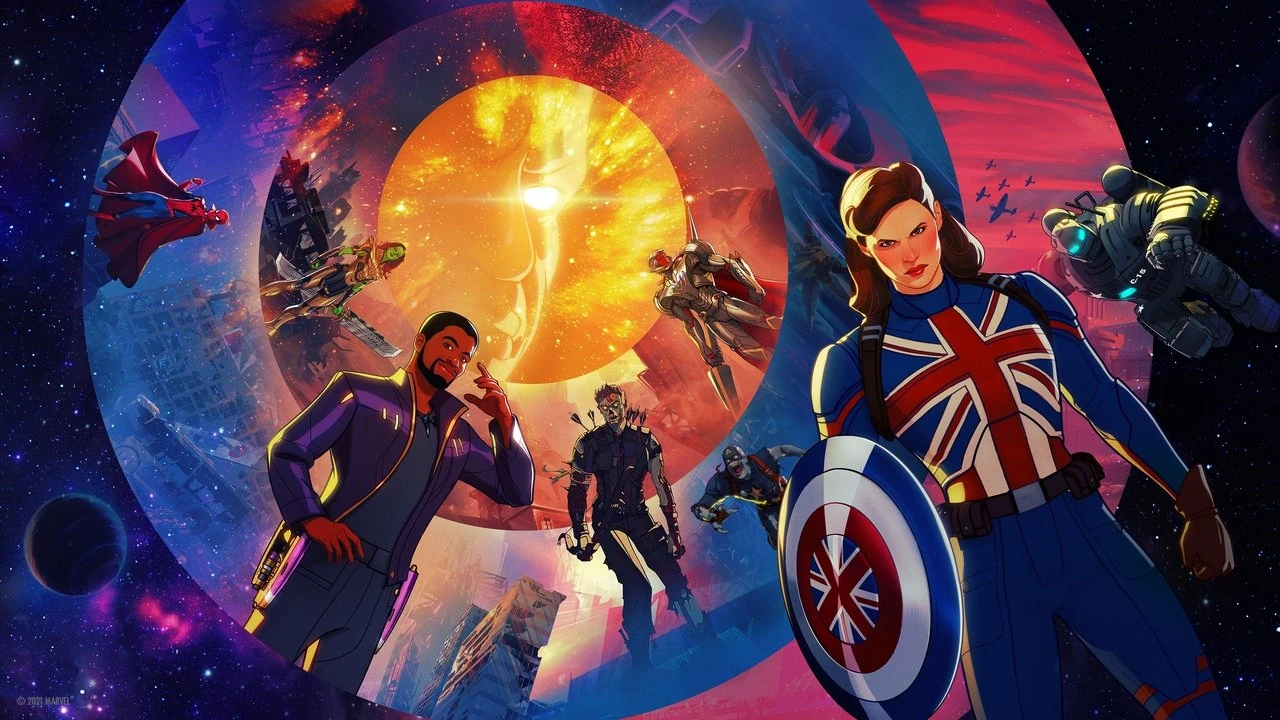
At its core, What If…? is a grand thought experiment. It takes the familiar and renders it strange, forcing us to reconsider characters and narratives we thought we knew intimately. This isn’t mere entertainment; it’s a philosophical exercise in contingency. By showing us Captain Carter instead of Captain America, or T’Challa as Star-Lord, the series highlights how fragile our perceived realities are, how dependent on a single turning point. It suggests that the essence of identity isn’t fixed, but fluid, shaped by circumstance and the choices—or non-choices—that define a moment.
The very premise invites us to ponder: if a hero’s core values can manifest so differently under changed conditions, what does that say about the original hero? Does it diminish their uniqueness, or does it reveal a deeper, underlying moral fortitude that transcends specific events? The critical reception often celebrated this conceptual boldness, praising the show for pushing the boundaries of what an MCU story could be. It’s a testament to the power of the hypothetical in revealing truths about the actual.
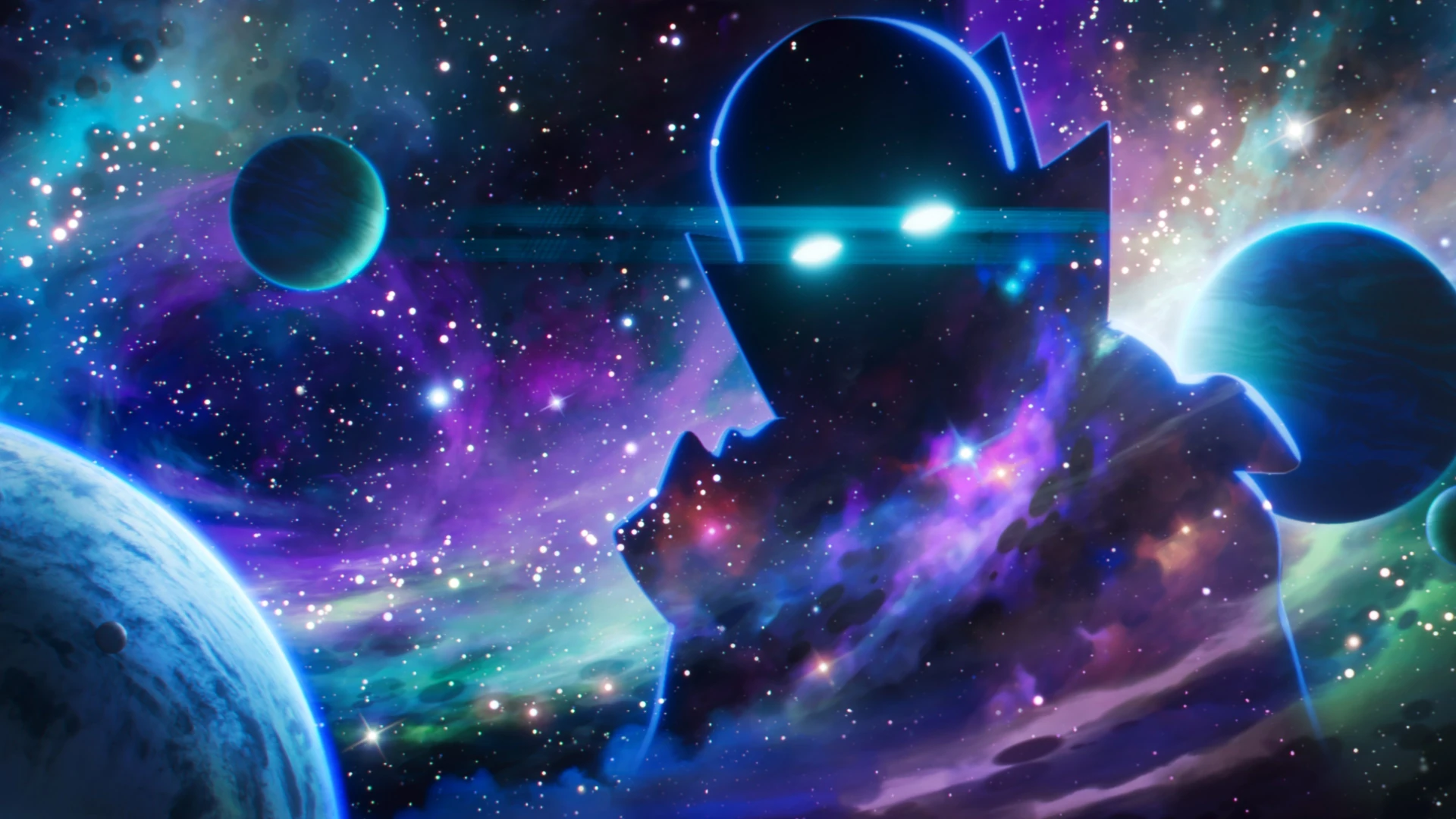
 The Watcher, a silent observer, symbolizes the burden of infinite knowledge and non-interference.
The Weight of Execution: A Balanced View
However, the ambitious scope of What If…? also presented its biggest challenge: execution. While the series’ animation style was largely lauded for its distinctive aesthetic, the anthology format, coupled with a roughly 30-minute runtime per episode, often meant that truly profound philosophical or emotional arcs felt compressed. As many critics pointed out, some episodes struggled with uneven pacing, rushing through complex character developments or world-ending stakes in a way that undercut their potential impact. The sheer breadth of Marvel lore it drew upon also meant that for every fan-favorite reimagining, there might be another that felt less inspired or less impactful.
The true weight of choice isn’t just in the outcome, but in the myriad possibilities that blossom and die with every decision.
For instance, an episode like “What If… Doctor Strange Lost His Heart Instead of His Hands?” resonated deeply, exploring grief, obsession, and the corrupting nature of power with a genuine emotional heft. This episode, widely praised, managed to tap into the existential dread of being unable to accept loss. In contrast, other episodes, while fun, sometimes felt like quick sketches rather than fully realized portraits of alternate timelines, leaving viewers to fill in significant narrative gaps. This variability in quality was a consistent talking point among viewers and critics, highlighting the difficulty of maintaining consistent depth across disparate stories. Despite this, Jeffrey Wright’s consistent, resonant narration as The Watcher provided an essential through-line, reminding us of the cosmic scale of these choices and the profound implications of deviation. He is the anchor in a sea of boundless possibilities, a quiet, knowing observer who embodies the philosophical stance of non-intervention, making him a compelling figure in a series about the very nature of intervention.
 Different heroes, different fates; each timeline a testament to the transformative power of a single change.
Beyond the Surface: Infinity and Meaning
Beyond its immediate narrative twists, What If…? dives headfirst into profoundly existential and metaphysical questions. What does it mean for our reality if infinite other realities exist? Does it diminish the uniqueness of our universe, or does it imbue it with an even greater sense of preciousness, knowing how easily things could have gone differently? The concept of the multiverse, a cornerstone of the series, forces us to confront the idea that there is no singular “truth,” but rather a spectrum of truths, each valid within its own timeline. This challenges our anthropocentric view of existence, placing humanity within an almost unfathomably vast cosmic tapestry.
The Watcher’s role, in particular, is a fascinating philosophical construct. Bound by an oath to merely observe, he is a being burdened with omniscient knowledge but denied the agency to act. His internal struggle, particularly in the later episodes of the first season, reflects the very human dilemma of wanting to help but being constrained by a larger principle. This raises questions about divine observation, the ethics of non-interference, and whether knowledge without action is a blessing or a curse. The series ultimately asks us to ponder the meaning of heroism itself. Is it about specific powers, or is it an inherent quality that manifests regardless of circumstance? By presenting familiar characters in radically new lights, What If…? suggests that heroism, like identity, is a tenacious, adaptable force, capable of emerging in countless forms, across countless realities.
Every alternate reality we glimpse is a mirror, reflecting not just what could be, but what is—the fundamental human drive to define purpose amidst infinite chaos.
What If…? is a testament to the enduring human fascination with the roads not taken. While its anthology format led to an understandable variability in narrative potency and some critics pointed out its occasional superficiality in exploring truly deep consequences, its conceptual ambition is undeniable. It’s a series that, despite its flaws, remains profoundly thought-provoking, urging us to consider the delicate balance between choice and fate, and the boundless potential residing in every single moment. It reminds us that every story, every life, is just one of an infinite number of possibilities.
Where to Watch
- Disney Plus
What’s Up? explores the philosophical depths of cinema.