The Appalachian Abyss: Decoding Wrong Turn (2021)'s Treacherous Morality
Exploring the philosophical underpinnings of Wrong Turn (2021), its divisive reception, and its challenging questions about civilization versus primal instinct.
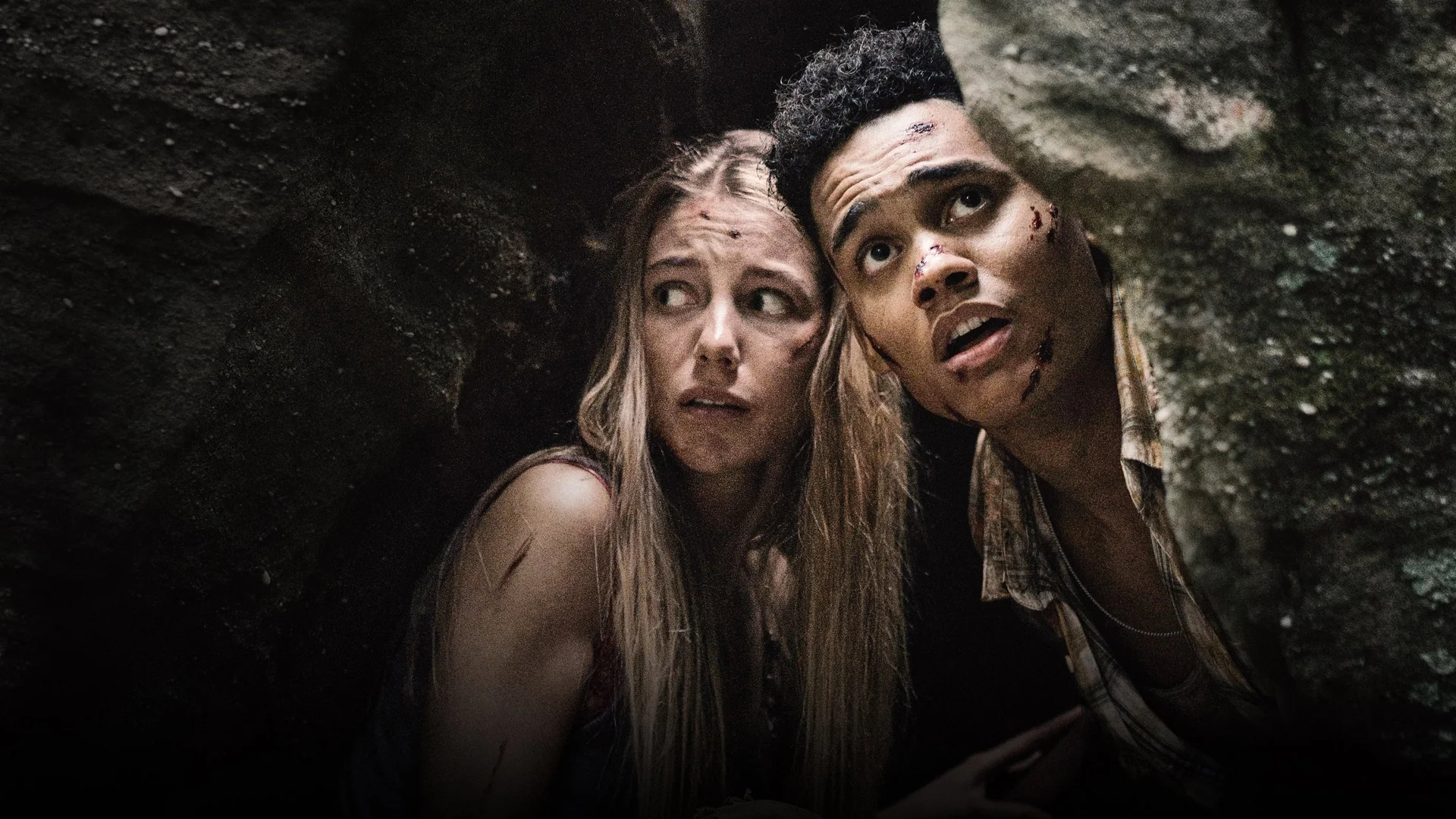
“Man is condemned to be free; because once thrown into the world, he is responsible for everything he does.” — Jean-Paul Sartre
The wilderness, particularly the dense, foreboding Appalachian Trail, has long served as a cinematic canvas for human fragility, a place where the veneer of civilization is stripped bare. Mike P. Nelson’s 2021 reimagining of Wrong Turn steps into this well-trodden territory, attempting to breathe new life into a franchise known for its gruesome, albeit straightforward, cannibalistic horror. What emerges isn’t just a simple slasher, but a film that, despite its considerable flaws and the divisive critical reception, dares to ask some uncomfortable questions about tribalism, cultural clash, and the very nature of justice. With a Rotten Tomatoes score hovering around 39% and a similarly lukewarm reception on Metacritic, critics often pointed to its uneven pacing, muddled narrative ambitions, and a struggle to find a consistent tone. Yet, beneath the familiar horror tropes and acknowledged missteps, there’s a fascinating, if imperfect, philosophical core at play.
The Foundation: A Clash of Worlds, Not Just Flesh
At its heart, Wrong Turn (2021) presents a stark confrontation between two radically different societal structures. On one side, we have Jen and her group of diverse, modern friends, embodying a certain urban entitlement and the assumption of universal norms. They stray from the marked path, not just geographically, but metaphorically, entering a hidden community known as “The Foundation.” This isn’t the inbred, mindless cannibalistic family of the original films; instead, Nelson’s vision introduces an ancient, self-sufficient society, fiercely protective of its land and traditions, viewing outsiders as trespassers and threats.
This shift in antagonist motivation was one of the film’s most talked-about elements, garnering both praise for its ambition and criticism for diluting the pure horror. Some viewers, accustomed to the simpler brutality, found the new, almost cult-like villains less terrifying. However, this recontextualization elevates the conflict from mere survival horror to a potent exploration of cultural relativism. The Foundation has its own laws, its own form of justice, and a deep-seated suspicion of the “outside” world that has repeatedly encroached upon them. Their “wrong turns” were made centuries ago, decisions to retreat and forge a new way of life. The hikers, by comparison, are the unwitting invaders.
Key themes to explore:
- Territoriality vs. Exploration — the inherent conflict when one group’s sacred space becomes another’s adventure.
- Law and Order — whose laws apply in the deep woods? Is there a universal morality, or only situational ethics?
- The Other — how easily we demonize those who live differently, and how that demonization can be tragically reciprocal.
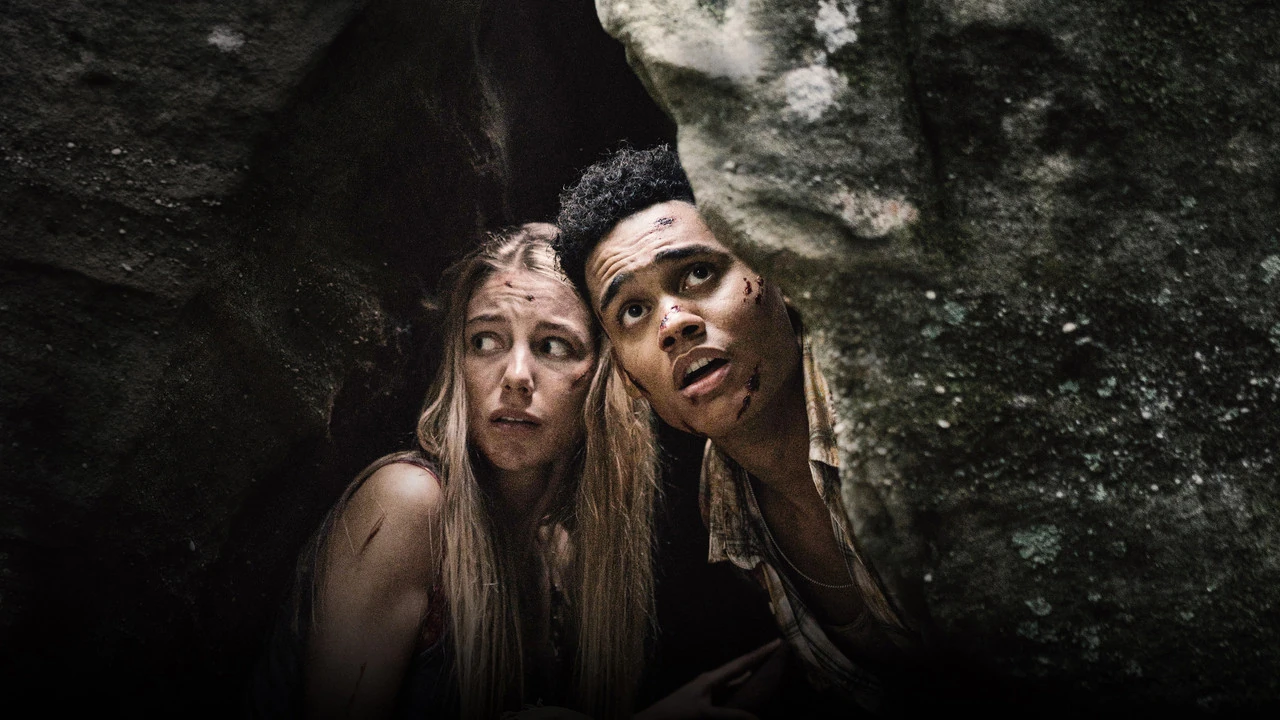 The untouched wilderness, a deceptive calm before the storm of clashing ideals.
The Weight of Choice and the Flaws in the Design
The film’s strengths, when they emerge, lie in its attempt to muddy the moral waters. Wrong Turn (2021) doesn’t present easy answers. While the Foundation’s methods are undeniably brutal – traps, executions, and forced assimilation – the narrative makes a concerted effort to show their perspective. We see their internal struggles, their rationale, and even moments of what they perceive as mercy. This is where the film becomes a drama and a thriller as much as a horror film, leaning into the consequences of each choice made by both sides.
The real terror isn’t just the threat of physical harm, but the chilling realization that ‘civilization’ is a thin, brittle shell, easily shattered by differing ideologies and the primal need for self-preservation.
Audience reactions were particularly divided on this moral ambiguity. Some appreciated the nuance, finding the Foundation’s motivations more compelling than simple villainy. Others, however, felt the film tried too hard to humanize its antagonists, thus blunting the edge of its horror. Critics often noted the uneven pacing, particularly as the film shifted from a tense cat-and-mouse game to a more drawn-out exploration of the Foundation’s society. Character development, too, was a frequent point of criticism; the hikers are, for the most part, archetypes rather than fully fleshed-out individuals, making it harder to invest in their plight beyond basic human empathy. Charlotte Vega’s performance as Jen, however, often stood out, her transformation offering a compelling anchor in a chaotic narrative. Her eventual adaptation and defiance, even within the confines of the Foundation, raise profound questions about identity and resilience.
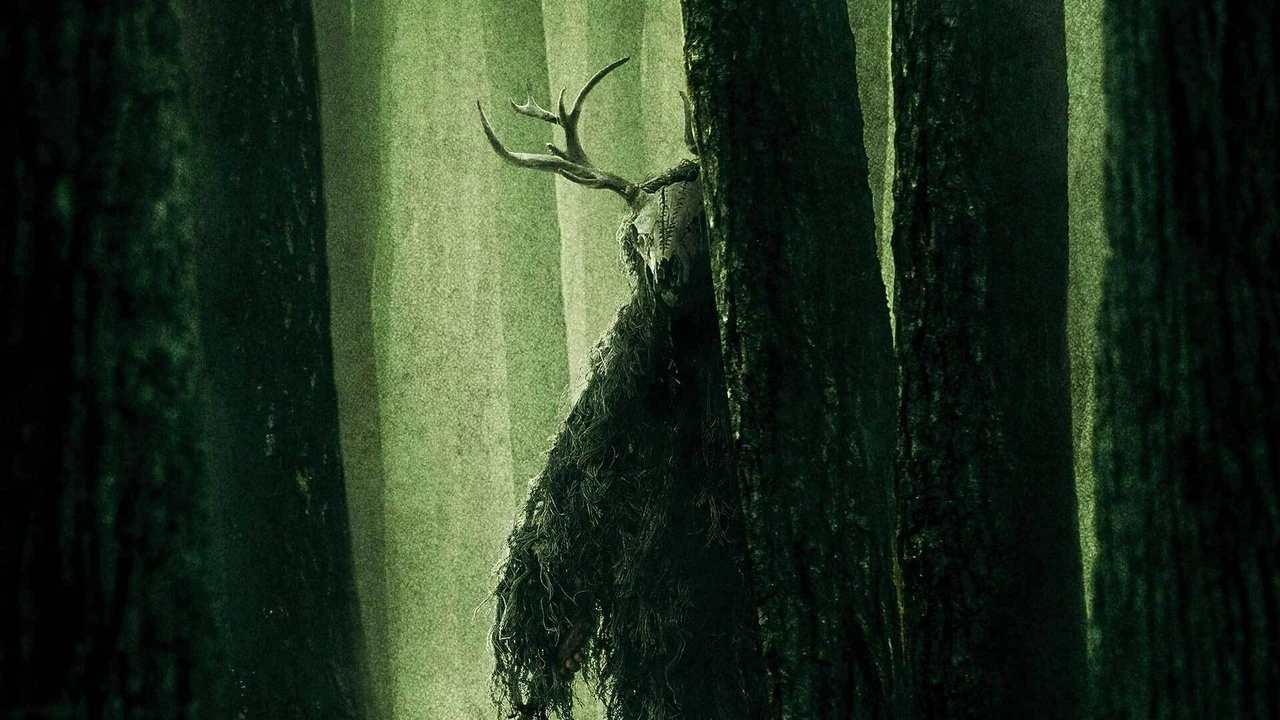 Jen, caught between worlds, her modern identity slowly eroding under the harsh demands of the wilderness.
Beyond the Surface: Existential Questions in the Clearing
Despite its narrative stumbles and the criticisms leveled against its execution, Wrong Turn (2021) provokes deeper existential and ethical questions that linger long after the credits roll. It asks us to consider: what constitutes “progress”? Is modern society inherently superior, or merely different? The Foundation, with its sustainable living and fierce communal loyalty, presents a counter-narrative to the individualism and perceived fragility of the outside world.
The film’s ending, particularly, is a philosophical gut punch, forcing viewers to confront the irreversible consequences of choices made in a vacuum of established law. Jen’s journey isn’t just about survival; it’s about a forced re-evaluation of everything she thought she knew. She is stripped of her friends, her comforts, and ultimately, her former identity, only to forge a new one born of brutal necessity and a twisted sense of belonging. This metamorphosis, while shocking to some, underscores the film’s commitment to exploring the fluidity of morality and the profound impact of environment on human behavior. It’s a dark mirror held up to our own assumptions about right and wrong, challenging us to see the “wrong turn” not just as a mistake, but as a path to an alternate, terrifying truth.
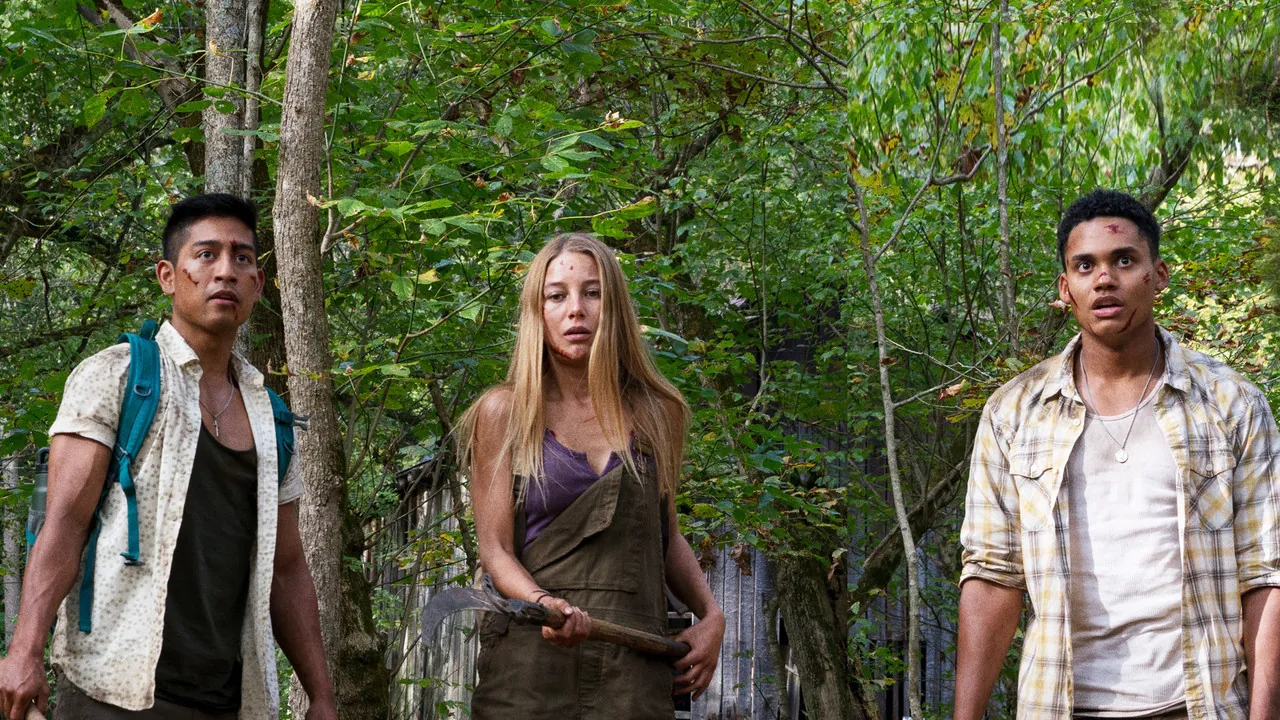 A campfire burning in the dark woods, a beacon of community or a signal of danger, depending on one’s perspective.
The film’s legacy, undoubtedly mixed, forces us to confront the uncomfortable truth: sometimes, the monster isn’t just the ‘other,’ but the reflection of our own societal fears and the extreme lengths to which any community will go to protect its way of life.
Ultimately, Wrong Turn (2021) is a film that aimed higher than its slasher predecessors, even if its reach occasionally exceeded its grasp. While it may not satisfy those looking for pure, unadulterated gore, and it certainly won’t win any awards for narrative perfection, it remains a fascinating, if flawed, attempt to inject philosophical depth into a genre often devoid of it. It asks us to consider who truly has the “right” to the land, who defines justice, and what we become when our carefully constructed worldviews are shattered by the unforgiving realities of an ancient, unyielding wild.
Where to Watch
- fuboTV
- Paramount+ Amazon Channel
- Paramount+ Roku Premium Channel
- Paramount Plus Premium
What’s Up? explores the philosophical depths of cinema.