X-Men's Genesis: Mutants, Metaphor, and the Weight of Difference
Exploring X-Men (2000), a film that, despite its imperfections, became a profound meditation on otherness, prejudice, and the evolving definition of humanity.

“The measure of a man is what he does with power.” — Plato
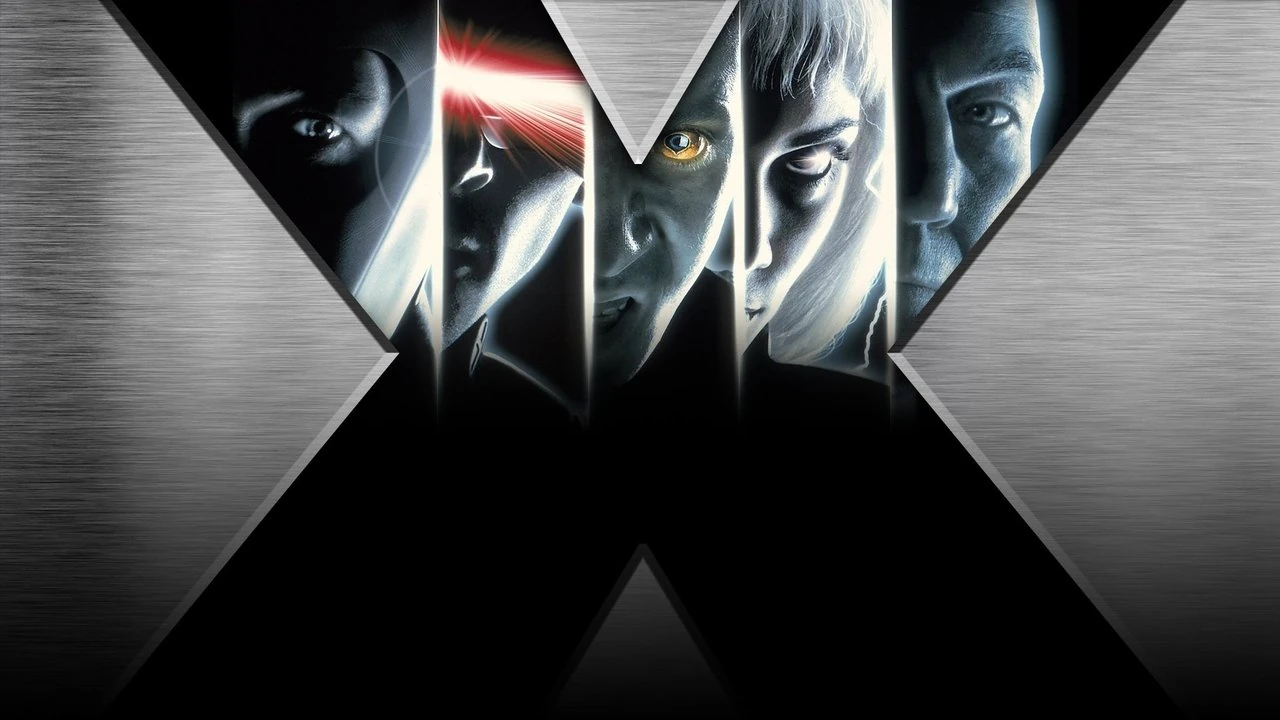
It’s easy, twenty-plus years on, to look back at Bryan Singer’s X-Men (2000) and see it as just another superhero movie in a landscape now saturated with them. But to do so would be to miss its profound, almost accidental, philosophical heft. This wasn’t just a film that launched a multi-billion dollar franchise; it was a Trojan horse, smuggling weighty questions about otherness, prejudice, and the very definition of humanity into multiplexes under the guise of an action flick. While it wasn’t universally lauded as a masterpiece—Metacritic registered a solid, if not stellar, 64/100, reflecting some mixed feelings amidst the praise—its impact on popular culture and its enduring allegorical power are undeniable. Critics on Rotten Tomatoes, with an 82% fresh score, largely celebrated its serious tone and thematic depth, even as some found its plot a bit sparse or its action sequences occasionally lacking punch.
The Burden of Difference: Otherness and Belonging
From its harrowing opening scene in a Nazi concentration camp, X-Men immediately grounds its fantastical premise in real-world historical trauma. This isn’t just about super-powered individuals; it’s about the existential burden of being different in a world that fears what it doesn’t understand. The mutants, with their extraordinary abilities, serve as a potent metaphor for any marginalized group: racial minorities, LGBTQ+ individuals, those with disabilities, or anyone who stands outside the perceived “norm.” They are simultaneously feared and envied, ostracized and exploited.
The film deftly introduces us to Rogue and Wolverine, two outsiders even among outsiders, whose journey to Professor Xavier’s school is a desperate search for sanctuary and understanding. Their narratives resonate deeply with anyone who has ever felt like an alien in their own skin, longing for a place where their true self isn’t just tolerated, but accepted. Critics often praised this focus on character and theme over bombastic action, arguing that it gave the film a gravitas rarely seen in superhero fare at the time. Yes, some viewers yearned for more elaborate set pieces, and some found the plot a little thin in places, but for many, it was the raw, emotional core of alienation and the yearning for belonging that truly struck a chord. The narrative isn’t just about heroes fighting villains; it’s about the deep-seated human need for community and acceptance.
 Two outcasts, Rogue and Wolverine, find a fragile sense of belonging amidst a world that fears them.
A Compromised Vision: Strengths, Stumbles, and Setting the Stage
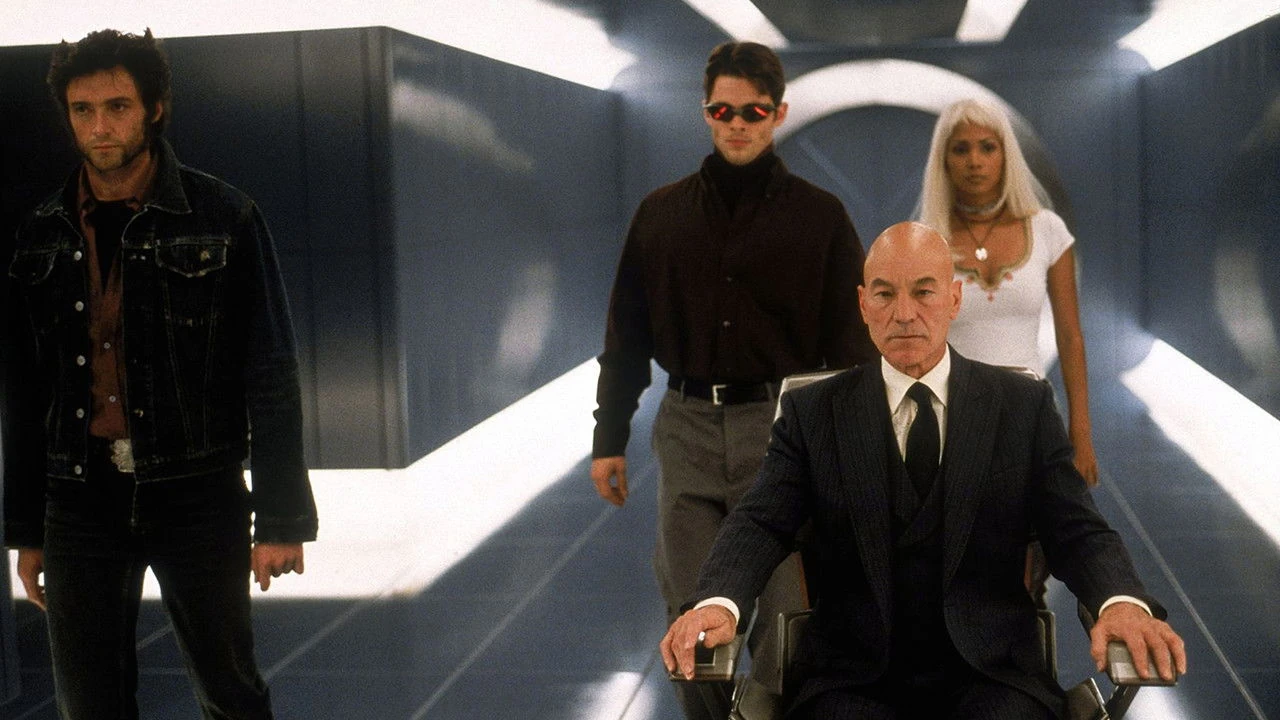
X-Men was a gamble, and like most gambles, it wasn’t without its imperfections. Its strengths were clear: a stellar cast led by the gravitas of Patrick Stewart as Professor X and Ian McKellen as Magneto, whose philosophical clash forms the backbone of the entire franchise. Hugh Jackman’s breakout performance as Wolverine defined the character for a generation, capturing his gruff exterior and tormented soul. The film’s commitment to a darker, more serious tone was a breath of fresh air, moving beyond the campiness that had often plagued superhero adaptations.
However, the film’s lean 104-minute runtime, while efficient, often meant that some character development felt rushed or incomplete. Critics frequently pointed out that while Wolverine and the Xavier/Magneto dynamic were expertly handled, characters like Cyclops, Storm, and even Mystique were sometimes sidelined or underdeveloped, reduced to their powers rather than their personalities. The action, while effective, felt somewhat constrained compared to later entries, and some of the early CGI, while groundbreaking for 2000, hasn’t aged perfectly. As one reviewer noted, “the film sometimes feels like it’s in a hurry to get to the next thematic point, sacrificing a bit of narrative breathing room along the way.” This uneven pacing and the relatively sparse plot were common criticisms, yet even these flaws served to highlight the film’s core strength: its thematic ambition.
The film’s greatest triumph might not be its visual spectacle, but its quiet insistence that our shared humanity is forged not in uniformity, but in the radical acceptance of difference.
Despite these narrative stumbles and the occasional clunkiness of early 2000s filmmaking, X-Men succeeded in creating a compelling world. It set the stage for a franchise that would continually explore the ramifications of its central metaphor, forcing audiences to confront uncomfortable truths about society’s treatment of the marginalized. It proved that superhero movies could be more than just escapist entertainment; they could be vehicles for meaningful social commentary.
 Professor X and Magneto, former friends, stand on opposite sides of an ideological chasm, united only by their shared mutation.
Evolution, Revolution, and the Choice of Our Humanity
At its heart, X-Men is a profound meditation on the concept of evolution—not just biological, but social and ethical. Professor Xavier believes in a peaceful coexistence, advocating for integration and the slow, arduous process of changing hearts and minds. His philosophy is one of hope and empathy, a belief that humanity, given time and understanding, will eventually accept mutants. He represents the ideal of assimilation, striving to bridge the gap between “us” and “them.”
Magneto, however, having witnessed humanity’s capacity for hatred firsthand in the Holocaust, embodies the philosophy of resistance and revolution. He sees mutants as the next stage of evolution, destined to inherit the Earth, and believes that only through force and dominance can their survival be guaranteed. His path is one of power and self-preservation, born from a deep-seated trauma that precludes trust. This ideological battle isn’t just between good and evil; it’s a deeply resonant philosophical debate about how marginalized groups should navigate an oppressive society: through peaceful integration or through revolutionary assertion of power? It forces us to ask: What do we owe to those who fear us? And what do we owe to ourselves, when our very existence is threatened?
 Magneto, a man shaped by trauma, wields his immense power not just as a weapon, but as a statement of defiance against a hostile world.
While X-Men may bear the marks of its pioneering status—a little rough around the edges, occasionally rushed—it planted seeds of philosophical inquiry that continue to bloom in the superhero genre, reminding us that the greatest threats often come not from power, but from prejudice.
Ultimately, X-Men (2000) asks us to confront our own biases and fears. It holds up a mirror, reflecting society’s historical patterns of discrimination and the dangerous allure of tribalism. Despite its cinematic growing pains—the occasionally thin plot, the brief runtime that left some characters wanting—its philosophical core remains robust and startlingly relevant. It’s a film that dares to suggest that the most powerful mutation isn’t an extraordinary ability, but the capacity for empathy and the courage to build a world where difference is celebrated, not feared. It reminds us that the struggle for acceptance is an ongoing one, and the choice between division and unity is a question we must continually answer.
Where to Watch
- Disney Plus
What’s Up? explores the philosophical depths of cinema.