X2: The Beautiful Burden of Otherness and the Ethics of Existence
Exploring X2 X-Men United's profound commentary on identity, prejudice, and the ethical dilemmas of existence, even amidst its blockbuster spectacle.
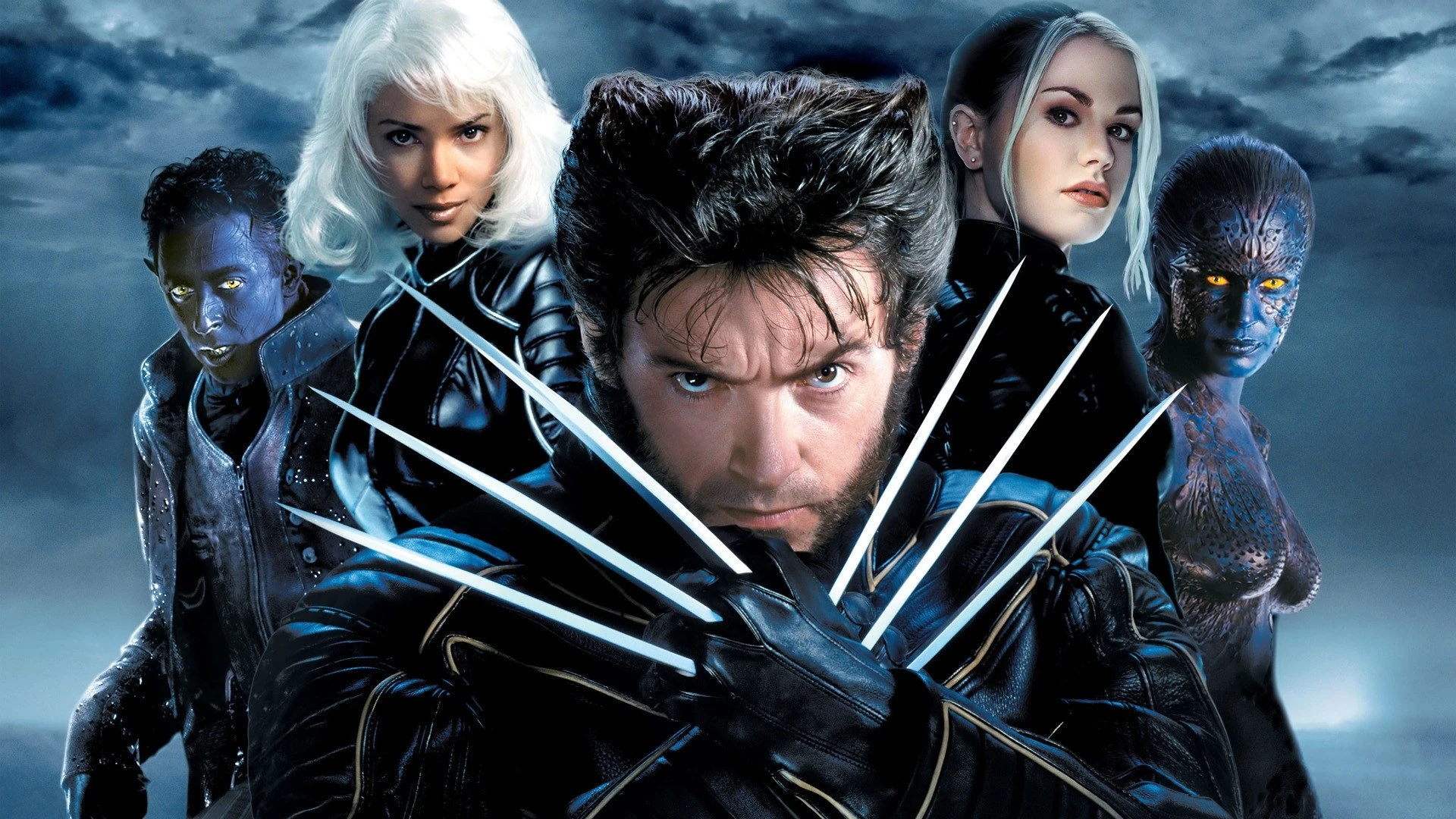
“The very things that hold you down are going to lift you up.” — Timothy Leary
It’s rare for a blockbuster sequel to not only meet but exceed the promise of its predecessor, particularly in the nascent days of the superhero boom. Yet, Bryan Singer’s X2: X-Men United, released in 2003, did exactly that. Widely hailed by critics with an 85% on Rotten Tomatoes and an 8.0 user score on Metacritic, it wasn’t just a bigger, more action-packed film; it was a deeper, more thoughtful exploration of what it means to be fundamentally other. While some audiences, and indeed a few critics, occasionally pointed to its sprawling cast as leading to moments where certain characters felt slightly underserved or its ambitious plot occasionally strained at the edges, these were minor quibbles against a film that largely delivered a masterclass in blockbuster storytelling with genuine philosophical heft.
The Weight of Difference: Identity and the Mirror of Fear
At its core, X2 isn’t merely an action movie about super-powered individuals; it’s a profound cinematic allegory for prejudice, identity, and the inherent human fear of the unknown. The film masterfully uses the mutant condition as a direct metaphor for any marginalized group – whether racial, ethnic, sexual, or otherwise – forced to navigate a world that simultaneously fears and demonizes them. Colonel William Stryker, brilliantly portrayed by Brian Cox, embodies this societal fear, not as a cartoonish villain, but as a man whose personal tragedy has twisted him into a terrifying architect of genocide. He doesn’t hate mutants because they’re evil; he hates them because they represent a fundamental challenge to his understanding of the world, a direct threat to his concept of “normalcy.”
The film forces us to confront uncomfortable questions: What happens when the perceived “threat” isn’t an external invader, but an internal evolution of humanity itself? How do we define humanity if a new strain of being emerges within our own species? This isn’t just a comic book conceit; it’s a reflection of historical and ongoing struggles for acceptance, asking us to examine the very foundations of our societal structures and the arbitrary lines we draw to define “us” versus “them.”
Key themes explored:
- The Allegory of Otherness — its uncomfortable parallels to real-world discrimination.
- The Ethics of Existence — challenging the right of one group to decide another’s fundamental nature.
- The Psychology of Fear — how personal trauma can metastasize into widespread hatred and systematic oppression.
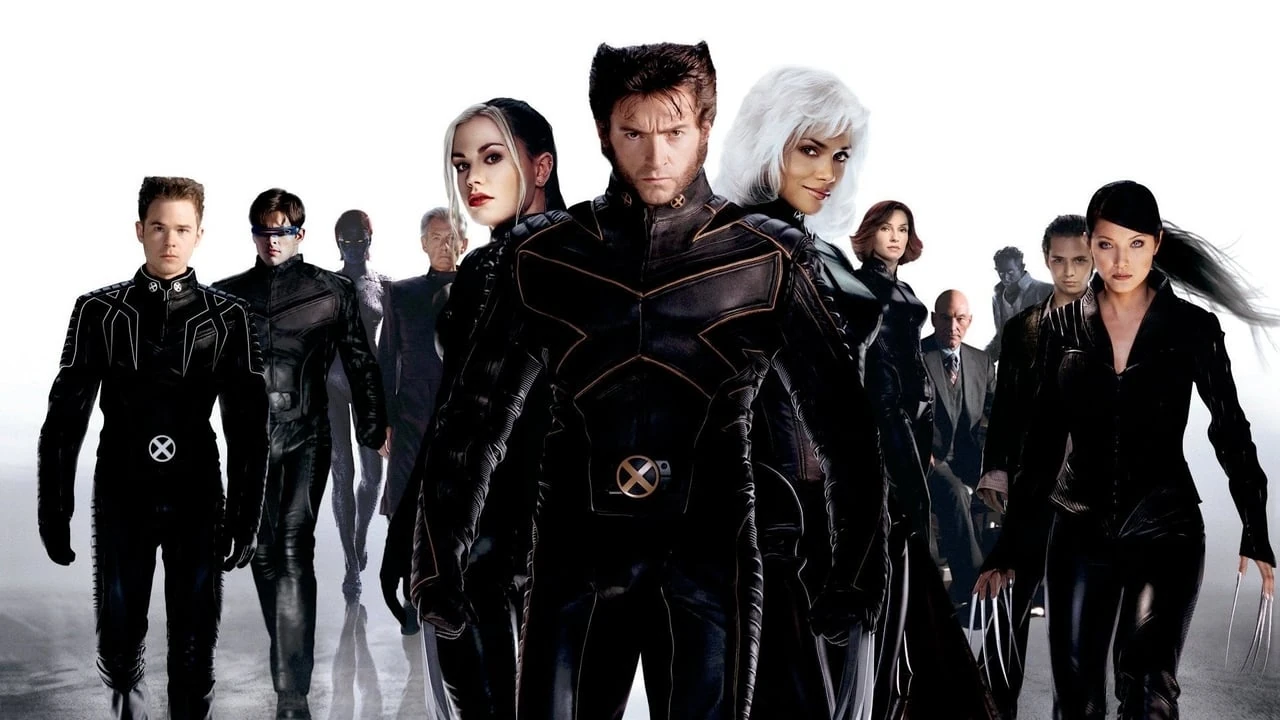 Nightcrawler’s haunting introduction in the White House is a visceral portrayal of fear and misunderstanding, a visual thesis for the film’s core themes.
Moral Ambiguity and the Imperfect Pursuit of Justice
While X2 garnered widespread critical acclaim for its narrative ambition and character development, particularly Hugh Jackman’s Wolverine and the mesmerizing introduction of Alan Cumming’s Nightcrawler, it wasn’t without its nuanced points of discussion. Some critics, while praising its scope, noted that the sheer number of characters meant certain arcs, like Jean Grey’s escalating power, felt slightly rushed, serving more as setup for future installments than fully realized internal struggles within this particular film. The intricate plot, while largely coherent, also led to a few narrative conveniences that, upon rewatch, can pull one slightly out of the immersive experience.
Yet, these minor structural quibbles fade when considering the film’s unwavering commitment to exploring moral ambiguity. Professor Xavier and Magneto, once again, represent two opposing philosophical poles. Xavier champions integration and peaceful coexistence, believing in humanity’s potential for good. Magneto, scarred by history, sees humanity as an inherent threat, advocating for mutant supremacy or, at the very least, aggressive self-preservation.
This is where we discover the true weight of choice — not in the outcome, but in the becoming. X2 relentlessly probes the question of whether an end, however noble, can justify any means, forcing us to weigh the ethical compromises made in the name of survival.
Stryker’s own twisted logic, his belief that he is “saving” humanity by eradicating mutants, forces Xavier and Magneto into an uneasy alliance, blurring the lines of heroism and villainy. It’s a brilliant move that elevates the narrative beyond simple good-versus-evil, compelling us to consider whether extreme circumstances mandate extreme responses, and at what cost. The film doesn’t offer easy answers, instead holding up a mirror to the complex, often ugly, realities of political and social conflict.
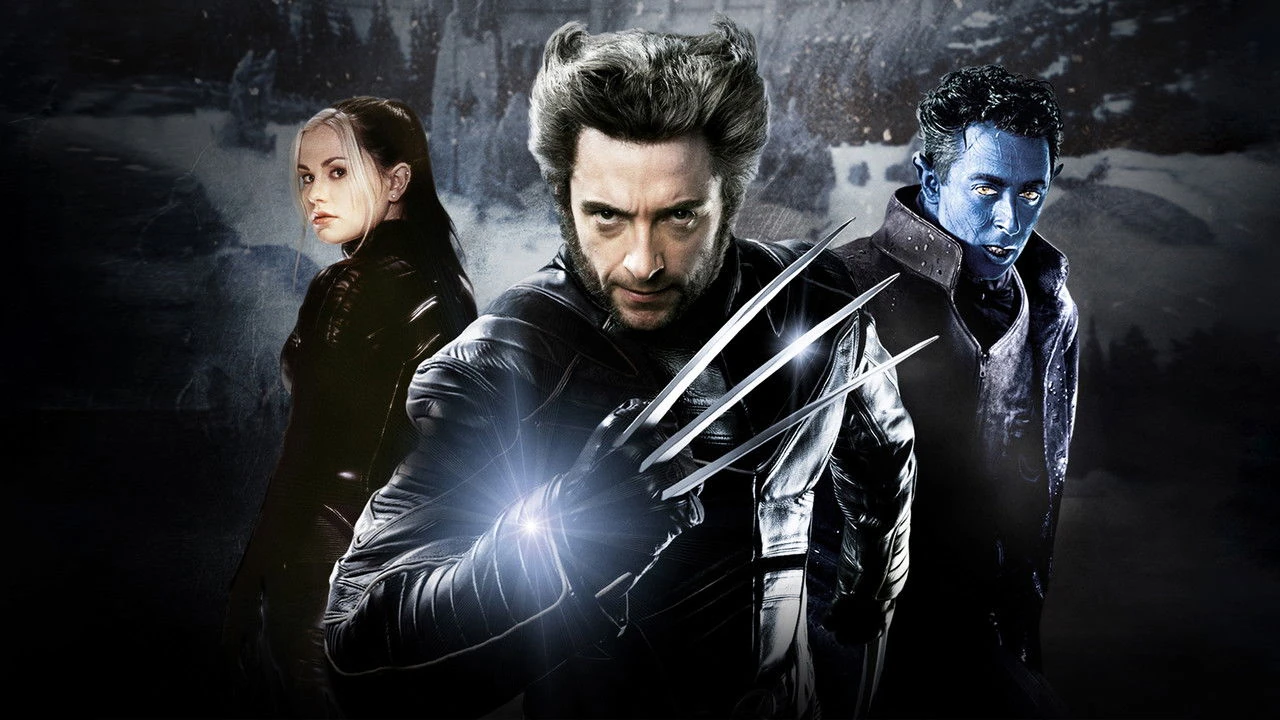 The chilling gaze of Colonel Stryker, reflecting the cold, calculated fear that drives his genocidal agenda.
The Existential Weight of Choice and Sacrifice
X2 ventures beyond mere social commentary, delving into profound existential questions about self-acceptance and the terrifying responsibility of power. Wolverine’s journey to uncover his past and grapple with his violent nature is a visceral exploration of memory, identity, and the struggle for self-definition. Nightcrawler, a devout Catholic demonized by his appearance, offers a beautiful counterpoint, grappling with faith and his place in a world that fears him.
The film’s climax, with Jean Grey’s ultimate sacrifice, isn’t just a plot device; it’s a powerful statement on the nature of self-transcendence and the terrifying potential of untapped power. Her transformation into the Phoenix, while hinted at, represents a profound shift from individual identity to something cosmic and overwhelming, a force that demands sacrifice for the survival of others. It forces us to ponder the limits of human (or mutant) agency when faced with overwhelming power and the ultimate choice between existence and annihilation.
 Jean Grey’s climactic embrace of the Phoenix Force, a moment of tragic beauty and immense power, reflecting the ultimate sacrifice for the greater good.
“The greatest trick the devil ever pulled was convincing the world he didn’t exist.” — Charles Baudelaire. X2 reminds us that the greatest evil often wears the guise of righteous fear, convincing us that “the other” is the devil, rather than the fear itself.
X2: X-Men United remains a benchmark for the superhero genre, not just for its thrilling action or compelling characters, but for its courageous dive into complex philosophical waters. While its legacy is undeniably strong, it still prompts us to reflect on how often fear masquerades as reason, and how easily a society can be convinced to turn on its own. It’s a film that asks us, even two decades later, to look inward: When faced with difference, do we choose understanding or annihilation? What does it truly mean to be “united”?
Where to Watch
- Disney Plus
What’s Up? explores the philosophical depths of cinema.