The Unordinary Path: Anticipating the Philosophical Web of Your Friendly Neighborhood Spider-Man
An early philosophical dive into Your Friendly Neighborhood Spider-Man, anticipating its themes of identity, responsibility, and heroism's unordinary path.
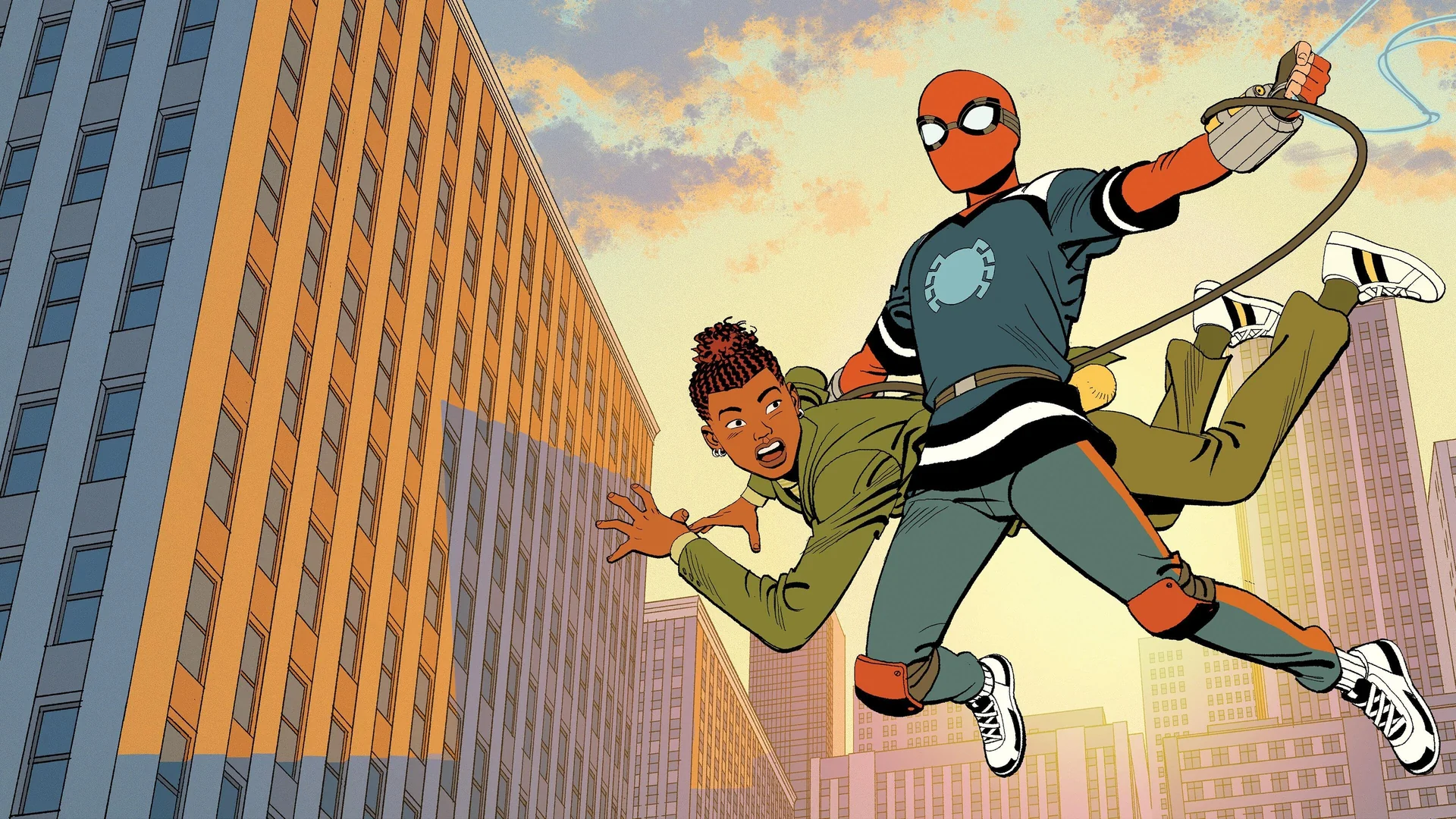
“With great power comes great responsibility.” — Uncle Ben Parker (variously attributed)
It’s a line so ingrained in our collective consciousness, so synonymous with a particular web-slinger, that to even contemplate a new iteration of Spider-Man without it feels almost sacrilegious. And yet, with Your Friendly Neighborhood Spider-Man poised to swing onto screens in 2025, we find ourselves in an unusual critical position: awaiting a hero’s journey without the benefit of past reviews or audience reactions. This isn’t a series we can dissect post-mortem; it’s one we must approach with a philosophical pre-mortem, examining the very potential of its premise. The official synopsis hints at a Peter Parker on his way to becoming a hero, but with a path that’s “anything but ordinary.” This simple phrase, divorced from any critical praise or scorn, immediately sparks a myriad of questions for anyone attuned to the deeper currents of narrative and character. How do we define “ordinary” in a world of super-powered individuals, and what does it truly mean for a hero’s path to deviate from it? What philosophical tremors might such a deviation unleash?
The Burden of Becoming: Identity and the Uncharted Path
The very essence of Peter Parker’s story has always been about identity: the boy beneath the mask, the civilian life constantly at odds with the heroic calling. Your Friendly Neighborhood Spider-Man promises a Peter “on his way to becoming a hero,” suggesting a narrative focused on the process, not just the destination. This immediately invites a deeper look into the philosophy of self-actualization and moral development. What internal struggles, what external pressures, will define this “unordinary” path? Will it be a journey fraught with existential doubts, forcing Peter to question not just how to be Spider-Man, but why?
One might anticipate certain criticisms that often plague new superhero origin stories: the potential for origin story fatigue. We’ve seen Spider-Man’s beginnings countless times. So, the promise of an “anything but ordinary” path is crucial. It suggests a deliberate subversion or re-framing of the familiar, which could be either a stroke of genius or a misstep if not handled with care. If the series leans too heavily into superficial novelty without grounding its deviations in genuine character development or philosophical insight, it risks feeling contrived. Conversely, by dissecting the process of becoming, the series could offer a nuanced exploration of how our choices, our mistakes, and our unique circumstances forge who we are, rather than merely what we do. It’s about the ontological shift from “Peter Parker” to “Spider-Man,” and the countless micro-decisions that shape that transformation.
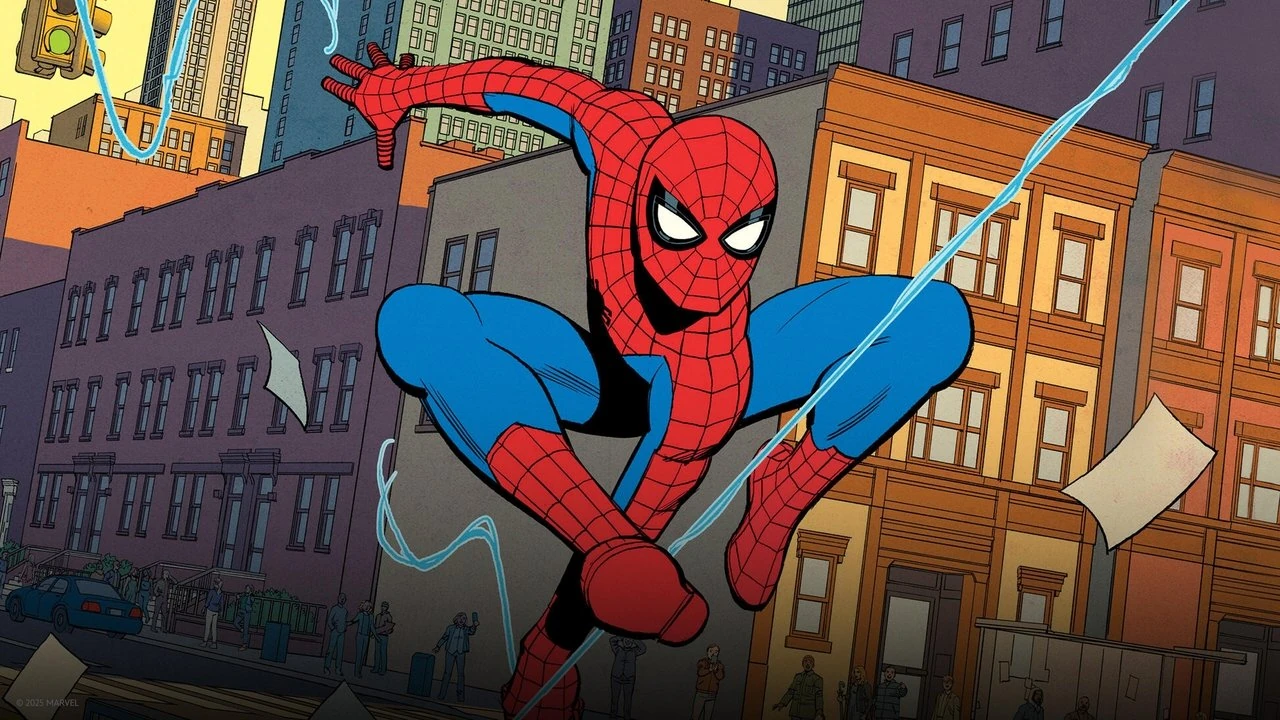 A thoughtful caption describing the scene’s deeper meaning
The Labyrinthine Path: Navigating Expectation and Ethical Dilemmas
The “unordinary” path could manifest in countless ways, each presenting its own set of philosophical quandaries. Perhaps it’s a deviation from the typical villains, forcing Peter to confront threats that are more morally ambiguous than outright evil. Or perhaps it’s a social commentary, where the “friendly neighborhood” aspect is challenged by systemic issues rather than individual super-criminals. The animation format itself, with its vibrant potential for visual storytelling, could be instrumental in portraying these deviations, allowing for stylistic choices that heighten the psychological or emotional stakes.
This is where we discover the true weight of choice — not in the outcome, but in the becoming. The hero’s journey isn’t just a linear ascent; it’s a tangled web of ethical navigation.
If the series truly embraces this “unordinary” concept, it might explore ethical relativism versus absolute morality in heroism. What happens when the “right thing” isn’t clear? What if Peter’s path forces him to make choices that are unpopular, or even seemingly morally grey, in service of a greater good? This could be a rich vein for philosophical exploration, moving beyond the simple black-and-white morality often seen in earlier superhero narratives. Audiences, I predict, will be divided if the series veers too far from Spider-Man’s traditional earnestness, but those willing to engage with the complexities might find profound reflections on the nature of heroism itself. The runtime of 33 minutes per episode suggests a focused, perhaps even serialized, approach, allowing for deep dives into specific dilemmas.
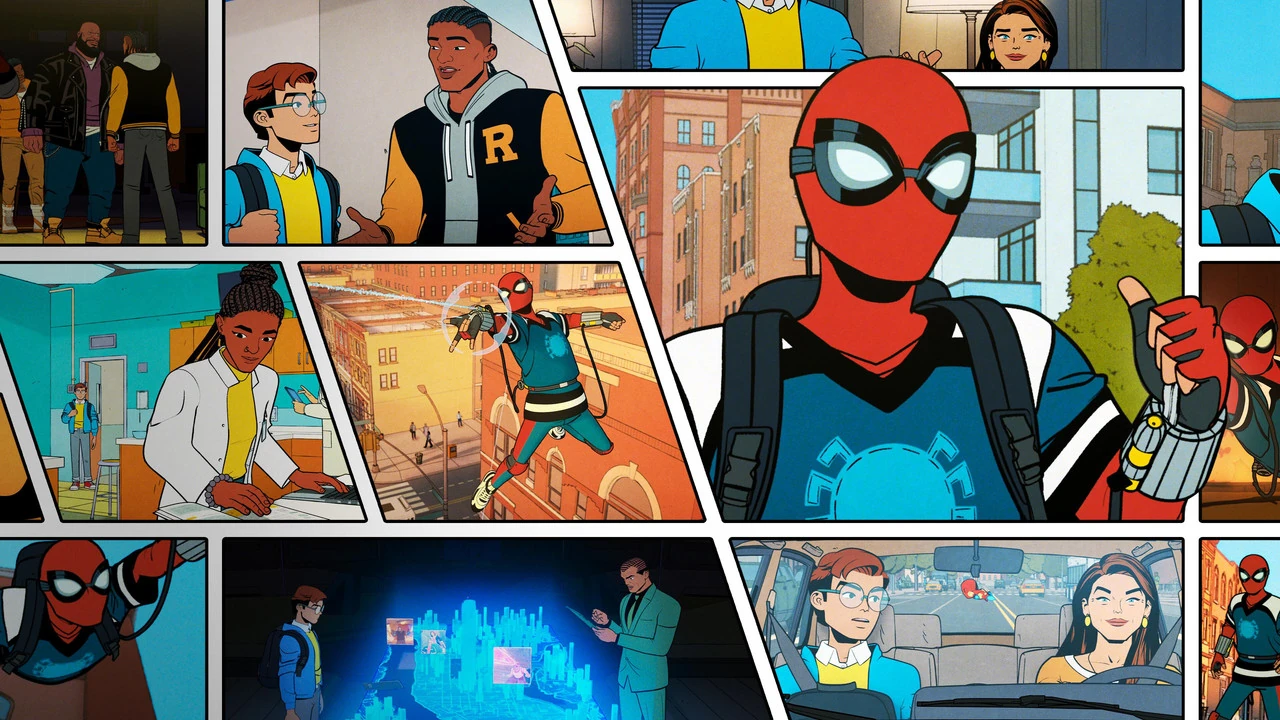 Visual poetry captured in a single frame
Beyond the Mask: The Existential Burden of the Friendly Neighborhood
The title itself, Your Friendly Neighborhood Spider-Man, grounds the character in a specific context: the local, the immediate, the human scale. This contrasts sharply with the often cosmic-level threats faced by other Marvel heroes. This tension between the “friendly neighborhood” and the “unordinary path” could be a source of profound existential reflection. How does Peter maintain his grounded, relatable persona when his journey takes him to places, both literal and metaphorical, that are far from ordinary?
This could lead to an examination of authenticity and alienation. Does an “unordinary path” inevitably lead to a sense of isolation for the hero? Does Peter risk losing touch with the very neighborhood he protects if his experiences become too divergent from theirs? The series could explore the burden of knowledge – what does Peter learn on his unordinary path that fundamentally changes his perception of the world and his place within it? This isn’t just about saving the day; it’s about the internal landscape of a young man grappling with extraordinary circumstances. The challenge for the creators will be to make these philosophical explorations accessible and engaging without sacrificing the core appeal of Spider-Man: his humor, his heart, and his unwavering sense of responsibility. If it succeeds, it could offer a fresh perspective on the enduring question of what it truly means to be human and heroic.
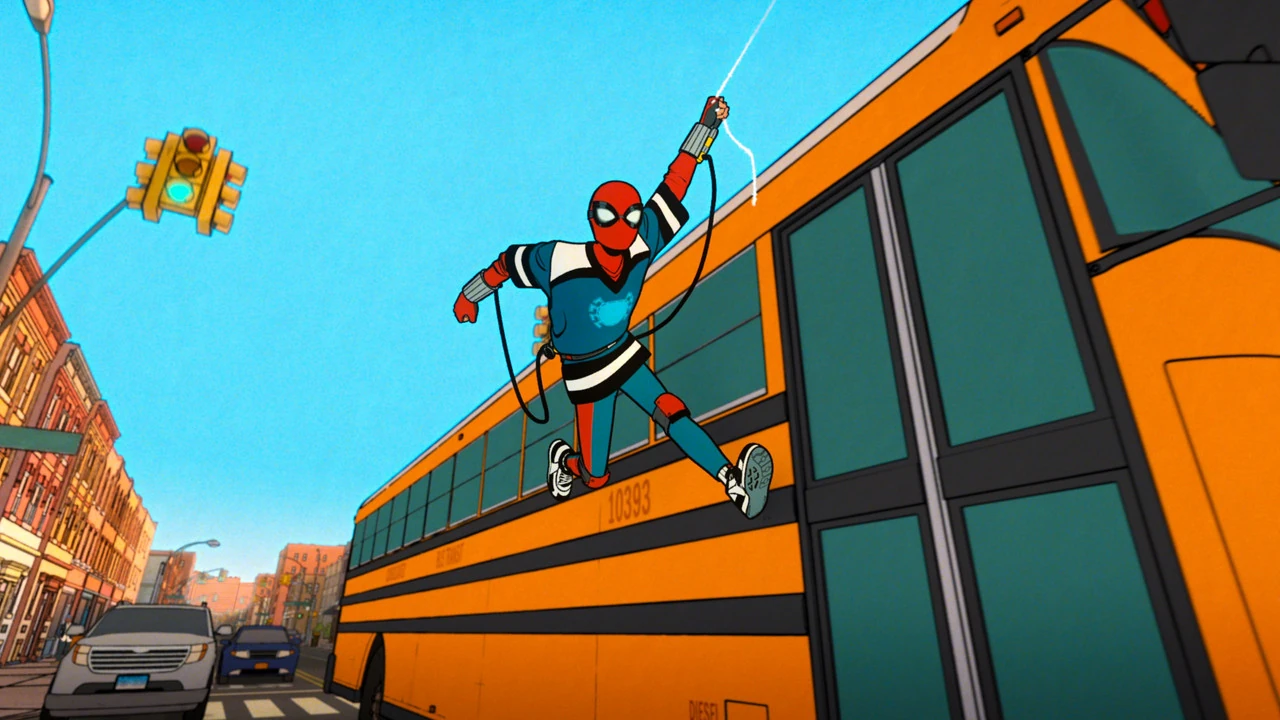 The imagery speaks what words cannot express
To embark on an “unordinary path” is to willingly step into the unknown, to embrace the chaos of becoming, and to accept that the very fabric of one’s identity will be rewoven with every perilous choice. It’s a risk of self, a sacrifice of the familiar, for a future that is, by definition, undefinable.
While the critical reception of Your Friendly Neighborhood Spider-Man remains a mystery until its release, the premise itself offers a fertile ground for philosophical contemplation. The promise of an “anything but ordinary” path for Peter Parker suggests a deliberate intent to delve into the complexities of heroism, identity, and the existential choices that define us. It’s an invitation to consider not just what makes a hero, but how one becomes, and the profound, often challenging, journey that entails. We might lament the lack of existing reviews to guide our expectations, but perhaps that’s precisely the point: to approach this new chapter with an open mind, ready to engage with the unordinary on its own terms.
Where to Watch
- Disney Plus
What’s Up? explores the philosophical depths of cinema.