The Weight of a Vision: Zack Snyder's Justice League and the Philosophy of Resurrection
Exploring Zack Snyder's Justice League as a philosophical treatise on sacrifice, redemption, and the very nature of authorship amidst a storm of critical and fan division.
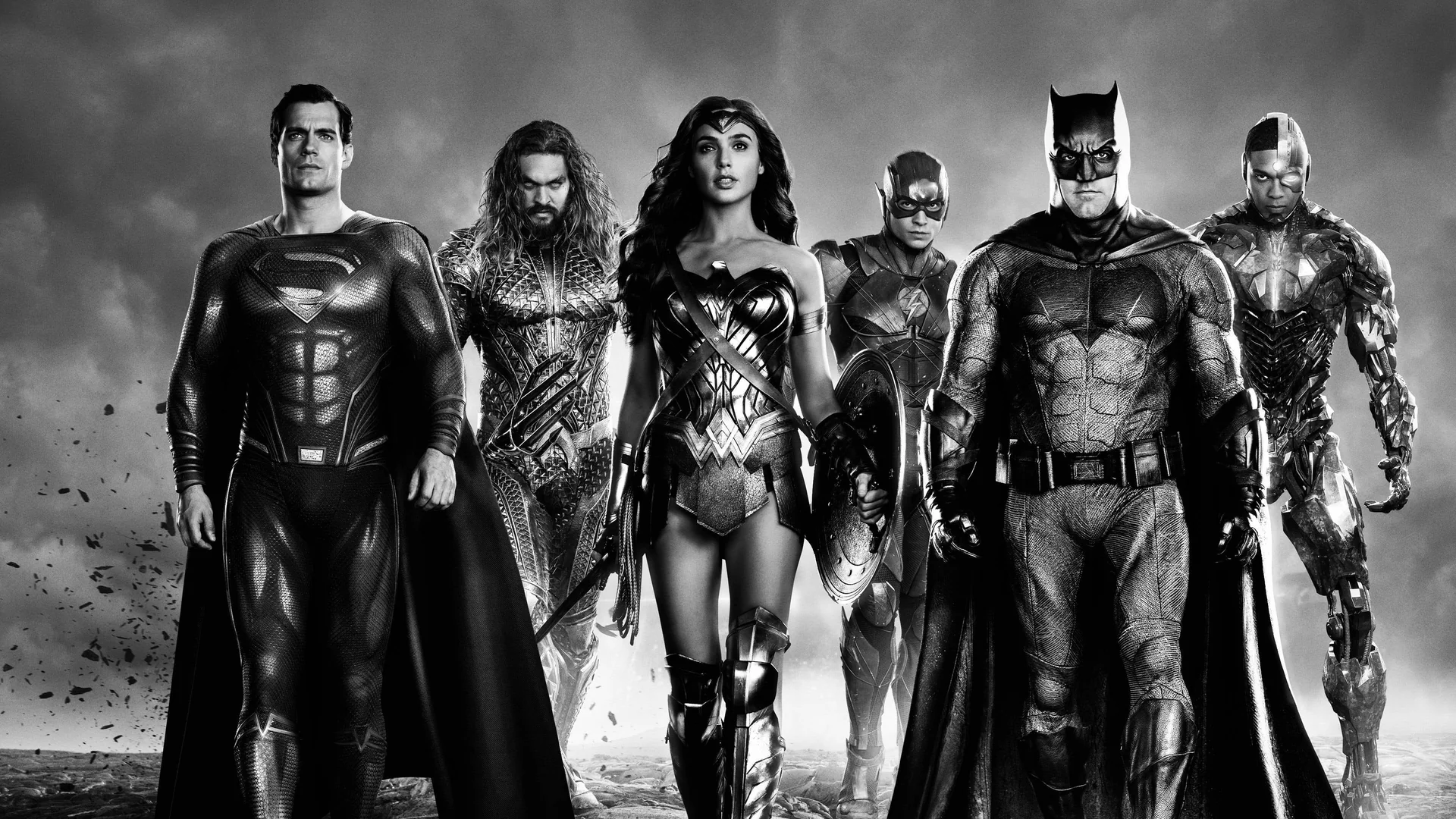
“The ultimate value of life depends upon awareness and the power of contemplation rather than upon mere survival.” — Aristotle
Let’s talk about Zack Snyder’s Justice League. For many, the very mention of its name conjures a maelstrom of emotions—a testament to fan power, a sprawling four-hour epic, and a cinematic phoenix risen from the ashes of a notoriously troubled production. Released in 2021, this behemoth (clocking in at a staggering 242 minutes) isn’t just a film; it’s an artifact, a cultural phenomenon born from a passionate, relentless movement. And honestly, it’s a lot. Critics, myself included, found themselves grappling with its immense scale, its often relentlessly grim tone, and a narrative that, while grand, occasionally threatened to buckle under its own weight. It garnered a respectable, if mixed, 71% on Rotten Tomatoes from critics, though its Metacritic score of 54/100 reveals a more divided professional opinion. Yet, for many fans, it was a triumphant vindication, an unadulterated vision that finally delivered on the promise of its characters. This isn’t just a movie to dissect; it’s a profound case study in authorship, audience expectation, and the very concept of cinematic resurrection.
The Burden of the Visionary
One cannot discuss Zack Snyder’s Justice League without first acknowledging the sheer audacity of its existence. This wasn’t just a director’s cut; it was a re-evaluation, a second chance born from tragedy and a relentless social media campaign. At its heart, the film is a meditation on sacrifice and redemption. Superman’s demise in Batman v Superman looms large, casting a pall over Bruce Wayne’s subsequent efforts to assemble a team of metahumans—Batman (Ben Affleck), Wonder Woman (Gal Gadot), Aquaman (Jason Momoa), The Flash (Ezra Miller), and Cyborg (Ray Fisher). His crusade isn’t merely to save the world from Steppenwolf and the looming threat of Darkseid; it’s an act of penance, an attempt to honor a fallen god.
Snyder’s vision, often criticized for its darker, more somber approach to the traditionally optimistic DC universe, is here fully unleashed. The 242-minute runtime, a point of contention for many critics who found it self-indulgent and uneven, is also its greatest asset for those who embrace its immersive depth. It allows for character beats previously unexplored, particularly Cyborg’s journey. Victor Stone’s struggle with his new, technologically enhanced body becomes a powerful exploration of identity, trauma, and the very definition of humanity—a philosophical through-line often lost in the theatrical cut. His arc, more than any other, feels like the true heart of this elongated narrative, delving into the pain of being remade against one’s will, and the eventual acceptance of one’s altered self.
- Identity and Rebirth: The film continually asks, “What does it mean to be whole?” for characters like Cyborg, or “What does it mean to be a symbol?” for Superman.
- The Cost of Heroism: The League members aren’t just powerful; they’re broken, carrying the weight of past failures and future responsibilities.
- Authorial Intent: The very existence of this cut forces us to ponder the artist’s original vision versus studio interference and audience desires.
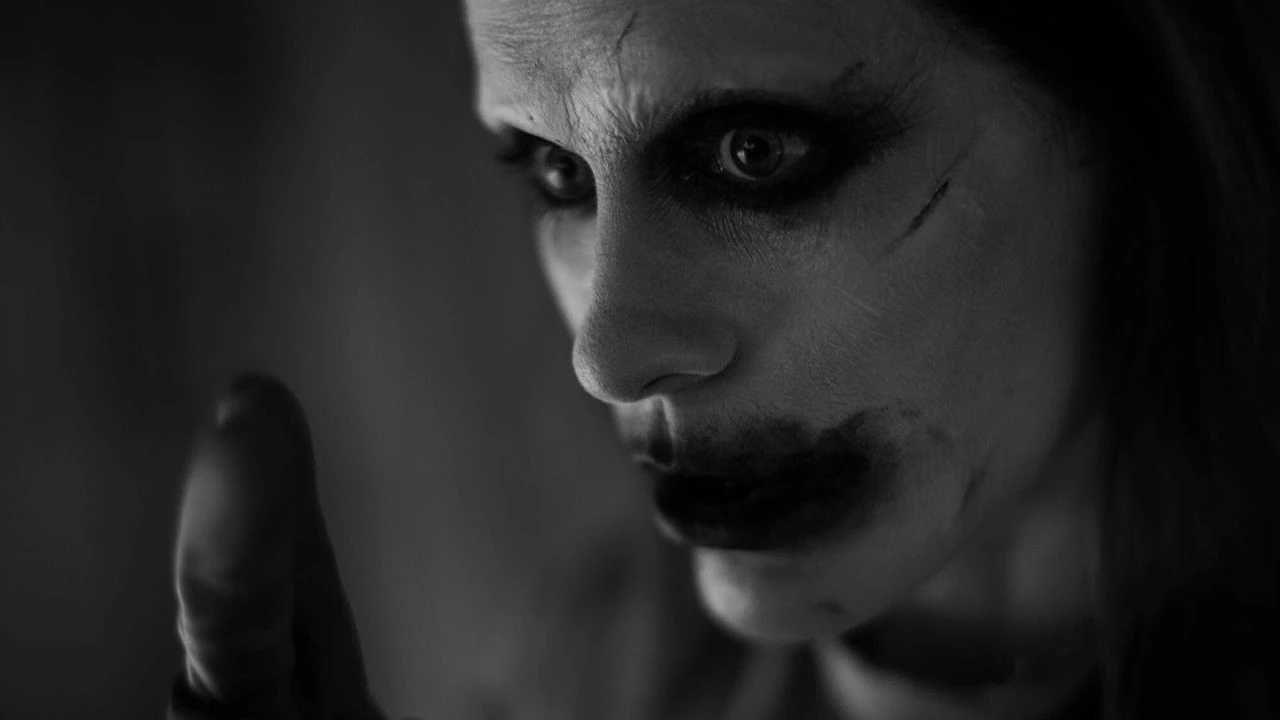
 Cyborg grapples with his new existence, a powerful symbol of trauma and transformation.
The Anatomy of a Rebirth: Flaws and Fanfare
The journey to bring Zack Snyder’s Justice League to screens was as dramatic as any superhero saga, culminating in a colossal, almost mythic release. This context is crucial because it significantly shaped its reception. While hardcore fans celebrated the director’s uncompromised vision, critical reception was, as mentioned, quite divided. Many critics, while acknowledging improved character development for some, still pointed to issues like the often bloated pacing of its four-hour runtime, the relentlessly grim aesthetic, and moments of CGI that felt unpolished or over-reliant on spectacle rather than genuine emotional impact. The slow-motion sequences, a Snyder trademark, were either lauded as artistic flourishes or lambasted as excessive and dragging.
The very act of this film’s existence—a director’s cut willed into being by a fervent fanbase—serves as a fascinating meta-narrative on the evolving relationship between artist, studio, and audience, challenging traditional notions of finality in art.
Yet, it’s impossible to ignore the passionate support it garnered, particularly from its dedicated fanbase, who propelled its audience score to a staggering 94% on Rotten Tomatoes. This isn’t merely a film; it’s a testament to the power of collective will and the emotional investment audiences develop in their stories and characters. It highlights a fascinating dichotomy in modern criticism: the nuanced, often detached perspective of the professional critic versus the deeply personal, often emotional, experience of the dedicated viewer. Philosophically, this dynamic raises questions about the subjectivity of artistic value and whether a film’s “success” can truly be measured solely by critical consensus, or if fan engagement and the fulfillment of a long-held desire hold their own unique weight. It’s a messy, fascinating intersection of art, commerce, and human emotion.
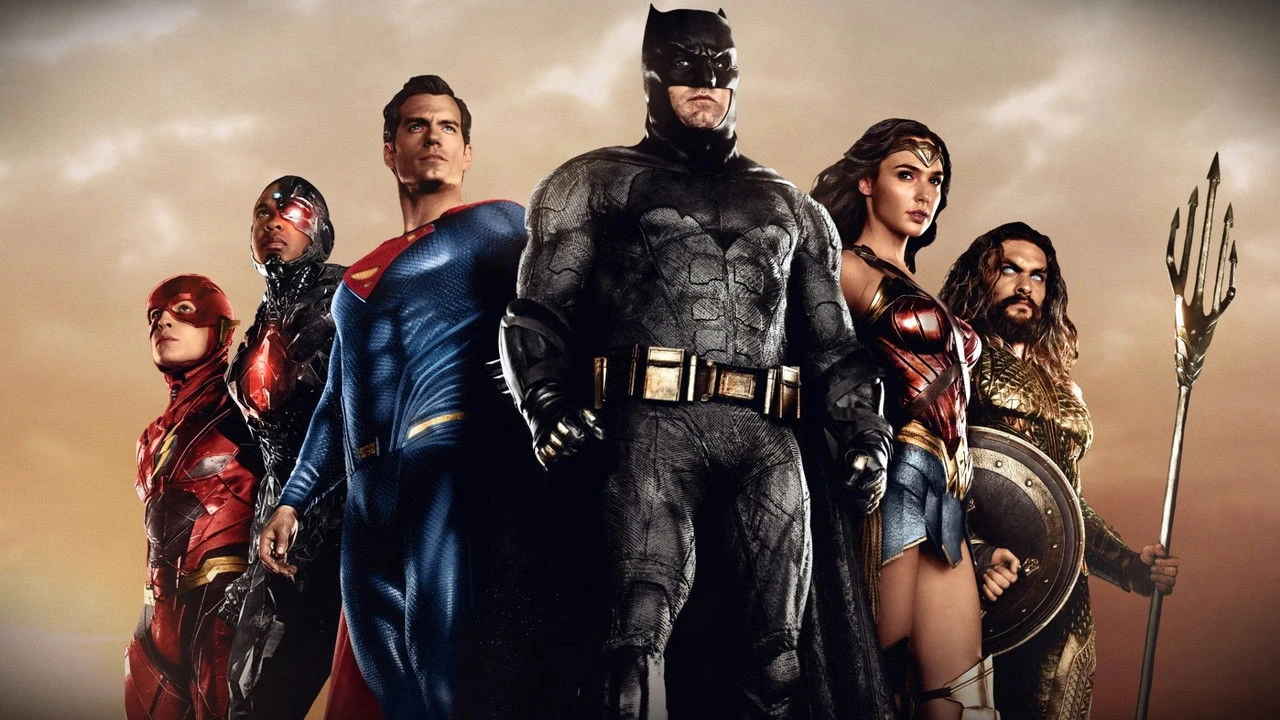
 The heroes unite, a visual representation of diverse powers converging for a common purpose.
Beyond the Spectacle: Echoes of Existentialism
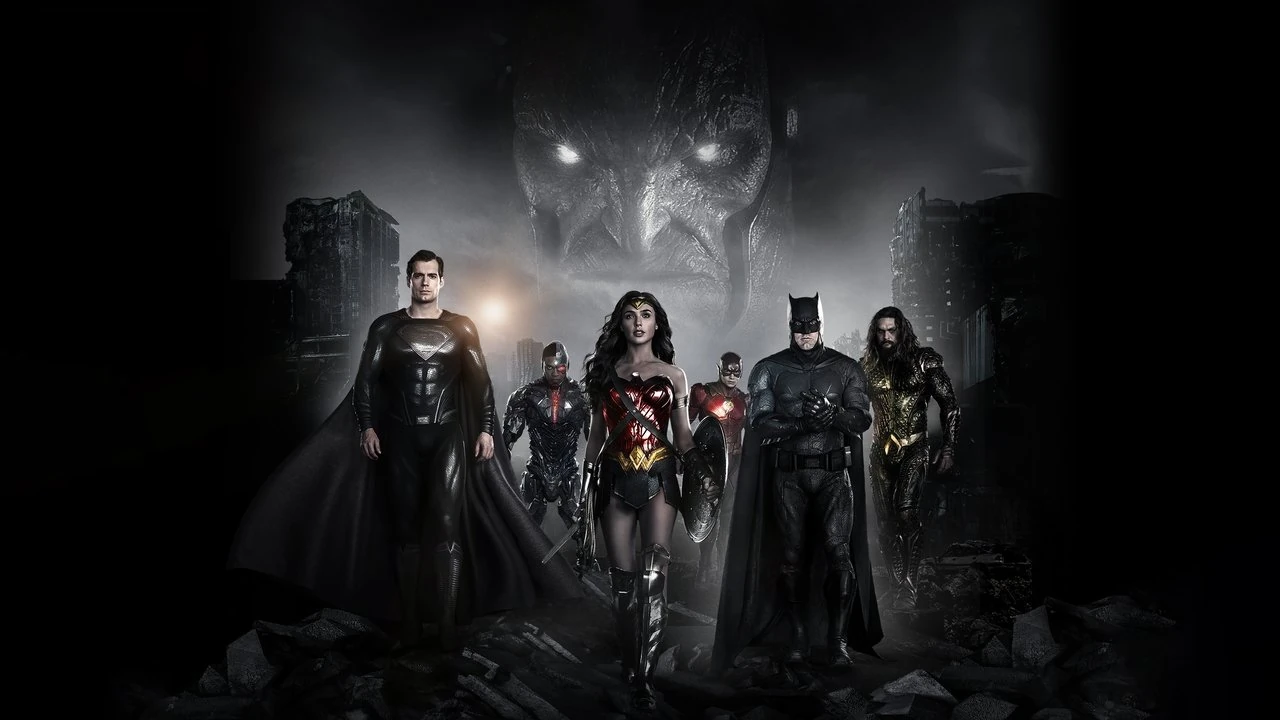
Beyond the debates about pacing or CGI, Zack Snyder’s Justice League dares to touch upon genuinely existential questions within its bombastic framework. The looming threat of Darkseid and the Anti-Life Equation isn’t just a generic alien invasion; it’s an assault on free will itself, a cosmic nihilism that seeks to strip all meaning and choice from existence. This elevates the conflict from mere good-versus-evil to a battle for the very essence of sentient life.
Each hero, in their own way, confronts their personal anxieties and limitations. Batman is driven by guilt and a fear of inadequacy, relentlessly pushing himself to form a team capable of facing what he cannot alone. Wonder Woman embodies a stoic leadership, burdened by centuries of observing humanity’s cyclical conflicts. The Flash, still finding his footing, grapples with his immense power and the responsibility it entails, facing moments of profound fear and doubt before embracing his destiny. Superman’s return, while visually spectacular, also carries a subtext of resurrection and the burden of being an icon—a symbol of hope that must transcend personal pain for the sake of humanity. The film, for all its flaws, asks us to consider: What is the true nature of heroism in the face of overwhelming odds? Is it merely power, or the unwavering will to protect, even when hope seems lost? The final confrontation isn’t just about winning a fight; it’s about reasserting the intrinsic value of individual choice and the pursuit of meaning in a universe that often feels indifferent.
 Batman, a lone figure amidst the chaos, reflecting on leadership and the weight of responsibility.
While Zack Snyder’s Justice League remains a deeply polarizing film—a testament to both its ambitious scope and its undeniable imperfections—its very existence forces a contemplation of the boundaries of artistic vision, the enduring power of myth, and the profound human need for stories of hope and collective action against encroaching despair.
Ultimately, Zack Snyder’s Justice League is a cinematic contradiction: an indulgent, flawed spectacle that simultaneously offers genuinely compelling philosophical depths. It’s a film born of struggle, marked by its immense length and often bleak worldview, yet it manages to resonate with themes of redemption, identity, and the fragility of existence. It reminds us that even within the most bombastic superhero narratives, profound questions about our place in the universe, the choices we make, and the legacy we leave behind are always lurking, waiting to be explored.
Where to Watch
- HBO Max
- HBO Max Amazon Channel
What’s Up? explores the philosophical depths of cinema.