Zero Day's Digital Shadows: Unmasking Truth in an Age of Code and Conspiracy
An early philosophical exploration of Zero Day, the upcoming 2025 thriller starring Robert De Niro, delving into themes of truth, power, and digital vulnerability.
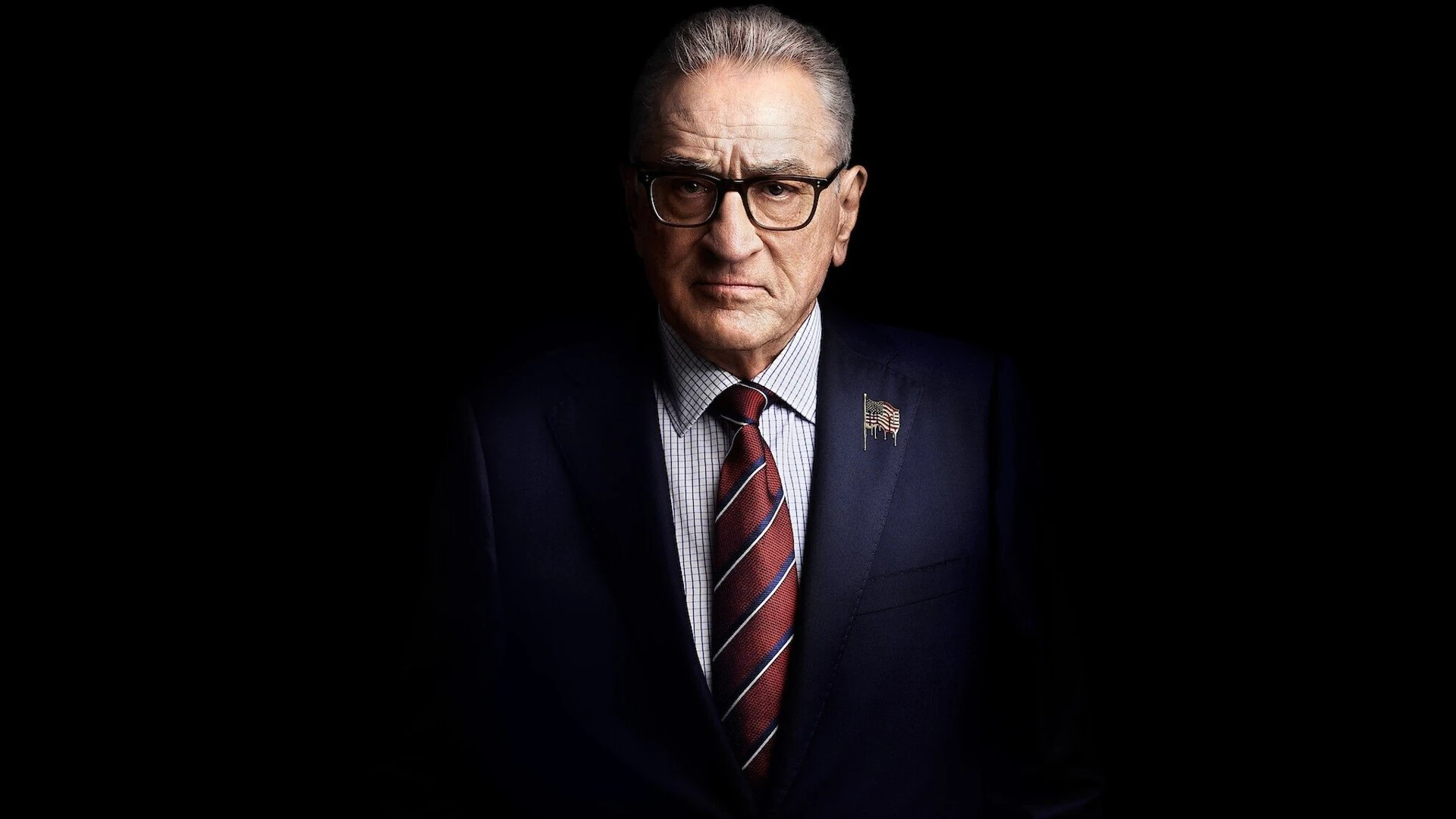
“The greatest trick the Devil ever pulled was convincing the world he didn’t exist.” — Charles Baudelaire
Even before its anticipated debut on February 20, 2025, Zero Day has already carved out a significant space in the collective consciousness, largely due to its high-profile cast led by the indomitable Robert De Niro and its incredibly timely premise. As a platform dedicated to unearthing the deeper currents beneath cinematic narratives, “What’s Up?” often finds itself dissecting works long after their critical dust has settled. However, with Zero Day, we’re afforded a rare opportunity: to engage in a pre-emptive philosophical dissection. This isn’t about reviewing a finished product, as actual critic reviews and audience reactions are, naturally, non-existent at this stage. Instead, it’s about exploring the profound questions and potential narrative pitfalls inherent in its very concept, speculating on the kind of dialogue it might spark, and the anxieties it’s poised to tap into.
The series promises to plunge us into a world where a former U.S. President (De Niro) is pulled back into the fray to hunt down the architects of a devastating cyberattack, only to uncover a “vast web of lies and conspiracies.” This synopsis alone is a potent cocktail, blending political thriller with the chilling realities of our hyper-connected existence. While the lack of concrete critical reception means we can’t point to specific “uneven pacing” or “convoluted plot points” yet, the genre itself—political thrillers, especially those dealing with complex tech—often grapples with these very issues. The challenge for Zero Day will be to navigate the intricate labyrinth of digital warfare without succumbing to either oversimplification or impenetrable jargon, all while maintaining a human core amidst the cold machinery of espionage.
The Epistemology of Erasure: Trust in the Digital Fog
At its philosophical heart, Zero Day seems primed to tackle nothing less than the epistemology of modern existence – how we know what we know, and whether truth can survive in a world where information is fluid, manipulable, and often weaponized. The concept of a “zero day” exploit itself is a terrifying metaphor: a vulnerability so new and unknown that there’s no defense against it. Extend that metaphor to information itself, and you have a society constantly exposed to unseen, undetectable attacks on its perception of reality.
The series, by presenting a “vast web of lies and conspiracies,” immediately positions itself as a commentary on the erosion of trust in institutions, media, and even our own senses. How does a former President, presumably steeped in a more analog, tangible understanding of power and intelligence, confront an enemy that operates entirely in the digital ether, capable of fabricating events, identities, and entire narratives? This narrative thrust forces us to consider:
- The nature of evidence: What constitutes proof when deepfakes can be indistinguishable from reality?
- The burden of skepticism: When everything is potentially fake, how do we ever truly believe anything?
- The psychological toll: What does it do to a society, and to individuals, when the ground beneath their shared reality is constantly shifting?
 A lone figure, perhaps De Niro’s former President, stands silhouetted against a futuristic cityscape, contemplating the invisible digital threats that loom. _
The Weight of the Crown (and the Cursor): Leadership in an Unseen War
The casting of Robert De Niro as a former President is a stroke of genius, immediately lending the series a gravitas and an implicit historical weight. De Niro often embodies characters wrestling with power, morality, and the consequences of their actions. Here, he’s tasked with navigating a war fundamentally different from any he might have waged in his past term. The conflict isn’t fought on battlefields with tanks and soldiers, but in server farms and fiber optic cables.
This premise offers a rich vein for exploring the burden of leadership in an era defined by unseen threats and global interconnectedness. We might anticipate the series will highlight:
- The generational gap in understanding: An older leader grappling with technologies and threats that likely didn’t exist in their prime. This could be a strength, showing wisdom clashing with novelty, or a potential weakness if the portrayal leans into technophobia rather than genuine philosophical struggle.
- The redefinition of power: Who truly holds power when an anonymous hacker collective can cripple a nation’s infrastructure? Is it the President, or the ghost in the machine?
- The ethical dilemmas of cyber warfare: The “deadly cyberattack” suggests real-world consequences. How far is a leader willing to go to counter an attack whose origin and nature are constantly obscured?
This is where the series could truly shine: not just in the thrill of the chase, but in portraying the existential exhaustion of a leader trying to protect a world that’s becoming increasingly intangible and ungovernable.
The supporting cast, including Jesse Plemons, Lizzy Caplan, Connie Britton, and Joan Allen, suggests a formidable ensemble capable of carrying complex subplots and moral ambiguities. Plemons, known for his nuanced and often unsettling portrayals, could be a compelling foil to De Niro, perhaps representing a more cynical, tech-savvy generation, or a morally compromised operative. The dynamics between these characters will be crucial in grounding the high-stakes digital drama in relatable human conflict. However, the risk with such a strong ensemble can sometimes be a dilution of focus, or a reliance on star power to mask a convoluted plot, a common criticism leveled at ambitious thrillers.
 A close-up shot of Jesse Plemons, his face etched with a complex mix of suspicion and resolve, reflecting the moral ambiguities of the digital battleground.
Echoes in the Machine: Our Existential Vulnerability
Beyond the immediate political intrigue and the race against time, Zero Day seems poised to delve into our collective existential vulnerability in the digital age. A “deadly cyberattack” isn’t just about data breaches; it implies a disruption to critical infrastructure – power grids, water supplies, communication networks, healthcare systems. These are the very arteries of modern life, and their fragility, exposed by an attack, forces us to confront how utterly dependent and exposed we are.
The series has the potential to ask:
- What happens when the invisible becomes deadly? The enemy isn’t a nation-state with visible armies, but algorithms and code that can literally turn off the lights.
- How do we mourn what we can’t see? The casualties of a cyberattack might not be immediately visible, yet their impact could be catastrophic.
- Are we building our own digital prisons? Our reliance on technology, while enabling progress, also creates unprecedented points of failure and control. The series could explore whether the very tools we create for convenience are becoming our undoing.
 An abstract visual representation of cascading data, lines of code intertwining like a complex web, symbolizing the invisible forces at play in a cyberattack.
“The true horror of the digital age isn’t just what others can do to us, but what we’ve unknowingly allowed to be built into the fabric of our existence, a vulnerability we can no longer unmake.”
Zero Day, even in its nascent stage, promises to be more than just a suspenseful thriller. While the actual execution—its pacing, the realism of its tech, whether its plot remains coherent—will ultimately determine its critical legacy, its premise alone compels us to reflect. It holds a mirror to our anxieties about trust, truth, and our profound, often unacknowledged, dependence on an invisible digital infrastructure. It asks us to consider the profound fragility of our interconnected world and the daunting task of those who stand between us and the chaos lurking in the code. It challenges us to look beyond the screen and ponder: what truth remains when all signals can be jammed, all images distorted, and all narratives rewritten by an unseen hand?
Where to Watch
- Netflix
- Netflix Standard with Ads
What’s Up? explores the philosophical depths of cinema.