Zodiac's Endless Pursuit: When Obsession Becomes the Truth
A philosophical deep dive into David Fincher's Zodiac, exploring obsession, the elusive nature of truth, and the human cost of an unresolved mystery. Plain text only.
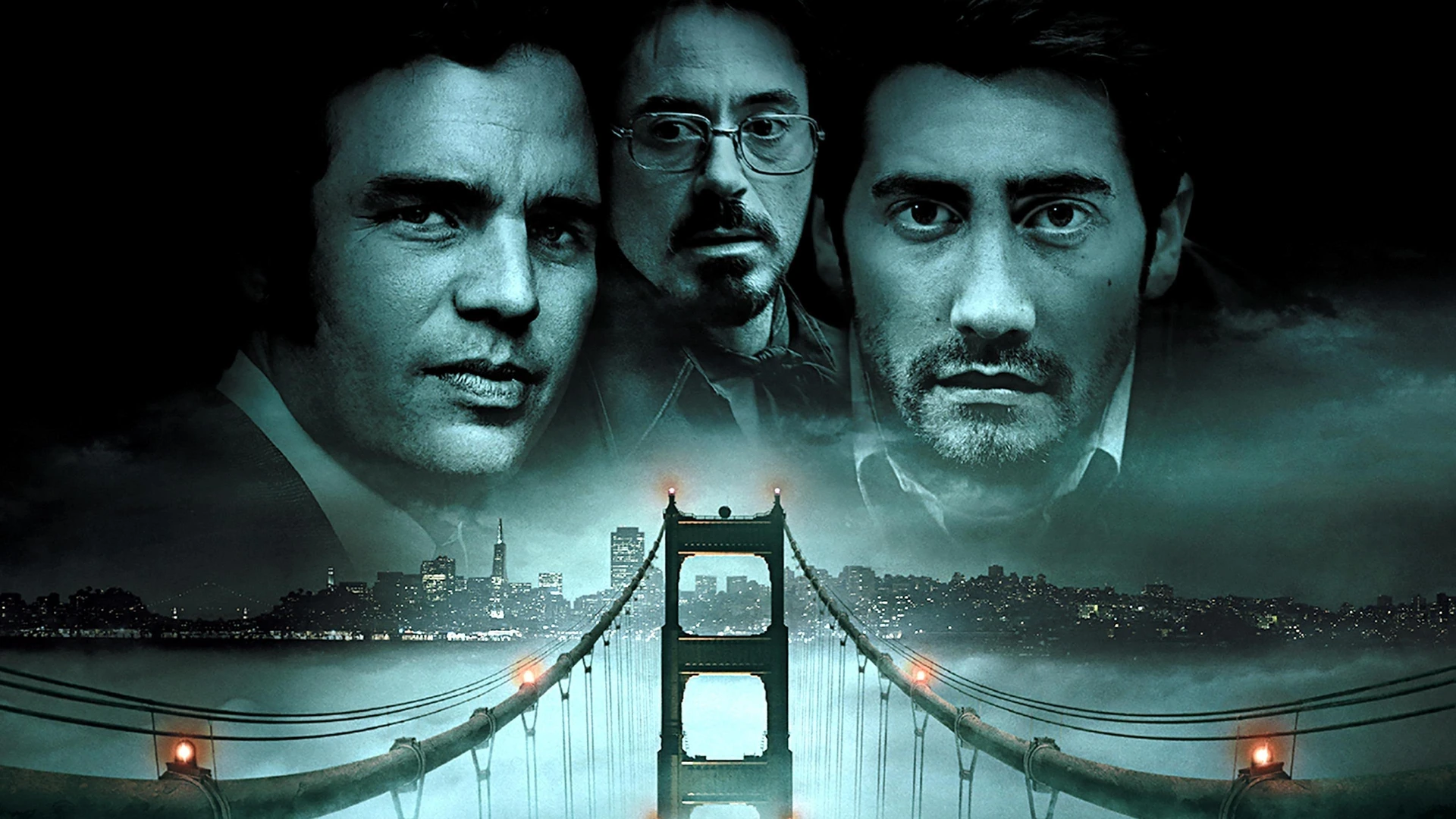
“The true mystery of the world is the visible, not the invisible.” — Oscar Wilde
David Fincher’s Zodiac (2007) isn’t just a crime thriller; it’s an endurance test, a meditation on obsession, and perhaps one of the most intellectually honest films about the pursuit of an unknowable truth. When it first hit theaters, critics were largely ecstatic, praising its meticulous detail, chilling atmosphere, and stellar performances. Rotten Tomatoes proudly displays a high Tomatometer score, and Metacritic aggregates similarly strong reviews. Yet, for all its critical acclaim, Zodiac isn’t a film for everyone. It’s long, it’s deliberately paced, and it refuses to offer the kind of neat, satisfying closure that Hollywood so often conditions us to expect. This isn’t a flaw, but a feature, embodying the very frustration and futility it portrays.
The Endless Maze of Truth
At its heart, Zodiac plunges us into the abyss of obsession. We follow the lives of three men – Robert Graysmith (Jake Gyllenhaal), a cartoonist turned amateur detective; Paul Avery (Robert Downey Jr.), a cynical crime reporter; and Dave Toschi (Mark Ruffalo), a determined homicide inspector – as they become inextricably bound to the enigma of the Zodiac Killer. Fincher meticulously recreates the 1960s and ’70s San Francisco Bay Area, not with a romanticized gaze, but with a gritty, almost documentary-like precision. This isn’t just a backdrop; it’s a character in itself, slowly suffocating under the shadow of an unseen monster.
The film challenges our fundamental need for answers, for justice, for a narrative that ties up loose ends. The Zodiac Killer isn’t a supervillain with a grand plan; he’s a spectral presence, a series of taunting letters, a cipher that refuses to be cracked. This refusal to provide a clear resolution is precisely where Zodiac becomes a profound philosophical statement. It forces us to confront the reality that some mysteries remain unsolved, some evils go unpunished, and some truths are forever out of reach. The film’s pacing, often cited by some viewers as “slow” or “drawn-out,” isn’t an artistic misstep; it’s a visceral experience of the grinding, exhausting, decade-spanning nature of the investigation itself. It’s the cinematic equivalent of wading through endless files, dead ends, and false hopes.
- The futility of perfect knowledge — The film posits that some truths might be inherently unknowable, or at least beyond the grasp of human reason and effort.
- The corrosive nature of obsession — Graysmith’s journey illustrates how the relentless pursuit of an external truth can dismantle one’s internal world.
- The societal impact of unresolved fear — The Zodiac’s ability to remain anonymous highlights how fear, even when unseen, can paralyze a community for years.
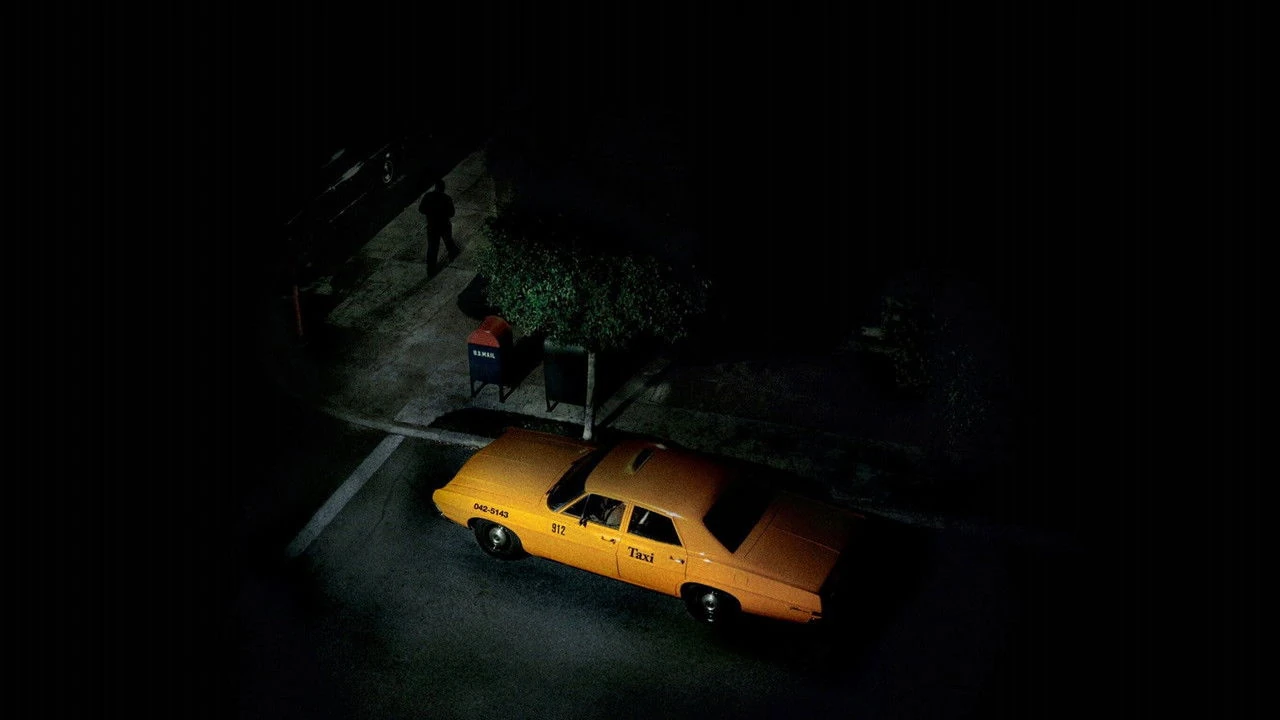 Graysmith stares intently at a cryptic Zodiac letter, his world slowly consumed by the killer’s shadow.
The Human Cost of Unanswered Questions
What truly elevates Zodiac beyond a mere procedural is its unflinching look at the human cost of this endless pursuit. Jake Gyllenhaal’s portrayal of Robert Graysmith is a masterclass in slow-burn transformation. He begins as a quirky, seemingly naive cartoonist, but as he delves deeper, his initial fascination curdles into a consuming obsession that alienates him from his family and career. Mark Ruffalo’s Toschi embodies the dedicated but increasingly weary lawman, haunted by the one case he couldn’t close. And Robert Downey Jr.’s Paul Avery offers a cynical, drug-fueled descent, illustrating another path to ruin under the Zodiac’s spell. The performances are universally praised by critics, grounding the film’s sprawling narrative in raw, human vulnerability.
The real terror isn’t just the killer’s brutality, but the slow, insidious erosion of life’s normalcy for those who dare to look too closely.
Fincher’s direction here is nothing short of masterful. He doesn’t glamorize the violence; he presents it with a chilling, almost clinical detachment that makes it all the more disturbing. The film’s meticulous recreation of the period – from the phone books to the newsroom clutter – is so immersive, you feel transported. Yet, this very fidelity to detail, while enhancing its realism, also contributes to the film’s challenging run-time. Some audience members found the lack of a definitive “aha!” moment frustrating, leading to criticisms about its narrative propulsion. It’s a valid point if you’re expecting a traditional whodunit. But Fincher isn’t interested in solving the case for us; he’s interested in showing us the process of trying to solve it, and the psychological toll it takes. This isn’t entertainment in the conventional sense; it’s an experience of existential dread and unfulfilled longing.
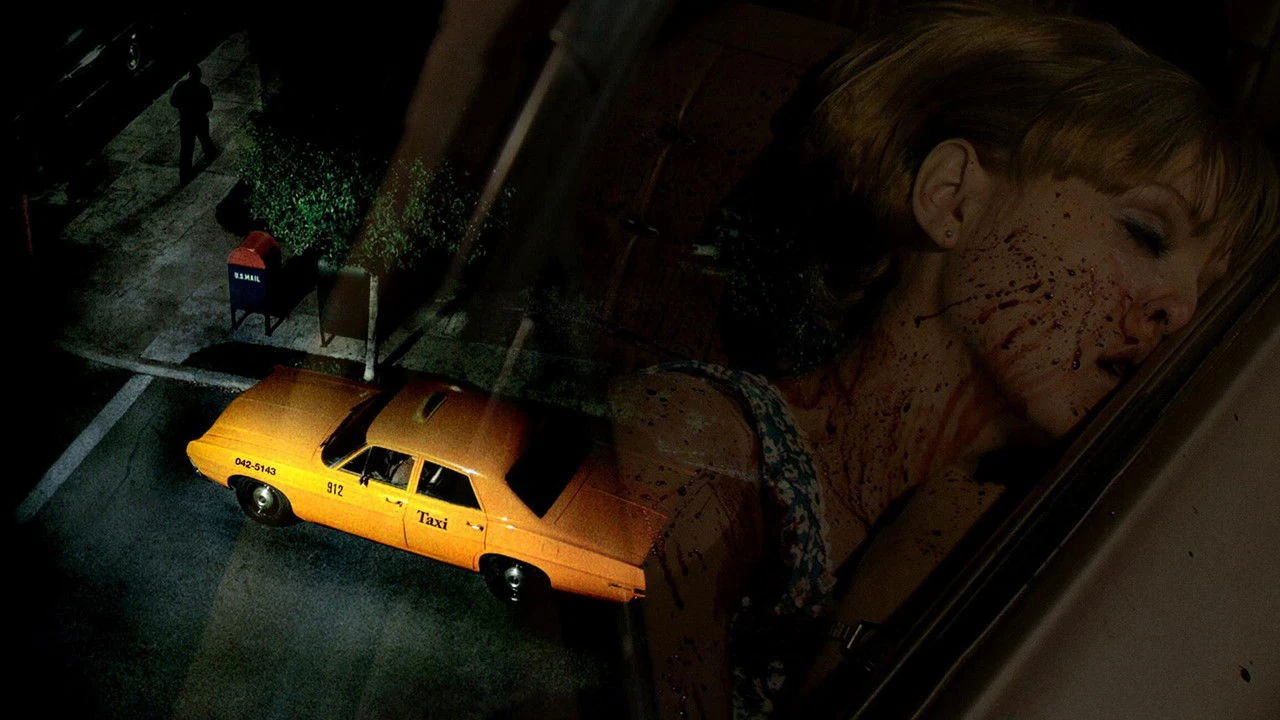 Detective Toschi, weary but resolute, stands in a meticulously recreated 1970s police station, surrounded by case files.
Beyond the Surface: The Philosophy of the Unseen
Zodiac ultimately asks us to ponder the nature of evil itself. Is it a person, an entity, or a void? The Zodiac Killer remains largely unseen, a voice on the phone, a scrawled symbol, a series of heinous acts. He becomes a metaphor for the chaotic, unpredictable forces that exist just beyond the edge of our comprehension and control. Graysmith’s relentless pursuit isn’t just about catching a killer; it’s an attempt to impose order on chaos, to name the unnameable, to bring light into a profound darkness. His failure to definitively unmask the killer isn’t a narrative failure, but a profound comment on the limits of human agency and the stubborn persistence of the unknown.
The film’s final act, focusing almost entirely on Graysmith’s personal crusade, feels both tragic and heroic. He sacrifices everything for a truth that may never be universally accepted, a justice that remains forever partial. The ambiguity of the ending, where Graysmith confronts a suspect who may or may not be the Zodiac, leaves us with a chilling sense of unease. It’s a testament to the power of the film that even without a definitive answer, the lingering question becomes more potent than any resolution could have been. Zodiac forces us to reckon with the uncomfortable truth that some narratives don’t have satisfying conclusions, and that the search for meaning can be a life sentence in itself.
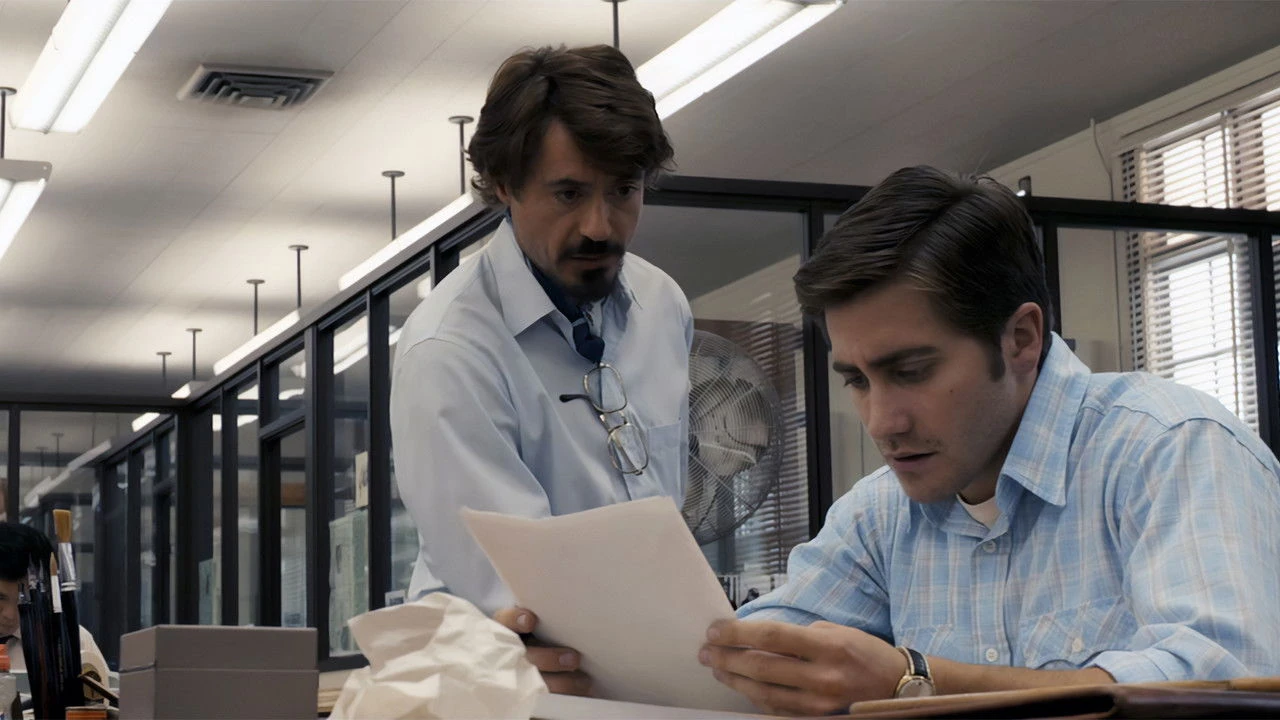 Graysmith, a silhouette against a dimly lit background, types furiously at his desk, lost in his all-consuming quest.
The most terrifying monsters aren’t those we can clearly see, but the ones whose shadows stretch into the deepest corners of our psyche, leaving us with an eternal, unsettling uncertainty.
Zodiac is a film that demands patience and rewards contemplation. While some might find its methodical pace and ambiguous ending challenging, its commitment to depicting the harrowing reality of an unsolved mystery is what gives it such enduring philosophical weight. It’s a testament to the human drive to understand, even when understanding seems impossible, and a stark reminder that some wounds in the cultural consciousness never truly heal. It doesn’t just show us a true crime story; it invites us to inhabit the very obsession that drives such a story, and to grapple with the terrifying possibility that some questions are destined to remain unanswered.
Where to Watch
- Paramount Plus Premium
- Paramount+ Amazon Channel
- Paramount+ Roku Premium Channel
What’s Up? explores the philosophical depths of cinema.